




Sintered Filters: Durable Solutions for Industrial Filtration
Having spent well over a decade around industrial equipment — and more specifically filtration tech — I can say sintered filters hold a unique spot in the ecosystem. They're these quietly tough components that often go unnoticed until, well, your system really demands reliability. Sintered filters are kind of the unsung heroes of particle filtration, especially where high-temperature or corrosive environments are involved.
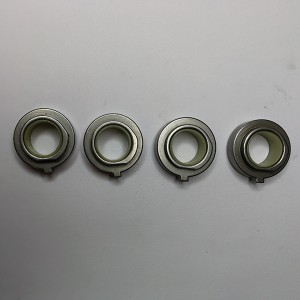
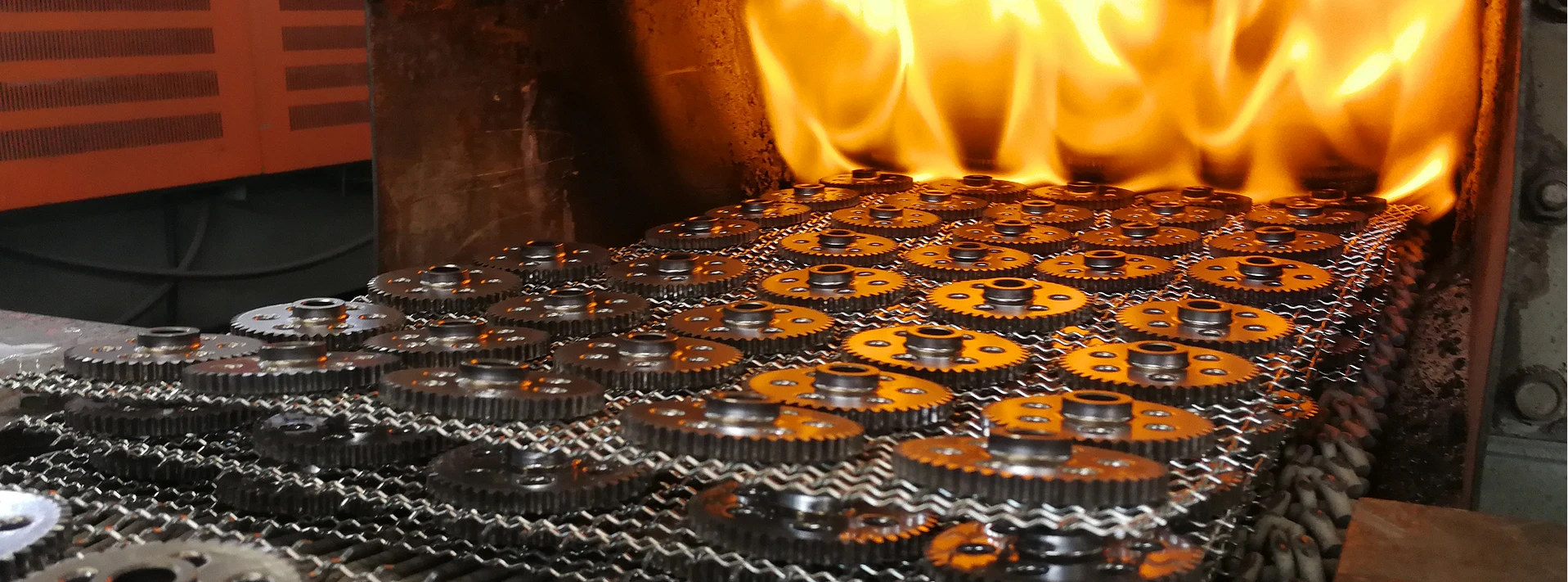
Honestly, I've noticed in workshops and plants alike that engineers tend to prefer sintered filters for their unparalleled strength and precision. Made by compressing metal powders under heat without melting them, the sintering process creates a porous network that’s both rigid and permeable. This makes them ideal for filtering out fine particles without shedding fibers or compromising flow.
One thing that stands out — and this might sound technical, but bear with me — is the material choice. Stainless steel, bronze, or even nickel alloys are common. Each brings something to the table: stainless offers corrosion resistance, bronze gives flexibility in certain chemical environments, and nickel alloys handle extreme heat. Picking the right filter material is really about matching process conditions, which you can’t fudge if you want longevity.
| Property | Specification |
|---|---|
| Material options | Stainless steel, bronze, nickel alloy |
| Pore size range | 0.5 μm to 300 μm |
| Operating temperature | -200°C to 800°C (depends on material) |
| Pressure rating | Up to 350 bar |
| Typical shapes | Discs, tubes, cartridges, plates |
Now, if you work in water treatment, pharmaceuticals, or even automotive manufacturing, the applications for these filters are simply vast. Oddly enough, despite their industrial muscle, they’re quite customizable. Manufacturers can tweak the pore size, thickness, and even shape based on what's filtered — be it gases, liquids, or aggressive chemicals. I remember a project where we adapted sintered filters specifically to resist a highly acidic chemical, and it performed for years with minimal clogging or degradation.
On the topic of vendors — you know, not all sintered filters are created equal. There’s a significant difference in quality between manufacturers, tied to their sintering techniques, powder grade, and quality control. From my observation, these factors can make or break reliability.
| Feature | JSS Sintering | Competitor A | Competitor B |
|---|---|---|---|
| Material variety | Stainless, bronze, alloys | Stainless, bronze only | Mostly stainless |
| Pore size precision | ±5% tolerance | ±10% tolerance | ±8% tolerance |
| Lead time | 2-3 weeks | 4-6 weeks | 3-5 weeks |
| Customization options | Extensive | Limited | Moderate |
| Quality certifications | ISO 9001, TS 16949 | ISO 9001 only | None listed |
Based on my experience and feedback from peers, working with a vendor like JSS Sintering brings peace of mind. Their quality control, rpm consistency, and material authenticity mean fewer headaches on site — and frankly, less downtime is the kind of thing any operations manager values deeply.
If I had to sum up why sintered filters work so well for so many sectors, it's their versatility matched with durability. You get a filter that can withstand the harshest chemicals, the highest temperatures, and still perform consistently. Oddly enough, they’re also surprisingly sustainable — because they last longer and often can be cleaned and reused multiple times, I noticed that reduces waste in the plant.
So next time you specify filtration equipment, consider these factors. It’s not just about getting any filter in place, but the right sintered one that fits your process nuances. After all, when your filter performs flawlessly, it’s like the unsung backstage crew in a play—you barely notice it, but everything runs smoothly because of it.
Reflection: The more I dive into these filters, the more I appreciate their balance of precision engineering and rugged industrial design. It’s a reminder that sometimes the most reliable tech isn’t flashy but quietly indispensable.
- JSS Sintering Technical Brochure, 2023
- Industry standards on filtration materials, ASTM Reports, 2022
- Case study: Sintered filters for chemical processing, Industrial Journal, 2021