




Understanding Gears and Sprockets: Essential Components in Industrial Equipment
Having spent over a decade in the industrial equipment sector, I can tell you that gears and sprockets form the backbone of countless machines we rely on every day. Oddly enough, many newcomers tend to lump them together, but in practice, their applications and design details reveal subtle yet crucial differences. Gears and sprockets are the unsung heroes behind motion control, power transmission, and durability across industries.
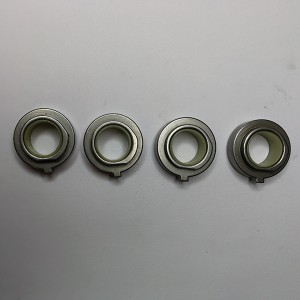
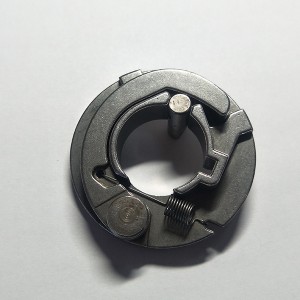
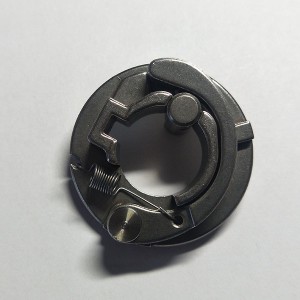
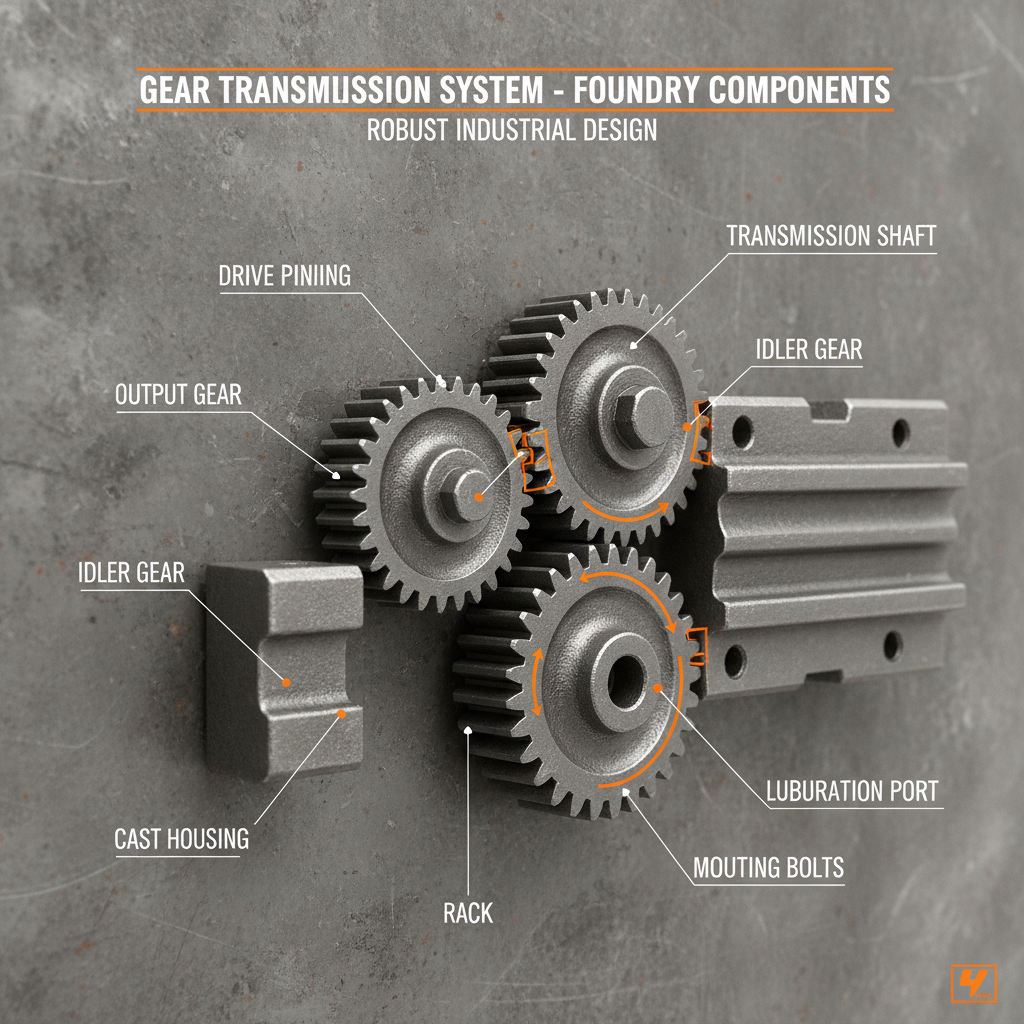
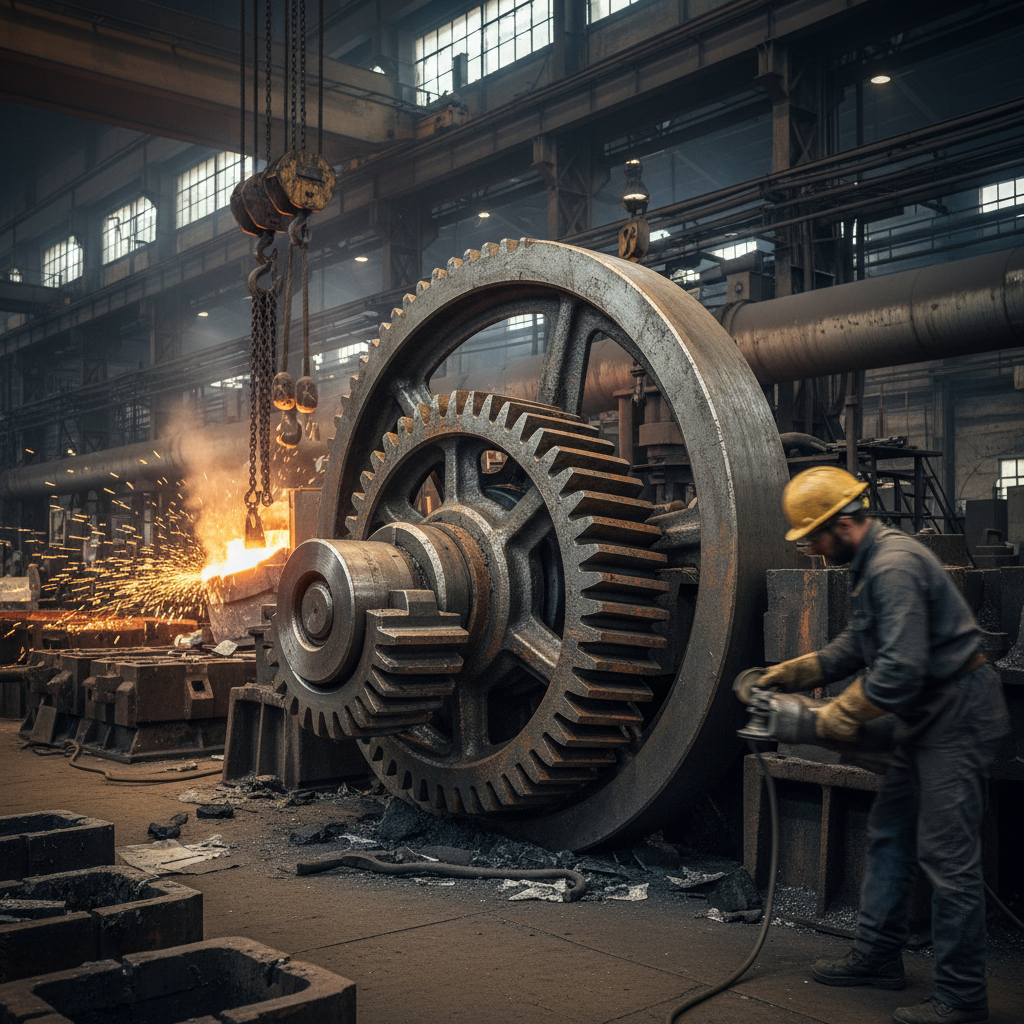
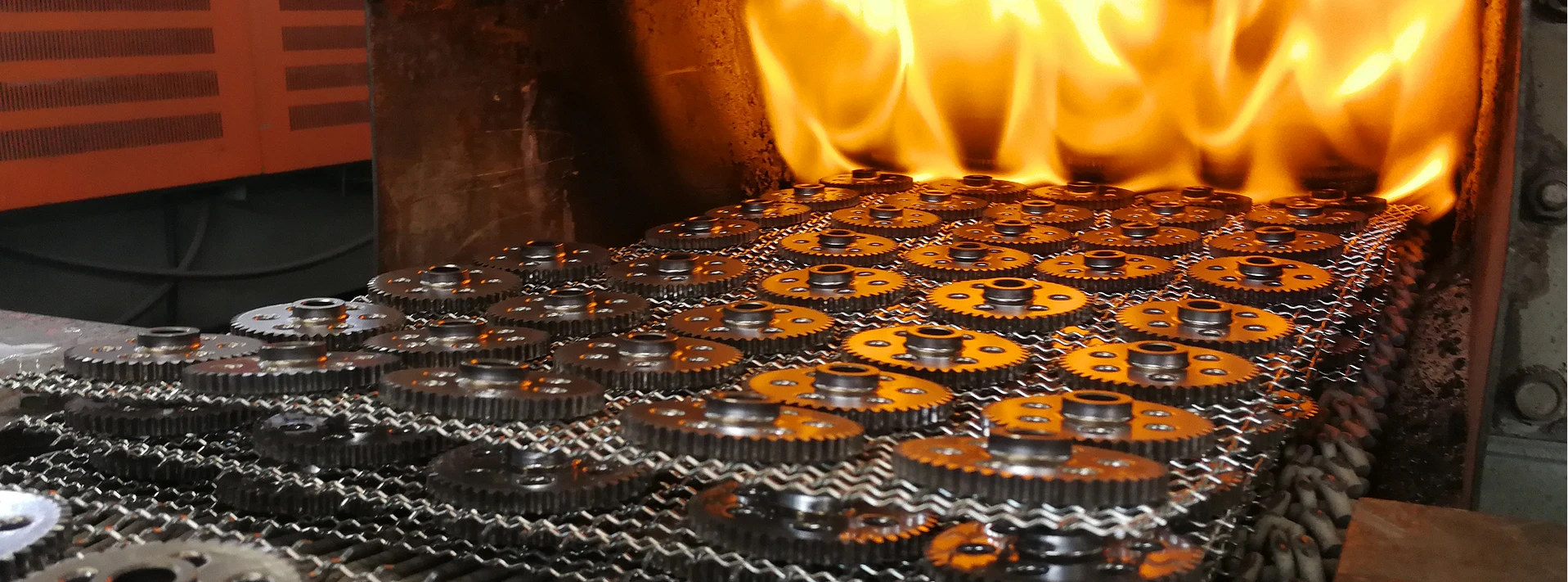
Let me start with gears. You could say they’re the “language of torque transfer.” Round, toothed wheels that mesh together, gears convert rotational force and speed with precision. Depending on the gear type—be it spur, helical, bevel, or worm—engineers tweak their design to optimize efficiency, noise, and load capacity. Material choices range widely: from hardened steel for heavy-duty applications to advanced sintered alloys when weight and cost come into play. In my experience, sintered gears strike an impressive balance — strong enough to handle rigorous demands and friendly on budgets.
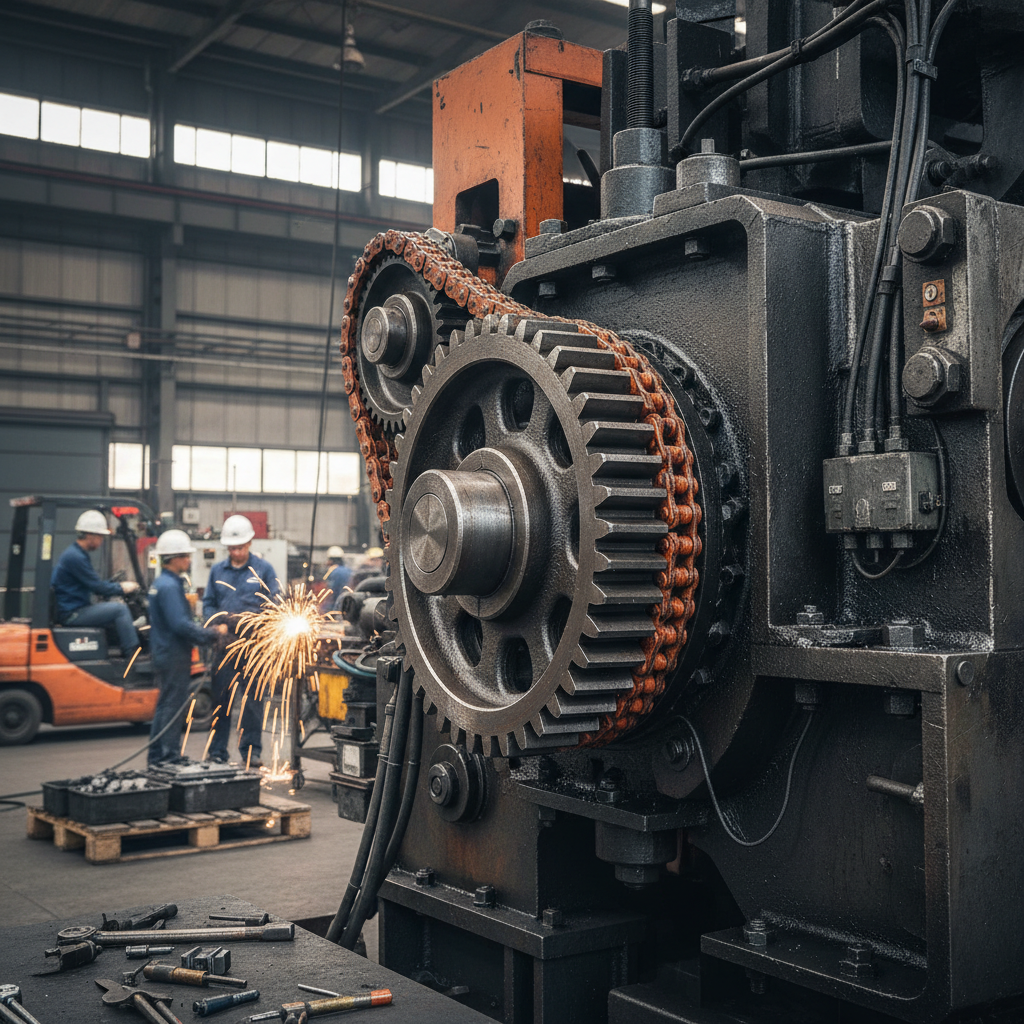
Sprockets, on the other hand, are designed to engage with chains. Think of bicycles—those toothed wheels that grip the chain are sprockets in action. In industrial settings, sprockets efficiently transfer power but, unlike gears, they rely on chains to maintain accurate timing and tension. Materials often mimic those for gears, but there’s usually a heavier focus on surface wear resistance because of the constant friction with chain links.
You know, many engineers say that choosing between gears and sprockets depends heavily on application specifics—load, speed, environmental factors, maintenance intervals. I recall one particular project in a metal fabrication plant where we needed to replace aging chains and sprockets with a more durable setup. Switching to sintered sprockets from a trusted supplier not only extended maintenance cycles but also cut downtime by about 15%. That kind of real-world impact is what stays with you.
Key Specifications of Common Gears and Sprockets
| Specification | Gears | Sprockets |
|---|---|---|
| Material | Hardened steel, sintered alloys | Steel, stainless steel, sintered metal |
| Load Capacity | High, depends on gear geometry | Moderate to high, chain strength limited |
| Transmission Type | Direct gear mesh | Chain drive |
| Noise Level | Varies, helical gears quieter | Generally higher due to chain tension |
| Maintenance | Lubrication critical, less frequent | More frequent chain adjustment and lubrication |
Now, when it comes to sourcing these components, the market offers plenty of choices, but quality and consistency vary quite a bit. Below I’ve put together a quick comparison of some notable vendors I’ve worked with or heard strong feedback on — just to give you some sense of where they stand.
| Vendor | Material Technology | Customization Options | Lead Time | Typical Applications |
|---|---|---|---|---|
| JSS Intering Co. | Powder metallurgy, sintered alloys | High – tailor-made sizes & materials | 4–6 weeks | Automotive, industrial assembly machines |
| Vendor B | Forged steel, heat treated | Moderate | 2–3 weeks | Heavy machinery, agriculture |
| Vendor C | Cast iron and steel blends | Limited | 1–2 weeks | Light industry, conveyors |
Something I’ve noticed over the years is how the right supplier relationship really can make or break a project timeline. Quality is one thing, but communication and flexibility matter just as much. For what it’s worth, I’ve found JSS Intering Co.’s approach refreshingly dependable, especially given their expertise with sintered metals.
In real terms, choosing between gears and sprockets—and between suppliers—comes down to understanding your machine’s unique demands. Whether it’s silent precision or rugged durability, there’s no one-size-fits-all, but a solid grasp of these fundamentals goes a long way in avoiding costly downtime and maintenance headaches.
Frankly, working hands-on with these components has taught me to appreciate the blend of art and science in industrial mechanics. It feels like every piece tells a story — about design challenges, material science breakthroughs, and the endless drive for reliable motion.
Takeaway: In the world of industrial machinery, good gears and sprockets aren’t just parts — they’re keystones of performance and longevity.
References:
1. R. Norton, Machine Design: An Integrated Approach, 2019.
2. ASM Handbook, Volume 18, Friction, Lubrication, and Wear Technology, 2017.
3. JSS Intering Company Product Catalog, 2023.