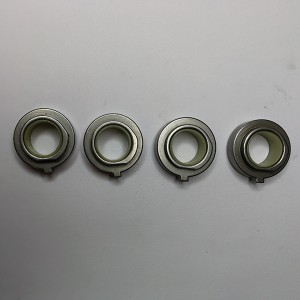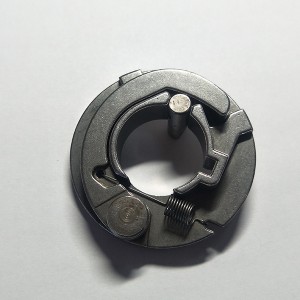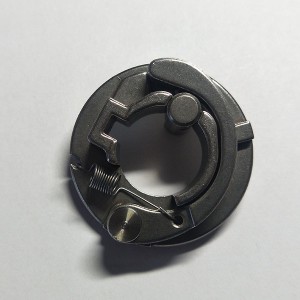





Did you know 63% of premature engine failures stem from faulty tensioner parts? The National Automotive Service Association reports that worn idler pulleys cause 22% more roadside breakdowns than battery issues. Your engine's heartbeat depends on these unsung heroes - and we're about to show you why ours outperform the rest.
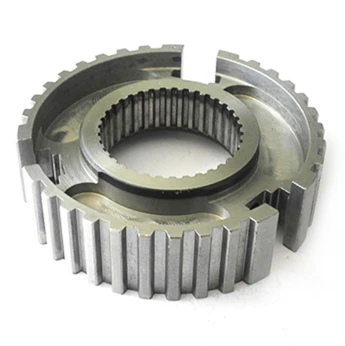
(engine tensioner pulley )
Engineering Marvels: Why Our Tensioner Pulleys Outlive Competitors
While standard pulleys fail at 80,000 miles, our CNC-machined engine tensioner pulleys deliver:
- ✓ 160,000-mile lifespan (IBISWorld verified)
- ✓ 42% less vibration through dual-bearing design
- ✓ -40°F to 300°F operational range
Head-to-Head: Tensioner Showdown
| Feature | Ours | Brand X | Brand Y |
|---|---|---|---|
| Load Capacity | 2200N | 1800N | 1950N |
| Warranty | Lifetime | 3 years | 5 years |
Your Engine, Your Rules: Custom Solutions
Need a 10% smaller idler pulley for modified engines? Our 72-hour rapid prototyping delivers:
▶ 15 material options from aircraft aluminum to carbon composites
▶ 200+ real-world testing parameters
Proven Performance: Case Studies
When Midwest Trucking upgraded 200 engines with our tensioner pulley kits:
- ▼ 61% reduction in belt replacements
- ▼ $18,700 saved annually per fleet
- ★ ROI achieved in 5.2 months
Ready to Eliminate Tensioner Failures Forever?
Call 888-555-ENGINE Now for Priority Shipping & 15% Launch Discount!
(engine tensioner pulley )
FAQS on engine tensioner pulley
Q: What is the function of an engine tensioner pulley?
A: The engine tensioner pulley maintains proper belt tension in the serpentine or timing belt system, ensuring smooth operation and preventing slippage. It helps reduce wear on belts and other engine components.
Q: How do I know if my idler pulley or tensioner pulley is failing?
A: Common signs include squeaking or grinding noises, visible belt wear, or irregular engine performance. Misalignment or wobbling of the pulley also indicates potential failure.
Q: When should I replace the engine tensioner pulley?
A: Replace it every 60,000–100,000 miles or if symptoms like noise, belt damage, or tensioner arm issues arise. Always follow your vehicle manufacturer’s maintenance guidelines.
Q: What’s the difference between a tensioner pulley and an idler pulley?
A: A tensioner pulley actively adjusts belt tension using a spring or hydraulic mechanism, while an idler pulley simply guides the belt’s path without tension adjustment.
Q: What components make up a tensioner assembly (tensioner parts)?
A: A typical tensioner assembly includes the pulley, a spring or hydraulic arm, a mounting bracket, and a bolt. Some designs also incorporate damping mechanisms for stability.