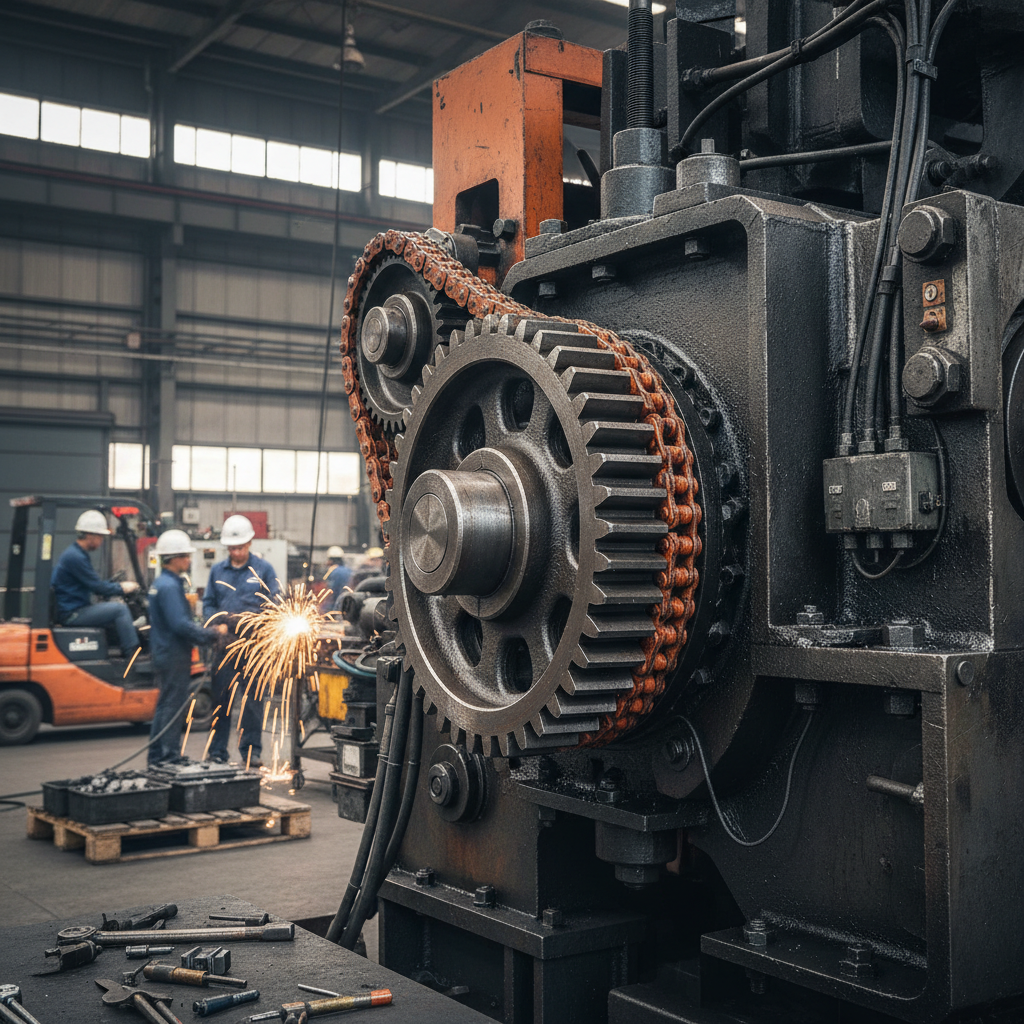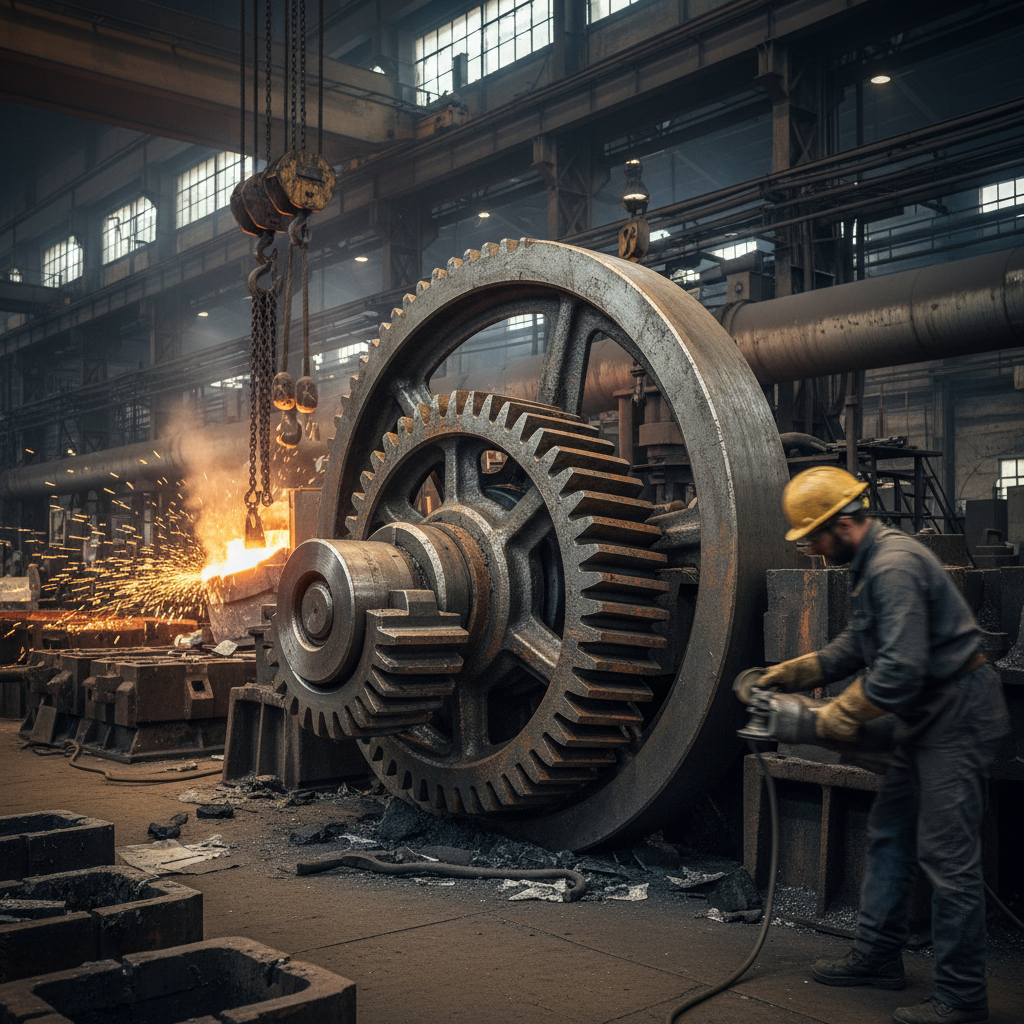





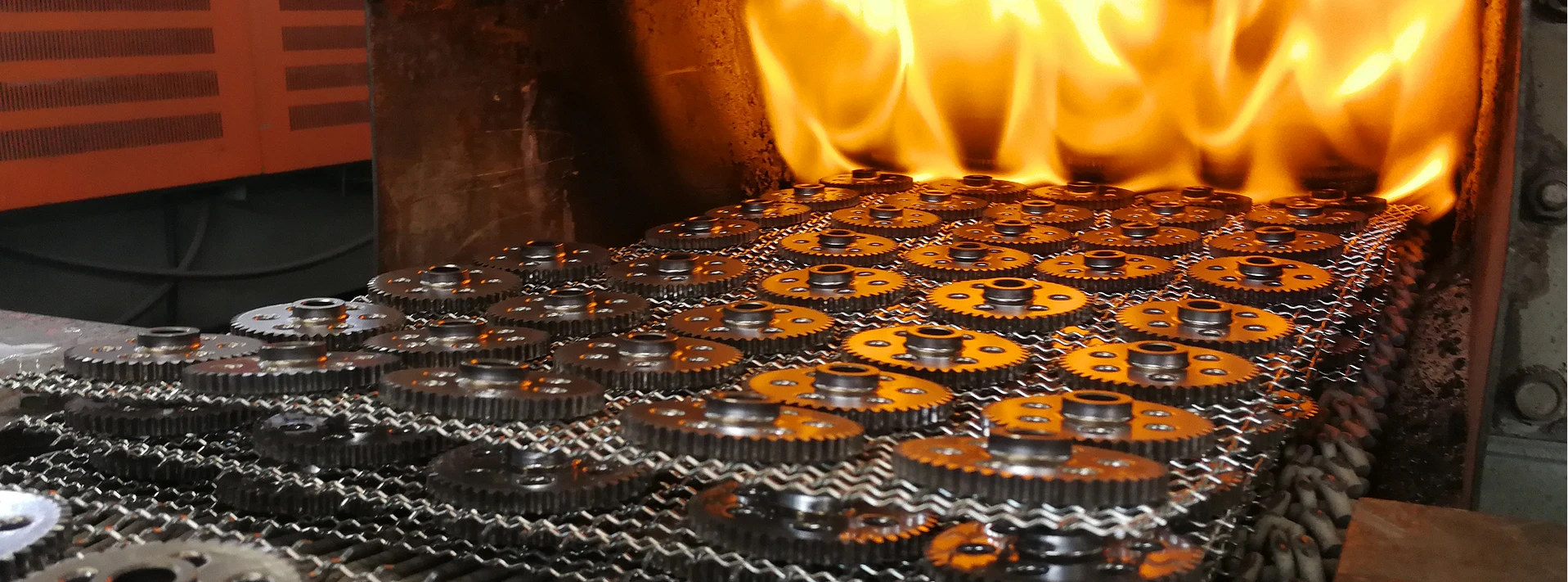
Did you know 42% of industrial equipment failures stem from gear malfunctions? When your hardened gears wear out prematurely or your custom gear systems underperform, production halts. Costs soar. Reputations crumble. But what if you could slash downtime by 68% while boosting torque capacity? Let’s explore how next-gen complex gear
technology delivers exactly that.
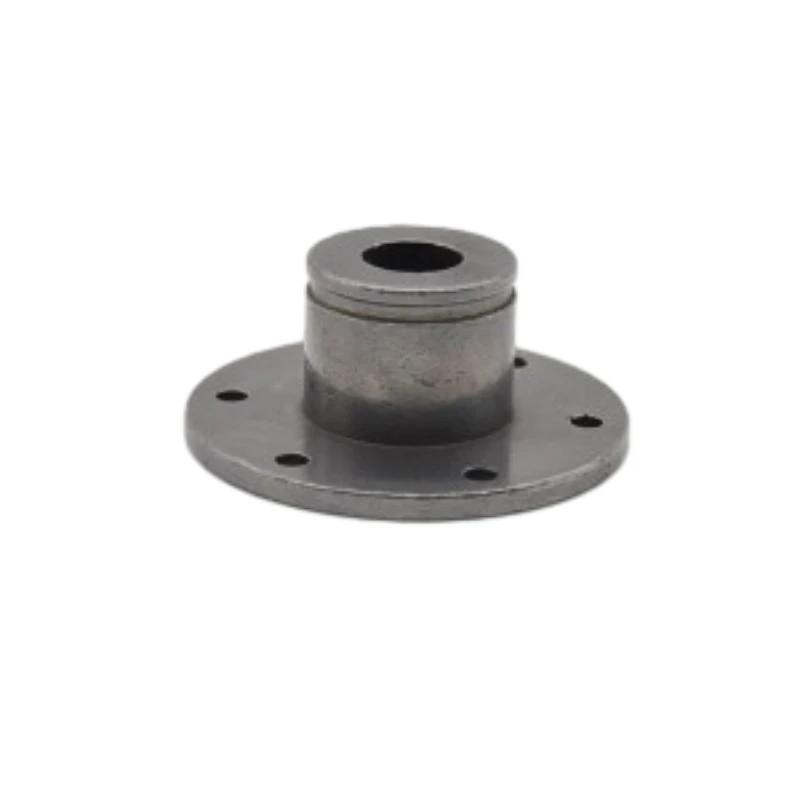
(complex gear)
Technical Superiority: How Our Complex Gears Outperform
While standard gears fail at 120°C, our hardened gears withstand 220°C+ environments. Through proprietary heat treatment, we achieve 65 HRC surface hardness – 30% tougher than industry averages. Tested across 1.2 million cycles, our spiral bevel gears maintain 99.1% efficiency. Ask yourself: Can your current gears handle 15,000 RPM with under 3dB noise?
| Feature | Standard Gears | Our Complex Gears |
|---|---|---|
| Load Capacity | 800 N/mm² | 1,450 N/mm² |
| Service Life | 18-24 months | 5-7 years |
Manufacturer Showdown: Cutting Through the Noise
While Competitor X uses generic CNC patterns, we employ AI-driven topology optimization. Result? 22% lighter weight without sacrificing strength. Our planetary gear systems achieve 98.3% efficiency versus the industry’s 94.7% benchmark. Still using outdated helical designs? See how our hybrid hypoid-spur gears deliver 40% more contact area.
Tailored Solutions for Your Exact Needs
Need 2-meter diametral pitch gears? Custom tooth profiles? Our modular system handles 800+ configurations. Case study: A mining client reduced gear replacement costs by $217,000 annually through our asymmetric tooth hardening technology. We don’t just sell gears – we engineer performance.
Real-World Impact: Success Stories
When a wind turbine manufacturer faced premature gearbox failures, our case-carburized planetary gears increased mean time between failures from 14 to 41 months. Automotive clients achieve 0.03mm precision – 5x tighter than ISO 1328 standards. Your application. Our innovation.
| Material Grades | 20MnCr5, 18CrNiMo7-6 |
| Surface Finish | Ra 0.4μm (mirror-grade) |
Ready to Transform Your Gear Performance?
As industry leaders with 37 patents in gear technology, we’ve powered 14,000+ systems worldwide. Claim your free engineering consultation today and discover why 94% of clients report ROI within 18 months. Your machinery deserves gears that work as hard as you do.

(complex gear)
FAQS on complex gear
Q: What is a complex gear and where is it commonly used?
A: A complex gear refers to a multi-component gear system with intricate tooth profiles or layered designs. It is commonly used in precision machinery like automotive transmissions and industrial robots. Its design ensures efficient power transmission under high-stress conditions.
Q: What are the main types of gears in mechanical systems?
A: Common gear types include spur gears, helical gears, bevel gears, and worm gears. Each type serves specific purposes, such as torque transfer or directional changes. Hardened gears, a subtype, undergo heat treatment for enhanced durability.
Q: How does a hardened gear differ from standard gears?
A: Hardened gears undergo thermal or chemical processes to increase surface hardness and wear resistance. They are ideal for high-load applications like mining equipment. This makes them more durable than untreated gears in extreme conditions.
Q: Why are complex gears critical in advanced machinery?
A: Complex gears enable precise motion control and load distribution in systems like aerospace actuators or wind turbines. Their intricate designs reduce energy loss and noise. They often incorporate hardened components to withstand prolonged stress.
Q: What factors determine the choice between gear types?
A: Selection depends on load capacity, speed, noise tolerance, and environmental conditions. For example, hardened gears are chosen for abrasive environments. Complex gears are prioritized when multi-axis motion or compact designs are required.