






The structural components of any machinery or vehicle are fundamental to ensuring mechanical stability, durability, and overall safety. These parts serve as the backbone, bearing loads, absorbing stresses, and maintaining the integrity of the entire system. High-performance structural parts such as frames, flanges, mounts, and supports must be fabricated from materials that offer a superior balance of strength, weight, and resilience. Among manufacturing technologies, sintered structural parts and sintered flanges have become increasingly important, providing enhanced mechanical properties and precision for demanding applications.
High-Strength Materials for Structural Components
The design and material choice of structural components directly influence the performance and longevity of machinery and vehicles. Common materials include high-strength steel alloys, aluminum alloys, and sometimes titanium or composite materials, selected based on the application’s weight, strength, and fatigue requirements.
Steel alloys are favored for their excellent rigidity and resistance to deformation under heavy loads, making them suitable for critical parts like frames, engine mounts, and load-bearing brackets. Aluminum alloys provide an excellent strength-to-weight ratio, making them ideal for components where weight reduction can improve efficiency and handling, such as swing arms or support brackets.
In some high-end applications, advanced materials like titanium or carbon fiber composites are used for their exceptional strength and minimal weight, offering enhanced performance especially in competitive or specialized environments.
Sintered Structural Parts: Precision and Durability through Powder Metallurgy
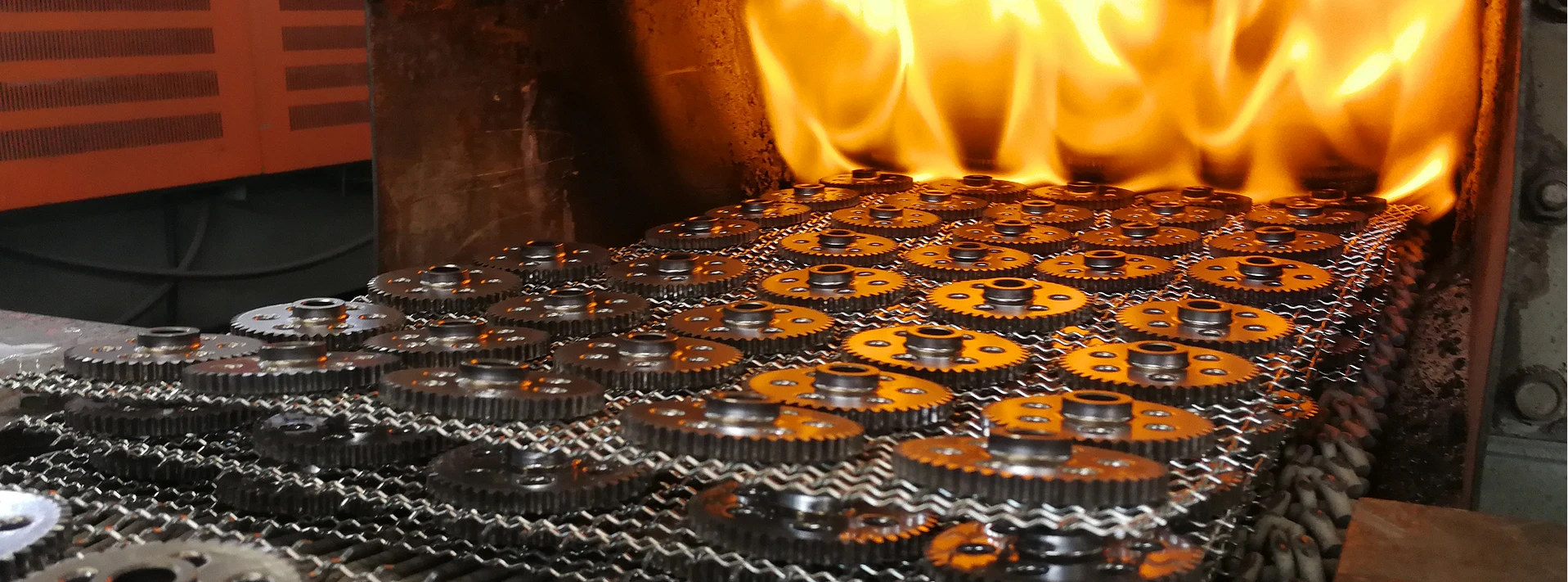
Sintered structural parts are manufactured through powder metallurgy, where metal powders are compacted into desired shapes and then heated below their melting point to form solid components with precise dimensions and superior mechanical properties. This technique enables the production of complex parts such as flanges, brackets, and machinery parts with excellent density, wear resistance, and uniform strength.
The sintering process allows for efficient material usage with minimal waste, which is an advantage over traditional machining or casting methods. Additionally, sintered parts can be designed with internal features and tight tolerances that are difficult to achieve otherwise.
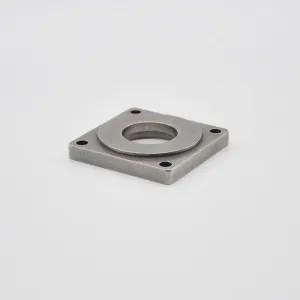
Sintered flanges, in particular, benefit from this technology by offering high load-bearing capacity and superior fatigue resistance, crucial for maintaining tight seals and structural integrity in piping, automotive, and industrial machinery systems.
Application of Structural Components in Machinery and Vehicles
In vehicles such as motorcycles, cars, and industrial machines, structural components like frames, mounts, and flanges must withstand diverse operational stresses including vibrations, shocks, thermal expansion, and cyclic loads. The machinery parts that connect critical subsystems, such as engine brackets or transmission mounts, rely on robust structural integrity to ensure smooth, safe operation.
Frames serve as the core skeleton, distributing forces evenly and providing attachment points for other components. Swing arms and suspension parts must absorb road shocks without compromising stability, typically crafted from aluminum or steel alloys.
Sintered structural parts are increasingly used in these roles due to their ability to deliver consistent mechanical properties and complex geometries, which optimize weight and strength. Components such as sintered flanges are essential in fluid and gas systems, where their durability and precision prevent leaks and maintain system performance.
Benefits of Using Sintered Parts for Structural Applications
The use of sintered structural parts offers numerous benefits. The controlled manufacturing process ensures uniform density and eliminates defects commonly found in cast or forged parts. This results in components with excellent fatigue resistance and wear performance, essential for long-lasting machinery parts subjected to repetitive stress.
Powder metallurgy also enables customization of material compositions, allowing manufacturers to tailor parts for specific strength, corrosion resistance, or thermal properties. This flexibility is especially valuable in producing flanges and other joining components that operate under harsh environmental conditions.
Moreover, sintered parts reduce the need for secondary machining, lowering production costs and shortening lead times. Their dimensional accuracy facilitates easier assembly and compatibility with other parts, improving overall manufacturing efficiency.
Conclusion: High-Quality Structural Components for Enhanced Machinery Performance
Whether in automotive, industrial machinery, or specialized equipment, the quality of structural components determines the reliability and safety of the entire system. Advances in materials and manufacturing technologies, especially the development of sintered structural parts and sintered flanges, have elevated the standards for strength, precision, and durability.
Choosing the right materials and production methods ensures that machinery parts can endure operational stresses, reduce maintenance requirements, and deliver consistent performance over time. As industries demand more efficient and reliable components, sintered technology provides a compelling solution to meet those needs.
Structural Components FAQs
What are the main advantages of sintered structural parts over traditional manufacturing?
Sintered structural parts offer high precision, uniform density, and excellent mechanical properties, such as improved strength and wear resistance. The manufacturing process reduces material waste and allows for complex shapes that are difficult to achieve with casting or machining.
How do sintered flanges improve machinery reliability?
Sintered flanges provide enhanced load-bearing capacity and fatigue resistance, ensuring tight and durable seals in piping and machinery systems. Their dimensional accuracy improves fit and reduces leakage risks, contributing to system safety.
What materials are commonly used for structural components in vehicles?
High-strength steel alloys and aluminum alloys are widely used, balancing rigidity and weight. For high-performance applications, titanium alloys and composites such as carbon fiber may be employed for their superior strength-to-weight ratios.
Why is material selection critical for structural machinery parts?
Material properties directly impact a component’s ability to withstand stress, resist corrosion, and maintain stability over time. Selecting the right material ensures safety, longevity, and optimal performance under operational conditions.
Can sintered structural parts be customized for specific applications?
Yes, powder metallurgy allows customization of metal compositions and part geometries, enabling production of components tailored for particular strength, thermal, or corrosion resistance requirements.









