







High Precision Gear: A Deep Dive into Manufacturing Excellence
In today’s demanding industrial landscape, the need for components with exceptional accuracy and reliability is paramount. High precision gear are at the heart of countless applications, from robotics and aerospace to medical devices and automotive systems. This article explores the manufacturing processes, materials, applications, and future trends surrounding high precision gears. We’ll focus on the importance of choosing the right manufacturer – like JS Sintering – to ensure optimal performance and longevity of these critical components.
Understanding High Precision Gear Manufacturing
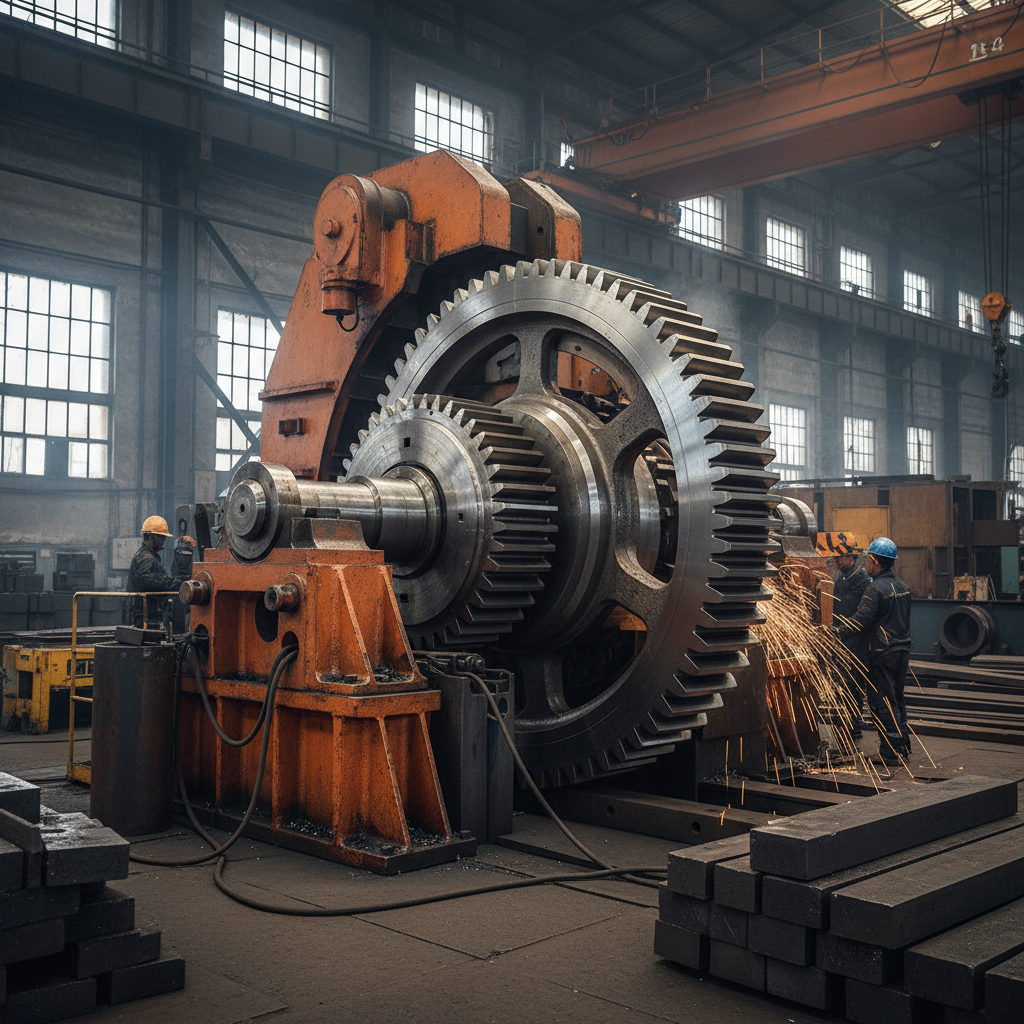
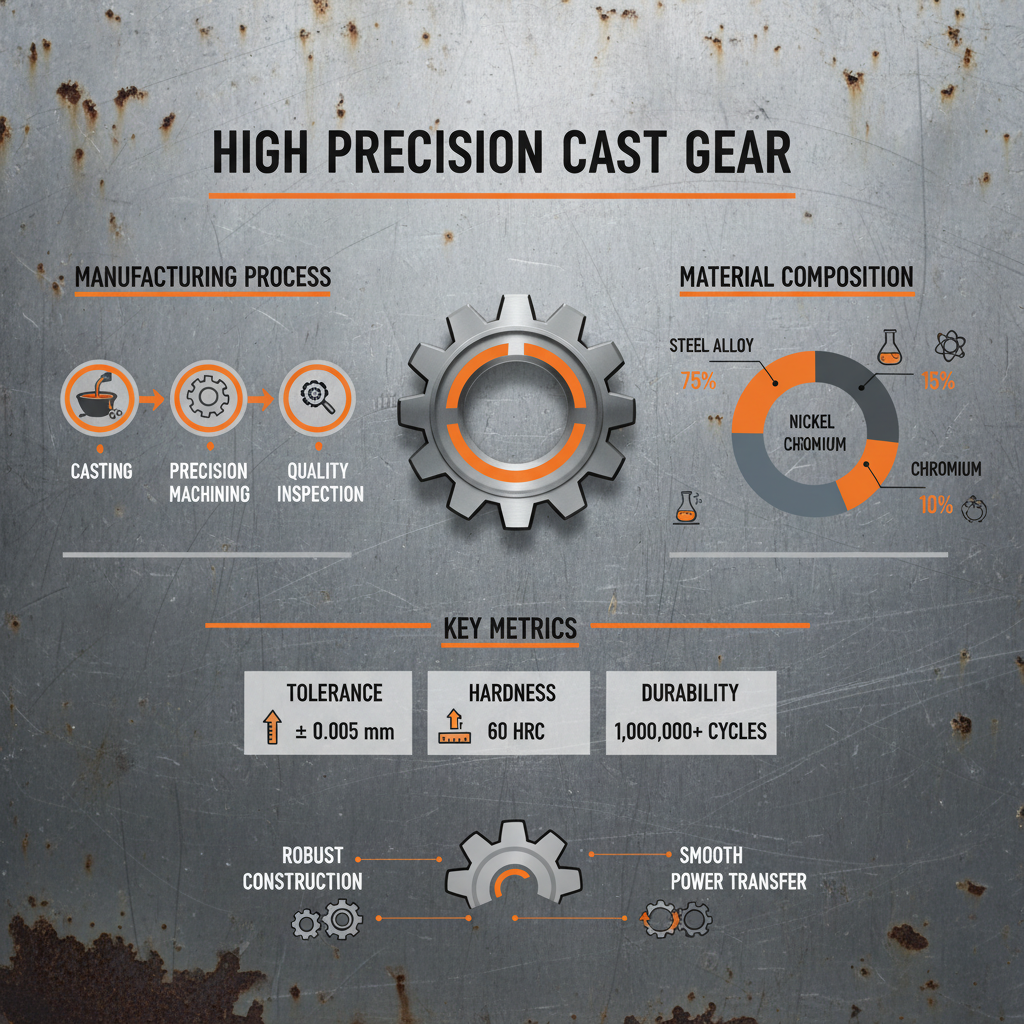
Creating high precision gear requires a confluence of advanced technologies and skilled craftsmanship. While traditional machining methods can produce gears, they often fall short of the tolerances needed for demanding applications. Powder Metallurgy (PM), Electrical Discharge Machining (EDM), and gear grinding are commonly employed. PM offers net-shape forming, reducing material waste and machining time. EDM allows for intricate designs and tight tolerances, and gear grinding provides the ultimate surface finish and accuracy. Selecting the appropriate manufacturing method depends on the gear's complexity, material requirements, and desired precision level.
Materials Selection for Optimal Performance
The material used in a high precision gear significantly impacts its performance, durability, and lifespan. Common materials include various steels (stainless steel, alloy steel, tool steel), ceramics, and plastics. Steel alloys are favored for their strength, wear resistance, and heat treatability. Ceramic gears excel in high-temperature and corrosive environments. Plastics offer lightweight solutions with self-lubricating properties. The choice depends on factors like load capacity, operating temperature, environment, and desired noise levels. JS Sintering possesses extensive experience in working with diverse materials to meet specific application needs.
Key Applications of High Precision Gear
The applications of high precision gear are incredibly diverse. In the aerospace industry, they are critical components in aircraft engines and control systems. Robotics relies heavily on precision gears for accurate movement and positioning. Medical devices, such as surgical instruments and imaging equipment, demand gears with exceptional accuracy and reliability. Automotive applications include transmissions, differentials, and power steering systems. Additionally, industries like instrumentation, automation, and scientific equipment benefit from the precision and performance these gears offer.
Application Highlights: Critical for aerospace, robotics, medical devices, automotive systems, and instrumentation where accuracy and reliability are paramount.
Comparison of Manufacturing Methods for High Precision Gear
Choosing the optimal manufacturing method is crucial. Here's a comparison of common techniques:
Future Trends in High Precision Gear Technology
The field of high precision gear manufacturing is continuously evolving. Additive manufacturing (3D printing) is emerging as a promising technique for creating complex gear geometries and reducing lead times. Micro-gear technology is gaining traction in miniaturized devices. Furthermore, advancements in materials science are leading to the development of stronger, more durable, and lighter-weight gear materials. The integration of artificial intelligence (AI) and machine learning (ML) is also optimizing manufacturing processes and improving quality control.
Conclusion: Partnering for Precision Excellence
Choosing the right partner for your high precision gear needs is critical. JS Sintering offers a wealth of experience, cutting-edge technology, and a commitment to quality. We provide tailored solutions to meet your specific requirements, ensuring optimal performance and reliability. Contact us today to discuss your project and experience the difference precision engineering can make.
Frequently Asked Questions (FAQs)
What tolerances can be achieved with high precision gears?
Achievable tolerances vary depending on the manufacturing method and material. Generally, tolerances can range from ±0.0002 inches for gear grinding to ±0.008 inches for Powder Metallurgy. EDM offers exceptionally tight tolerances, around ±0.0005 inches. JS Sintering specializes in meeting demanding tolerance requirements through careful process control and advanced equipment. The selection of the appropriate manufacturing process is crucial for achieving the desired level of precision, and our team will work with you to identify the optimal approach for your application.
What is the typical lead time for custom high precision gears?
Lead times can vary based on the complexity of the gear, the material used, the quantity required, and our current production schedule. Typically, lead times range from 4 to 12 weeks for custom gears. JS Sintering is committed to providing accurate lead time estimates and efficient production processes. We prioritize clear communication throughout the project to ensure timely delivery without compromising quality. For a precise quote and timeline, please contact our engineering team with your specifications.
Can JS Sintering assist with gear design and material selection?
Yes, absolutely. JS Sintering offers comprehensive design and material selection assistance. Our experienced engineers can collaborate with you to optimize gear designs for performance, manufacturability, and cost-effectiveness. We provide expert guidance on material selection based on your application requirements, considering factors like load capacity, operating environment, and desired lifespan. We can review your existing designs or develop new designs from scratch.









