







Understanding Hardened Gears: Applications & Benefits
In the realm of mechanical power transmission, gears are fundamental components. But when demands for strength, durability, and performance are high, hardened gears become essential. This article will explore the process of hardening gears, the benefits they offer, common applications, and how JS Sintering delivers superior quality in this critical area. We’ll delve into the science behind achieving optimal gear performance and longevity.
What is Gear Hardening?
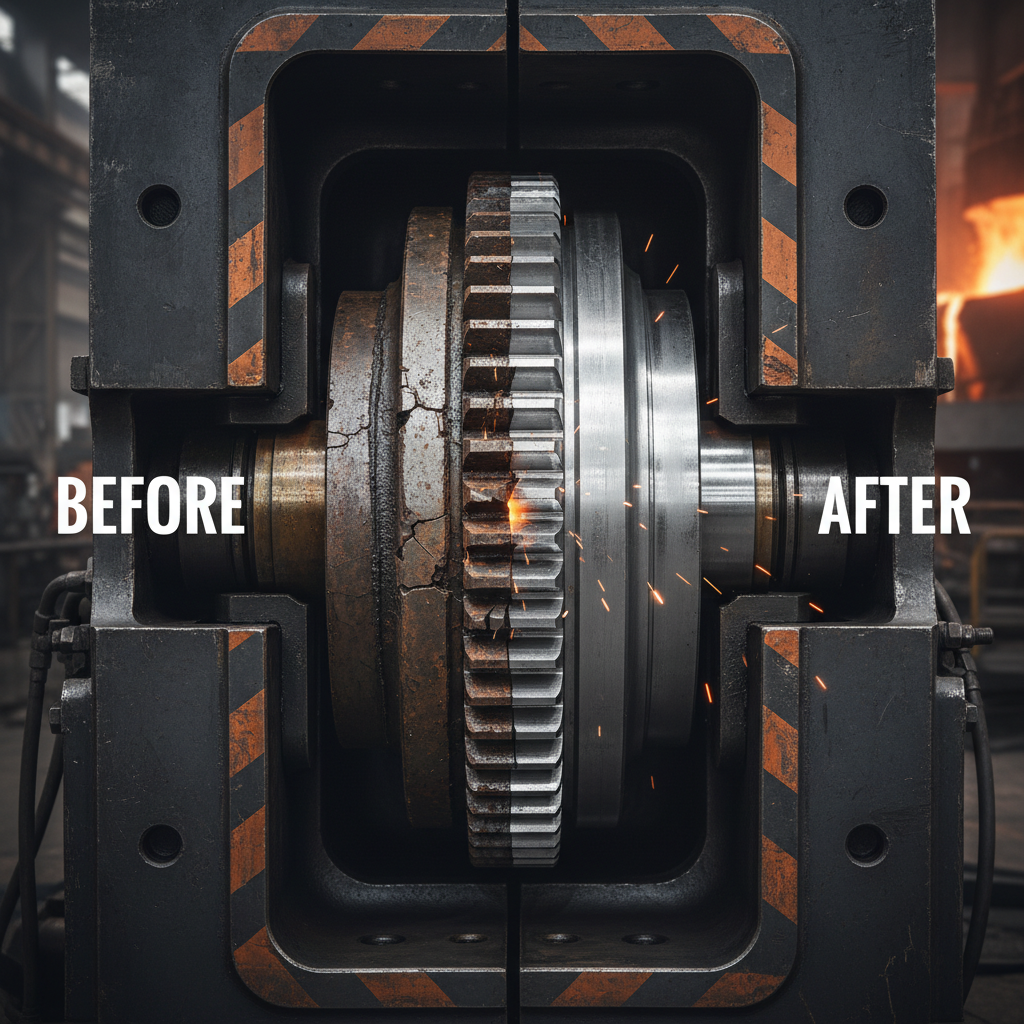
Gear hardening is a heat treatment process used to increase the surface hardness of gears while maintaining a tough core. This is typically achieved through processes like case hardening (carburizing, nitriding) or through-hardening. Case hardening introduces carbon or nitrogen into the surface layer, which is then quenched to create a hard, wear-resistant outer shell. Through-hardening involves heating the entire gear to a critical temperature followed by rapid cooling. The goal is to enhance resistance to wear, pitting, and fatigue failure, especially under heavy loads and high speeds. Hardening significantly extends the lifespan of gears and improves their overall performance.
Key Benefit: Increased surface hardness leads to significantly improved wear resistance and a longer operational life for the gear.
The Importance of Hardened Gears in Modern Engineering
Modern engineering often requires gears to operate under extremely demanding conditions. The use of hardened gears is crucial in these scenarios. They excel in applications requiring high torque transmission, precise positioning, and resistance to wear in harsh environments. Without hardening, gears would quickly fail due to fatigue, pitting, or scuffing, leading to costly downtime and repairs. Utilizing hardened gears minimizes these risks, optimizing the efficiency and reliability of machinery.
Benefits of Hardened Gears:
• Enhanced Wear Resistance
• Increased Load Capacity
• Improved Fatigue Life
• Reduced Noise and Vibration
Comparing Gear Hardening Methods
Several methods are used to harden gears, each offering distinct advantages and disadvantages. Carburizing, nitriding, induction hardening, and flame hardening are the most common. The optimal method depends on factors such as gear material, size, required hardness depth, and production volume. JS Sintering specializes in providing the most suitable hardening solution for your specific application.
Applications of Hardened Gears
The applications for hardened gears are diverse and span across numerous industries. These include automotive transmissions, aerospace components, industrial machinery, robotics, and power generation systems. Anywhere high reliability, efficiency, and long life are required, you'll find hardened gears playing a critical role. From small precision gears to large, heavy-duty components, the process ensures optimal performance in the most challenging environments.
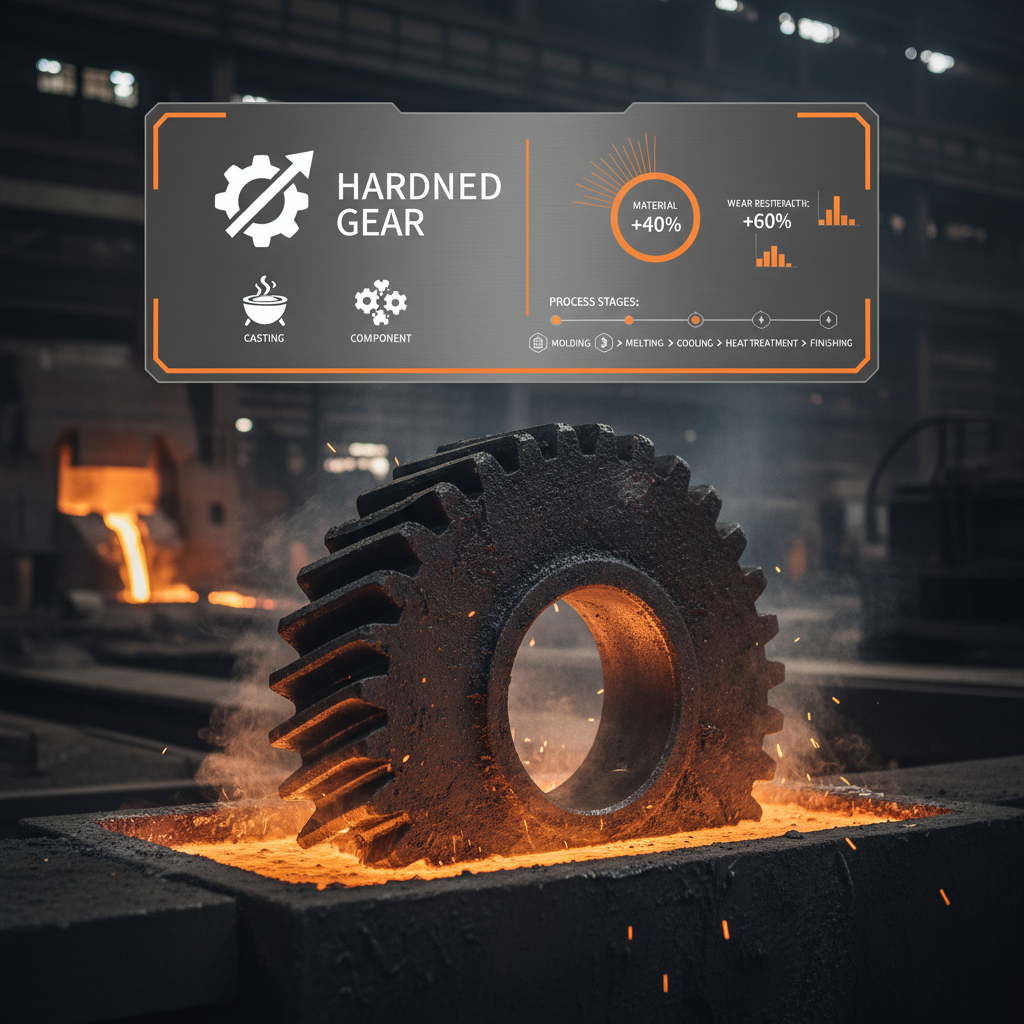
JS Sintering: Your Partner for High-Quality Hardened Gears
At JS Sintering, we specialize in providing custom hardened gears to meet your exact specifications. We utilize advanced heat treatment technologies and rigorous quality control procedures to ensure superior performance and reliability. Our experienced engineers work closely with our clients to select the optimal hardening process and gear material for their specific application. We are committed to delivering exceptional quality and on-time delivery.
Conclusion: Optimizing Performance with Expert Gear Hardening
Investing in high-quality hardened gears from JS Sintering is a smart decision for maximizing the performance, reliability, and longevity of your machinery. Our commitment to precision, quality, and customer satisfaction sets us apart. Contact us today to discuss your gear hardening needs!
Frequently Asked Questions (FAQs)
What materials are best suited for gear hardening?
Common materials include alloy steels like 8620, 4140, and 4340. These steels offer excellent hardenability and toughness. The best choice depends on the specific application requirements, including load, speed, temperature, and operating environment. Carbon steels can also be used, but they generally require more precise heat treatment control to achieve desired hardness levels. JS Sintering can help you select the ideal material for your project.
What are the benefits of through-hardening versus case hardening?
Through-hardening creates a uniform hardness throughout the entire gear, resulting in high strength and wear resistance. It’s suitable for smaller gears or those experiencing lower loads. Case hardening, on the other hand, provides a hard surface layer with a tough, ductile core, ideal for larger gears subjected to high stress and impact. Case hardening offers superior resistance to fatigue and pitting. The choice depends on the specific load and stress conditions of the application.
How does JS Sintering ensure the quality of its hardened gears?
JS Sintering employs rigorous quality control measures throughout the entire hardening process. This includes material certification, precise temperature control, accurate quenching techniques, and thorough hardness testing. We utilize advanced testing equipment and adhere to industry standards to guarantee the consistent quality and performance of our gears.
What is the typical lead time for custom hardened gears?
Lead times vary depending on the complexity of the gear, the quantity required, and the chosen hardening method. However, we strive to provide competitive turnaround times without compromising quality. We will provide a detailed quote and estimated lead time upon receiving your specific requirements. Our efficient production processes and experienced team allow us to meet tight deadlines whenever possible.









