







In the demanding landscape of industrial automation and mechanical power transmission, the selection and implementation of appropriate gear box types are paramount for efficiency, reliability, and operational longevity. Gearboxes are indispensable components designed to transfer mechanical energy, modify torque, and adjust rotational speed between a prime mover and a driven machine. This comprehensive guide delves into the intricate world of gearboxes, exploring their manufacturing processes, diverse applications, technical advantages, and market trends crucial for B2B decision-makers and engineering professionals.
Industry Trends in Gearbox Technology
The industrial gearbox market is continually evolving, driven by the relentless pursuit of higher efficiency, enhanced durability, and smarter integration. Key trends include the miniaturization of gearboxes without compromising power density, the adoption of advanced materials for improved performance under extreme conditions, and the integration of smart technologies for predictive maintenance and real-time monitoring.
- Energy Efficiency: A primary driver, with manufacturers focusing on designing gearboxes that minimize power loss through optimized gear profiles, low-friction bearings, and advanced lubrication systems. This directly translates to reduced operational costs and a smaller carbon footprint, a critical factor for modern industrial gearbox types.
- Smart Gearboxes & IoT Integration: Equipped with sensors to monitor temperature, vibration, speed, and lubricant quality. This data enables predictive maintenance, reducing downtime and extending service life, aligning with Industry 4.0 principles.
- Modularity and Customization: Increasing demand for modular designs that allow for flexible configurations and easier maintenance, alongside highly customized solutions tailored to specific application requirements.
- Advanced Materials: Exploration of composite materials and specialized alloy steels offering superior strength-to-weight ratios, corrosion resistance, and thermal stability.
- Noise and Vibration Reduction: Continuous efforts to minimize operational noise and vibration, crucial for ergonomic workspaces and precision applications.
These trends reflect a market demand for more intelligent, robust, and environmentally conscious solutions in power transmission, making the understanding of various gear box types more critical than ever.
Process Flow: Manufacturing of Industrial Gearboxes
The manufacturing of high-quality industrial gearboxes is a sophisticated process requiring precision engineering, advanced material science, and rigorous quality control. The process typically encompasses several critical stages:
1. Design and Engineering
- Conceptualization & Simulation: Utilizing advanced CAD (Computer-Aided Design) and CAE (Computer-Aided Engineering) software, engineers design gear profiles, housing structures, and shaft layouts. Finite Element Analysis (FEA) is employed to simulate stress distribution, thermal performance, and vibration characteristics under various load conditions.
- Material Selection: Critical for performance and longevity. Common materials include high-strength alloy steels (e.g., 42CrMo4, 18CrNiMo7-6) for gears and shafts, offering excellent wear resistance and toughness after heat treatment. Housings are often made from high-grade cast iron (e.g., GG20, GGG40) or fabricated steel for rigidity and vibration dampening. For applications requiring lightweight components or corrosion resistance, specialized aluminum alloys or stainless steel may be used.
2. Component Manufacturing
- Blanks Preparation: Gears and shafts begin as raw material blanks, often produced through forging or casting. Forging provides superior grain structure and mechanical properties, making it ideal for high-stress gears. Casting is typically used for complex housing shapes.
- CNC Machining: Precision CNC (Computer Numerical Control) machines are used to turn, mill, and bore shafts, gears, and housing components to exact dimensions. Tolerances are extremely tight, often in the micron range, to ensure proper meshing and minimal backlash between different types of gears.
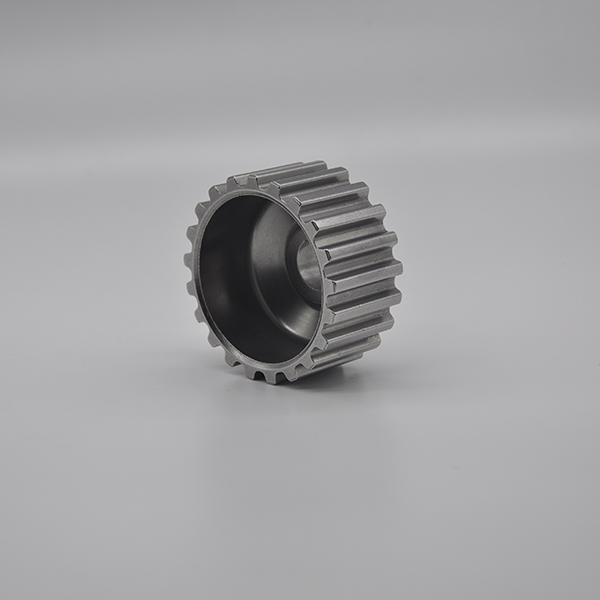
- Gear Cutting: This is a highly specialized process involving hobbing, shaping, or milling to create the intricate tooth profiles. The choice of method depends on the gear type (e.g., spur, helical, bevel, worm) and required precision.
- Heat Treatment: Gears undergo various heat treatment processes like carburizing, nitriding, or induction hardening. Carburizing, for instance, creates a hard wear-resistant surface while maintaining a tough core, significantly extending the service life of the gears. This step is crucial for achieving the desired hardness and fatigue strength.
- Grinding & Finishing: After heat treatment, gears are precision ground to achieve final dimensional accuracy, surface finish, and correct tooth geometry. This minimizes noise, increases efficiency, and enhances load-carrying capacity.
3. Assembly and Testing
- Assembly: Experienced technicians meticulously assemble the gears, shafts, bearings, and seals into the gearbox housing. Proper bearing preload and gear mesh alignment are critical at this stage.
- Quality Control & Testing: Each gearbox undergoes rigorous testing to ensure it meets design specifications and performance standards.
- Dimensional Inspection: Using CMM (Coordinate Measuring Machine) and other precision instruments.
- Non-Destructive Testing (NDT): Such as magnetic particle inspection or ultrasonic testing to detect internal flaws in critical components.
- Run-in and Load Testing: Gearboxes are operated under various load conditions to check for noise, vibration, temperature rise, and lubrication integrity.
- Efficiency Measurement: To verify power transmission efficiency.
- Testing Standards: Adherence to international standards like ISO 6336 (calculation of load capacity of spur and helical gears), ANSI/AGMA (American Gear Manufacturers Association) standards, and ISO 9001 for quality management.
Service Life and Target Industries
The typical service life of a well-maintained industrial gearbox can range from 10 to 20 years, or even more, depending on load cycles, environmental conditions, and maintenance regularity. Robust design and high-quality manufacturing are critical.
These sophisticated manufacturing processes yield industrial gearbox types that are vital across a multitude of heavy industries:
- Petrochemical: For pumps, compressors, and agitators, requiring high reliability and explosion-proof designs.
- Metallurgy: In rolling mills, conveyors, and cranes, handling immense loads and harsh conditions.
- Water Supply & Drainage: Essential for pump stations, filtration systems, and mixing equipment, often requiring corrosion-resistant materials.
- Mining & Cement: For crushers, conveyors, and rotary kilns, demanding extreme durability and dust resistance.
- Power Generation: In cooling towers, coal mills, and turbine auxiliaries.
Advantages in typical application scenarios include significant energy saving through optimized efficiency, superior corrosion resistance due to specialized coatings and material selection, and exceptional reliability, minimizing unscheduled downtime.
Technical Specifications and Types of Gearboxes
Understanding the technical parameters and distinctions between gear box types is fundamental to selecting the optimal solution for any industrial application. Each type offers specific characteristics best suited for particular requirements concerning torque, speed, space, and precision.
Key Gearbox Types:
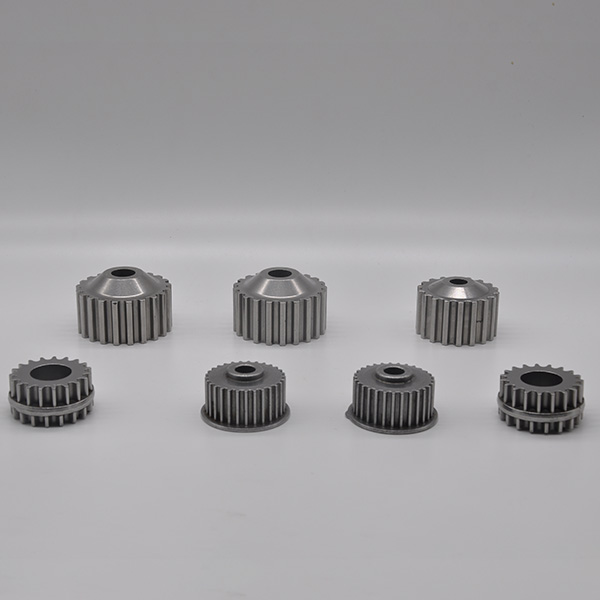
- Spur Gearboxes: Featuring straight teeth parallel to the axis of rotation, spur gears are the simplest and most common. They are highly efficient but can be noisy at high speeds. Ideal for applications requiring moderate torque and speed, and where noise is not a critical factor.
- Helical Gearboxes: With teeth cut at an angle to the gear face, helical gears provide smoother and quieter operation than spur gears due to gradual tooth engagement. They can also carry more load because of the increased contact ratio. Used extensively in applications requiring high speeds and loads, such as conveyors and machine tools.
- Bevel Gearboxes: These gears are conical in shape and transmit power between intersecting shafts, typically at a 90-degree angle. They are crucial for applications requiring angular power transmission, such as printing presses and differential drives.
- Worm Gearboxes: Consisting of a worm (screw-like gear) and a worm wheel, these gearboxes offer high reduction ratios in a compact footprint. They are inherently self-locking, preventing back-driving, making them suitable for lifting and hoisting applications. However, efficiency is generally lower due to sliding friction.
- Planetary Gearboxes: Characterized by a central sun gear, multiple planet gears, and an outer ring gear. Planetary gearboxes offer high torque density, compactness, and excellent efficiency, making them ideal for robotics, automation, and aerospace applications where space is limited and high precision is required.
- Harmonic Drive Gearboxes: Highly specialized, offering extremely high precision, zero backlash, and very high reduction ratios in a compact, lightweight package. Primarily used in precision robotics, aerospace, and medical equipment.
Comparative Specifications of Industrial Gearbox Types
| Gearbox Type | Typical Reduction Ratio Range | Efficiency Range (%) | Noise Level | Backlash | Key Advantages |
|---|---|---|---|---|---|
| Spur | 1:1 to 6:1 (single stage) | 95-98 | Moderate to High | Standard | Simple, Cost-effective |
| Helical | 1:1 to 10:1 (single stage) | 96-99 | Low to Moderate | Good | Smooth, High Load Capacity |
| Bevel | 1:1 to 5:1 (single stage) | 95-97 | Moderate | Standard | Right-angle drive |
| Worm | 5:1 to 100:1 (single stage) | 50-90 (varies with ratio) | Low | Self-locking feature | High Ratio, Compact, Self-locking |
| Planetary | 3:1 to 100:1+ (multi-stage) | 90-97 | Low | Low | High Torque Density, Compact, High Precision |
Application Scenarios and Technical Advantages
The diverse range of gear box types finds application in virtually every sector of modern industry. Their technical advantages stem from their ability to precisely control power transmission.
Key Application Scenarios:
- Material Handling: Conveyor systems, hoists, and cranes utilize helical and worm gearboxes for reliable speed reduction and torque multiplication. Their robust design ensures continuous operation in demanding environments.
- Robotics & Automation: Planetary and Harmonic Drive gearboxes are indispensable for robotic arms and precision positioning systems, offering high torque density, minimal backlash, and compact form factors essential for precise motion control.
- Food & Beverage Processing: Stainless steel gearboxes with specialized seals are used in mixers, agitators, and packaging machinery, meeting stringent hygiene standards while delivering reliable power.
- Wind Power Generation: Large industrial gearbox types are at the heart of wind turbines, converting the slow rotation of rotor blades into high-speed rotation for generators, demanding extreme durability and efficiency.
- Textile Industry: Precision gearboxes regulate the speed and tension in spinning, weaving, and finishing machinery, where consistent motion is crucial for product quality.
Technical Advantages:
- Torque Multiplication & Speed Reduction: The primary function, enabling motors to operate at their optimal speed while providing the necessary torque for the driven machine.
- Precision & Accuracy: Low-backlash gearboxes are critical for applications requiring exact positioning and repeatable movements, enhancing overall system accuracy.
- Durability & Reliability: Constructed from high-strength materials and engineered for demanding loads, industrial gearboxes offer exceptional longevity and consistent performance, minimizing operational interruptions.
- Efficiency: Modern gearbox designs achieve high energy transfer efficiency, reducing power consumption and operating costs. For example, high-efficiency helical and planetary gearboxes can achieve over 95% efficiency.
- Space Optimization: Compact gearbox designs, particularly planetary and parallel shaft types, allow for integration into confined spaces, crucial for modern machinery design.
- Shock Load Absorption: Gearboxes act as a buffer, absorbing shocks and vibrations from both the motor and the driven machine, protecting other components and extending system life.
Vendor Comparison and Customized Solutions
Selecting the right gearbox vendor is as crucial as choosing the right gear box types. A reputable vendor offers not only high-quality products but also comprehensive support, expertise, and the ability to provide tailored solutions.
Key Criteria for Vendor Selection:
- Expertise and Experience: Look for vendors with decades of experience in the power transmission industry, demonstrating deep knowledge of different types of gears and complex application requirements.
- Certifications & Quality Standards: Adherence to international standards such as ISO 9001, AGMA (American Gear Manufacturers Association) standards, and CE marking ensures product quality and compliance.
- Product Range & Customization: A broad portfolio of standard industrial gearbox types is beneficial, but the ability to engineer and manufacture customized solutions for unique applications is often paramount.
- After-Sales Support: Availability of technical support, spare parts, and maintenance services is critical for long-term operational success.
- Technological Innovation: Vendors investing in R&D for new materials, smart features, and improved efficiency are often at the forefront of the industry.
Conceptual Vendor Comparison Table:
| Feature | Vendor A (Specialist) | Vendor B (Broad Portfolio) | Vendor C (Cost-Effective) |
|---|---|---|---|
| Years in Business | 40+ | 25+ | 15+ |
| Core Focus | High-precision, heavy-duty | Standard & semi-custom | Volume production, standard |
| Certifications | ISO 9001, AGMA, ATEX | ISO 9001, CE | ISO 9001 |
| Customization Capability | High (tailored design & manufacturing) | Moderate (modifications of standard models) | Limited (standard catalogue only) |
| Technical Support | Excellent (24/7, on-site) | Good (business hours, remote) | Basic (email/phone) |
| Typical Lead Time | 8-16 weeks (custom) | 4-8 weeks (standard) | 2-6 weeks (standard) |
Customized Solutions: Tailored for Optimal Performance
While standard gear box types meet many industrial needs, unique applications often demand customized solutions. This includes specific reduction ratios, unique input/output configurations, specialized materials for corrosive environments, integrated cooling systems for high thermal loads, or designs optimized for extreme temperatures. Customization ensures perfect integration into existing machinery, maximizing performance and minimizing installation complexities. For instance, in an offshore drilling platform, a gearbox might require specialized sealing for saltwater exposure and increased shock load capacity, which standard units may not provide.
Application Case Studies
Case Study 1: High-Precision Robotics for Automotive Assembly
An automotive manufacturer faced challenges with traditional gearboxes in their robotic welding arms, specifically high backlash leading to reduced welding accuracy and frequent recalibration. They sought a solution that could provide extreme precision and high stiffness.
- Challenge: Inaccurate robot positioning due to backlash in standard gearboxes, affecting weld quality and production throughput.
- Solution: Implementation of specialized Harmonic Drive gear box types with near-zero backlash and high torsional stiffness. These units were integrated into each axis of the robotic arm.
- Outcome: The precision of robotic movements improved by 70%, reducing welding errors by 45%. Recalibration frequency was cut by 80%, leading to significant increases in uptime and overall production efficiency. The compact nature of the Harmonic Drive units also allowed for more streamlined robot designs.
Case Study 2: Heavy-Duty Conveyor System in a Cement Plant
A major cement production facility experienced recurring failures in their main clinker conveyor system due to the extreme dust, abrasive materials, and constant heavy loads. The existing helical gearboxes were struggling to cope with the harsh environment, leading to costly downtime.
- Challenge: Frequent gearbox failures, excessive wear on different types of gears, and bearing issues in a high-dust, high-load, high-vibration environment.
- Solution: A custom-engineered, heavy-duty helical bevel gearbox with enhanced sealing (IP67 rating), reinforced bearings, and specialized hardened alloy steel gears was designed and installed. The gearbox featured an integrated oil cooling system to manage thermal loads effectively.
- Outcome: The new industrial gearbox types operated flawlessly for over five years without a single unscheduled shutdown related to the gearbox. Maintenance intervals were extended by 150%, and the overall operational efficiency of the conveyor system improved due to reduced frictional losses. The investment resulted in a 30% reduction in maintenance costs over the period.
Trustworthiness & Support
Frequently Asked Questions (FAQ)
Q: How do I choose the correct gearbox for my application?
A: Selection depends on several factors, including required output torque, input speed, reduction ratio, application type (continuous or intermittent duty), environmental conditions (temperature, dust, moisture), mounting orientation, and desired service life. Consulting with our engineering team is highly recommended to ensure optimal selection from the various gear box types.
Q: What are the common causes of gearbox failure?
A: Common causes include improper lubrication, overloading, misalignment, pitting or wear of gear teeth, bearing failure, and operating outside specified temperature ranges. Regular maintenance and proper installation are crucial to prevent these issues.
Q: Can your gearboxes be used in corrosive environments?
A: Yes, we offer specialized gear box types with specific material selections (e.g., stainless steel housings, corrosion-resistant coatings) and sealing options designed for harsh and corrosive environments, such as those found in marine or chemical processing industries.
Lead Time & Fulfillment
Standard industrial gearboxes typically have a lead time of 4-8 weeks, depending on inventory and specific configurations. For highly customized solutions or specialized industrial gearbox types, lead times may extend to 12-20 weeks, encompassing design, material procurement, manufacturing, and rigorous testing phases. We maintain transparent communication regarding project timelines and milestones.
Warranty Commitments
All our gearboxes are backed by a comprehensive 12-month warranty from the date of installation or 18 months from the date of shipment, whichever comes first. This warranty covers defects in materials and workmanship under normal operating conditions. Extended warranty options are available upon request for critical applications, demonstrating our confidence in the quality of our different types of gears and assemblies.
Customer Support & After-Sales Service
Our commitment extends beyond delivery. We provide dedicated technical support, including troubleshooting, maintenance advice, and spare parts supply for all gear box types. Our team of experienced engineers is available for consultation, on-site service, and training programs to ensure the optimal performance and longevity of your investment. Emergency support services can also be arranged to minimize critical downtime.
Authoritative References
- ISO 6336-1:2019, Calculation of load capacity of spur and helical gears — Part 1: Basic principles, introduction and general influence factors. International Organization for Standardization.
- AGMA 2001-D04, Fundamental Rating Factors and Calculation Methods for Involute Spur and Helical Gear Teeth. American Gear Manufacturers Association.
- Norton, R. L. (2019). Machine Design: An Integrated Approach (6th ed.). Pearson.
- Dudley, D. W. (1984). Handbook of Practical Gear Design. McGraw-Hill.
- Bhandari, V. B. (2010). Design of Machine Elements. Tata McGraw-Hill Education.









