




Introduction to Helical Gears
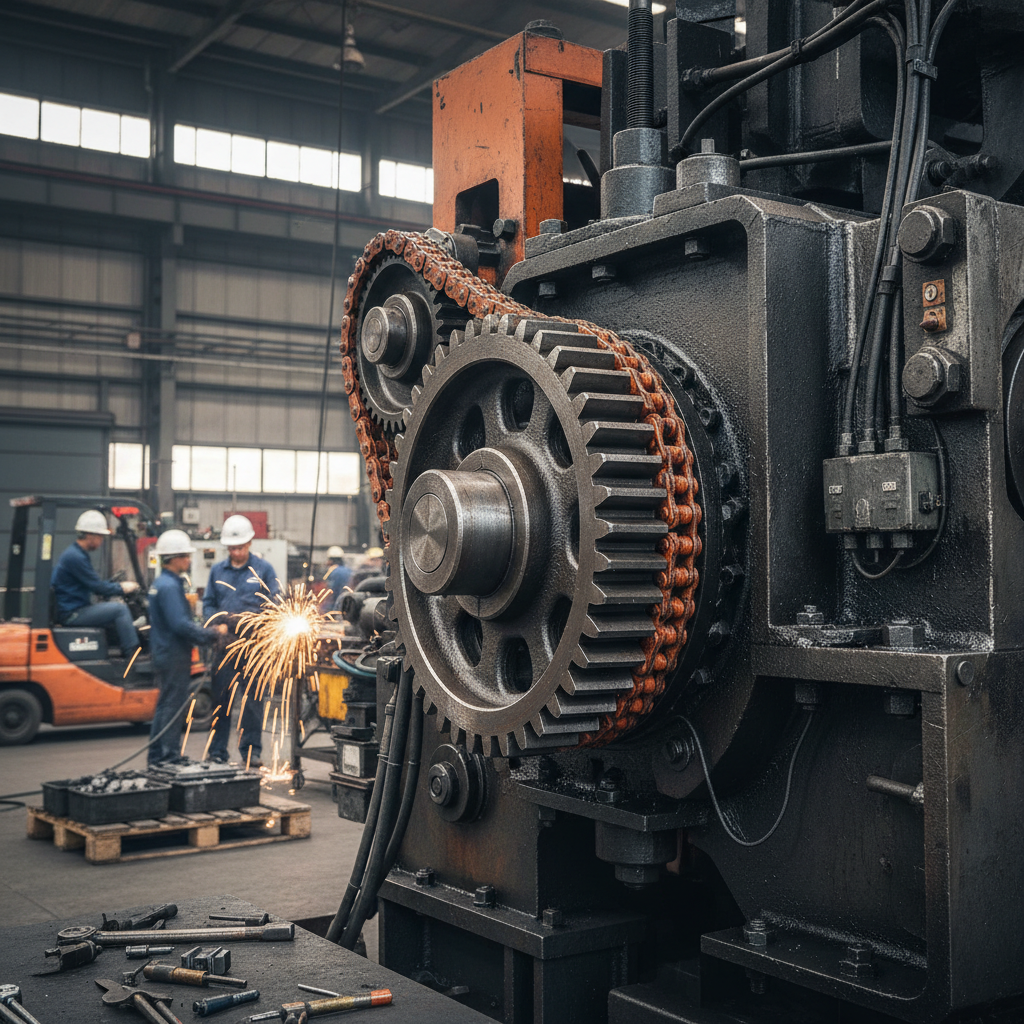
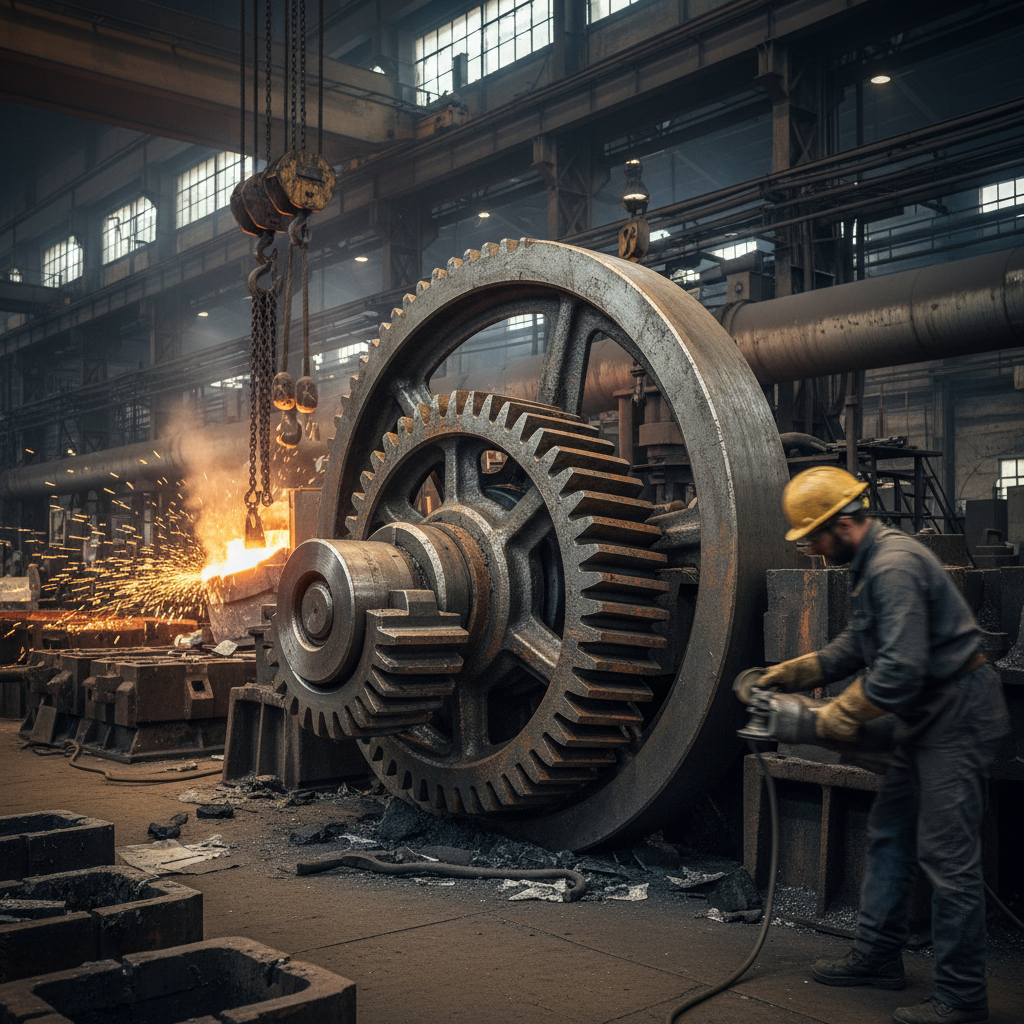
In the realm of mechanical power transmission, the choice of gearing profoundly impacts system performance, efficiency, and longevity. Among the various gear types, helical gears stand out for their exceptional operational characteristics, particularly in applications demanding high speed, substantial load capacity, and quiet operation. Unlike spur gears, which feature teeth cut parallel to the gear's axis, helical gears have teeth that are angled, or "helix," relative to the axis of rotation. This design ensures a more gradual and continuous engagement between mating teeth, leading to smoother power transfer and significantly reduced noise and vibration. This characteristic makes them indispensable in numerous industrial sectors, from automotive transmissions to heavy machinery and sophisticated robotics.
The unique geometry of helical gears allows for greater tooth contact area and a smoother rolling action, distributing the load over multiple teeth simultaneously. This engineering advantage translates into higher torque capabilities and extended service life compared to their spur gear counterparts. Our expertise in advanced manufacturing techniques, including precision sintering and CNC machining, enables the production of high-quality gear components optimized for specific performance requirements across diverse industries.
Manufacturing Process of Helical Gears
The production of high-performance helical gears involves a meticulous multi-stage manufacturing process, combining advanced material science with precision engineering. The selection of materials and the adherence to rigorous process controls are paramount to achieving the desired mechanical properties and dimensional accuracy.
Materials Selection
Material choice is dictated by the application's load, speed, environmental conditions, and required service life. Common materials include alloy steels such as AISI 4140, 8620, and 9310, selected for their excellent hardenability, tensile strength, and fatigue resistance. For applications requiring cost-effectiveness and intricate geometries, advanced powdered metal (PM) compositions are increasingly utilized. PM alloys, often based on iron with alloying elements like nickel, copper, and molybdenum, offer a balance of strength, wear resistance, and the ability to produce near-net-shape components, minimizing subsequent machining. The specific properties are tailored through precise powder blending and subsequent heat treatments.
Detailed Process Flow
- 1. Design and Engineering: Utilizing CAD/CAM software (e.g., SolidWorks, AutoCAD Mechanical) and Finite Element Analysis (FEA), gear designs are optimized for tooth profile (typically involute), helix angle, pressure angle, module, and face width. This ensures optimal load distribution, minimal stress concentration, and adherence to AGMA (American Gear Manufacturers Association) or ISO (International Organization for Standardization) standards for quality and performance.
-
2. Material Preparation & Forming:
- For traditional machining: Raw material (e.g., steel bar stock or forgings) is cut into blanks.
- For sintered gears: Carefully blended metal powders are compacted in precision dies under high pressure (typically 400-800 MPa) to form a "green" compact, representing the near-net shape of the gear.
-
3. Machining (Hobbing, Milling, or Sintering):
- For traditionally machined gears: CNC hobbing and milling machines precisely cut the helical tooth profiles. Gear shaping may be used for internal gears or specific geometries.
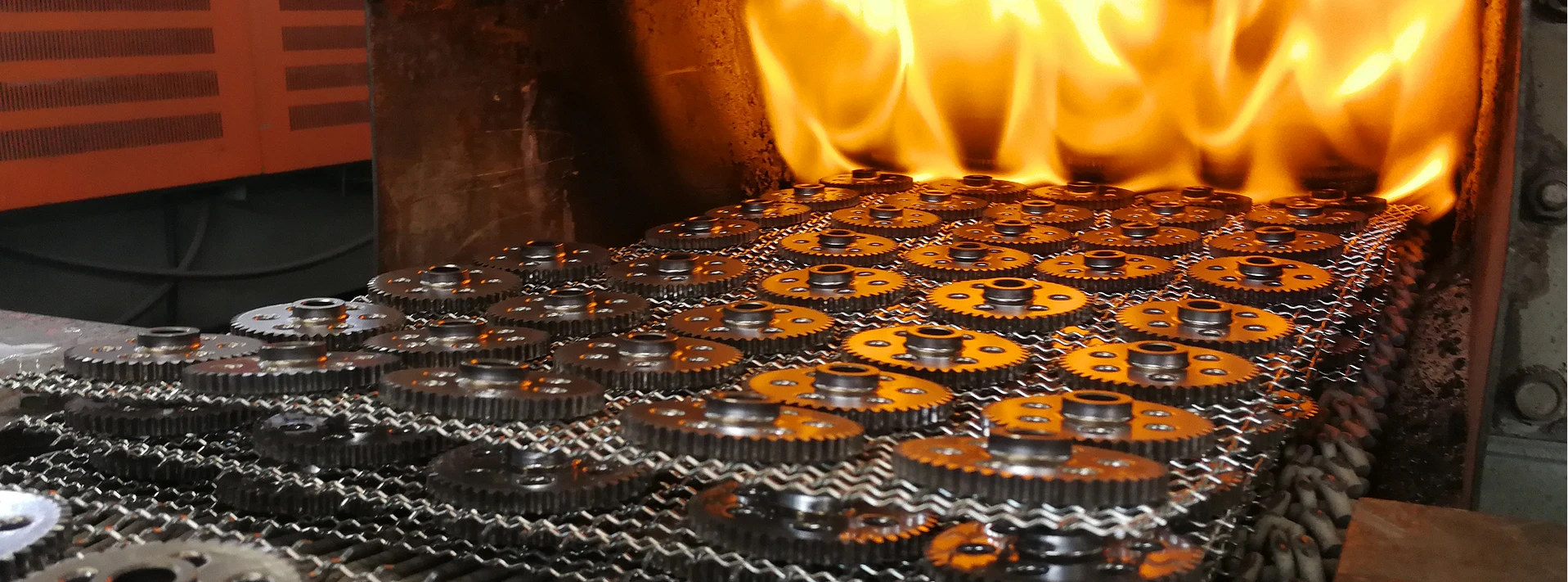
- For sintered gears: The green compacts undergo sintering in a controlled atmosphere furnace (e.g., hydrogen-nitrogen or dissociated ammonia) at temperatures below the melting point (typically 1100-1300°C). This process causes particle bonding and densification, giving the gear its final strength and dimensional stability.
- 4. Heat Treatment: To enhance surface hardness, wear resistance, and core toughness, gears undergo various heat treatments. Common methods include carburizing (for case hardening), nitriding (for improved fatigue strength and corrosion resistance), and induction hardening (for localized hardening). This step is critical for ensuring the longevity and load-bearing capacity of the helical gears.
- 5. Finishing Operations: Post-heat treatment, precision grinding, honing, or lapping may be performed to achieve extremely tight tolerances on tooth profile, lead, and surface finish (e.g., Ra values as low as 0.2-0.4 µm). This step is vital for minimizing backlash, reducing noise, and maximizing efficiency.
- 6. Quality Control and Testing: Throughout the process, rigorous quality control measures are implemented. Gears are inspected for dimensional accuracy using CMMs (Coordinate Measuring Machines), optical comparators, and dedicated gear measurement systems. Tooth profile, helix angle, runout, pitch, and lead deviations are checked against ISO 1328 or AGMA 2015 standards. Material properties are verified through hardness testing (e.g., Rockwell, Vickers), metallurgical analysis (microstructure, case depth), and non-destructive testing (NDT) such as magnetic particle inspection for surface cracks.
This comprehensive approach ensures that each helical gear meets the highest standards for precision, durability, and performance, ready for demanding industrial applications.
Industry Trends and Technical Advancements
The gearing industry, particularly for specialized components like helical gears, is continually evolving, driven by demands for higher efficiency, increased power density, reduced noise, and enhanced reliability. Several key trends are shaping the future of gear manufacturing and application:
- Miniaturization and Lightweighting: With the rise of electric vehicles, robotics, and aerospace applications, there's an increasing need for compact and lightweight gearboxes. This drives innovation in high-strength materials, advanced heat treatments, and precision manufacturing techniques like sintering that can achieve high performance in smaller packages.
- Electrification and Noise Reduction: Electric powertrains place a premium on quiet operation, making the inherent low-noise characteristics of helical gears even more critical. Research focuses on optimizing tooth geometry, surface finishes, and advanced lubrication systems to further minimize NVH (Noise, Vibration, and Harshness) levels.
- Additive Manufacturing (AM) for Prototypes and Complex Geometries: While mass production of gears via AM is still emerging, it's increasingly used for rapid prototyping of complex helical gear designs and for producing specialized, low-volume components with intricate internal structures or material gradients, offering unprecedented design freedom.
- Smart Manufacturing and Industry 4.0 Integration: The integration of IoT sensors, real-time monitoring, and predictive analytics in gear manufacturing processes is becoming standard. This allows for continuous optimization of production parameters, proactive maintenance of machinery, and enhanced quality assurance, leading to greater efficiency and reduced waste.
- Advanced Materials and Surface Engineering: Development of new alloy steels, ceramic-metal composites, and specialized coatings (e.g., DLC - Diamond-like Carbon) are enhancing the wear resistance, fatigue life, and corrosion resistance of gears, allowing them to operate under more extreme conditions and for longer durations.
These trends collectively push the boundaries of gear technology, ensuring that helical gears continue to be a vital component in the next generation of industrial and consumer machinery.
Technical Specifications and Performance Parameters
Understanding the technical specifications of helical gears is crucial for proper selection and integration into any mechanical system. These parameters define the gear's geometry, material properties, and expected performance characteristics, ensuring optimal power transmission and operational reliability.
| Parameter | Description | Typical Range/Value |
|---|---|---|
| Module (m) / Diametral Pitch (DP) | Gear tooth size; Module in mm, DP in teeth/inch | 0.5 to 10 (Module); 2 to 48 (DP) |
| Pressure Angle (α) | Angle of the tooth profile relative to the tangent of the pitch circle | 20° (common), 14.5°, 25° |
| Helix Angle (β) | Angle of the tooth face with respect to the gear axis | 5° to 45° (common: 15°, 23°, 30°) |
| Face Width (F) | Axial length of the gear tooth | 5mm to 100mm+ (application dependent) |
| Material | Alloy steel, powdered metal, cast iron | AISI 4140, 8620, Fe-Ni-Cu-Mo (PM) |
| Surface Hardness | Resistance to indentation and wear (post-treatment) | 58-62 HRC (case hardened) |
| Quality Grade (AGMA) | Precision level of manufacturing (lower number = higher precision) | AGMA 8-12 (for precision industrial gears) |
| Efficiency | Percentage of input power transferred to output power | 96-98% (single stage) |
The choice between various gear types is critical, and a comparison highlights the distinct advantages of helical gears:
| Feature | Helical Gears | Bevel Gears | Worm Gears |
|---|---|---|---|
| Axis Orientation | Parallel or non-parallel, non-intersecting | Intersecting | Non-parallel, non-intersecting (typically 90°) |
| Noise/Vibration | Very Low (due to gradual tooth engagement) | Moderate to High (depending on type, e.g., straight vs. spiral bevel) | Moderate to Low (often self-locking) |
| Load Capacity | High (multiple teeth in contact) | High | Very High (for the worm gear, but limited by worm strength) |
| Efficiency | Very High (96-98%) | High (90-98%) | Low to Moderate (30-90%, depends on ratio) |
| Speed Range | High Speed | Moderate to High Speed | Low Speed, High Reduction Ratios |
| Application Highlight | Transmissions, Machine Tools, Pumps | Differentials, Right-Angle Drives | Conveyors, Hoists, Indexing Mechanisms |
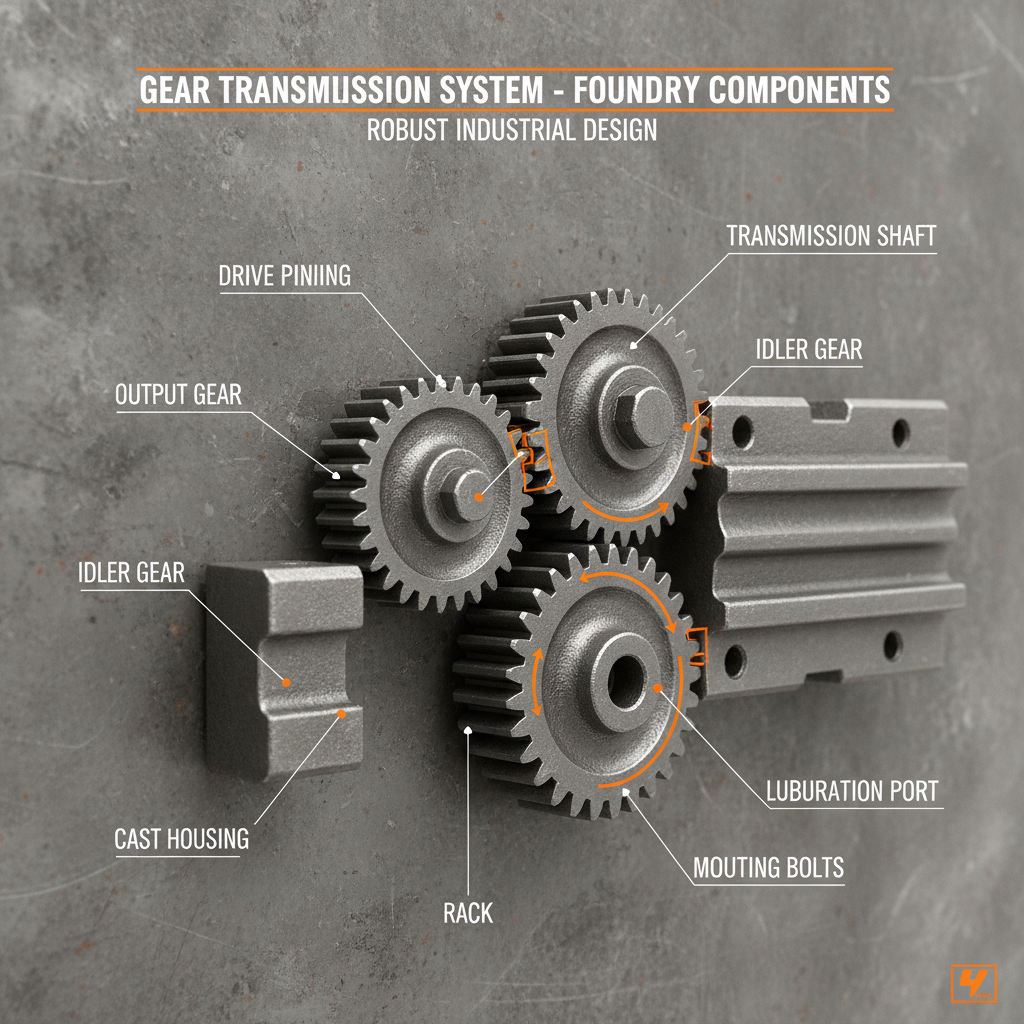
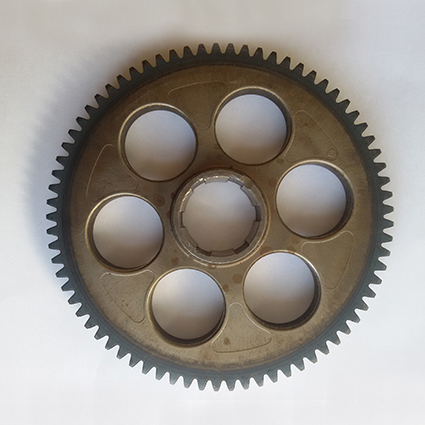
The table underscores the superior efficiency and noise reduction of helical gears, making them a preferred choice for applications where smooth, high-speed, and high-load power transmission is paramount. The pinion, often a smaller helical gear meshing with a larger one, further exemplifies this principle in many transmission systems.
Application Scenarios and Target Industries
The versatility and robust performance of helical gears make them indispensable across a broad spectrum of industrial applications. Their ability to transmit power smoothly and efficiently under heavy loads and at high speeds positions them as a critical component in various sectors:
- Petrochemical Industry: Used in pumps, compressors, mixers, and agitators that operate continuously under demanding conditions, requiring reliable and efficient power transfer. The high load capacity and smooth operation of helical gears ensure long service life in corrosive or high-temperature environments.
- Metallurgy and Heavy Manufacturing: Found in rolling mills, extruders, heavy-duty conveyors, and cranes. These applications demand gears capable of handling immense torque and shock loads, where the gradual tooth engagement of helical gears minimizes impact and wear, extending equipment lifespan.
- Water Supply & Drainage Systems: Employed in large-scale pump drives, filtration equipment, and valve actuators. Here, the energy efficiency and quiet operation contribute to lower running costs and reduced environmental impact.
- Automotive and Transportation: A cornerstone of modern transmissions (manual and automatic), differentials, and power steering systems. The low noise, high efficiency, and compact design are crucial for passenger comfort and fuel economy. Double helical gears further eliminate axial thrust in these applications.
- Machine Tools and Robotics: Essential for precision indexing, spindle drives, and axis movements where accuracy, repeatability, and minimal backlash are paramount. The smooth motion provided by helical gears directly translates to higher machining quality and robotic precision.
- Wind Turbines and Renewable Energy: Utilized in gearbox assemblies to convert slow, high-torque rotor speeds into faster, lower-torque generator speeds. The robustness and efficiency of large helical gears are critical for reliable power generation.
Key Advantages in Typical Application Scenarios
- Energy Saving: Due to continuous tooth engagement and optimized rolling contact, helical gears exhibit higher efficiency (typically 96-98% for a single stage) compared to other gear types, leading to significant energy savings over the operational lifespan of machinery.
- Corrosion Resistance: While primarily a material property, the smooth operation and reduced friction inherent in helical designs can contribute to less wear, preserving protective coatings or hardened surfaces that offer corrosion resistance in harsh environments. Specific material selection and surface treatments (e.g., nitriding, coatings) are crucial for direct corrosion resistance.
- Noise and Vibration Reduction: The gradual meshing of helical teeth, where contact initiates at one end and progressively moves along the tooth face, dramatically reduces the impact loading associated with spur gears. This results in significantly quieter operation and reduced vibrational stress on surrounding components, extending the service life of the entire system. Studies show helical gears can reduce noise levels by 5-10 dB compared to spur gears in similar applications.
- High Load-Carrying Capacity: The increased contact ratio and larger number of teeth in contact at any given moment allow helical gears to transmit higher torques and withstand greater shock loads without experiencing premature wear or failure.
Vendor Comparison and Selection Criteria
Selecting the right vendor for helical gears is a critical decision that impacts project timelines, product quality, and long-term operational costs. A thorough evaluation process, focusing on key criteria, ensures a partnership that delivers consistent, high-performance components.
| Criterion | Significance | Key Questions / Indicators |
|---|---|---|
| Manufacturing Capabilities | Ensures ability to produce desired gear types (e.g., precision sintering, CNC hobbing, grinding). | Does the vendor specialize in specific gear types? What is their machine park capacity? |
| Quality Certifications | Demonstrates commitment to consistent quality and adherence to industry standards. | Are they ISO 9001 certified? Do they meet AGMA/DIN/JIS standards for precision gears? |
| Material Expertise | Ability to select and process optimal materials for specific application requirements. | Do they offer a range of alloy steels, powdered metals, and heat treatment options? |
| Customization & Engineering Support | Essential for unique designs, problem-solving, and optimizing performance. | Do they offer design assistance, prototyping, and FEA capabilities? |
| Lead Time & Reliability | Impacts project schedules and inventory management. | What are typical lead times for standard vs. custom orders? What is their on-time delivery record? |
| Cost-Effectiveness | Balance between initial cost and long-term value (performance, durability, support). | Are their pricing structures transparent? Do they offer volume discounts or value engineering? |
| After-Sales Support & Warranty | Ensures problem resolution and confidence in product longevity. | What are their warranty terms? What kind of technical assistance is available post-purchase? |
A comprehensive evaluation based on these criteria helps B2B decision-makers select a partner capable of delivering not just components, but reliable, high-quality power transmission solutions. Manufacturers with a strong track record in precision sintering, coupled with robust quality control and engineering support, often represent the best value proposition.
Customized Solutions and Engineering Support
Standard helical gears may not always perfectly fit unique application requirements. This is where the capability for customized solutions and robust engineering support becomes invaluable. A specialized manufacturer works closely with clients to design, optimize, and produce gears that meet precise operational demands, whether it involves specific material properties, challenging geometries, or strict performance targets.
- Design Consultation and Optimization: Expert engineers collaborate with client teams to analyze application requirements, space constraints, load profiles, and desired service life. Utilizing advanced simulation tools like FEA, designs for helical gears are optimized for stress distribution, thermal performance, and efficiency, ensuring that the final product excels in its intended environment.
- Material Specification Tailoring: Custom solutions often involve selecting or developing specific material compositions. For instance, in applications demanding extreme wear resistance, a powdered metal alloy with tailored lubricant or carbide additives might be formulated. For high-strength applications, specific alloy steels with precise heat treatment recipes are chosen.
- Prototyping and Testing: Before full-scale production, prototypes of customized helical gears are manufactured and rigorously tested. This iterative process allows for real-world validation of design parameters, material performance, and manufacturing processes, minimizing risks and ensuring the final product meets or exceeds expectations.
- Surface Treatment and Finishing: Depending on environmental factors and performance needs, custom gears may receive specialized surface treatments like specific nitriding depths, shot peening for fatigue resistance, or advanced coatings for corrosion or friction reduction.
This level of customization and engineering partnership ensures that even the most complex or niche applications receive power transmission solutions perfectly tailored for optimal performance and longevity.
Application Case Studies and Customer Success
Real-world application demonstrates the tangible benefits and reliability of precision-engineered helical gears. Our commitment to quality and custom solutions has driven success in diverse industrial settings.
Case Study 1: High-Speed Automotive Transmission
Challenge: A leading automotive manufacturer required a compact, high-performance gear set for a new electric vehicle transmission. The primary requirements were exceptionally low noise, minimal backlash, and high torque capacity within a constrained space envelope, crucial for enhancing the EV driving experience.
Solution: We engineered a customized set of precision-ground helical gears manufactured from case-hardened AISI 8620 steel. The design incorporated an optimized helix angle and tooth profile, refined through FEA, to reduce meshing noise and increase load distribution. The gears underwent a meticulous grinding process to achieve an AGMA Quality Level 10, ensuring precise tooth geometry and minimal runout.
Results: The custom helical gear sets significantly reduced transmission noise by an average of 8 dB compared to initial prototypes, meeting the stringent NVH targets. The high precision and material strength contributed to a projected service life exceeding 300,000 km, surpassing industry standards and enhancing the overall perception of vehicle quality and performance.
Case Study 2: Industrial Robotics Actuator
Challenge: A robotics company needed lightweight, high-precision helical gears for the joint actuators of a new generation of collaborative robots. The gears needed to be compact, operate with minimal backlash for precise motion control, and withstand continuous stop-start cycles without premature wear.
Solution: We proposed a solution leveraging advanced powdered metallurgy for the gear bodies, followed by specialized induction hardening for the tooth surfaces. This approach allowed for near-net-shape manufacturing, reducing material waste and machining time, while the PM alloy (Fe-2%Ni-0.8%Mo) provided excellent strength-to-weight ratio. The gear teeth were then precision-machined and finished to achieve the required AGMA 11 quality for minimal backlash.
Results: The custom sintered helical gears provided the critical balance of lightweight design and high precision. The robotic actuators achieved a positional accuracy within ±0.02 mm, a 15% improvement, and demonstrated exceptional durability in simulated lifecycle tests, extending maintenance intervals by 25%. The cost-effectiveness of the PM process also yielded a 10% reduction in unit cost compared to traditional machining methods.
Frequently Asked Questions (FAQ)
Q1: What are the primary advantages of helical gears over spur gears?
A1: Helical gears offer several key advantages: smoother operation due to gradual tooth engagement, significantly reduced noise and vibration, higher load-carrying capacity (as more teeth are in contact simultaneously), and superior efficiency. They are ideal for high-speed and high-torque applications where smooth power transmission is crucial.
Q2: What materials are typically used for manufacturing helical gears?
A2: Common materials include various alloy steels (e.g., AISI 4140, 8620, 9310) chosen for their strength and hardenability. For specialized applications, especially for cost-effective mass production of intricate shapes, advanced powdered metal compositions are frequently used. The specific material is selected based on the required load, speed, durability, and environmental conditions.
Q3: How does the helix angle affect helical gear performance?
A3: The helix angle (the angle of the tooth relative to the gear's axis) significantly influences performance. A larger helix angle generally results in smoother, quieter operation and higher load sharing between teeth. However, it also increases axial thrust, which requires appropriate bearing systems. Selecting the optimal helix angle is a critical design consideration to balance these factors.
Q4: Can helical gears be customized for specific applications?
A4: Absolutely. Customization is a core service. We can tailor specifications such as module/diametral pitch, pressure angle, helix angle, face width, material selection (including specialized powdered metal alloys), heat treatment processes, and surface finishes to meet the precise requirements of unique applications. Our engineering team works closely with clients from design conceptualization through prototyping and production.
Commitment to Quality and Support
Certifications and Authoritativeness
Our manufacturing processes for helical gears adhere to the highest international standards, including ISO 9001:2015 for quality management systems. This commitment is evidenced by our rigorous in-process and final inspections, utilizing advanced metrology equipment. Our decades of experience in precision engineering and collaboration with leading industry partners underscore our authoritative position in the production of critical power transmission components.
Lead Time and Fulfillment
We understand the importance of timely delivery in B2B operations. For standard helical gears, typical lead times range from 4 to 8 weeks, depending on volume and complexity. Custom-engineered solutions and specialized materials may require 8 to 16 weeks, including design, prototyping, and rigorous testing phases. Our streamlined production planning and robust supply chain management ensure reliable fulfillment and clear communication throughout the order process.
Warranty and After-Sales Support
We stand behind the quality and performance of our products. All helical gears are backed by a comprehensive 12-month warranty against manufacturing defects, effective from the date of shipment. Our dedicated after-sales support team provides technical assistance, troubleshooting, and guidance on installation and maintenance to ensure optimal performance throughout the product's lifespan. We also offer rapid response for spare parts and replacement components.
Customer Feedback
"The custom helical gear sets provided by [Company Name Placeholder] exceeded our expectations for both performance and noise reduction in our new electric vehicle transmission. Their engineering support during the design phase was invaluable, and the quality of the final product was exceptional. We've seen a measurable improvement in overall system efficiency and reliability." – Senior R&D Engineer, Global Automotive Tier-1 Supplier.
Conclusion
Helical gears represent a pinnacle of mechanical engineering for efficient and reliable power transmission. Their inherent advantages in noise reduction, load capacity, and operational smoothness make them the preferred choice for a vast array of demanding industrial and automotive applications. Through advanced manufacturing techniques, rigorous quality control, and a commitment to customized solutions, we provide partners with high-performance gearing that drives innovation and ensures long-term system integrity and efficiency.
References
- AGMA 2015-1-A01, "Accuracy Classification System – Tangential Measurements for Cylindrical Gears." American Gear Manufacturers Association.
- ISO 1328-1:1995, "Cylindrical gears — ISO system of accuracy — Part 1: Definitions and allowable values of deviations relevant to corresponding flanks of gear teeth." International Organization for Standardization.
- Litvin, F. L., & Fuentes, A. (2004). Gear geometry and applied theory. Cambridge University Press.
- Powder Metallurgy Design Manual. (2014). Metal Powder Industries Federation (MPIF).