




Unlocking the World of Internal Gears: Why You Should Care
If you’ve ever marveled at how machines smoothly transfer motion in tight spaces or wondered what keeps industrial gears humming efficiently, here’s a nudge: internal gears. Although lesser-known outside engineering circles, these crucial components quietly power everything from automotive transmissions to advanced robotics. Understanding internal gears isn’t just a technical pastime—it matters globally. Their design intricacies boost energy efficiency and reliability, cutting costs and carbon footprints around the world. With industries racing for smarter, sustainable tech, grasping this gear tech is key.
The Global Context: Internal Gears Shaping Industry Efficiency
Global manufacturing output, according to the World Bank, accounts for roughly 16% of the world’s GDP. Within this massive machine are countless gear systems, internal gears included, vital for power transmission and motion control. As the International Organization for Standardization (ISO 1328) highlights, gear precision directly influences product lifespan and energy consumption. One big challenge? Designing gears that meet rising demands for compact, durable, and efficient mechanisms—especially as sectors adopt automation and electrification.
It’s an exciting tension: how do you cram reliable motion transfer inside shrinking devices without losing strength? This is where internal gears come into play, offering clever solutions where space, durability, and smooth operation intersect.
What Exactly Are Internal Gears?
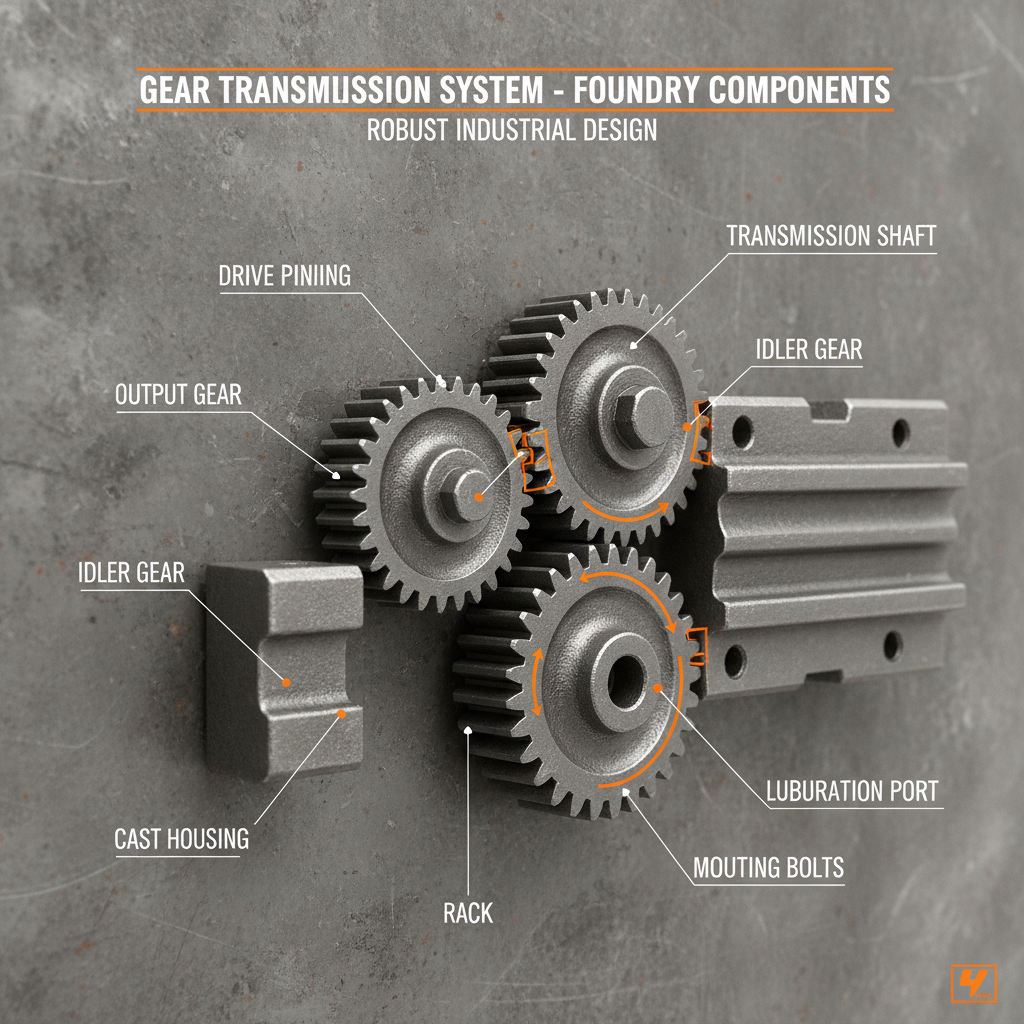
Put simply, an internal gear is a type of gear whose teeth point inward, meshing with an external gear or pinion inside its circumference. Think of them as the “inside” cogs that turn quietly inside machinery, different from more visible external gears. This design allows for compact layouts and higher gear ratios within tight spaces.
Modern industries—especially automotive, aerospace, and heavy machinery manufacturing—depend on internal gears for keeping machines compact but powerful. Oddly enough, the tech also finds use in humanitarian and rescue tech, where reliable, portable machinery can make huge differences.
Core Factors That Make Internal Gears Tick
1. Durability and Material Choice
Internal gears must withstand constant load, friction, and sometimes harsh environments. Steel alloys dominate here, offering strength and longevity, but recent advances bring composites and sintered metal powders into the mix, enhancing wear resistance without weight penalties.
2. Precision and Manufacturing Techniques
The quality of tooth-cutting and finishing, often adhering to ISO standards, dramatically affects performance. Techniques like hobbing, broaching, and modern additive manufacturing help produce complex internal gears with astonishing accuracy, reducing backlash and vibration in operation.
3. Space-Saving Design
Because internal gears mesh inside their own profile, they allow designers to minimize the footprint of gear assemblies. This is especially treasured in electric vehicle transmissions where space is at a premium, and in compact industrial robots.
4. Load Capacity & Gear Ratio
Internal gears enable different gear ratios with fewer components, increasing mechanical advantage, which translates to better torque handling and smoother power transmission. This efficiency is crucial for everything from conveyor belts to aerospace actuators.
5. Noise Reduction
Interestingly, the internal gear mesh typically generates less noise compared to external gear pairs, an understated advantage in environments requiring quiet operation like medical devices or data centers.
Mini takeaway:
Internal gears aren’t just about turning wheels; they’re a thoughtful blend of precise engineering, material science, and design that punches above their weight in durability and space efficiency.
Practical Applications Around the Globe
Internal gears show up in surprising places worldwide:
- Automotive industry: Planetary gearboxes in hybrid vehicles rely heavily on internal gears to deliver smooth, efficient power switching, critical for emissions reduction goals.
- Aerospace: Actuation systems controlling wing flaps use internal gears due to their compact size and precise motion control.
- Manufacturing: Conveyor and packaging machines leverage internal gears for reliability under continuous operation.
- Humanitarian tech: In post-disaster zones, compact machinery equipped with internal gears simplifies transport and operation, crucial for rebuilding efforts.
- Region spotlight: Asia-Pacific's booming manufacturing sectors coupled with stringent ISO gear manufacturing standards hold internal gears as strategic components for industrial output.
Product Specification Table: Typical Internal Gear Features
| Feature | Specification |
|---|---|
| Tooth Profile | Involute, Internal |
| Material | Steel Alloy 4140 / Sintered Metal |
| Module (tooth size) | 1.5 - 8 mm |
| Pressure Angle | 20° Standard |
| Max Torque Capacity | Up to 500 Nm (varies by size) |
| Applications | Automotive, Robotics, Aerospace |
Comparing Top Vendors of Internal Gears
| Vendor | Material Options | Manufacturing Methods | Customization Level | Lead Time |
|---|---|---|---|---|
| GearPro Inc. | Steel, Sintered Metal | Hobbing, CNC Broaching | High | 4 weeks |
| MechaGears Ltd. | Steel Alloy Only | Traditional Broaching | Medium | 6 weeks |
| NextGen Sintered | Sintered Metal, Composites | Additive Manufacturing | Very High | 3 weeks |
Why Internal Gears Are Worth Your Attention Long-Term
Long story short: internal gears blend practicality with innovation. Their durability means less downtime—a huge win in costly manufacturing lines. And their space-saving nature aligns perfectly with today’s push toward lightweight, power-dense machines. On an emotional level, you get a sense of trust every time you rely on a device powered by these gears; they rarely fail without warning. Plus, reduced noise and vibration contribute to safer and more pleasant work environments.
Economically, investing in quality internal gears lowers maintenance costs and extends machinery life. Environmentally, better efficiency cuts emissions—a small but essential puzzle piece to global sustainability efforts. There’s a quiet dignity in making tech that lasts, quietly spinning for years, isn’t there?
What’s Next? Future Trends in Internal Gear Technology
The horizon looks bright—and a bit sci-fi. Additive manufacturing (3D printing), already shaking up prototype stages, promises custom internal gears made faster and lighter, with complex geometries impossible before. Materials science is chasing ultra-wear-resistant composites and self-lubricating surfaces. And digital twins coupled with IoT sensors offer real-time monitoring for predictive maintenance, reducing unexpected failures.
For green energy, imagine internal gears optimized for wind turbines and electric motors, engineered to sustain hundreds of thousands of cycles with minimal losses. In automation, smaller robotics rely heavily on internal gears to achieve precise, silent movements in delicate tasks.
Facing Challenges—and How Experts Tackle Them
It’s not all gears and roses. High manufacturing costs and tight tolerances can make internal gears pricey. Heat generation in compact assemblies sometimes limits performance. Plus, misalignment leads to premature wear, a perennial pain point.
Experts combat these issues through improved CNC machining, advanced coatings, and stringent quality inspections. Partnerships with material scientists pave the way for alloys that balance strength with heat resistance. A growing trend is modular gear units—easy to swap and calibrate—which cuts maintenance headaches.
FAQ: Your Questions About Internal Gears, Answered
- Q1. What advantages do internal gears offer over external gears?
- Internal gears fit within a confined space while providing higher gear ratios with fewer components. They also tend to operate more quietly due to their meshing geometry, making them ideal for compact and noise-sensitive applications.
- Q2. Are internal gears suitable for heavy-duty industrial use?
- Absolutely. Many heavy machinery and automotive transmissions employ internal gears because they can handle high torque loads when manufactured with quality materials and precision.
- Q3. Can internal gears be customized for specialized machinery?
- Yes, vendors often provide custom gear design services tailored to unique size, material, and load requirements, ensuring integration with specialized equipment.
- Q4. How does maintenance differ for internal gears?
- While generally durable, internal gears require regular lubrication and occasional inspection for alignment to avoid wear. Their enclosed design sometimes complicates access but also protects from environmental contaminants.
- Q5. Is it possible to source internal gears internationally for industrial projects?
- Yes, many manufacturers serve global clients with expertise in logistics and compliance with international standards, simplifying import processes.
Wrapping It Up: Internal Gears—Small But Mighty
Internal gears may not bask in the limelight, but they hold a vital spot in modern machinery—a blend of compact power transmission, reliability, and future-ready technology. Getting familiar with their nuances means staying ahead in an increasingly mechanized and eco-conscious world.
Curious to explore more or source specialized internal gears for your projects? Visit our website: https://www.jssintering.com—because sometimes, the little gears make the biggest difference.