




Understanding Gear Drive Systems in Modern Industry
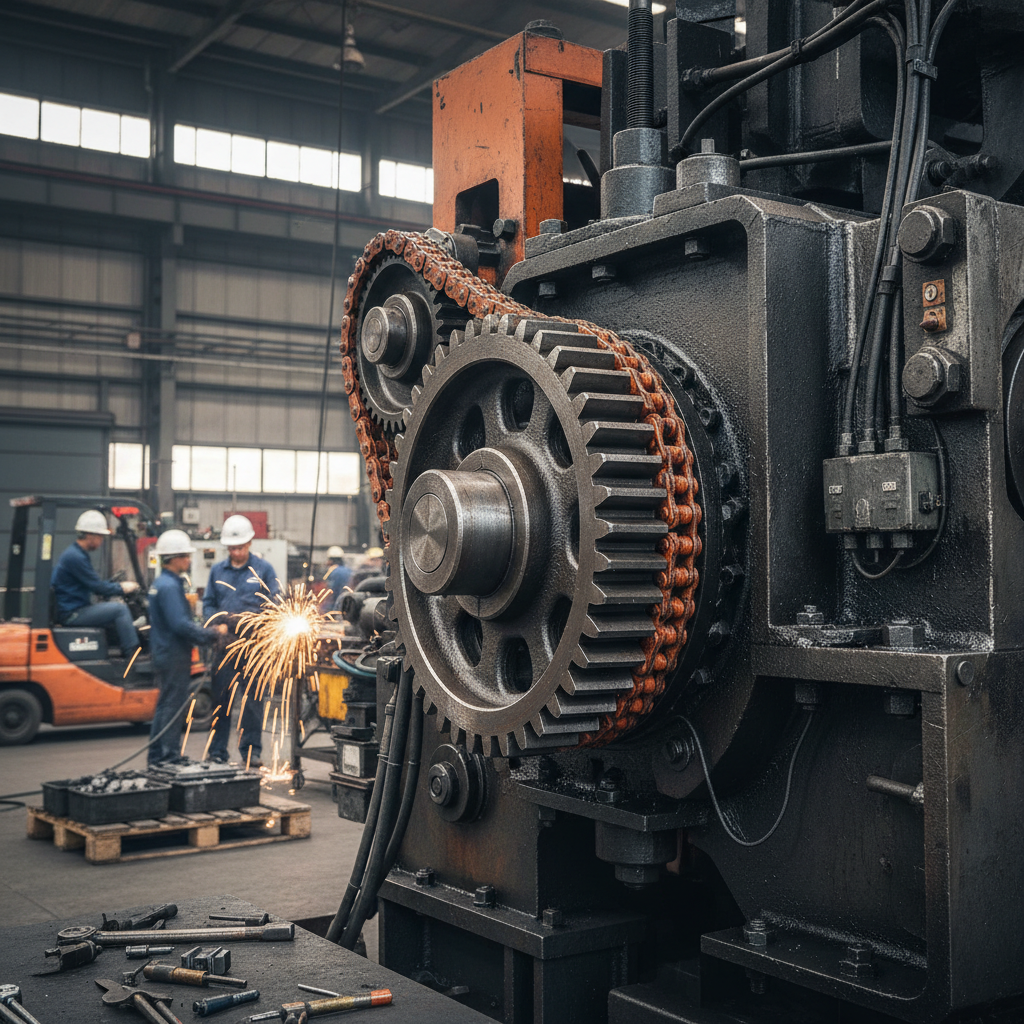
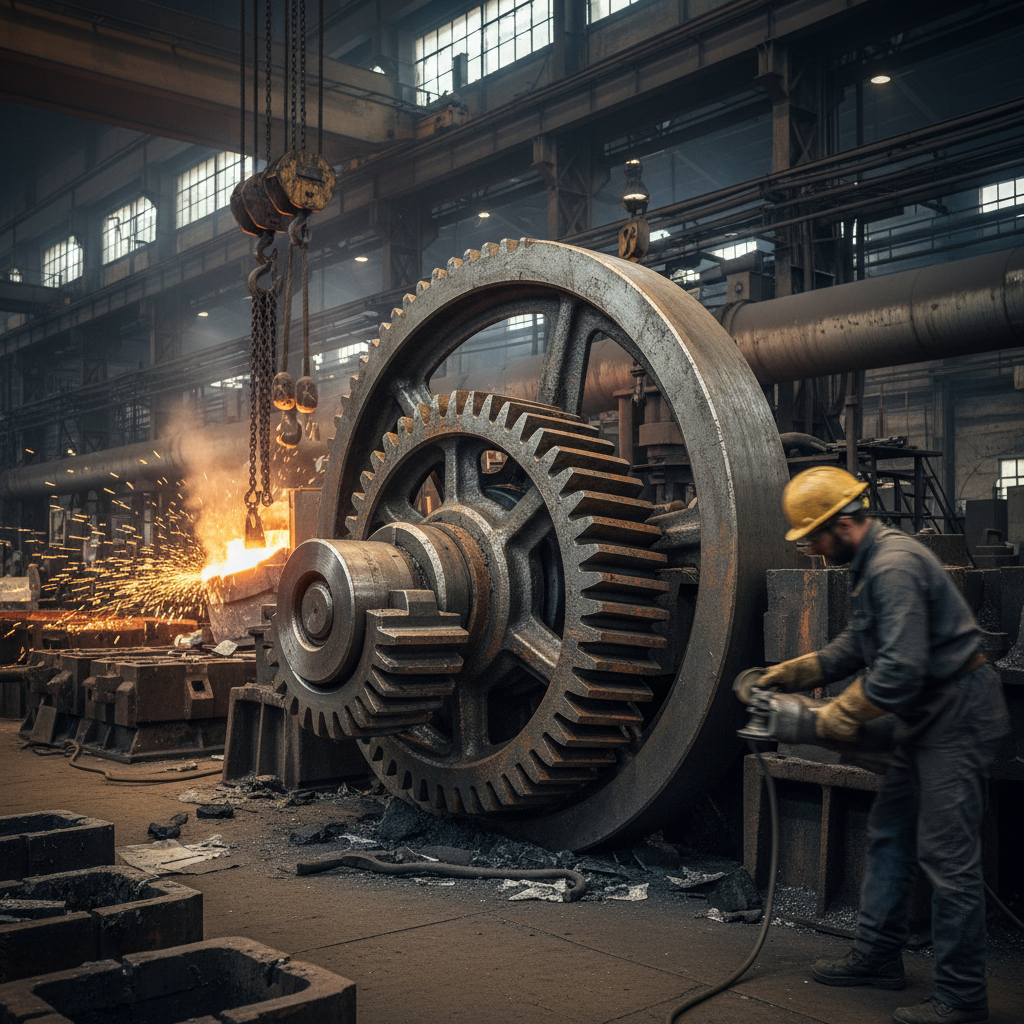
In industrial power transmission, gear drive types are fundamental components that enable machinery to operate efficiently and reliably. These intricate mechanisms are designed to transmit torque and motion, altering speed, direction, and magnitude of force. From heavy-duty mining equipment to precision robotics, the selection of the appropriate gear drive system is critical for optimizing performance, durability, and cost-effectiveness. This article delves into the various aspects of modern gear drive technology, focusing on manufacturing processes, technical specifications, application insights, and key advantages for B2B decision-makers.
The evolution of industrial automation and the increasing demand for energy efficiency have spurred significant advancements in gear technology. Contemporary gear drives are engineered to meet stringent requirements for load capacity, operational noise, vibration reduction, and extended service life, often in harsh operating environments.
Industry Trends Shaping Gear Drive Technology
The global industrial gear market is projected to reach approximately $100 billion by 2028, growing at a CAGR of around 5% from 2023. This growth is primarily driven by increasing industrialization, infrastructure development, and the adoption of automation technologies across various sectors. Key trends include:
- Miniaturization and High Power Density: Demand for compact yet powerful gearboxes, especially in robotics and aerospace, is pushing innovation in material science and design.
- Energy Efficiency: Optimizing gear tooth profiles, surface finishes, and lubrication systems to minimize friction losses, aligning with global energy conservation efforts.
- Smart Gears and IoT Integration: Incorporating sensors for real-time monitoring of temperature, vibration, and torque, enabling predictive maintenance and enhanced operational reliability.
- Advanced Materials: Increased use of sintered metals, composite materials, and specialized alloys for improved strength-to-weight ratios, corrosion resistance, and reduced wear.
- Customization and Modularity: Manufacturers are offering highly customizable gear solutions to meet specific application requirements, reducing lead times and costs.
These trends highlight a shift towards more sophisticated, efficient, and intelligent gear drive types that can withstand demanding operational parameters while contributing to sustainability goals.
Fundamental Gear Mechanism Types and Their Characteristics
Understanding the various gear mechanism types is crucial for effective system design. Each type offers distinct advantages based on application requirements for speed, torque, efficiency, and space constraints.
- Spur Gears: The simplest and most common type, with straight teeth parallel to the axis of rotation. They are efficient for transmitting power between parallel shafts but can be noisy at high speeds.
- Helical Gears: Teeth are cut at an angle to the gear face, allowing for more gradual tooth engagement. This results in smoother, quieter operation and higher load carrying capacity than spur gears, suitable for high-speed applications.
- Bevel Gears: Conically shaped, designed to transmit power between intersecting shafts, typically at 90 degrees. Straight bevels are simpler, while spiral bevels offer smoother operation and higher load capacity.
- Worm Gears: Consist of a worm (a screw-like gear) and a worm wheel. They offer high reduction ratios in a compact space and inherent self-locking capabilities, preventing back-driving.
- Planetary Gears (Epicyclic Gears): Comprise a central sun gear, several planet gears, and an outer ring gear. They provide high torque transmission, compact size, and coaxial input/output shafts, making them ideal for automotive and automatic transmission systems.
The choice among these gear mechanism types depends heavily on the specific functional demands, including required speed reduction, torque transmission, space availability, and noise constraints.
PM Gear: An Advanced Sintered Gear Drive Solution
Powder Metallurgy (PM) gears, such as the PM gear, represent a significant advancement in the manufacturing of various gear drive types. These components are produced by compacting metal powders into a die and then sintering the compact at high temperatures. This process results in parts with excellent dimensional precision, surface finish, and mechanical properties, often eliminating or significantly reducing the need for subsequent machining.
PM Gear Specifications Overview
| Parameter | Specification (Typical PM Gear) |
|---|---|
| Material Composition | Fe-C-Cu-Ni alloys, Stainless Steels, Bronze |
| Density | 6.8 - 7.5 g/cm³ (up to 7.8 g/cm³ for high-density) |
| Tensile Strength | 400 - 1200 MPa (depending on alloy and heat treatment) |
| Hardness | 60 - 100 HRB (as-sintered), 30 - 60 HRC (case hardened) |
| Precision Grade | ISO/DIN Grade 8-10 (as-sintered), Grade 6-7 (post-processed) |
| Operating Temperature | -40°C to +150°C (Material dependent) |
| Service Life | Typically > 10,000 hours in rated conditions |
PM gears offer a highly cost-effective and precise manufacturing route for complex geometries, contributing to the efficiency and reliability of various industrial applications.
The Advanced Manufacturing Process for PM Gear Drive Components
The manufacturing of advanced gear drive types, particularly PM gears, involves a meticulously controlled process to ensure high precision, material integrity, and optimal performance. This method offers significant advantages over traditional machining for certain applications.
Process Flow:
- Powder Blending: Precisely measured metal powders (e.g., iron, copper, nickel, carbon) are mixed to achieve the desired alloy composition. Lubricants are added to aid compaction.
- Compaction: The blended powder is fed into a rigid die and compacted under high pressure (typically 400-800 MPa) using hydraulic or mechanical presses. This forms a "green compact" that has sufficient strength to be handled. Complex gear shaft types and gear geometries can be formed in this stage.
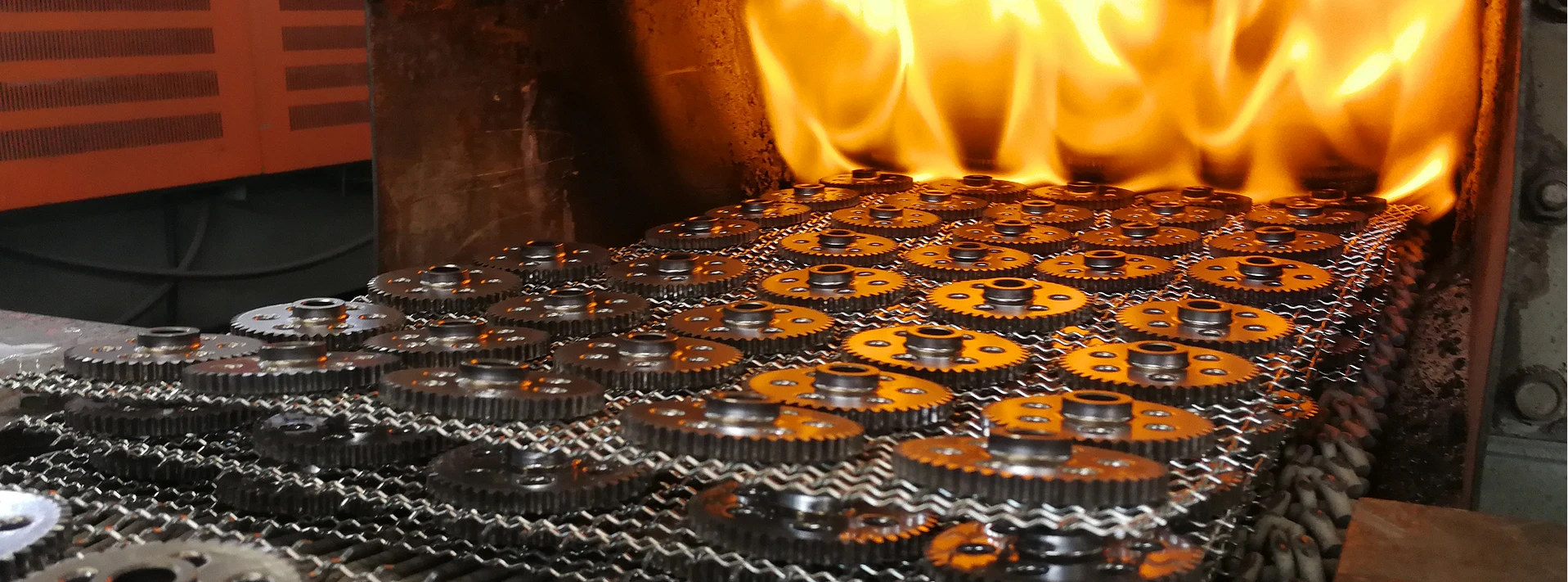
- Sintering: The green compacts are heated in a controlled atmosphere (e.g., hydrogen, dissociated ammonia, nitrogen) furnace to temperatures below the melting point of the main constituent (e.g., 1120-1150°C for iron-based alloys). During sintering, particles bond metallurgically, increasing strength and density.
- Sizing/Coining (Optional): For tighter dimensional tolerances and increased density, parts may undergo a secondary compaction process. This improves precision and surface finish.
- Heat Treatment (Optional): Processes like carburizing, carbonitriding, or induction hardening are applied to enhance surface hardness, wear resistance, and fatigue strength, crucial for high-stress applications.
- Finishing Operations (Optional): Depending on the application, additional processes such as oil impregnation (for self-lubricating properties), steam treatment (for corrosion resistance), tumbling, or light machining may be performed.
- Quality Control & Testing: Each batch undergoes rigorous testing to ensure compliance with international standards like ISO 6906 (for gear dimensions), ANSI B92.1 (spline standards), and material property checks (density, hardness, tensile strength, fatigue life). Non-destructive testing methods (e.g., eddy current, magnetic particle inspection) are used to detect internal flaws.
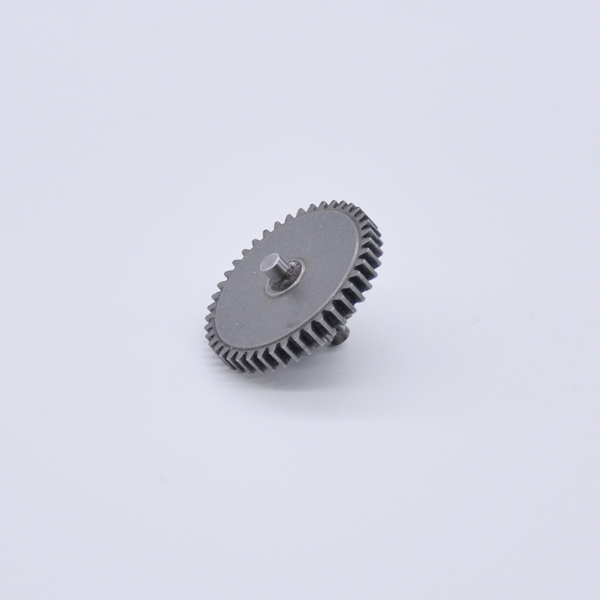
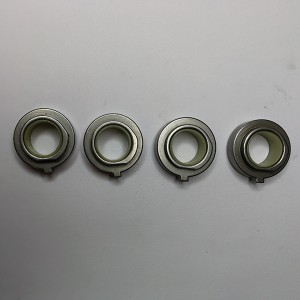
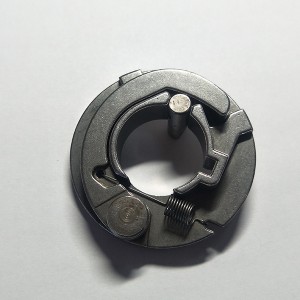
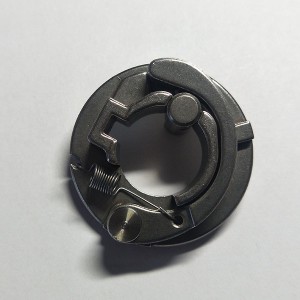
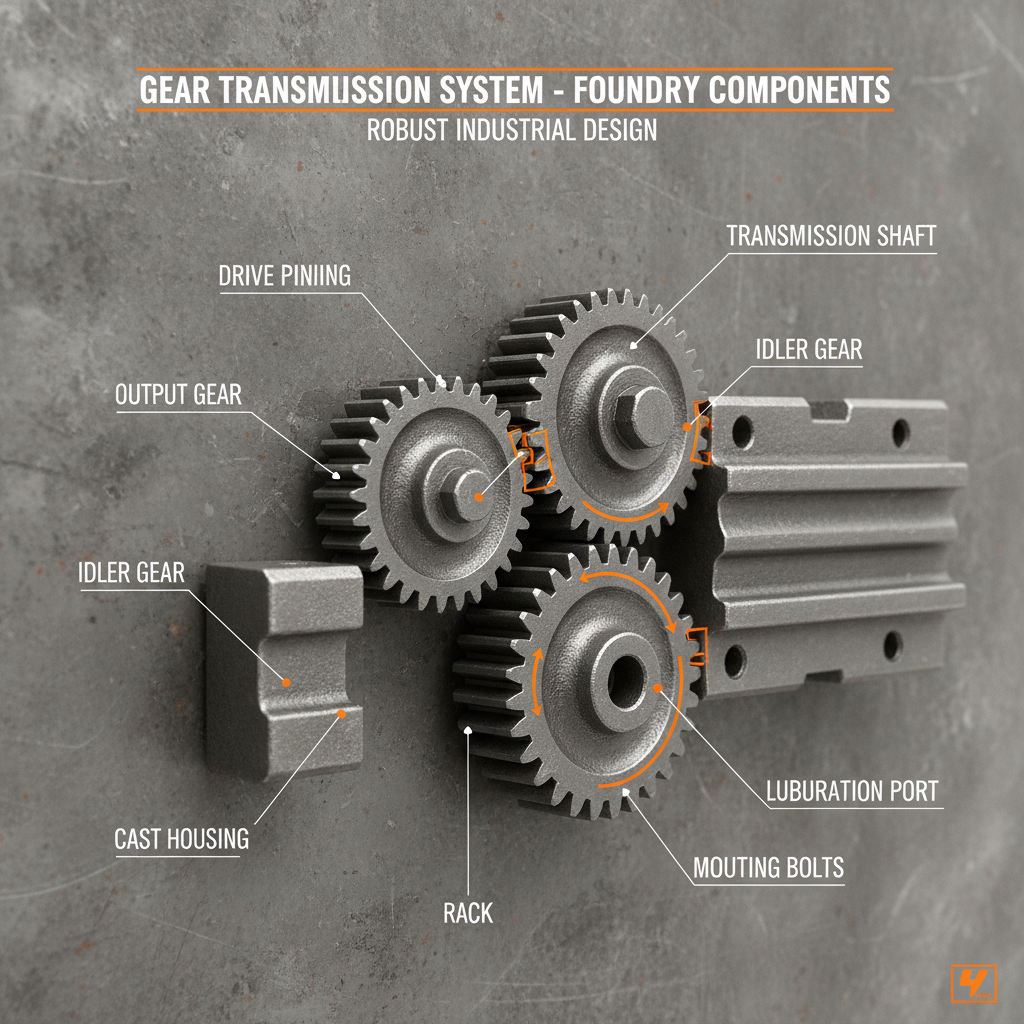
Fig 1: Illustrative example of a precision gear drive component.
This controlled manufacturing environment ensures high repeatability and the ability to produce complex geometries that are difficult or expensive to achieve with conventional methods, while maintaining critical material properties.
Application Scenarios and Target Industries
The versatility of various gear drive types makes them indispensable across a wide spectrum of industries. Their ability to handle diverse load conditions, speeds, and environmental factors dictates their specific applications.
- Petrochemical Industry: Used in pumps, compressors, and agitators where reliability, corrosion resistance (e.g., with stainless steel PM gears), and long service life are critical due to continuous operation and exposure to aggressive chemicals.
- Metallurgy and Heavy Manufacturing: Employed in rolling mills, conveyor systems, and material handling equipment. Robust gear mechanism types like helical and planetary gears handle immense loads and shock forces, contributing to energy saving through efficient power transmission.
- Water Supply & Drainage: Found in large valve actuators, pump drives, and filtration systems. Here, dependable operation, often in outdoor or humid environments, necessitates materials and finishes resistant to corrosion and wear.
- Automotive Sector: Integral to transmissions, differentials, and engine components. PM gears are particularly prevalent for their cost-effectiveness and precision in producing complex shapes for automatic transmissions and variable valve timing systems.
- Renewable Energy: Essential for wind turbine gearboxes, solar tracking systems, and hydro-power generators, where they must withstand harsh weather conditions and operate with high efficiency over decades.
- Robotics and Automation: Precision gear shaft types and miniature gearboxes are vital for articulated arms, grippers, and conveyor belt systems, demanding high positional accuracy and low backlash.
In each of these sectors, the selection of the correct gear drive system directly impacts operational efficiency, maintenance costs, and overall system longevity.
Technical Advantages and Performance Benefits
Modern gear drive types offer a multitude of technical advantages that contribute to enhanced industrial performance:
- High Efficiency: Precision-machined or sintered gears minimize friction and power loss, leading to significant energy savings. For instance, high-efficiency helical gearboxes can achieve over 98% efficiency.
- Exceptional Durability and Service Life: Advanced materials and heat treatments impart superior wear and fatigue resistance, ensuring extended operational lifespan even under continuous heavy loads.
- Corrosion Resistance: For applications in challenging environments (e.g., marine, chemical processing), the use of stainless steel, bronze, or specialized coatings significantly enhances resistance to rust and chemical degradation.
- Precision and Accuracy: Modern manufacturing techniques (e.g., CNC grinding, powder metallurgy) achieve tight tolerances, leading to minimal backlash, smooth motion, and precise positioning, critical for robotics and aerospace.
- Reduced Noise and Vibration: Optimized tooth profiles (like those in helical gears) and superior surface finishes contribute to quieter operation and reduced vibrational stress on machinery, improving worker comfort and equipment longevity.
- Compact Design: High power density means that significant torque can be transmitted through smaller gearboxes, saving space and weight in machinery design.
These combined benefits translate directly into lower operational costs, reduced downtime, and increased productivity for industrial operations.
Vendor Comparison and Selection Criteria
Choosing the right supplier for gear drive types is a critical decision for B2B procurement. Beyond initial cost, several factors contribute to the total cost of ownership and long-term reliability.
Key Comparison Factors:
- Manufacturing Capabilities: Assess whether a vendor specializes in specific manufacturing processes (e.g., sintering, forging, CNC machining). Companies like JSS Sintering, with their expertise in PM gear production, offer distinct advantages for complex, high-volume parts.
- Material Expertise: The ability to work with a range of advanced alloys and to recommend the optimal material for specific load, temperature, and environmental conditions.
- Quality Certifications: Adherence to international standards such as ISO 9001, IATF 16949 (for automotive), and industry-specific certifications demonstrates commitment to quality.
- R&D and Customization: A strong R&D department capable of developing bespoke solutions for unique applications, including specific gear shaft types and profiles.
- Customer Support and After-Sales Service: Responsiveness, technical assistance, and availability of spare parts are vital for minimizing downtime.
- Lead Time and Supply Chain Reliability: Ability to meet delivery schedules consistently, especially for critical components.
| Feature | Vendor A (Specialized PM) | Vendor B (General Machined) |
|---|---|---|
| Primary Manufacturing | Powder Metallurgy (Sintering) | Forging, Casting, CNC Machining |
| Cost for Complex Shapes (High Volume) | Highly Cost-Effective | High (due to machining time) |
| Material Waste | Minimal (near net shape) | Significant (chips, scrap) |
| Surface Finish (As-manufactured) | Excellent (can be improved with coining) | Good (requires grinding for high precision) |
| Dimensional Precision | Very High (ISO Grade 8-10, even higher with post-processing) | High (depends on machining capabilities) |
| Suitability for Porosity-dependent Features | Excellent (e.g., self-lubricating bearings) | Not applicable |
This comparison highlights that specialized PM manufacturers like JSS Sintering offer distinct advantages for clients seeking high-precision, cost-effective solutions for specific gear drive types, especially in high-volume applications where material efficiency and complexity are key.
Customized Gear Drive Solutions
Off-the-shelf solutions rarely meet the precise requirements of every industrial application. Customization is a cornerstone of modern gear drive supply, enabling engineers to optimize performance, integrate seamlessly into existing systems, and address unique environmental challenges.
A reputable vendor of gear drive types offers extensive customization options, including:
- Material Selection: Tailoring alloy compositions (e.g., specific iron-copper-carbon ratios, adding nickel for strength) to meet specific strength, wear, and corrosion resistance requirements.
- Geometric Design: Custom tooth profiles (e.g., involute, cycloidal), helix angles, pressure angles, and gear ratios to achieve precise speed reductions and torque outputs. This often involves designing bespoke gear shaft types.
- Heat Treatment Regimens: Applying specific heat treatment protocols (e.g., case hardening, through hardening, tempering) to achieve desired hardness gradients and ductility, enhancing fatigue life.
- Surface Coatings and Treatments: Implementing specialized coatings for enhanced friction reduction, corrosion protection, or aesthetic purposes.
- Integration Features: Designing integrated features like bearings, splines, or mounting points directly into the gear component to reduce assembly time and improve overall system integrity.
Collaborating with experienced engineers from the design phase allows for optimized solutions that leverage the full potential of advanced manufacturing techniques like powder metallurgy.
Real-World Application Case Studies
Case Study 1: Automotive Engine Management
A leading automotive OEM required highly precise and durable components for a new variable valve timing (VVT) system, which critically impacts engine performance and fuel efficiency. Traditional machining methods proved too costly for the required volume and complexity. JSS Sintering provided custom PM gears for the VVT actuator. By leveraging PM technology, we delivered a part with precise tooth geometry, controlled density for optimal weight, and superior wear resistance after heat treatment. This resulted in a 30% cost reduction per unit compared to machined alternatives, improved fuel economy by 5% in test vehicles, and met the OEM's demanding 150,000-mile service life requirement.
Case Study 2: Industrial Pump Drive for Corrosive Media
A client in the petrochemical sector faced frequent failures of pump drive gears due to corrosion and abrasive wear when handling acidic slurries. The existing cast iron gears had a service life of only 6 months. Our engineers developed a customized stainless steel PM gear (specifically, a high-alloy variant designed for enhanced corrosion resistance) for their centrifugal pump. The PM process allowed for the integration of unique helical gear mechanism types to reduce noise and improve power transmission efficiency. The new PM gears demonstrated a service life exceeding 3 years in the same aggressive environment, drastically reducing maintenance costs and unplanned downtime. This enhanced longevity also underscored the material's inherent corrosion resistance, a key advantage over conventional alternatives.
Case Study 3: Robotics Actuator for Precision Movement
A manufacturer of collaborative robots (cobots) needed compact, lightweight, and low-backlash gears for their new generation of robot actuators. Precision was paramount to achieve sub-millimeter positioning accuracy. We designed and produced miniature planetary gear drive types using advanced PM processes, incorporating fine-pitch teeth and optimized material density. The PM gears achieved an AGMA 9-level precision, offering significantly lower backlash (under 5 arc-minutes) and a 20% weight reduction compared to the previous assembly. This enabled the cobots to perform delicate assembly tasks with greater speed and accuracy, directly enhancing the client's competitive edge in the automation market.
Ensuring Quality, Authoritativeness, and Trustworthiness ()
Our commitment to engineering excellence and customer satisfaction is built on a foundation of rigorous quality assurance and transparent practices.
Certifications and Standards:
We operate under stringent quality management systems, holding certifications such as ISO 9001:2015, ensuring consistent product quality and process efficiency. For automotive sector clients, our production adheres to IATF 16949 standards, reflecting our capability to meet the industry's highest demands for quality and reliability in gear drive types. All products comply with relevant industry standards like AGMA (American Gear Manufacturers Association) and DIN (Deutsches Institut für Normung) for gear geometry, material properties, and performance.
Experience and Partnership:
With over two decades of specialized experience in powder metallurgy and gear manufacturing, we have cultivated long-term partnerships with global leaders in the automotive, industrial, and heavy machinery sectors. Our client roster includes Fortune 500 companies, a testament to our consistent delivery of high-performance and reliable components. Our dedicated engineering team works closely with clients from concept to production, providing expertise in material selection, design optimization, and process validation.
Testing and Validation:
Every batch of PM gears undergoes comprehensive testing, including density measurements, hardness testing (Rockwell, Vickers), tensile strength analysis, fatigue testing, and dimensional inspection using advanced CMM (Coordinate Measuring Machine) equipment. These internal tests are frequently validated by independent third-party laboratories to ensure unbiased and authoritative performance data.
Frequently Asked Questions (FAQ)
Q: What are the primary advantages of PM gear drive types over machined gears?
A: PM gears offer significant cost savings for complex shapes, especially in high volumes, due to the near-net-shape manufacturing process that reduces machining time and material waste. They also provide excellent dimensional precision, controlled porosity for specific applications (e.g., self-lubrication), and consistent part-to-part quality.
Q: What materials are commonly used for PM gear drive types?
A: Common materials include iron-carbon alloys, iron-copper-carbon alloys, stainless steels, and various bronze compositions. The choice depends on required strength, wear resistance, corrosion resistance, and specific application conditions.
Q: Can PM gears be heat-treated for increased hardness?
A: Yes, PM gears can be effectively heat-treated using processes like carburizing, carbonitriding, or induction hardening to achieve desired surface hardness and improved wear resistance, extending their service life in demanding applications.
Q: What is the typical lead time for custom gear drive types?
A: Lead times for custom PM gears typically range from 8 to 16 weeks, depending on complexity, material selection, tooling requirements, and order volume. Prototype development usually takes 4-8 weeks. We work closely with clients to optimize production schedules for critical projects.
Lead Time, Warranty, and Customer Support
Lead Time & Fulfillment:
Our standard production lead times for established gear drive types typically range from 6-10 weeks, contingent on material availability and production queue. For new custom designs requiring tooling, prototyping, and rigorous testing, the lead time may extend to 12-16 weeks. We maintain robust supply chain management to ensure timely fulfillment and offer expedited options for urgent requirements where feasible. Our logistical team coordinates global shipping to client specifications, ensuring efficient delivery worldwide.
Warranty Commitments:
We stand by the quality of our gear drive types. All products are warranted against defects in material and workmanship for a period of 12 months from the date of shipment, provided they are used under normal operating conditions and maintained according to industry standards. This warranty underscores our confidence in our manufacturing processes and the durability of our PM gear solutions.
Customer Support & After-Sales Service:
Our dedicated customer support team is available to assist with technical inquiries, order tracking, and any post-sales support requirements. We offer comprehensive engineering support, from initial design consultation and material selection to troubleshooting and performance optimization. Our commitment extends beyond delivery, ensuring our clients receive ongoing support to maximize the performance and longevity of their gear drive systems. Contact us via phone, email, or our dedicated online portal for prompt assistance.
References
- PMI - Powder Metallurgy Industries. Powder Metallurgy Gear Design Guidelines. Available at: www.pmitechnologies.com
- American Gear Manufacturers Association (AGMA). Gear Handbook for Design and Applications.
- International Organization for Standardization (ISO). ISO 9001:2015 Quality Management Systems – Requirements.
- Automotive Industry Action Group (AIAG). IATF 16949:2016 Automotive Quality Management System Standard.
- Smith, G. (2018). Advanced Gear Engineering: Design, Manufacture, and Application. Butterworth-Heinemann.