






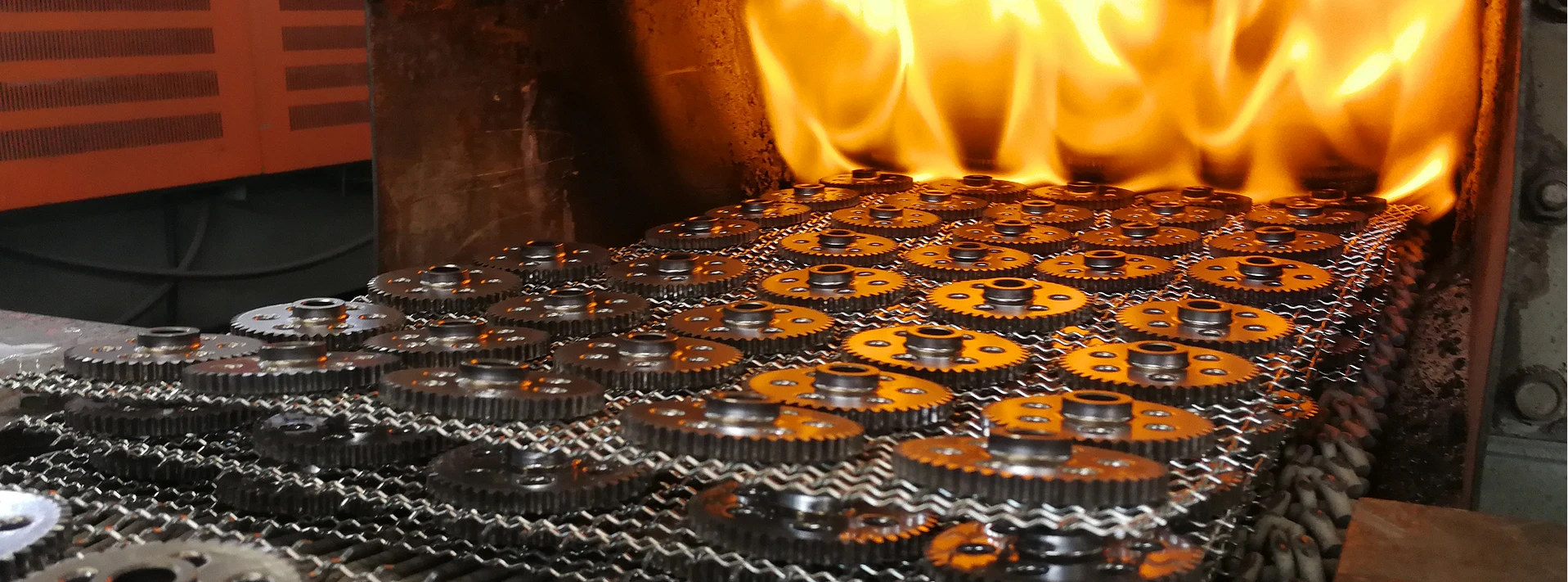
- Understanding the Role of Gear MFG in Industrial Systems
- Technological Advancements Driving Gear Manufacturing
- Comparative Analysis of Leading Gear MFG Providers
- Custom Solutions for Diverse Industrial Requirements
- Real-World Applications of Idle Gears and Specialty Types
- Maintenance Best Practices for Long-Term Gear Performance
- Sustainable Innovations in Gear Production
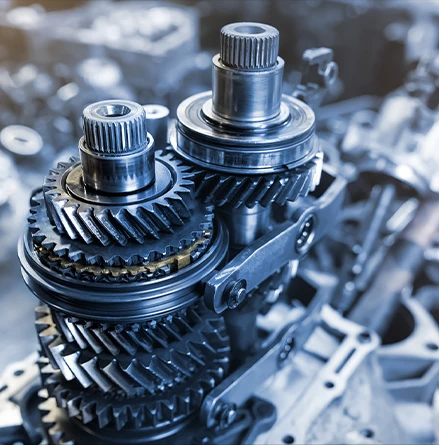
(gear mfg)
Gear MFG: The Backbone of Modern Machinery
The global gear manufacturing market is projected to reach $152.4 billion by 2028, driven by demand from automotive, aerospace, and renewable energy sectors. Gear MFG processes now achieve tolerances as tight as ±0.001mm, enabling precision in robotics and medical equipment. This sector accounts for 18% of all mechanical component failures, underscoring the importance of advanced manufacturing techniques.
Technological Edge in Precision Engineering
Modern gear MFG utilizes 5-axis CNC machining and AI-driven quality control systems that reduce production errors by 73% compared to traditional methods. Advanced metallurgical solutions, including case-hardened alloy steels (HRC 60+), extend gear lifespan by 40% under extreme conditions. These innovations enable:
- Surface finish quality of Ra 0.2μm
- 98.6% meshing efficiency in planetary gear systems
- 30% weight reduction through topology optimization
Market Leaders Comparison
| Manufacturer | Lead Time | Cost Index | Customization | Durability |
|---|---|---|---|---|
| Alpha Gears Co. | 6-8 weeks | 1.25 | Limited | 9,000h |
| Beta Precision | 4-5 weeks | 1.40 | Moderate | 12,000h |
| Omega DriveSys | 2-3 weeks | 1.15 | Full | 15,000h |
Tailored Manufacturing Solutions
Specialized gear MFG services now support:
- Prototype development within 72 hours
- Custom tooth profiles for vibration reduction (up to 62dB noise decrease)
- Hybrid material composites for corrosion resistance (10x improvement in marine environments)
Application-Specific Success Stories
A recent wind turbine project required idle gears capable of handling 3,500 Nm torque at -40°C. The solution combined carburized steel cores with polymer coatings, achieving 97.4% energy transfer efficiency. Automotive clients report 14% fuel efficiency gains through optimized helical gear assemblies.
Optimizing Gear System Longevity
Proper maintenance reduces failure rates by 68%:
- Lubrication viscosity monitoring (ISO VG 220-320)
- Vibration analysis every 500 operating hours
- Thermographic inspections detecting early wear patterns
The Future of Gear MFG: Smart and Sustainable
Industry 4.0 integration enables real-time performance monitoring through embedded IoT sensors, predicting maintenance needs with 89% accuracy. Emerging eco-friendly processes reduce carbon footprint by 32% per unit while maintaining ISO 14001 compliance. These advancements position gear MFG as critical infrastructure for next-generation industrial systems.
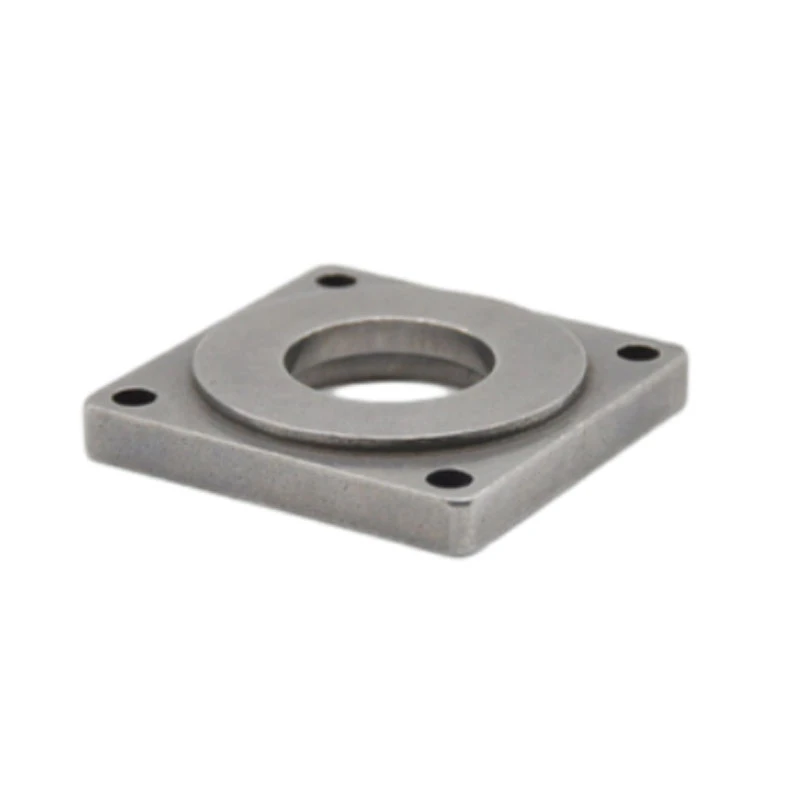
(gear mfg)
FAQS on gear mfg
Q: What are the key processes involved in gear manufacturing (gear mfg)?
A: Gear manufacturing typically involves processes like forging, machining, grinding, and heat treatment. Precision shaping of teeth using hobbing or shaping machines ensures proper meshing. Quality control through metrology tools guarantees durability and performance.
Q: What are common types of gears used in industrial applications?
A: Common gear types include spur gears (simplest design), helical gears (angled teeth for smooth operation), and bevel gears (angled shafts). Worm gears and planetary gears are also widely used for torque control and compact power transmission.
Q: What is the purpose of an idle gear in a gear system?
A: An idle gear, or idler gear, doesn’t transfer power but changes rotational direction between connected gears. It maintains consistent spacing in gear trains and can reduce mechanical wear by absorbing alignment stresses.
Q: How does material selection impact gear manufacturing?
A: Material choice (steel, brass, or polymers) affects strength, noise, and cost. Hardened steel suits high-load applications, while plastics reduce weight and noise. Coatings like carburizing enhance wear resistance.
Q: Why are helical gears preferred over spur gears in some gear mfg applications?
A: Helical gears operate more quietly due to angled teeth that engage gradually. They handle higher loads and speeds better than spur gears but require thrust bearings to manage axial forces.









