




Gear Reducer: The Unsung Hero of Modern Industry
If you’ve ever wondered how massive machines in factories or heavy equipment used in construction move with such controlled precision, the secret often lies in something small but mighty—a gear reducer. At first glance, it’s just a mechanical device, but globally it’s a linchpin in countless industries, from manufacturing to renewable energy. Understanding gear reducers isn’t just a technical exercise; it’s a key to unlocking efficiency, sustainability, and innovation worldwide.
The Global Context: Why Gear Reducers Matter More Than Ever
We live in a world where industrial output, automation, and green technology are rapidly expanding. According to the International Organization for Standardization (ISO), the global machinery market, which depends heavily on gear reducers, is projected to grow by 5% annually over the next decade. The United Nations Industrial Development Organization (UNIDO) highlights how efficient mechanical components like gear reducers can reduce energy consumption by up to 30%, a staggering number when you consider the environmental footprint.
But here’s the twist: with more machines running in factories, power plants, and even disaster relief equipment, scaling speed while controlling torque safely becomes a huge challenge. Gear reducers help keep things moving smoothly, solving the common problem of mismatched speed and power requirements across countless applications.
Mini takeaway:
- Gear reducers are crucial in managing torque and speed in machinery globally.
- They contribute significantly to energy efficiency and reduce operational wear.
What Exactly Is a Gear Reducer?
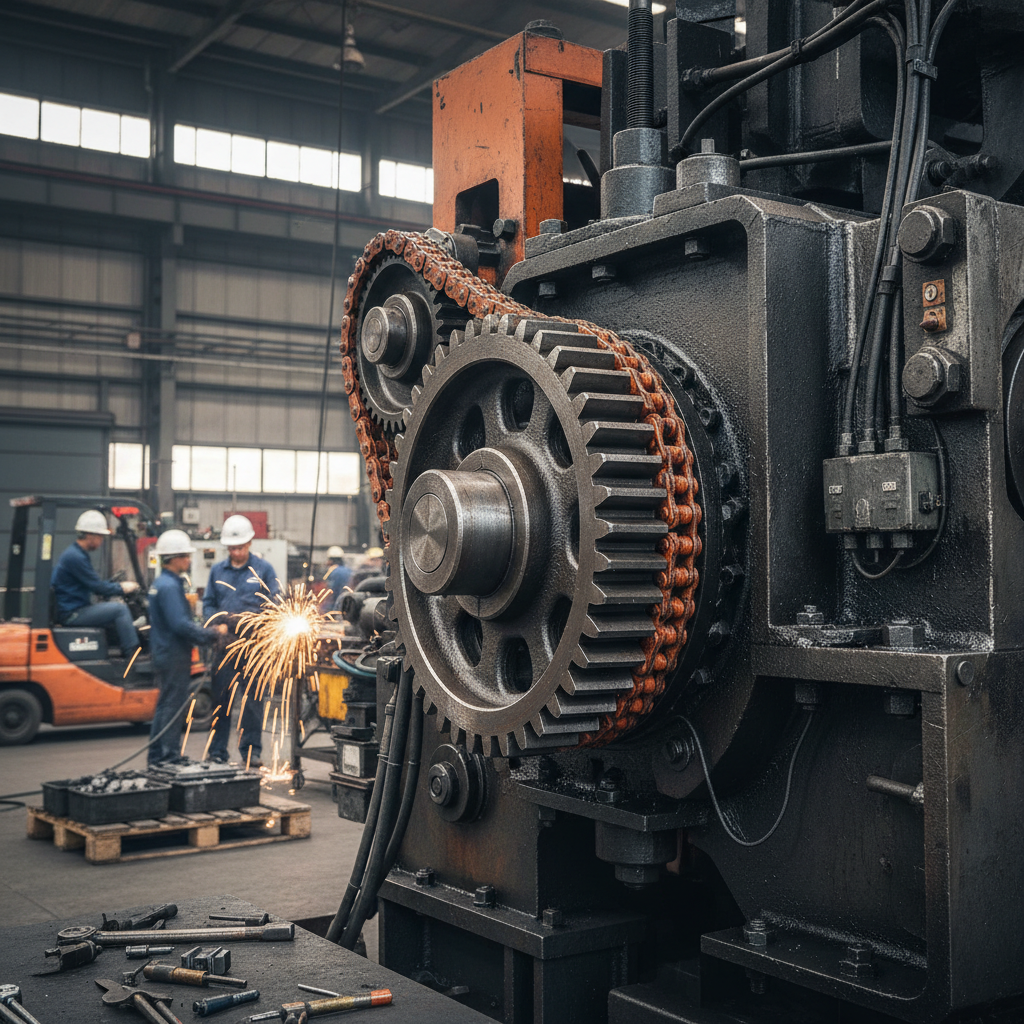
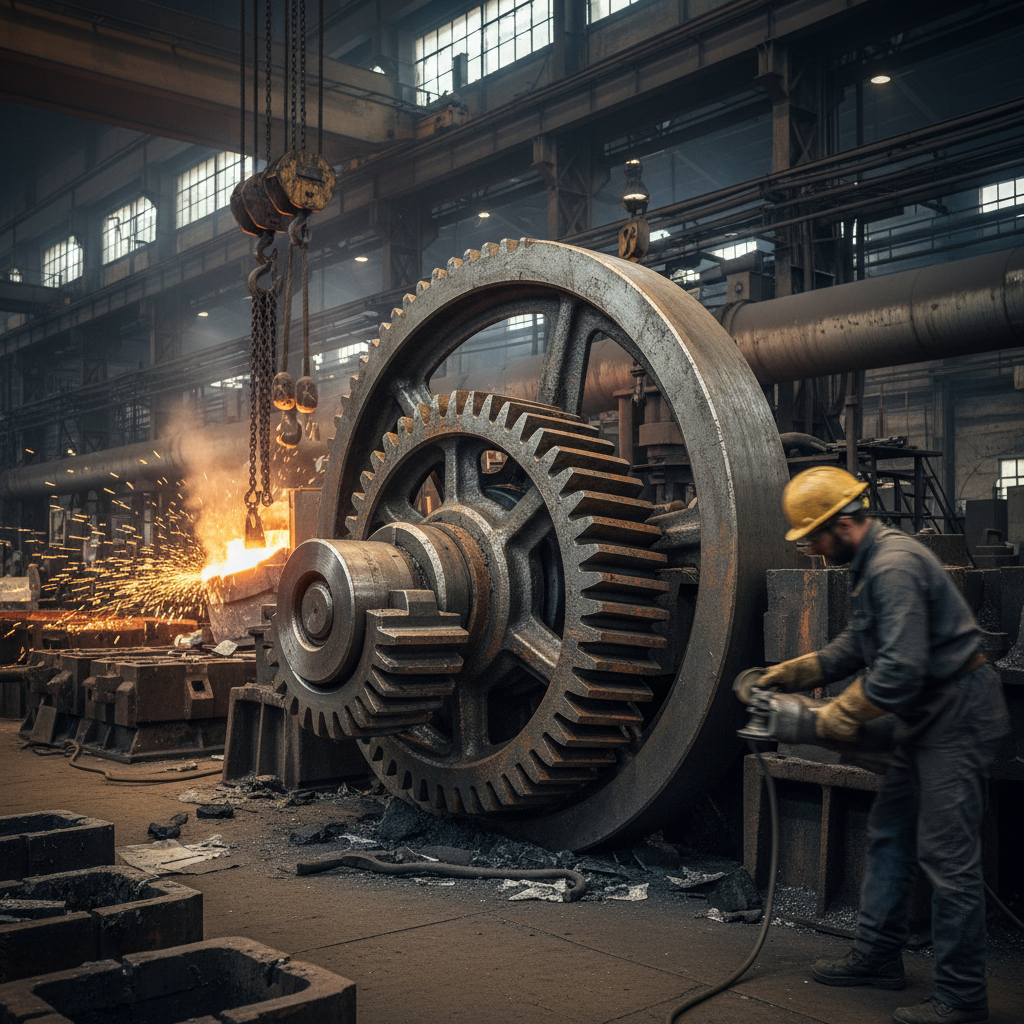
In simple terms, a gear reducer (sometimes called a speed reducer or gearbox) is a mechanical device that decreases the input speed from a motor while increasing the torque. Imagine you want a car to crawl over rough terrain instead of zooming—gear reducers make that gentle strength possible.
Beyond cars, these devices are embedded in conveyor systems, cranes, wind turbines, and robotic arms, acting as the unsung workhorses behind controlled motion. So, their role isn’t just industrial — it’s humanitarian too. For instance, in emergency relief operations, gear reducers ensure generators and pumps function reliably even under tough conditions.
Mini takeaway:
- Gear reducers balance speed and torque for machinery efficiency.
- They play an essential part across industries, from manufacturing to humanitarian aid.
Core Components and Features of Gear Reducers
1. Durability
Durability matters because gear reducers often operate in harsh environments — from high temperatures to dust or even underwater. Materials like high-grade steel alloys or advanced composites ensure longevity with minimal maintenance.
2. Efficiency
Many engineers say the secret sauce is the reducer’s efficiency — how much power it saves compared to the input. Designs including helical gears or planetary systems often exceed 90% efficiency, which is a huge win in operational cost.
3. Torque Capacity
Torque capacity determines how much twisting power the reducer can handle before strain or failure. Over-sizing can be expensive, under-sizing risky, so careful calculations are vital.
4. Customizability
Different industries demand unique specs — be it compactness for robotics or heavy-duty designs for mining. Gear reducers come in modular forms, offering scalability and adaptability without compromising performance.
5. Noise & Vibration Control
Oddly enough, quieter gear reducers can drastically improve workplace safety and equipment lifespan. Advanced bearing placements and gear tooth profiles minimize unwanted noise and vibrations.
6. Maintenance & Serviceability
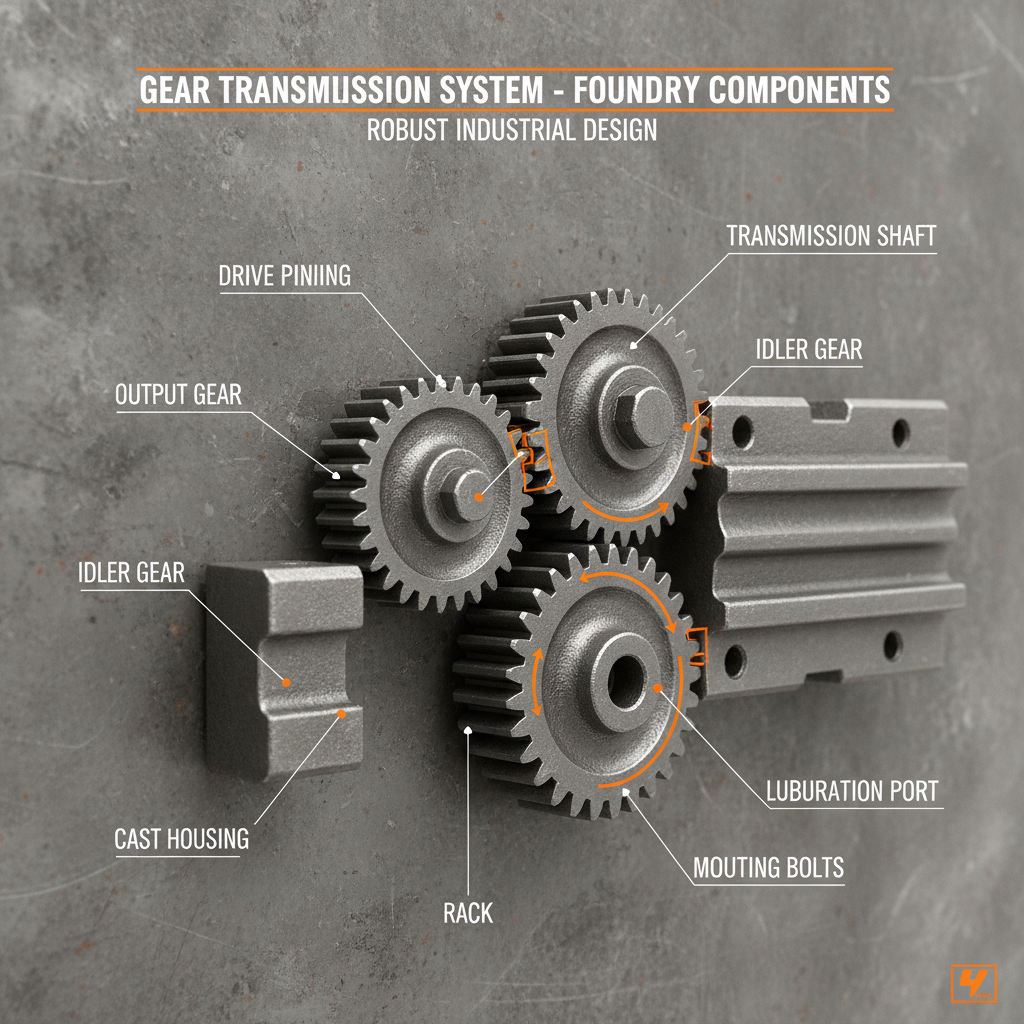
Access panels, lubrication ports, and modular parts design often dictate how easy routine checks and repairs are, directly affecting downtime and cost.
Mini takeaway:
- Durability and efficiency define reliable gear reducers.
- Torque, customization, and maintenance ease influence real-world usability.
Worldwide Uses: Where Gear Reducers Make a Mark
From sprawling Asian manufacturing hubs to renewable energy farms in Europe and resource extraction sites in Africa, gear reducers have broad usage footprints:
- Manufacturing Plants: Conveyor belts, assembly robots, injection molding machines.
- Wind Energy: Turbine pitch control and yaw systems rely on precise speed reduction to optimize power output.
- Mining & Construction: Cranes, hoists, and heavy equipment movement use high-torque reducers for safety and efficiency.
- Emergency & Relief Operations: Portable pumps and generators with gear reducers keep vital services running during disasters.
- Agriculture: Automated irrigation and harvesting machines globally — from US farms to Southeast Asian plantations.
For example, a mining consortium in Chile upgraded their ore-lifting hoists with a custom gear reducer, cutting energy consumption by 18% and increasing uptime significantly. In a separate case, European wind farms replaced old pinion gears with planetary reducers, boosting energy capture on low wind days.
Mini takeaway:
- Gear reducers serve highly diverse industries with tailored solutions.
- They power green energy and essential humanitarian equipment alike.
Product Specifications at a Glance
| Feature | Standard Range | Notes |
|---|---|---|
| Gear Type | Helical, Planetary, Worm | Choice affects noise & efficiency |
| Input Speed | Up to 6000 RPM | Varies by model and application |
| Reduction Ratio | 5:1 to 100:1 | Custom ratios often available |
| Torque Capacity | 10 Nm to 50,000 Nm+ | Depends on gear size and materials |
| Noise Level | 60–80 dB | Lower for planetary types |
| Efficiency | 85% to 97% | High-efficiency gears cut energy loss |
Comparing Leading Gear Reducer Vendors
| Vendor | Customization | Global Reach | Sustainability Focus | Warranty |
|---|---|---|---|---|
| GearTech Inc. | High (custom ratios & materials) | 120+ countries | ISO 14001 certified | 5 years |
| PowerGears Ltd. | Medium (standard models mostly) | Europe, Asia, Americas | Focus on energy-efficient designs | 3 years |
| EcoDrive Systems | Customization on request | Niche market (renewables focused) | Carbon-neutral operations | 4 years |
Advantages and Long-Term Value of Gear Reducers
Frankly, the real benefit of gear reducers isn’t just mechanical — it’s strategic. By improving energy efficiency, they lower operational costs and help businesses meet ever-tightening environmental standards. There’s also a social angle: safer machinery means fewer accidents, promoting worker dignity and trust in technology.
Investing in high-quality gear reducers means less downtime, fewer replacements, and a smaller carbon footprint. This cascade effect benefits everybody — owners, workers, consumers, and future generations.
The Road Ahead: Trends and Innovations in Gear Reduction
Digital transformation is sweeping through industrial equipment, and gear reducers are no exception. Smart gearboxes embedded with sensors offer real-time performance data, predictive maintenance alerts, and remote diagnostics, all helping avoid costly repairs.
Materials science is also evolving. Lightweight titanium alloys and self-lubricating polymers are beginning to replace traditional steel gears in specific applications, reducing weight and improving efficiency.
The push for green energy is driving demand for specialized gear reducers designed for wind, hydro, and solar tracking systems. Some manufacturers are prototyping modular reducers fit for 3D printing, promising faster turnaround and tailor-made solutions.
Challenges & How to Overcome Them
Of course, no technology is perfect. Challenges with gear reducers often involve:
- Heat dissipation: High-torque scenarios can generate excess heat, risking damage.
- Space constraints: Smaller machines demand compact designs without compromising performance.
- Initial cost: Quality reducers can be pricey upfront.
Solutions? Engineers advocate for enhanced cooling systems, like oil circulation and heat sinks. Modular, scalable designs help address size limits. Meanwhile, the long-term savings on energy and maintenance justify paying more initially — in real terms, it’s a wise investment.
Frequently Asked Questions About Gear Reducers
- What gear reducer type is best for minimizing noise in a factory setting?
- Helical and planetary gear reducers are known for quieter operation due to the way their gears mesh. Planetary types especially distribute load evenly, reducing vibrations, which is ideal in noise-sensitive environments.
- How often should a gear reducer be serviced to ensure longevity?
- Typically, regular maintenance every 6 to 12 months is recommended, including lubrication checks and inspection for wear. Depending on workload and environment, heavy-duty applications may require quarterly checks.
- Can gear reducers be customized for specific industrial applications?
- Absolutely. Many vendors offer tailored solutions, adjusting gear ratios, torque capacity, materials, and size to meet unique operational needs—especially critical in industries like mining or renewable energy.
- Are gear reducers energy efficient enough for sustainable industries?
- Yes. Modern gear reducers typically achieve 85–97% efficiency, which significantly reduces energy loss and helps industries meet sustainability goals.
- Is it necessary to consider local environmental conditions when selecting a gear reducer?
- Definitely. Dust, moisture, temperature extremes, and corrosive atmospheres all impact gear reducer material choice and sealing, influencing durability and performance.
Final Thoughts
Gear reducers might not be the flashiest part of industrial machinery, but their importance is profound and growing. Whether powering the conveyor belts in sprawling factories, the rotors of renewable energy platforms, or the pumps in disaster zones, they help us control power responsibly and sustainably.
For those looking to explore or upgrade your gear reducer systems, I recommend checking out gear reducer options that emphasize both performance and eco-friendliness. It’s a decision that pays off — mechanically and morally.