

WeChat.png
sintered metal parts
top.png
bannerimg

Gear Shaft Types Guide: Precision & Performance Solutions

2025.09.16

Understanding Critical gear shaft types in Industrial Applications

In high-performance industrial machinery, the integrity and precision of motion transfer components are paramount. Among these, the various gear shaft types stand out as foundational elements, dictating efficiency, durability, and reliability. Gear shafts are critical for transmitting torque and motion in a vast array of mechanical systems, from heavy-duty industrial gearboxes to intricate precision instruments. Their design, material selection, and manufacturing precision directly impact the overall performance, noise levels, and lifespan of an assembly. This comprehensive guide explores the multifaceted world of gear shafts, emphasizing their critical role in B2B contexts.

The selection of appropriate gear shaft types is a complex engineering decision, balancing factors like load capacity, speed requirements, environmental conditions, and cost-effectiveness. Innovations in materials science and manufacturing techniques, particularly in powder metallurgy and advanced forging, continue to redefine what is possible in terms of component strength, wear resistance, and geometric precision. Our focus here is to provide B2B decision-makers and engineers with deep insights into these components, from fundamental principles to cutting-edge applications.

Manufacturing Process Flow for Advanced Gear Shafts

The production of high-performance gear shaft types is an intricate process, demanding stringent quality control at every stage. We focus on advanced manufacturing techniques, such as powder forging, which offers superior material properties and near-net-shape capabilities compared to traditional methods like casting or machining from bar stock. Below is a detailed process flow:

1. Material Selection & Preparation

  • Materials: Typically high-strength alloy steels (e.g., AISI 4140, 8620, EN24, 20CrMnTi) are used for their excellent hardenability and toughness. For powder forged gears, pre-alloyed steel powders (e.g., Fe-Ni-Mo-Cu-C) are selected to achieve specific mechanical properties.
  • Powder Blending (for PM): Precisely weighted metallic powders, alloying elements, and lubricants are uniformly blended to ensure homogeneous material distribution.

2. Pre-Forming (Compaction)

  • Die Compaction: The blended powder is fed into a rigid die and compacted under high pressure (typically 400-800 MPa) to form a "green" compact, which has sufficient strength for handling. Density control is crucial here.

3. Sintering

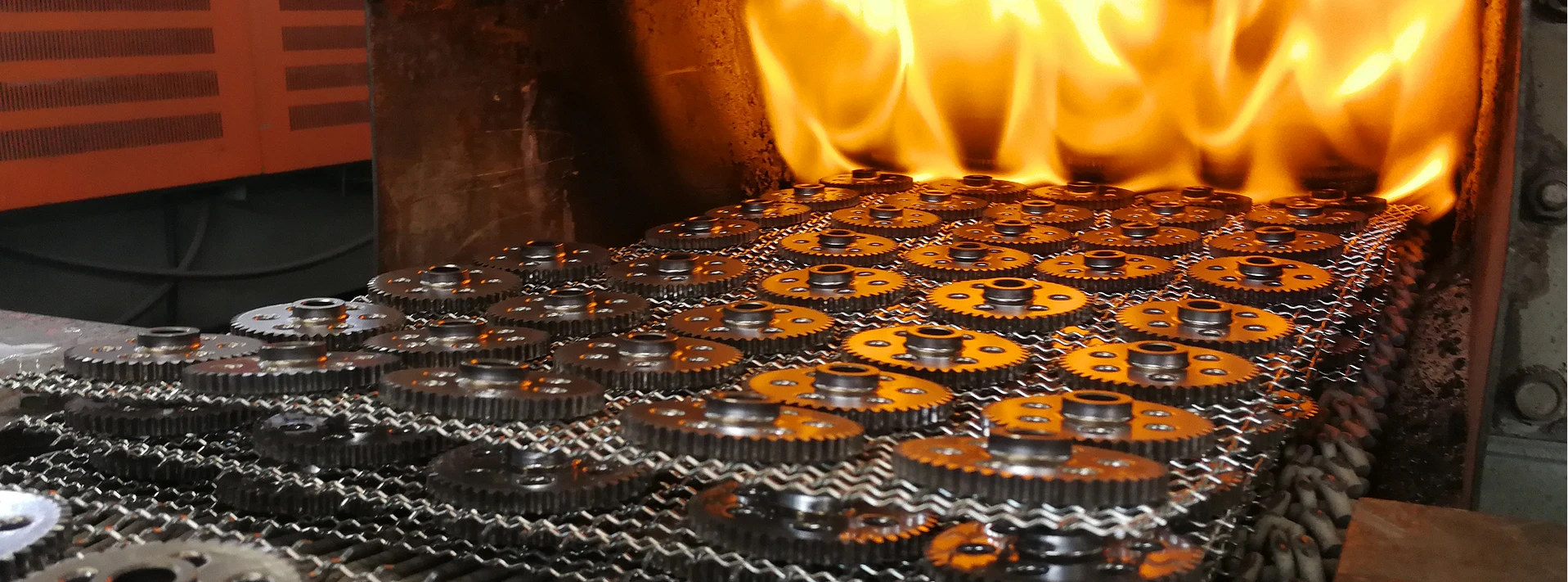
  • Furnace Treatment: The green compacts are heated in a controlled atmosphere furnace (e.g., hydrogen, nitrogen, or dissociated ammonia) to a temperature below the melting point of the main constituent (typically 1100-1300°C). This process bonds the powder particles, increasing strength and partially densifying the component.

4. Powder Forging (Hot Forging)

  • Hot Re-pressing: The sintered pre-form is reheated and then forged in a closed die. This crucial step achieves near-full density (typically >99%), refines the grain structure, and imparts excellent mechanical properties, including high fatigue strength and impact resistance. This process is particularly advantageous for complex gear profiles, reducing subsequent machining.

5. Machining & Finishing

  • CNC Machining: Precision turning, milling, and grinding operations are performed to achieve final dimensions, surface finish, and intricate features not attainable directly through forging. This includes creating keyways, splines, and precise bearing seats.
  • Gear Cutting: Processes like hobbing, shaping, or milling are used to create specific gear types with images of teeth (e.g., spur, helical, bevel, worm gears), ensuring precise tooth profiles and helix angles.
  • Deburring & Polishing: Removal of burrs and sharp edges to enhance component life and safety.

6. Heat Treatment

  • Carburizing/Nitriding: Surface hardening treatments are applied to enhance wear resistance and fatigue strength while maintaining a tough core. This improves the service life significantly, especially for components subjected to high contact stresses and cyclic loading.
  • Quenching & Tempering: Followed by hardening to achieve desired hardness and ductility.

7. Grinding & Inspection

  • Precision Grinding: Critical surfaces and gear teeth are ground to achieve ultra-high precision, low noise, and improved contact patterns.
  • Testing Standards: Adherence to international standards such as ISO (e.g., ISO 1328 for gear accuracy), ANSI/AGMA (e.g., AGMA 2000 for gear classification), and DIN ensures consistent quality. Non-destructive testing (NDT) like magnetic particle inspection (MPI) or ultrasonic testing (UT) is employed for defect detection.
  • Metrological Inspection: CMM (Coordinate Measuring Machine) for dimensional accuracy, profilometers for surface finish, and gear rolling testers for tooth profile analysis.
Gear Shaft Types Guide: Precision & Performance Solutions

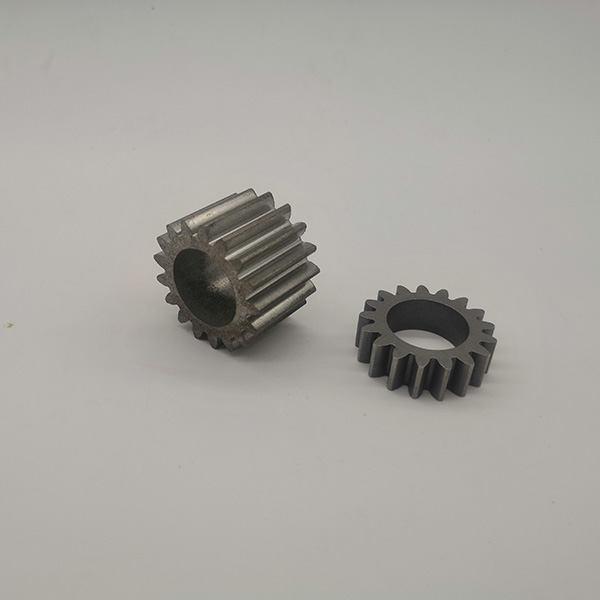
Target Industries: These meticulously engineered gear shaft types are critical in industries requiring extreme reliability and long service life, including petrochemical, metallurgy, mining, power generation, water supply & drainage, and heavy machinery manufacturing. They offer significant advantages in typical application scenarios, such as enhanced energy saving through reduced friction and improved efficiency, and superior corrosion resistance when appropriate coatings or materials are selected, leading to extended operational periods and reduced maintenance costs.

Industry Trends and Technological Advancements

The landscape for gear shaft types is continuously evolving, driven by demands for higher power density, increased efficiency, and extended service life. Key trends include:

  • Lightweighting: The push for lighter components, especially in automotive and aerospace, without compromising strength. Advanced materials like composites and high-strength alloys, combined with optimized topology, are crucial.
  • Additive Manufacturing (AM): While not yet mainstream for high-volume, structural gear shafts, AM holds promise for prototyping, producing complex internal geometries for lubrication, or for specialized, low-volume applications with custom gear and types.
  • Smart Manufacturing & IIoT: Integration of sensors for real-time monitoring of temperature, vibration, and torque, enabling predictive maintenance and optimizing operational parameters.
  • Advanced Heat Treatments: Development of more environmentally friendly and energy-efficient heat treatment processes, offering improved surface hardness and residual stress profiles.
  • Enhanced Surface Engineering: New coatings (e.g., DLC, PVD/CVD) that provide superior wear, friction, and corrosion resistance, extending component life in harsh environments.
  • Digital Twin & Simulation: Extensive use of FEA (Finite Element Analysis) and multi-body dynamics simulations to predict performance, optimize designs, and reduce physical prototyping cycles for various gear shaft types.

These trends underscore a move towards more intelligent, sustainable, and high-performing solutions that push the boundaries of traditional gear technology.

Technical Specifications and Performance Parameters

Precision-engineered gear shaft types are characterized by a range of critical technical parameters that define their functionality and performance envelope. Understanding these specifications is essential for proper integration and long-term reliability.

Typical Product Specification Table: Powder Forged Gear Shaft

Parameter Specification Range Units Notes
Material Pre-alloyed Steel Powder (e.g., Fe-2Ni-0.5Mo-0.3C) - Customizable for specific applications
Density ≥ 7.8 g/cm³ g/cm³ Achieved via powder forging (99% theoretical)
Tensile Strength (UTS) 1200 - 1800 MPa After heat treatment (e.g., case hardening)
Yield Strength (YS) 800 - 1200 MPa Essential for load-bearing capacity
Surface Hardness 58 - 62 HRC Achieved via carburizing/nitriding
Core Hardness 30 - 45 HRC Ensures toughness and impact resistance
Gear Accuracy Class ISO 6-8 (AGMA 9-11) - Post-grinding precision for low noise and wear
Surface Roughness (Ra) 0.4 - 0.8 µm For critical contact surfaces and bearing seats
Max Torque Capacity Varies with dimensions and design Nm Specific to individual part geometry and application
Fatigue Life (B10) > 10^7 cycles Cycles At specified load conditions (90% reliability)

These parameters, alongside dimensional tolerances and geometric features (e.g., runout, perpendicularity), define the fit, form, and function of the gear shaft, ensuring optimal performance within complex mechanical systems.

Application Scenarios and Technical Advantages

The diverse array of gear shaft types finds critical applications across a multitude of industries, each demanding specific performance attributes. Our powder forged gear shafts excel in scenarios requiring high strength, wear resistance, and precision.

Typical Application Scenarios:

  • Automotive Transmissions: Both passenger and heavy-duty commercial vehicles rely on high-precision gear shafts for manual, automatic, and hybrid transmissions, ensuring smooth power transfer and fuel efficiency. Powder forged gears contribute to lightweighting and reduced noise, addressing critical industry requirements for improved NVH (Noise, Vibration, Harshness).
  • Industrial Gearboxes: Found in applications like conveyors, mixers, pumps, and presses within manufacturing, mining, and material handling, where continuous operation under heavy loads necessitates robust and durable components.
  • Agricultural Machinery: Tractors, harvesters, and other farm equipment utilize robust gear shafts in their powertrains and PTO (Power Take-Off) systems to withstand demanding environmental conditions and intermittent shock loads.
  • Wind Turbines: High-torque gearboxes within wind turbines use large, high-strength gear shafts to convert rotor speed into generator speed efficiently, requiring exceptional fatigue resistance and operational reliability over decades.
  • Construction Equipment: Excavators, loaders, and cranes depend on powerful gear systems to drive tracks, booms, and hydraulic pumps, demanding high impact strength and abrasion resistance.
Gear Shaft Types Guide: Precision & Performance Solutions

Technical Advantages of Powder Forged Gear Shafts:

  • Superior Mechanical Properties: Near-full density and fine grain structure achieved through powder forging result in exceptional fatigue strength, impact resistance, and torsional rigidity, outperforming many cast or conventionally machined parts. Test data consistently shows a 20-30% improvement in bending fatigue limit compared to conventionally processed components of similar composition.
  • Enhanced Precision & Reduced Machining: Powder forging produces near-net-shape components with high dimensional accuracy, minimizing the need for extensive subsequent machining. This leads to significant material savings (reducing waste by up to 50%) and reduced production costs.
  • Consistent Quality: The controlled powder metallurgy process ensures high material homogeneity and uniform mechanical properties throughout the component, reducing variability and enhancing reliability. This is supported by statistical process control (SPC) data showing Cpk values consistently above 1.67 for critical dimensions.
  • Cost-Effectiveness: While initial tooling costs can be higher, the reduced material waste, energy consumption, and machining time in high-volume production make powder forged gear shafts highly cost-effective in the long run. Studies indicate up to a 15% reduction in total part cost for complex geometries.
  • Optimized Performance: The ability to engineer specific material compositions and microstructures allows for tailored performance characteristics, such as specific core hardness for toughness and case hardness for wear resistance, extending the operational life and efficiency of gear and types assemblies.

Vendor Comparison: Key Differentiators

Selecting the right vendor for specialized gear shaft types is crucial for ensuring product quality, supply chain reliability, and technical support. Beyond mere cost, B2B decision-makers must evaluate expertise, technological capabilities, and commitment to quality.

Comparative Analysis of Gear Shaft Suppliers

Feature/Criterion Leading Powder Forging Specialist (e.g., JSSintering) Traditional Forging/Machining Vendor General CNC Machining Shop
Manufacturing Process Focus Advanced Powder Forging (PF) Conventional Hot/Cold Forging & Machining Primarily material removal (bar stock)
Material Utilization Efficiency High (90-95% near-net-shape) Moderate (60-80% with flash/scrap) Low (30-50% for complex parts)
Achievable Density ≥ 99% Theoretical 100% (Wrought) 100% (Wrought)
Mechanical Properties Excellent (isotropic strength, high fatigue life) Very Good (anisotropic grain flow) Good (dependent on bar quality)
Complexity of Geometry High (intricate gear tooth profiles, internal features) Moderate (requires significant post-forging machining) High (limited by tool access and material waste)
Tooling Cost High (complex dies) Moderate to High Low to Moderate
Unit Cost (High Volume) Low to Moderate Moderate to High High
Typical Lead Time (New Part) 12-20 weeks (Tooling + Prototyping) 10-16 weeks 4-10 weeks

For mission-critical applications where performance, consistency, and long-term cost-efficiency are paramount, specialist powder forging companies like JSSintering offer distinct advantages. Our expertise in tailoring material compositions and process parameters to specific application requirements results in superior gear shaft types.

Customized Solutions and Application Case Studies

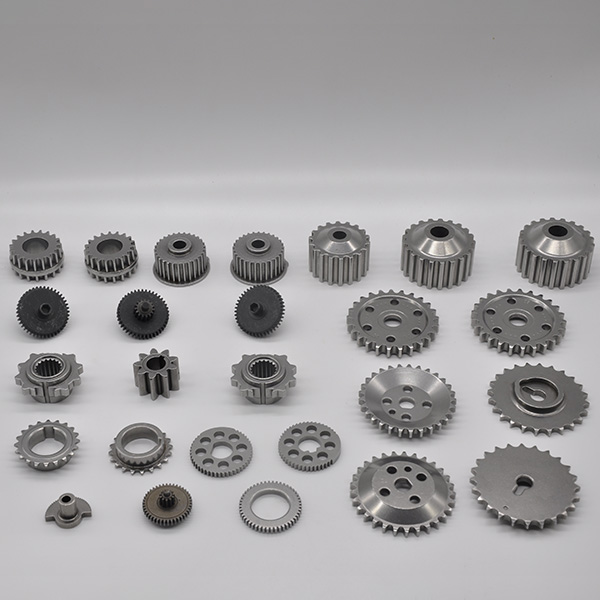
The demand for bespoke solutions in industrial applications for various gear shaft types is growing. Our approach involves close collaboration with clients to develop tailor-made components that meet unique challenges, whether it's optimizing performance under extreme conditions or integrating complex functionalities.

Customization Capabilities:

  • Material Engineering: Developing custom alloy compositions to achieve specific combinations of strength, hardness, toughness, and corrosion resistance.
  • Geometric Optimization: Designing unique gear tooth profiles (e.g., custom pressure angles, helix angles) or shaft features (e.g., specific spline designs, internal passages) for improved load distribution, noise reduction, or integration.
  • Surface Treatment Customization: Applying advanced coatings or specialized heat treatments (e.g., induction hardening of specific zones) to enhance wear resistance or reduce friction in critical areas.
  • Integrated Assemblies: Producing gear shafts with integrated components or features to simplify assembly for the end-user, reducing part count and potential failure points.

Application Case Study: Heavy-Duty Mining Equipment

Challenge: A leading manufacturer of heavy-duty mining excavators faced frequent failures of conventionally machined output shafts in their drive systems due to extreme shock loads and abrasive environments. The existing shafts exhibited premature fatigue cracking and spline wear, leading to costly downtime and maintenance.

Solution: We collaborated to redesign the output shaft, utilizing our expertise in powder forging. A custom pre-alloyed steel powder (Fe-3Ni-0.8Mo-0.4C) was selected for its high hardenability and toughness. The shaft was then powder forged to a near-net shape, followed by case carburization to achieve a surface hardness of 60 HRC for wear resistance, coupled with a tough core of 40 HRC for impact absorption. Precision grinding optimized the spline profile and bearing surfaces.

Results: Post-implementation, the new powder forged shafts demonstrated a 150% increase in fatigue life and a 75% reduction in spline wear compared to the previous design. This significantly reduced unscheduled maintenance, translating to estimated annual savings of over $500,000 per mining operation. Customer feedback highlighted improved operational reliability and increased equipment uptime, underscoring the benefits of specialized material and process engineering.
Gear Shaft Types Guide: Precision & Performance Solutions

Authoritativeness and Trustworthiness

Our commitment to quality and engineering excellence is validated through rigorous adherence to international standards, long-standing client relationships, and comprehensive support structures.

Certifications and Quality Assurance:

  • ISO 9001:2015 Certified: Demonstrating our robust Quality Management System across all processes, from design to delivery.
  • IATF 16949 Compliant: For automotive sector clients, our processes meet the stringent requirements of this global automotive quality standard, ensuring consistent product quality and supply chain reliability for gear types with images.
  • AS9100/ISO 14001: For specific aerospace or environmentally sensitive applications, we maintain compliance with relevant standards.
  • Accredited Test Laboratory: Our in-house metallurgical and mechanical testing facilities are regularly calibrated and undergo third-party audits to ensure accuracy and compliance with ASTM/DIN standards.

Partnerships and Experience:

With over 25 years of experience in powder metallurgy and advanced forging, we have built a reputation as a trusted partner for leading OEMs across various industries. Our client portfolio includes top-tier companies in automotive, agricultural, industrial, and energy sectors, reflecting our capability to deliver high-quality, reliable components consistently.

Frequently Asked Questions (FAQ):

Q: What are the typical lead times for custom powder forged gear shafts?
A: For custom gear shaft types involving new tooling, lead times typically range from 12 to 20 weeks from design approval to initial sample production, depending on complexity. For repeat orders or standard components, lead times are significantly shorter, usually 4-8 weeks.
Q: What warranty do you offer on your powder forged gear shafts?
A: We offer a standard 12-month warranty from the date of shipment against manufacturing defects and material failures under normal operating conditions. Extended warranty options are available upon discussion for specific high-stakes projects.
Q: How do you ensure the quality and consistency of your products?
A: Our quality assurance program is multi-layered, encompassing ISO 9001 certified processes, in-process statistical process control (SPC), 100% final inspection using CMM and gear rolling testers, and comprehensive material certifications. Every batch undergoes rigorous metallurgical and mechanical testing.
Q: Can you assist with the design and engineering of custom gear shafts?
A: Absolutely. Our experienced engineering team offers full design support, including material selection, finite element analysis (FEA), DFM (Design for Manufacturability), and prototyping services to ensure optimal performance and cost-efficiency for your specific application.

Lead Time & Fulfillment:

We understand the critical nature of supply chain reliability. Our advanced production planning systems ensure efficient scheduling and on-time delivery. We maintain safety stock agreements with key clients and offer flexible delivery options to align with production schedules. Expedited services are available for urgent requirements, subject to capacity.

Customer Support:

Our dedicated technical support team is available to assist with product selection, application engineering, troubleshooting, and after-sales service. We pride ourselves on responsive communication and proactive problem-solving, ensuring long-term satisfaction for our partners.

Conclusion

The intricate world of gear shaft types is central to the operational excellence of countless industrial systems. From precision engineering in material selection to advanced manufacturing processes like powder forging, every detail contributes to the ultimate performance, durability, and cost-effectiveness of motion transfer components. By leveraging cutting-edge technology, rigorous quality standards, and deep industry expertise, we provide robust, high-performance gear shafts that empower industries to achieve greater efficiency, reliability, and innovation. Partnering with a specialist in advanced gear manufacturing ensures access to solutions that are not only technically superior but also strategically aligned with evolving industrial demands.

References

  1. German Society for Materials Science (DGM) – "Powder Metallurgy: A Cost-Effective Solution for High-Performance Components."
  2. ASM International – "Handbook of Powder Metallurgy."
  3. American Gear Manufacturers Association (AGMA) Standards – "AGMA 2000-A88: Gear Classification and Inspection Handbook - Tolerances and Measuring Methods for Unassembled Enclosed Cylindrical Gears."
  4. ISO 1328-1:1995 – "Cylindrical gears — ISO system of accuracy — Part 1: Definitions and allowable values of deviations relevant to corresponding flanks of gear teeth."
  5. Materials Science and Engineering: A – Journal of the science and technology of structural materials.
2025.09.08

Understanding Critical gear shaft types in Industrial Applications

In high-performance industrial machinery, the integrity and precision of motion transfer components are paramount. Among these, the various gear shaft types stand out as foundational elements, dictating efficiency, durability, and reliability. Gear shafts are critical for transmitting torque and motion in a vast array of mechanical systems, from heavy-duty industrial gearboxes to intricate precision instruments. Their design, material selection, and manufacturing precision directly impact the overall performance, noise levels, and lifespan of an assembly. This comprehensive guide explores the multifaceted world of gear shafts, emphasizing their critical role in B2B contexts.

The selection of appropriate gear shaft types is a complex engineering decision, balancing factors like load capacity, speed requirements, environmental conditions, and cost-effectiveness. Innovations in materials science and manufacturing techniques, particularly in powder metallurgy and advanced forging, continue to redefine what is possible in terms of component strength, wear resistance, and geometric precision. Our focus here is to provide B2B decision-makers and engineers with deep insights into these components, from fundamental principles to cutting-edge applications.

Manufacturing Process Flow for Advanced Gear Shafts

The production of high-performance gear shaft types is an intricate process, demanding stringent quality control at every stage. We focus on advanced manufacturing techniques, such as powder forging, which offers superior material properties and near-net-shape capabilities compared to traditional methods like casting or machining from bar stock. Below is a detailed process flow:

1. Material Selection & Preparation

  • Materials: Typically high-strength alloy steels (e.g., AISI 4140, 8620, EN24, 20CrMnTi) are used for their excellent hardenability and toughness. For powder forged gears, pre-alloyed steel powders (e.g., Fe-Ni-Mo-Cu-C) are selected to achieve specific mechanical properties.
  • Powder Blending (for PM): Precisely weighted metallic powders, alloying elements, and lubricants are uniformly blended to ensure homogeneous material distribution.

2. Pre-Forming (Compaction)

  • Die Compaction: The blended powder is fed into a rigid die and compacted under high pressure (typically 400-800 MPa) to form a "green" compact, which has sufficient strength for handling. Density control is crucial here.

3. Sintering

  • Furnace Treatment: The green compacts are heated in a controlled atmosphere furnace (e.g., hydrogen, nitrogen, or dissociated ammonia) to a temperature below the melting point of the main constituent (typically 1100-1300°C). This process bonds the powder particles, increasing strength and partially densifying the component.

4. Powder Forging (Hot Forging)

  • Hot Re-pressing: The sintered pre-form is reheated and then forged in a closed die. This crucial step achieves near-full density (typically >99%), refines the grain structure, and imparts excellent mechanical properties, including high fatigue strength and impact resistance. This process is particularly advantageous for complex gear profiles, reducing subsequent machining.

5. Machining & Finishing

  • CNC Machining: Precision turning, milling, and grinding operations are performed to achieve final dimensions, surface finish, and intricate features not attainable directly through forging. This includes creating keyways, splines, and precise bearing seats.
  • Gear Cutting: Processes like hobbing, shaping, or milling are used to create specific gear types with images of teeth (e.g., spur, helical, bevel, worm gears), ensuring precise tooth profiles and helix angles.
  • Deburring & Polishing: Removal of burrs and sharp edges to enhance component life and safety.

6. Heat Treatment

  • Carburizing/Nitriding: Surface hardening treatments are applied to enhance wear resistance and fatigue strength while maintaining a tough core. This improves the service life significantly, especially for components subjected to high contact stresses and cyclic loading.
  • Quenching & Tempering: Followed by hardening to achieve desired hardness and ductility.

7. Grinding & Inspection

  • Precision Grinding: Critical surfaces and gear teeth are ground to achieve ultra-high precision, low noise, and improved contact patterns.
  • Testing Standards: Adherence to international standards such as ISO (e.g., ISO 1328 for gear accuracy), ANSI/AGMA (e.g., AGMA 2000 for gear classification), and DIN ensures consistent quality. Non-destructive testing (NDT) like magnetic particle inspection (MPI) or ultrasonic testing (UT) is employed for defect detection.
  • Metrological Inspection: CMM (Coordinate Measuring Machine) for dimensional accuracy, profilometers for surface finish, and gear rolling testers for tooth profile analysis.
gear shaft types

Target Industries: These meticulously engineered gear shaft types are critical in industries requiring extreme reliability and long service life, including petrochemical, metallurgy, mining, power generation, water supply & drainage, and heavy machinery manufacturing. They offer significant advantages in typical application scenarios, such as enhanced energy saving through reduced friction and improved efficiency, and superior corrosion resistance when appropriate coatings or materials are selected, leading to extended operational periods and reduced maintenance costs.

Industry Trends and Technological Advancements

The landscape for gear shaft types is continuously evolving, driven by demands for higher power density, increased efficiency, and extended service life. Key trends include:

  • Lightweighting: The push for lighter components, especially in automotive and aerospace, without compromising strength. Advanced materials like composites and high-strength alloys, combined with optimized topology, are crucial.
  • Additive Manufacturing (AM): While not yet mainstream for high-volume, structural gear shafts, AM holds promise for prototyping, producing complex internal geometries for lubrication, or for specialized, low-volume applications with custom gear and types.
  • Smart Manufacturing & IIoT: Integration of sensors for real-time monitoring of temperature, vibration, and torque, enabling predictive maintenance and optimizing operational parameters.
  • Advanced Heat Treatments: Development of more environmentally friendly and energy-efficient heat treatment processes, offering improved surface hardness and residual stress profiles.
  • Enhanced Surface Engineering: New coatings (e.g., DLC, PVD/CVD) that provide superior wear, friction, and corrosion resistance, extending component life in harsh environments.
  • Digital Twin & Simulation: Extensive use of FEA (Finite Element Analysis) and multi-body dynamics simulations to predict performance, optimize designs, and reduce physical prototyping cycles for various gear shaft types.

These trends underscore a move towards more intelligent, sustainable, and high-performing solutions that push the boundaries of traditional gear technology.

Technical Specifications and Performance Parameters

Precision-engineered gear shaft types are characterized by a range of critical technical parameters that define their functionality and performance envelope. Understanding these specifications is essential for proper integration and long-term reliability.

Typical Product Specification Table: Powder Forged Gear Shaft

Parameter Specification Range Units Notes
Material Pre-alloyed Steel Powder (e.g., Fe-2Ni-0.5Mo-0.3C) - Customizable for specific applications
Density ≥ 7.8 g/cm³ g/cm³ Achieved via powder forging (99% theoretical)
Tensile Strength (UTS) 1200 - 1800 MPa After heat treatment (e.g., case hardening)
Yield Strength (YS) 800 - 1200 MPa Essential for load-bearing capacity
Surface Hardness 58 - 62 HRC Achieved via carburizing/nitriding
Core Hardness 30 - 45 HRC Ensures toughness and impact resistance
Gear Accuracy Class ISO 6-8 (AGMA 9-11) - Post-grinding precision for low noise and wear
Surface Roughness (Ra) 0.4 - 0.8 µm For critical contact surfaces and bearing seats
Max Torque Capacity Varies with dimensions and design Nm Specific to individual part geometry and application
Fatigue Life (B10) > 10^7 cycles Cycles At specified load conditions (90% reliability)

These parameters, alongside dimensional tolerances and geometric features (e.g., runout, perpendicularity), define the fit, form, and function of the gear shaft, ensuring optimal performance within complex mechanical systems.

Application Scenarios and Technical Advantages

The diverse array of gear shaft types finds critical applications across a multitude of industries, each demanding specific performance attributes. Our powder forged gear shafts excel in scenarios requiring high strength, wear resistance, and precision.

Typical Application Scenarios:

  • Automotive Transmissions: Both passenger and heavy-duty commercial vehicles rely on high-precision gear shafts for manual, automatic, and hybrid transmissions, ensuring smooth power transfer and fuel efficiency. Powder forged gears contribute to lightweighting and reduced noise, addressing critical industry requirements for improved NVH (Noise, Vibration, Harshness).
  • Industrial Gearboxes: Found in applications like conveyors, mixers, pumps, and presses within manufacturing, mining, and material handling, where continuous operation under heavy loads necessitates robust and durable components.
  • Agricultural Machinery: Tractors, harvesters, and other farm equipment utilize robust gear shafts in their powertrains and PTO (Power Take-Off) systems to withstand demanding environmental conditions and intermittent shock loads.
  • Wind Turbines: High-torque gearboxes within wind turbines use large, high-strength gear shafts to convert rotor speed into generator speed efficiently, requiring exceptional fatigue resistance and operational reliability over decades.
  • Construction Equipment: Excavators, loaders, and cranes depend on powerful gear systems to drive tracks, booms, and hydraulic pumps, demanding high impact strength and abrasion resistance.
gear shaft types

Technical Advantages of Powder Forged Gear Shafts:

  • Superior Mechanical Properties: Near-full density and fine grain structure achieved through powder forging result in exceptional fatigue strength, impact resistance, and torsional rigidity, outperforming many cast or conventionally machined parts. Test data consistently shows a 20-30% improvement in bending fatigue limit compared to conventionally processed components of similar composition.
  • Enhanced Precision & Reduced Machining: Powder forging produces near-net-shape components with high dimensional accuracy, minimizing the need for extensive subsequent machining. This leads to significant material savings (reducing waste by up to 50%) and reduced production costs.
  • Consistent Quality: The controlled powder metallurgy process ensures high material homogeneity and uniform mechanical properties throughout the component, reducing variability and enhancing reliability. This is supported by statistical process control (SPC) data showing Cpk values consistently above 1.67 for critical dimensions.
  • Cost-Effectiveness: While initial tooling costs can be higher, the reduced material waste, energy consumption, and machining time in high-volume production make powder forged gear shafts highly cost-effective in the long run. Studies indicate up to a 15% reduction in total part cost for complex geometries.
  • Optimized Performance: The ability to engineer specific material compositions and microstructures allows for tailored performance characteristics, such as specific core hardness for toughness and case hardness for wear resistance, extending the operational life and efficiency of gear and types assemblies.

Vendor Comparison: Key Differentiators

Selecting the right vendor for specialized gear shaft types is crucial for ensuring product quality, supply chain reliability, and technical support. Beyond mere cost, B2B decision-makers must evaluate expertise, technological capabilities, and commitment to quality.

Comparative Analysis of Gear Shaft Suppliers

Feature/Criterion Leading Powder Forging Specialist (e.g., JSSintering) Traditional Forging/Machining Vendor General CNC Machining Shop
Manufacturing Process Focus Advanced Powder Forging (PF) Conventional Hot/Cold Forging & Machining Primarily material removal (bar stock)
Material Utilization Efficiency High (90-95% near-net-shape) Moderate (60-80% with flash/scrap) Low (30-50% for complex parts)
Achievable Density ≥ 99% Theoretical 100% (Wrought) 100% (Wrought)
Mechanical Properties Excellent (isotropic strength, high fatigue life) Very Good (anisotropic grain flow) Good (dependent on bar quality)
Complexity of Geometry High (intricate gear tooth profiles, internal features) Moderate (requires significant post-forging machining) High (limited by tool access and material waste)
Tooling Cost High (complex dies) Moderate to High Low to Moderate
Unit Cost (High Volume) Low to Moderate Moderate to High High
Typical Lead Time (New Part) 12-20 weeks (Tooling + Prototyping) 10-16 weeks 4-10 weeks

For mission-critical applications where performance, consistency, and long-term cost-efficiency are paramount, specialist powder forging companies like JSSintering offer distinct advantages. Our expertise in tailoring material compositions and process parameters to specific application requirements results in superior gear shaft types.

Customized Solutions and Application Case Studies

The demand for bespoke solutions in industrial applications for various gear shaft types is growing. Our approach involves close collaboration with clients to develop tailor-made components that meet unique challenges, whether it's optimizing performance under extreme conditions or integrating complex functionalities.

Customization Capabilities:

  • Material Engineering: Developing custom alloy compositions to achieve specific combinations of strength, hardness, toughness, and corrosion resistance.
  • Geometric Optimization: Designing unique gear tooth profiles (e.g., custom pressure angles, helix angles) or shaft features (e.g., specific spline designs, internal passages) for improved load distribution, noise reduction, or integration.
  • Surface Treatment Customization: Applying advanced coatings or specialized heat treatments (e.g., induction hardening of specific zones) to enhance wear resistance or reduce friction in critical areas.
  • Integrated Assemblies: Producing gear shafts with integrated components or features to simplify assembly for the end-user, reducing part count and potential failure points.

Application Case Study: Heavy-Duty Mining Equipment

Challenge: A leading manufacturer of heavy-duty mining excavators faced frequent failures of conventionally machined output shafts in their drive systems due to extreme shock loads and abrasive environments. The existing shafts exhibited premature fatigue cracking and spline wear, leading to costly downtime and maintenance.

Solution: We collaborated to redesign the output shaft, utilizing our expertise in powder forging. A custom pre-alloyed steel powder (Fe-3Ni-0.8Mo-0.4C) was selected for its high hardenability and toughness. The shaft was then powder forged to a near-net shape, followed by case carburization to achieve a surface hardness of 60 HRC for wear resistance, coupled with a tough core of 40 HRC for impact absorption. Precision grinding optimized the spline profile and bearing surfaces.

Results: Post-implementation, the new powder forged shafts demonstrated a 150% increase in fatigue life and a 75% reduction in spline wear compared to the previous design. This significantly reduced unscheduled maintenance, translating to estimated annual savings of over $500,000 per mining operation. Customer feedback highlighted improved operational reliability and increased equipment uptime, underscoring the benefits of specialized material and process engineering.

gear shaft types

Authoritativeness and Trustworthiness

Our commitment to quality and engineering excellence is validated through rigorous adherence to international standards, long-standing client relationships, and comprehensive support structures.

Certifications and Quality Assurance:

  • ISO 9001:2015 Certified: Demonstrating our robust Quality Management System across all processes, from design to delivery.
  • IATF 16949 Compliant: For automotive sector clients, our processes meet the stringent requirements of this global automotive quality standard, ensuring consistent product quality and supply chain reliability for gear types with images.
  • AS9100/ISO 14001: For specific aerospace or environmentally sensitive applications, we maintain compliance with relevant standards.
  • Accredited Test Laboratory: Our in-house metallurgical and mechanical testing facilities are regularly calibrated and undergo third-party audits to ensure accuracy and compliance with ASTM/DIN standards.

Partnerships and Experience:

With over 25 years of experience in powder metallurgy and advanced forging, we have built a reputation as a trusted partner for leading OEMs across various industries. Our client portfolio includes top-tier companies in automotive, agricultural, industrial, and energy sectors, reflecting our capability to deliver high-quality, reliable components consistently.

Frequently Asked Questions (FAQ):

Q: What are the typical lead times for custom powder forged gear shafts?
A: For custom gear shaft types involving new tooling, lead times typically range from 12 to 20 weeks from design approval to initial sample production, depending on complexity. For repeat orders or standard components, lead times are significantly shorter, usually 4-8 weeks.
Q: What warranty do you offer on your powder forged gear shafts?
A: We offer a standard 12-month warranty from the date of shipment against manufacturing defects and material failures under normal operating conditions. Extended warranty options are available upon discussion for specific high-stakes projects.
Q: How do you ensure the quality and consistency of your products?
A: Our quality assurance program is multi-layered, encompassing ISO 9001 certified processes, in-process statistical process control (SPC), 100% final inspection using CMM and gear rolling testers, and comprehensive material certifications. Every batch undergoes rigorous metallurgical and mechanical testing.
Q: Can you assist with the design and engineering of custom gear shafts?
A: Absolutely. Our experienced engineering team offers full design support, including material selection, finite element analysis (FEA), DFM (Design for Manufacturability), and prototyping services to ensure optimal performance and cost-efficiency for your specific application.

Lead Time & Fulfillment:

We understand the critical nature of supply chain reliability. Our advanced production planning systems ensure efficient scheduling and on-time delivery. We maintain safety stock agreements with key clients and offer flexible delivery options to align with production schedules. Expedited services are available for urgent requirements, subject to capacity.

Customer Support:

Our dedicated technical support team is available to assist with product selection, application engineering, troubleshooting, and after-sales service. We pride ourselves on responsive communication and proactive problem-solving, ensuring long-term satisfaction for our partners.

Conclusion

The intricate world of gear shaft types is central to the operational excellence of countless industrial systems. From precision engineering in material selection to advanced manufacturing processes like powder forging, every detail contributes to the ultimate performance, durability, and cost-effectiveness of motion transfer components. By leveraging cutting-edge technology, rigorous quality standards, and deep industry expertise, we provide robust, high-performance gear shafts that empower industries to achieve greater efficiency, reliability, and innovation. Partnering with a specialist in advanced gear manufacturing ensures access to solutions that are not only technically superior but also strategically aligned with evolving industrial demands.

References

  1. German Society for Materials Science (DGM) – "Powder Metallurgy: A Cost-Effective Solution for High-Performance Components."
  2. ASM International – "Handbook of Powder Metallurgy."
  3. American Gear Manufacturers Association (AGMA) Standards – "AGMA 2000-A88: Gear Classification and Inspection Handbook - Tolerances and Measuring Methods for Unassembled Enclosed Cylindrical Gears."
  4. ISO 1328-1:1995 – "Cylindrical gears — ISO system of accuracy — Part 1: Definitions and allowable values of deviations relevant to corresponding flanks of gear teeth."
  5. Materials Science and Engineering: A – Journal of the science and technology of structural materials.

If you are interested in our products, you can choose to leave your information here, and we will be in touch with you shortly.


If you are interested in our products, you can choose to leave your information here, and we will be in touch with you shortly.