




A Practical Guide to Gear Teeth Types in Modern Power-Tool Drives
If you’ve ever torn down a hammer drill (I have, too many weekends), you’ll notice something: the tooth geometry tells the story. In the power-tool world, the move from chunky milled gears to compact powder-metal spur gears is well underway. And it’s not hype—density and consistency are getting better every year, which changes how we pick and mix Gear Teeth Types for torque, noise, and cost.
Industry trend check
Tool makers want lighter housings, higher stall torque, and fewer warranty claims. That nudges designs toward fine-pitch spur profiles with robust surface hardening. Powder metallurgy (PM) hits the sweet spot: near-net shape, tight tolerance, and repeatability. Honestly, five years ago I’d have been skeptical about durability in impact loads—now, with proper sinter-hard and HF quench, real-world performance is surprising.
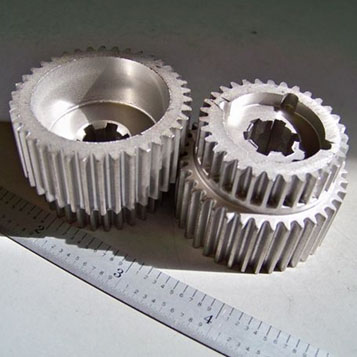
Where this all lands: Jingshi’s powder metal hammer drill gears
Origin: TIANSHAN INTERNATIONAL MANUFACTURING INDUSTRY PARK NO.57, YUANSHI, SHIJIAZHUANG CITY, HEBEI PROVINCE, CHINA. I visited the area last spring; it’s become a tight little hub for PM.
| Spec | Details (≈ values; real-world use may vary) |
|---|---|
| Product | Powder metal hammer drill gears (Spur) |
| Materials | Iron-based powder, Steel, Stainless, Copper/Nickel blends |
| Density | ≈ 6.9–7.3 g/cm³ (after sinter + sizing) |
| Hardness | HRC 28–45 core; case HRC 50–58 with HF quenching |
| Precision | Up to ISO 1328 Grade 7–9 typical; tighter with finish machining |
| Treatments | High-frequency quench, oil impregnation, shot peen (optional) |
| Certifications | ISO 9001; TS/IATF 16949 for automotive-grade systems |
Process flow (the short version)
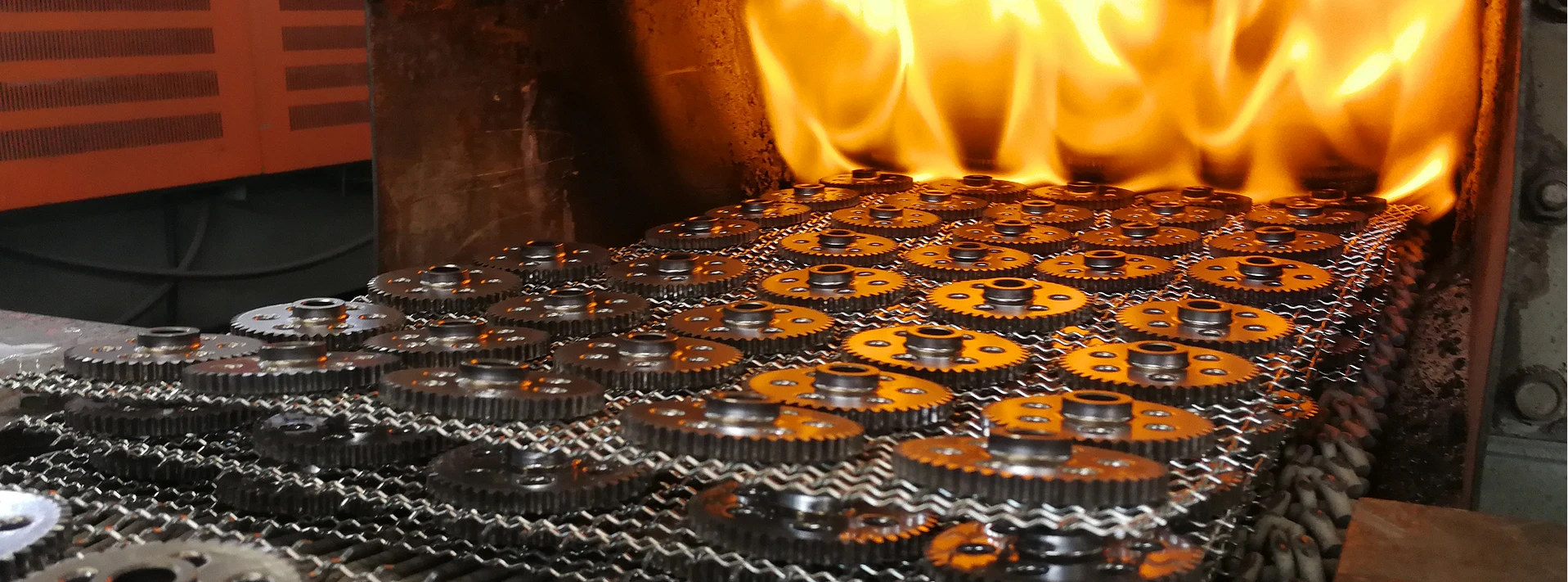
Powder selection and blending → compaction in a precision die → sintering (controlled atmosphere) → sizing/calibration → tooth shaving or skim machining (as needed) → high-frequency quench → oil impregnation → 100% visual + sampling-based metrology (CMM, gear tester). Testing aligns with ISO 1328 accuracy checks, AGMA tooth bending/contact stress models (via ISO 6336 methods), and MPIF Standard 35 material guidelines. Typical service life in hammer drills: ≈ 400–800 hours under mixed duty, depending on lubrication and load cycles.
Choosing among Gear Teeth Types
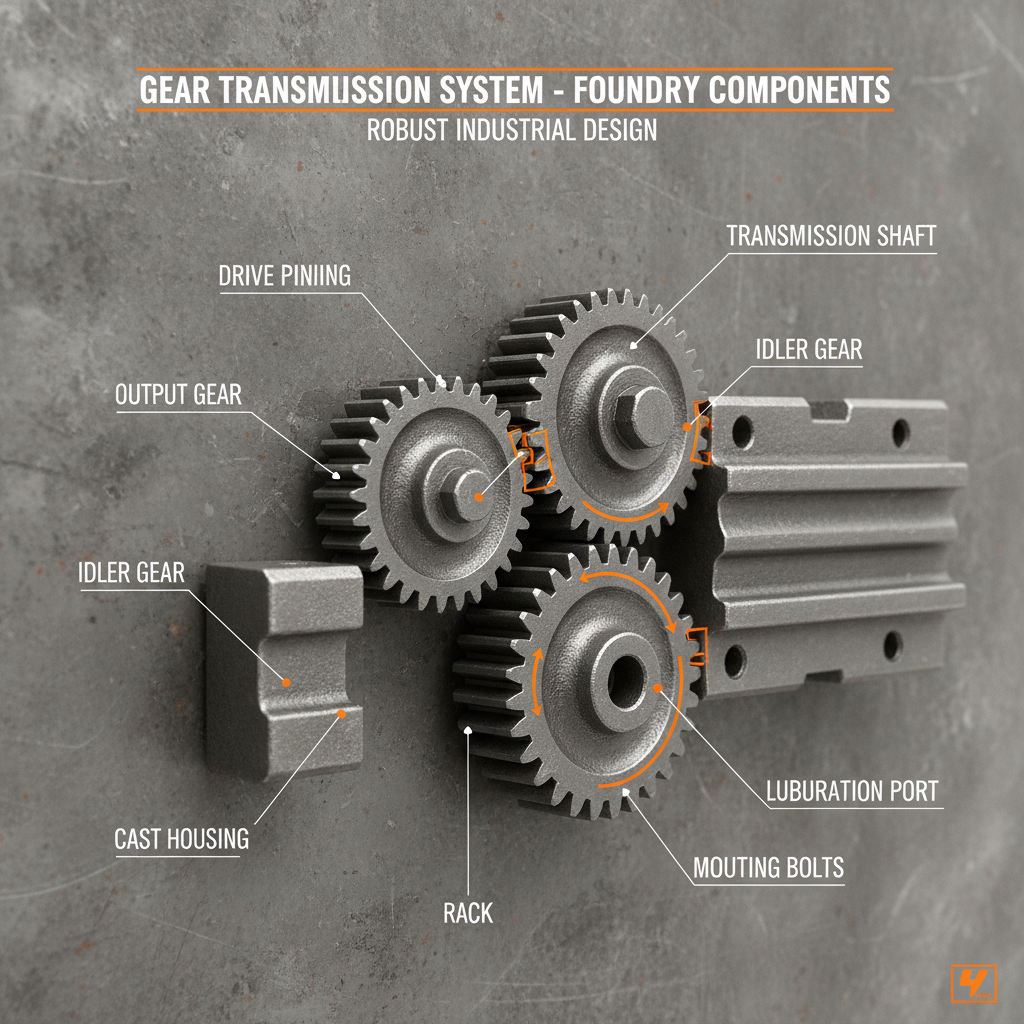
- Spur (what we’re discussing): best efficiency, straightforward to make, predictable in PM.
- Helical: quieter and smoother; more axial load, higher tooling and control in PM.
- Profile tweaks: tip relief, crowning, and modified addendum to survive impact torque.
In hammer drills, many customers say a refined spur with micro-geometry tweaks gives the best balance—less whine than basic spur, no helical thrust headaches.
Vendor snapshot
| Vendor | Teeth Types | MOQ | Lead Time | Certs | Notes |
|---|---|---|---|---|---|
| Jingshi (Hebei) | Spur, custom fine-pitch Gear Teeth Types | ≈ 3k–5k | 4–6 weeks tooling; 2–4 weeks repeat | ISO 9001, TS/IATF 16949 | Strong on PM cost/volume |
| Machining-only shop | Spur, Helical | Low (≈ 100+) | 2–8 weeks | Varies | Great for protos, higher unit cost |
| Large import brand | Spur/Helical, hardened | High (10k+) | 8–12 weeks | IATF 16949, others | Premium pricing, robust QA |
Applications and feedback
- Hammer drills, SDS rotary hammers, compact demolition drivers.
- Pro-grade cordless tools seeking lower noise without helical cost.
“Our warranty claims on gear chipping dropped by about 30% after switching to HF-quenched PM spur.” — Tool engineering manager, DACH region. Another buyer told me noise at 12–18k rpm “fell enough that marketing noticed.”
Customization and QA
OEM options: module 0.4–1.5, custom tooth count, tip relief, oil channels, and press-only or post-machined bores. Test data: contact pattern per ISO 1328; bending per ISO 6336/AGMA; porosity and density per MPIF standards. Typical Cpk targets: ≥1.33 on key dimensions. Traceability via batch QR in IATF 16949 systems.
Quick case notes
APAC cordless drill: moved to PM spur, 11% cost-out, same torque, +18% life in bench cycling. North America SDS+ tool: modified addendum + shot peen cut flank pitting by ≈22% in gravel-mix dust tests.
Standards and references
- ISO 1328-1: Cylindrical gears — ISO system of accuracy
- ISO 6336: Calculation of load capacity of spur and helical gears
- AGMA 2001-D04: Rating the pitting resistance and bending strength
- MPIF Standard 35: Materials Standards for PM Structural Parts
- IATF 16949: Automotive quality management systems
- ISO 6507: Vickers hardness testing