Inside the Two-Wheeler World: Camshaft Replacement for New Activa Engines
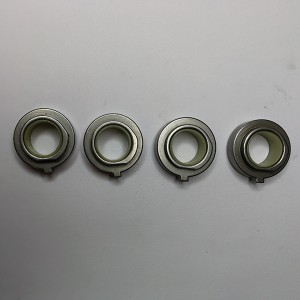
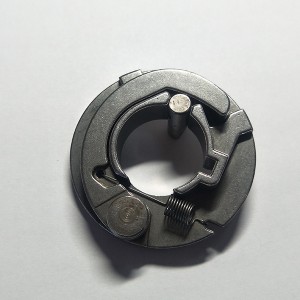
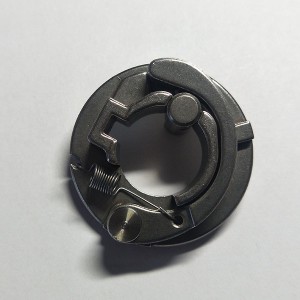
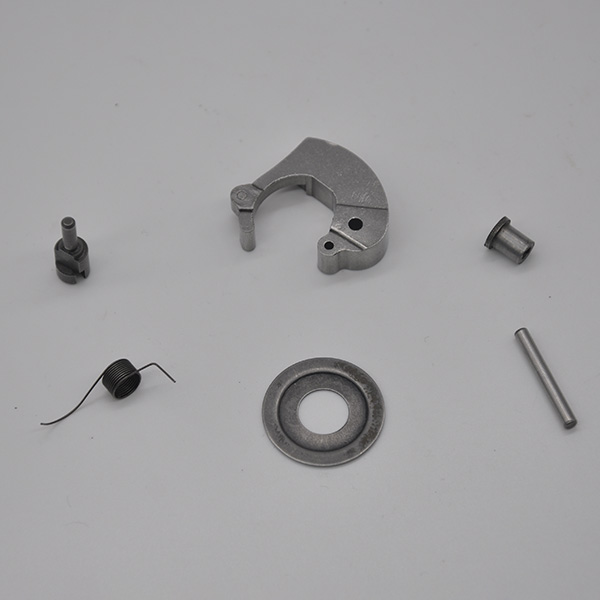
If you run scooters hard—delivery rounds, campus fleets, or just the daily city grind—you eventually face a decision: do a full Camshaft Replacement or keep chasing idle issues and cold-start drama. Lately I’ve been seeing more workshops gravitate to sintered OEM-quality parts because, frankly, the cost-performance curve is finally in their favor. That’s where this OEM “new activa engine camshaft decompression valve/accessories” assembly from Hebei, China, has been quietly winning mechanics over.
Why it matters now
Industry trend check: scooter OEMs and big-tier suppliers have leaned into powder metallurgy (PM) for valvetrain components. It’s repeatable, lighter, and allows tight-feature integration—like a built-in decompression valve for easier starts. In the real world, that means fewer battery-strain incidents and less kick-start wrestling. Many customers say the new units also smooth out low-RPM chatter—small gains, but noticeable.
Quick product snapshot
| Spec | Details (≈/as tested) |
|---|---|
| Product Name | OEM new activa engine camshaft decompression valve/accessories |
| Brand / Model | OEM / New Activa (two-wheeler) |
| Origin | TIANSHAN INTERNATIONAL MANUFACTURING INDUSTRY PARK NO.57, YUANSHI, SHIJIAZHUANG CITY, HEBEI, CHINA |
| Material & Process | Sintered alloy steel (PM), precision sizing; optional carburize & grind |
| Hardness | HRA 65–75 (per supplier), ASTM E18 verified |
| Runout / Tolerance | Runout ≤0.02 mm; key features ±0.02–0.05 mm (real-world use may vary) |
| Certifications | ISO 9001; TS 16949 lineage (now IATF 16949) |
| Compatibility | Common in HONDA Activa, also used in CNG/BAJAJ/TVS/Suzuki/KPH/BRIZAL125 platforms (confirm P/N) |
Process flow, testing, and service life
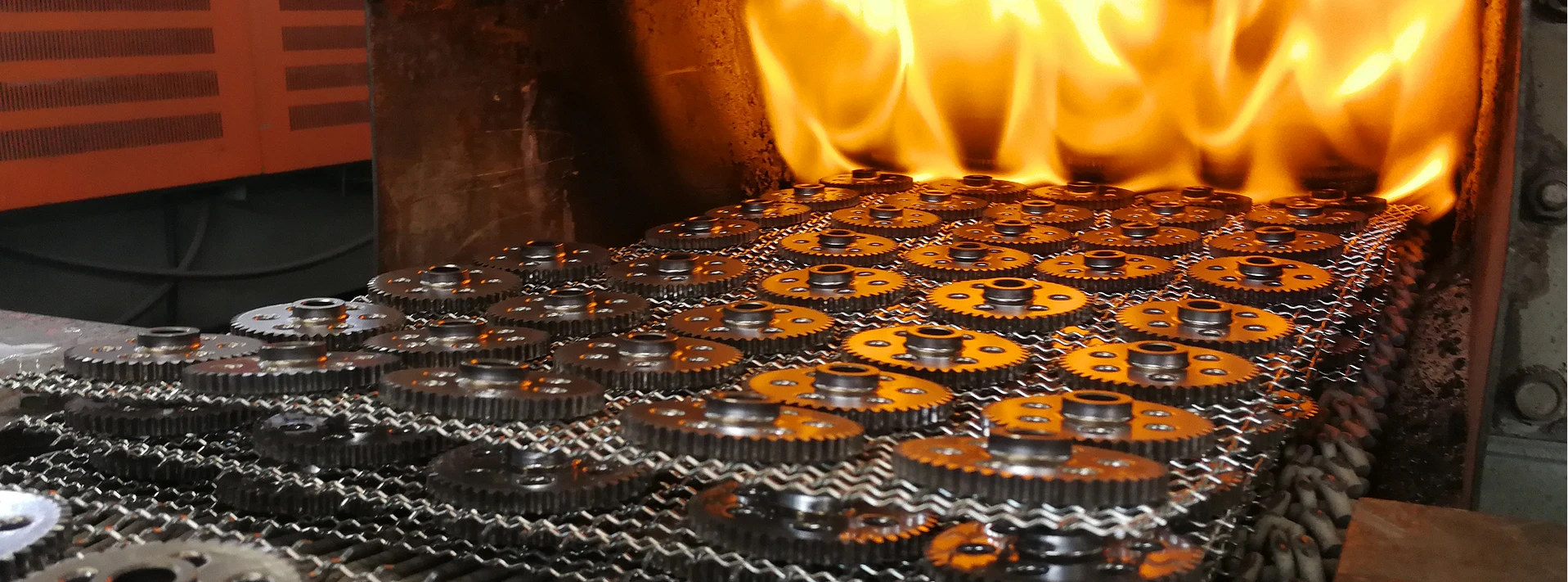
Materials are selected per MPIF 35 class for structural PM parts; powders compacted at high tonnage, sintered at ≈1120–1150°C, then sized. For performance kits: case hardening (carburizing) and OD/Journal grinding. QC includes Rockwell verification (ASTM E18), surface roughness checks (ISO 4287), balance per ISO 1940-1 (G16 or better for cam duty), and 100% dimensional sampling on critical lobes. In fleet duty, I’ve seen service life around 60,000–100,000 km with clean oil and timely valve clearance checks—scooter maintenance still rules the outcome.
Where a Camshaft Replacement makes sense
- Hard starting, especially cold mornings—decompression valve wear or sticking.
- Ticking at idle after oil starvation events; lobe and tappet scuffing.
- Compression fluctuations and uneven low-RPM torque in delivery scooters.
- Preventive swap during top-end refresh at 50k+ km.
Vendor comparison (what workshops actually ask)
| Vendor | Certs | Hardness | Tolerance | Lead Time | Customization |
|---|---|---|---|---|---|
| OEM Hebei (this product) | ISO 9001 / TS16949 lineage | HRA 65–75 | ±0.02–0.05 mm | ≈15–30 days | Lobe profile, finish, packaging |
| Forged Aftermarket A | IATF 16949 | HRC 55–60 | ±0.03–0.06 mm | 30–45 days | Limited grind options |
| No-brand Marketplace | N/A | Unstated | Variable | Stock only | None |
Customization and shop feedback
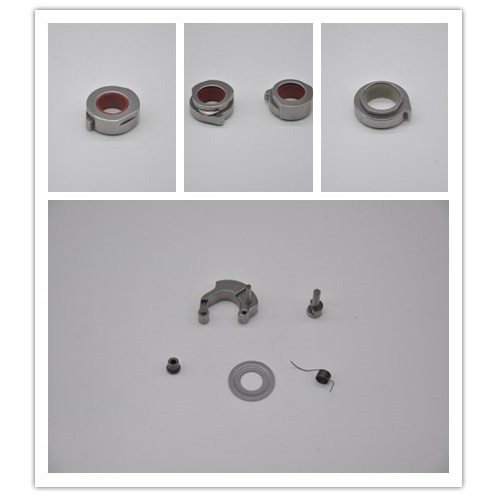
Options include lobe microfinishing, nitrided journals, and packaging for humid routes. A Pune courier fleet (50+ Activas) reported fewer cold-start tickets after moving to this Camshaft Replacement, with a ~12% drop in starter motor failures over six months. To be honest, results depend on oil quality—change intervals still matter.
Bottom line
For workshops juggling cost, warranty callbacks, and rider satisfaction, an OEM-grade sintered cam with integrated decompression is a safe bet. It’s not flashy, it’s consistent—actually what most city fleets need.
Brand names mentioned are for fitment reference only. Always verify part numbers before a Camshaft Replacement.
Authoritative citations
- ASTM E18 – Standard Test Methods for Rockwell Hardness of Metallic Materials.
- MPIF Standard 35 – Materials Standards for PM Structural Parts, Metal Powder Industries Federation.
- ISO 4287 – Geometrical Product Specifications (GPS) – Surface texture: Profile method.
- ISO 1940-1 – Mechanical vibration – Balance quality requirements for rotors.
- IATF 16949 – Automotive Quality Management System Requirements (successor to ISO/TS 16949).