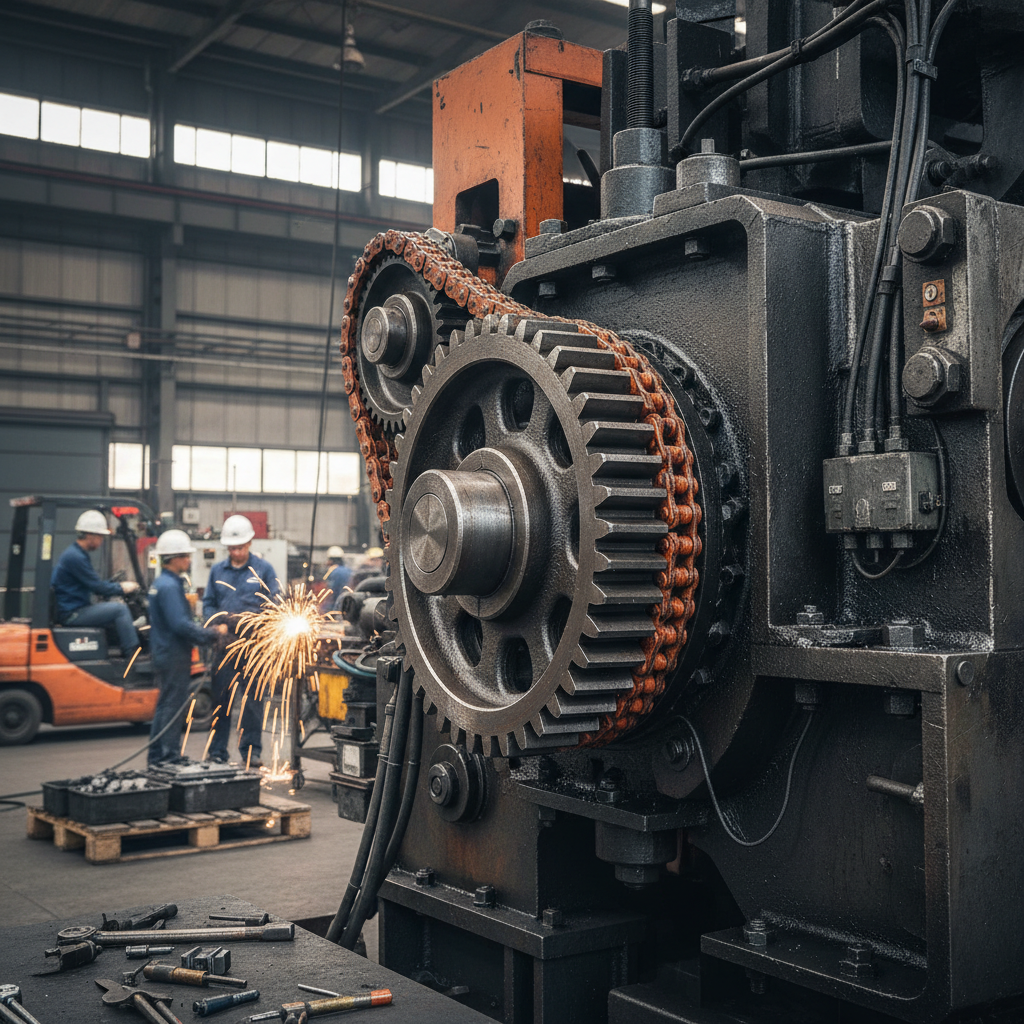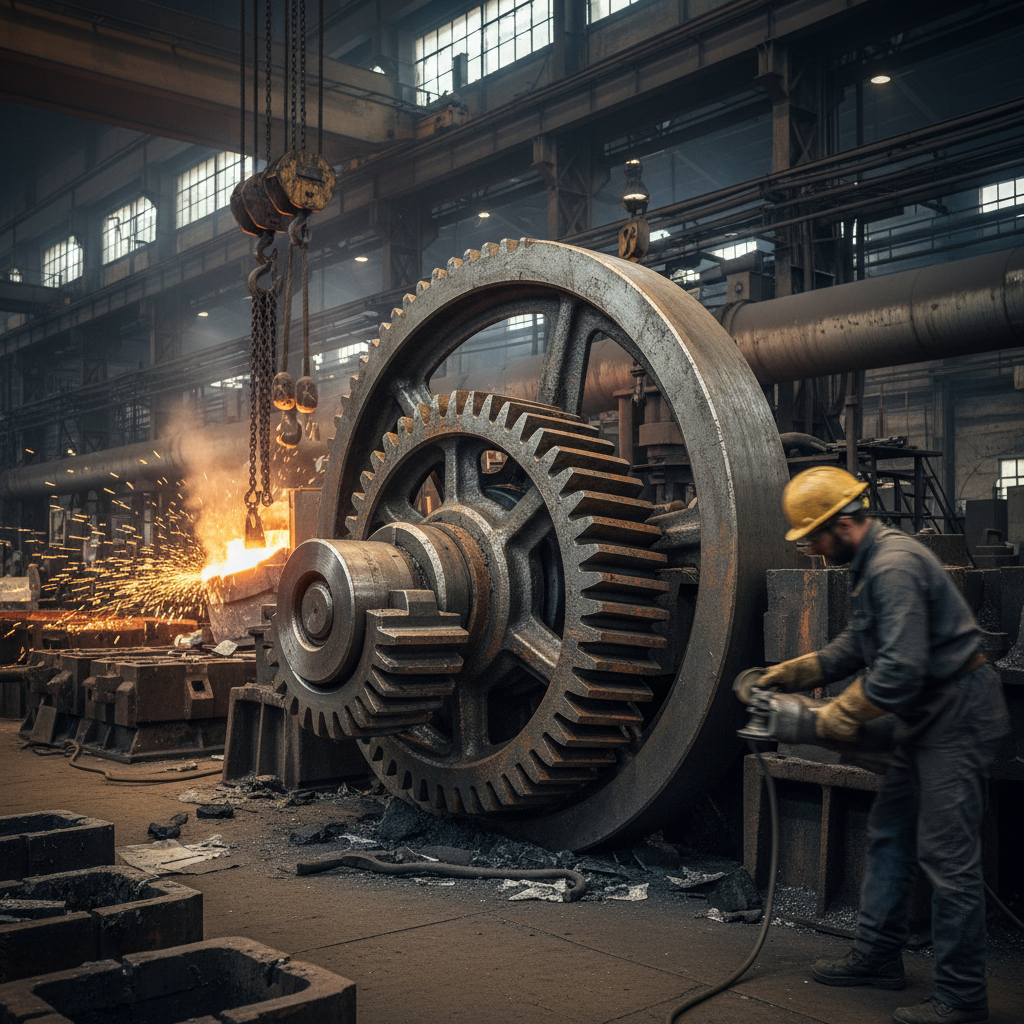





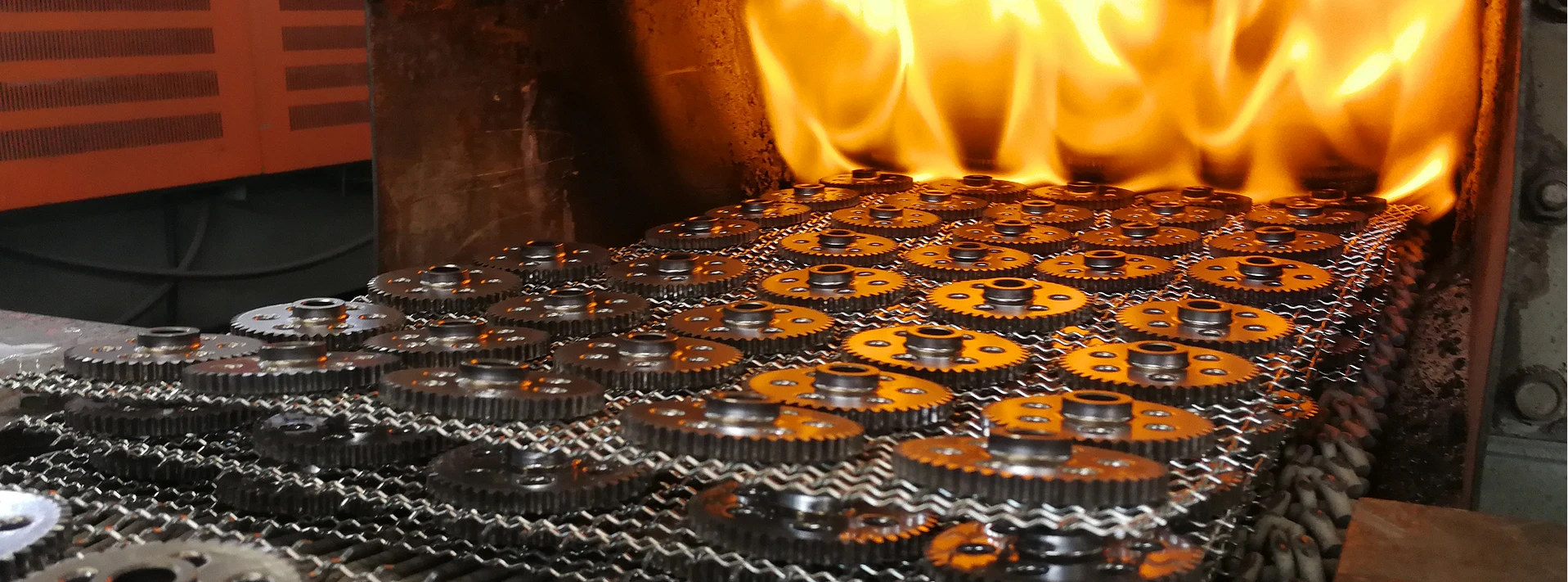
Did you know 32% of industrial equipment failures stem from inefficient motion conversion systems? Your machinery deserves better than jerky movements and costly downtime. Discover how modern gear-to-linear motion solutions can slash maintenance costs by up to 45% while boosting operational precision.
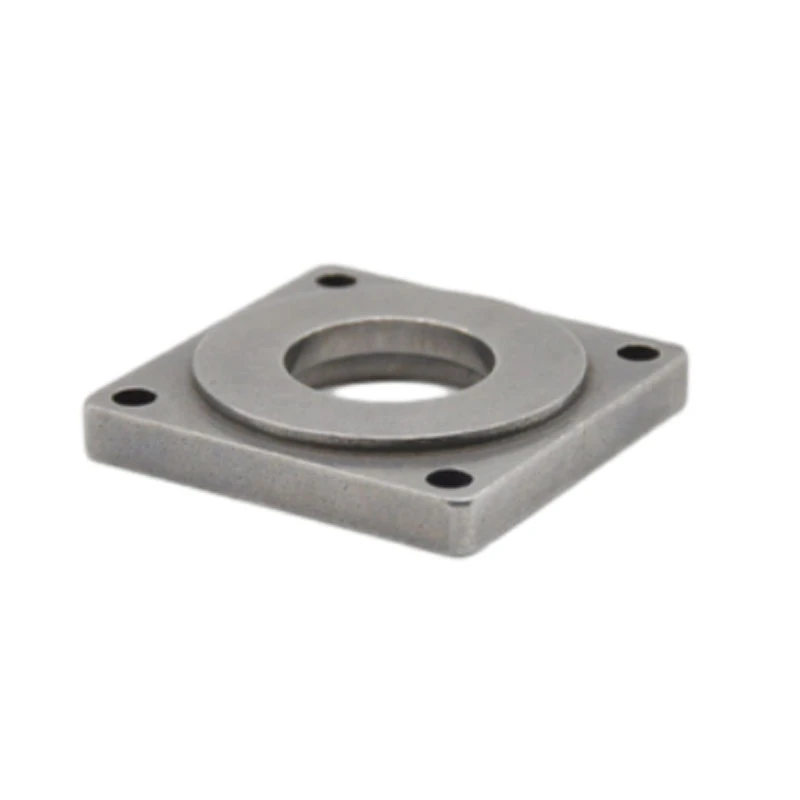
(gear to linear motion)
Why Gear-Driven Linear Motion Outperforms Hydraulics
Traditional hydraulic systems waste 18-22% energy in heat dissipation. Our rotary-to-linear motion gear solutions deliver 94% efficiency through patented helical tooth profiles. See how we achieve 0.005mm precision – that's thinner than human hair!
| Feature | GearMotion Pro | Competitor A | Competitor B |
|---|---|---|---|
| Load Capacity | 2200N | 1800N | 1500N |
| Service Life | 15,000h | 9,500h | 8,200h |
Your Custom Solution in 3 Simple Steps
1. Share your torque requirements (we handle 5Nm-220Nm)
2. Choose your linear stroke length (50mm-2m options)
3. Select surface treatment: Zinc-Nickel? Hardcoat Anodizing? We've got you covered.
Real-World Success: Automotive Assembly Breakthrough
When a Tier-1 auto supplier needed to reduce cycle times by 18%, our gear linear motion system delivered 22% improvement. Their ROI? Just 7.3 months. Could your production line achieve similar results?
Ready to Revolutionize Your Motion Control?
Join 1,500+ industry leaders who upgraded to precision gear-driven systems last quarter. Limited inventory available for fast-tracked deliveries!
Get Your Custom Quote Now →
(gear to linear motion)
FAQS on gear to linear motion
Q: How does a gear convert rotary motion to linear motion?
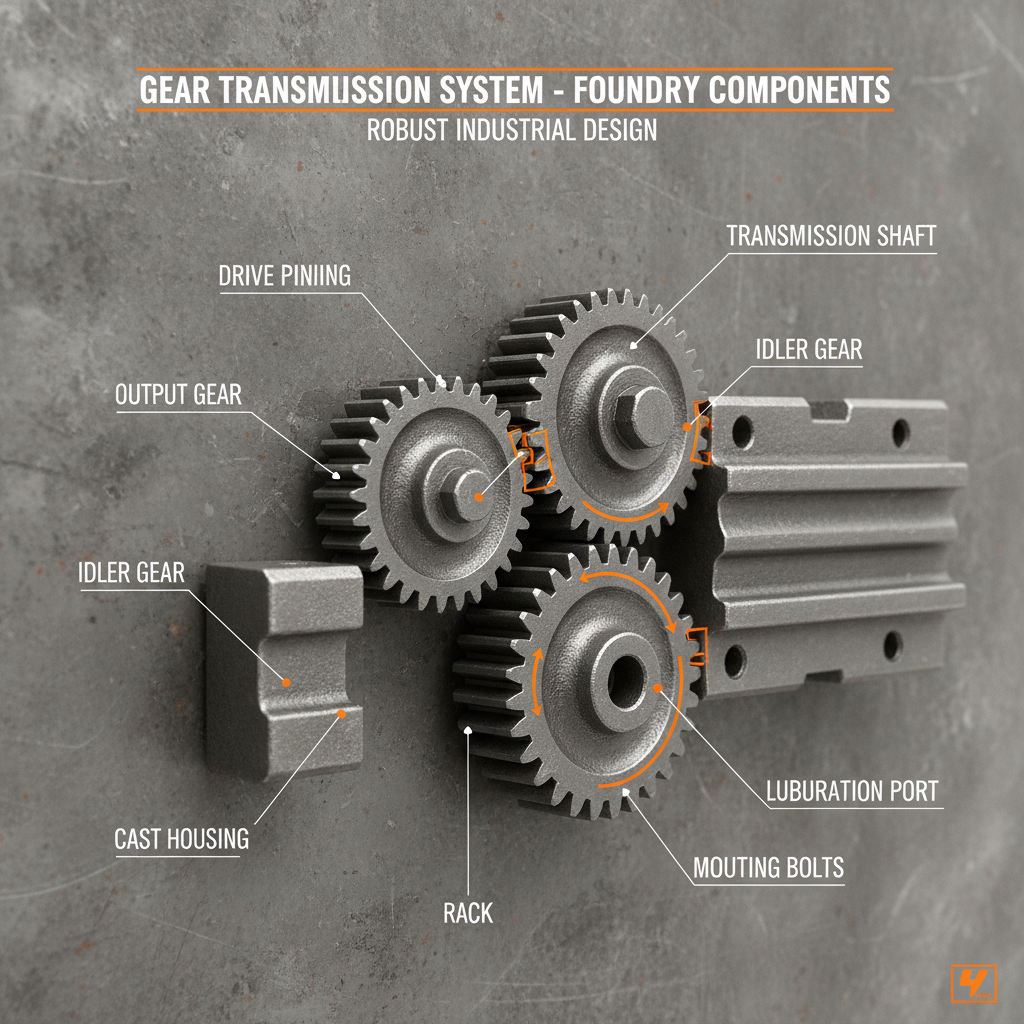
A: A gear system, like a rack and pinion, uses rotating gears to engage with a linear gear (rack), translating rotational force into straight-line movement. This mechanism is common in steering systems and machinery.
Q: What are common types of gear linear motion mechanisms?
A: Popular types include rack and pinion systems, lead screws with threaded gears, and cam mechanisms. Each offers unique advantages in precision, load capacity, and application suitability.
Q: Why use a rotary to linear motion gear instead of other methods?
A: Gear systems provide high torque, precise control, and durability. They outperform methods like belts or pneumatics in heavy-load or high-precision scenarios, such as CNC machines.
Q: Can any gear be adapted for linear motion applications?
A: No—only specific gear types, such as racks, helical gears, or lead screws, are designed for linear motion. Compatibility depends on tooth geometry, alignment, and load requirements.
Q: What factors determine the efficiency of rotary to linear motion gear systems?
A: Efficiency depends on gear type (e.g., rack and pinion vs. lead screw), lubrication, friction, and alignment. Proper maintenance ensures minimal energy loss during conversion.