




- Understanding the Fundamentals of Gear Mechanisms
- Technical Advantages Across Gear Mechanism Types
- Performance Comparison: Leading Gear Mechanism Manufacturers
- Custom Solutions for Specific Industrial Needs
- Real-World Applications of Different Gear Systems
- Maintenance Strategies to Extend Gear Lifespan
- Future Trends in Gear Mechanism Innovation
(different types of gear mechanism)
Understanding the Fundamentals of Different Types of Gear Mechanism
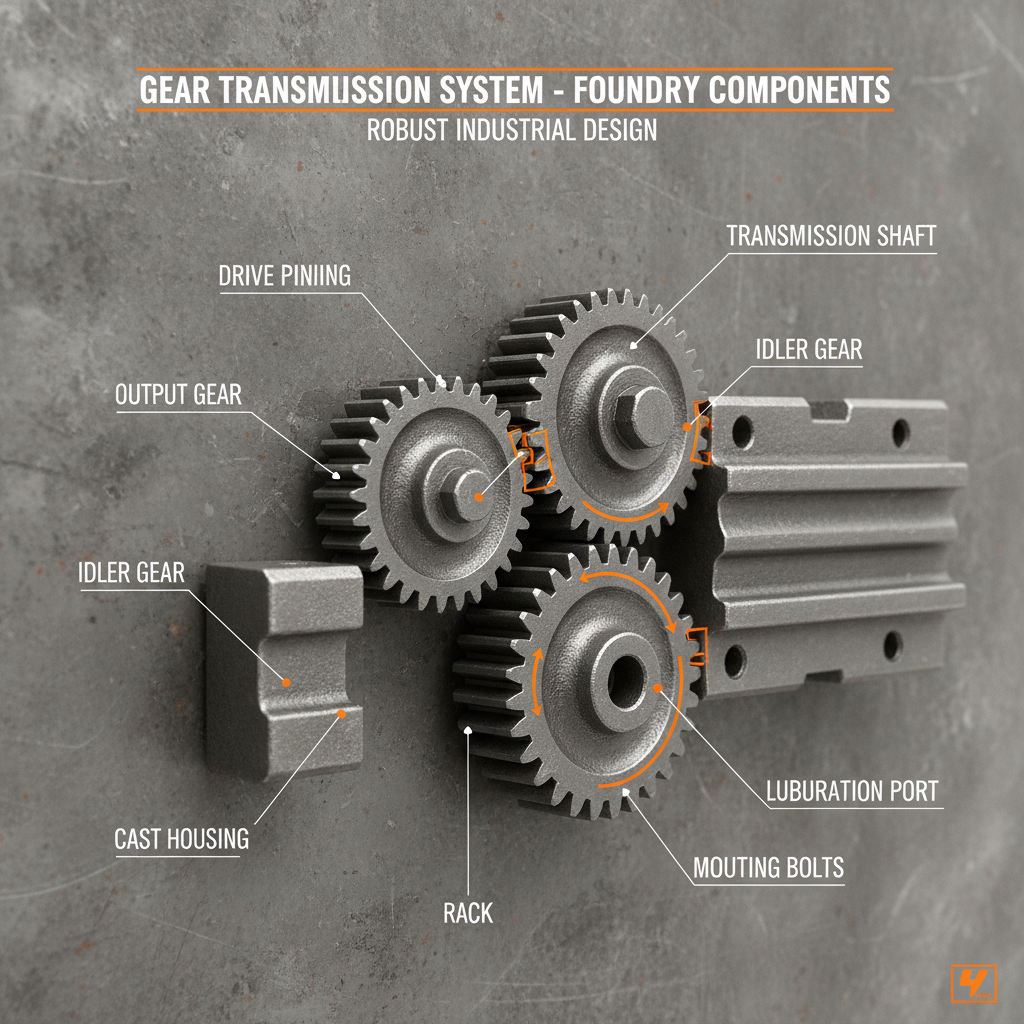
Gear mechanisms are the backbone of mechanical systems, translating rotational motion into controlled force. The primary categories include spur gears, helical gears, bevel gears, and worm gears, each with distinct operational characteristics. For instance, spur gears achieve 98-99% efficiency in parallel shaft applications but generate noise under high speeds. In contrast, helical gears reduce noise by 40-50% due to angled teeth, albeit with a 2-3% efficiency drop from axial thrust. This diversity makes selecting the right gear mechanism type critical for optimizing performance.
Technical Advantages Across Gear Mechanism Types
Modern gear systems leverage advanced materials and precision engineering to enhance functionality. Case-hardened steel helical gears, for example, withstand 20% higher loads than standard variants. Planetary gearboxes dominate robotics with compact designs offering torque densities up to 15 Nm/kg. Data shows that hypoid gears in automotive differentials improve fuel efficiency by 6-8% compared to traditional bevel designs. These innovations address demands for energy efficiency, durability, and miniaturization across industries.
Performance Comparison: Leading Gear Mechanism Manufacturers
| Manufacturer | Gear Type | Max Efficiency | Load Capacity | Price Range |
|---|---|---|---|---|
| Bosch Rexroth | Planetary | 97% | 850 Nm | $$$ |
| Siemens | Helical | 95% | 620 Nm | $$$$ |
| Sumitomo | Cycloidal | 90% | 1,200 Nm | $$$$$ |
Custom Solutions for Specific Industrial Needs
Tailored gear systems resolve unique operational challenges. A mining company recently deployed double-enveloping worm gears with 30% increased surface contact, reducing wear in high-dust environments. Aerospace clients increasingly adopt ceramic composite gears that operate at 800°C with 50% weight savings. Customization parameters typically include:
- Torque requirements (200–5,000 Nm)
- Operating temperature range (-50°C to 1,000°C)
- Backlash tolerance (≤1 arcmin for precision robotics)
Real-World Applications of Different Gear Systems
In wind turbines, planetary-epicyclic systems handle 2.5 MW loads while maintaining 98.5% uptime. The automotive sector’s shift to 10-speed transmissions uses multi-stage helical gears to improve acceleration by 12%. A recent case study revealed that upgrading a food processing plant’s conveyor system to stainless steel spur gears reduced maintenance costs by $18,000 annually through corrosion resistance.
Maintenance Strategies to Extend Gear Lifespan
Proactive maintenance prevents 73% of gear failures. Key practices include:
- Vibration analysis every 500 operating hours
- Oil particle counts below 15 ppm
- Thermographic inspections quarterly
Data from 12,000 industrial gearboxes shows proper lubrication intervals increase service life by 40%, from 7 to 10 years.
Future Trends in Different Types of Gear Mechanism Innovation
The gear mechanism sector is evolving with AI-driven predictive maintenance tools that cut downtime by 25%. 3D-printed titanium gears now achieve 99.2% density, matching forged part performance at 60% lower cost. As industries demand smarter, more adaptive systems, hybrid designs combining magnetic and mechanical gearing promise 99.5% efficiency with near-silent operation—revolutionizing medical and defense applications.
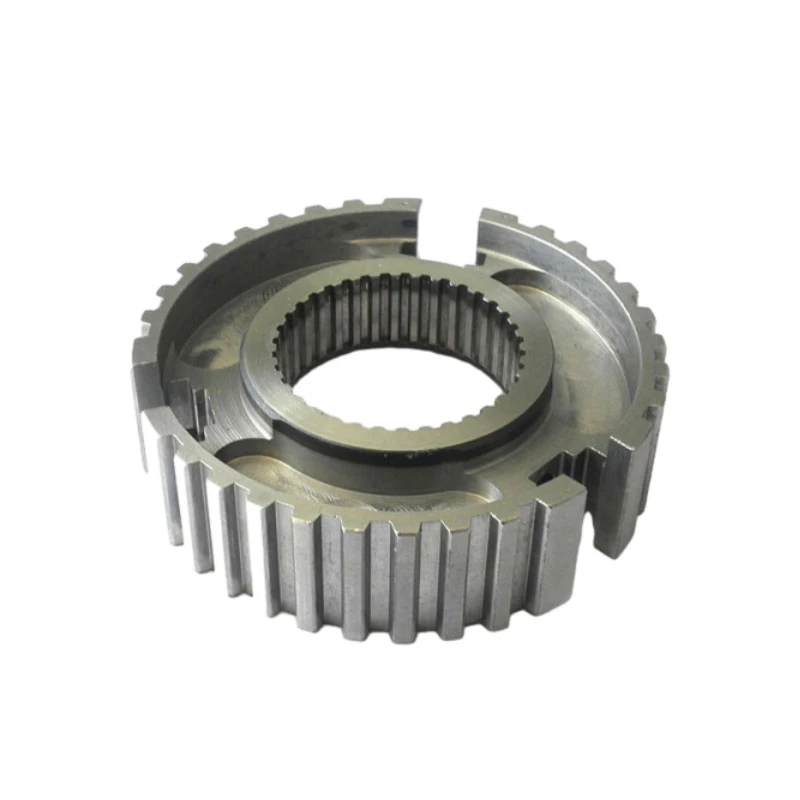
(different types of gear mechanism)
FAQS on different types of gear mechanism
Q: What are the most common types of gear mechanisms?
A: The most common types include spur gears, helical gears, bevel gears, worm gears, and planetary gears. Each serves distinct purposes in transmitting motion and torque. Spur gears, for example, are simple and widely used in low-speed applications.
Q: How do helical gears differ from spur gears?
A: Helical gears have angled teeth, enabling smoother and quieter operation compared to spur gears. They handle higher loads but generate axial thrust, requiring specialized bearings. Spur gears, with straight teeth, are simpler but noisier at high speeds.
Q: Where are bevel gears typically used?
A: Bevel gears transmit motion between intersecting shafts, often at 90-degree angles. They are common in automotive differentials and hand drills. Their conical shape allows efficient power transfer in compact designs.
Q: What are the advantages of planetary gear mechanisms?
A: Planetary gears offer high torque density, compact size, and balanced load distribution. They are ideal for applications like automatic transmissions and robotics. Their design allows multiple gear ratios within a single system.
Q: Why choose worm gears over other gear types?
A: Worm gears provide high reduction ratios and self-locking capabilities, preventing backdriving. They excel in elevators and conveyor systems where safety is critical. However, they are less efficient due to sliding friction.