




Understanding Gear Transmission: The Heartbeat of Industrial Innovation
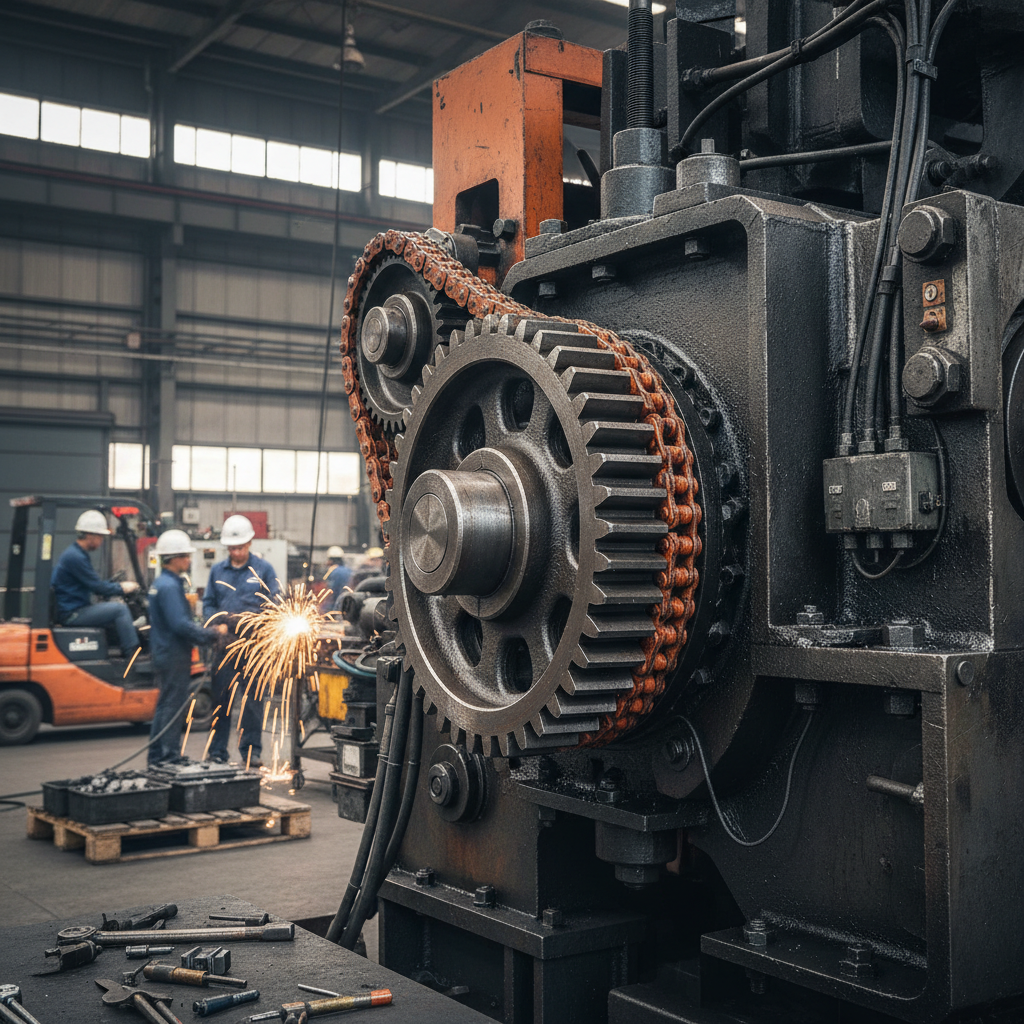
Gear transmission might sound like a mechanical term tucked away in dusty textbooks, but it’s actually a vital technology shaping our global industries and daily lives. Put simply, it’s the way rotational force (torque) is transferred between shafts via gears. Why does that matter worldwide? Well, in everything from heavy manufacturing to renewable energy, gear transmission gear transmission systems promise efficiency, precision, and durability, making machines function reliably. Getting a grip on this topic means understanding how gears silently power economies and sustain quite a bit of modern comfort.
Gear Transmission: Why the World Relies on It
According to data from the International Organization for Standardization (ISO) and industry reports, gear systems play roles in over 60% of mechanical equipment worldwide, from industrial robots in Asia’s factories to wind turbines in Europe. Frankly, without efficient gear transmission, the energy usage would be much higher, machines less reliable, and carbon footprints even larger.
One problem gear transmission addresses is balancing power and precision across various applications — whether in automotive transmissions or in conveyor systems moving aid supplies to remote locations. It’s this adaptability that makes gears indispensable in tackling challenges from climate change adaptation to industrial automation.
What Is Gear Transmission, Exactly?
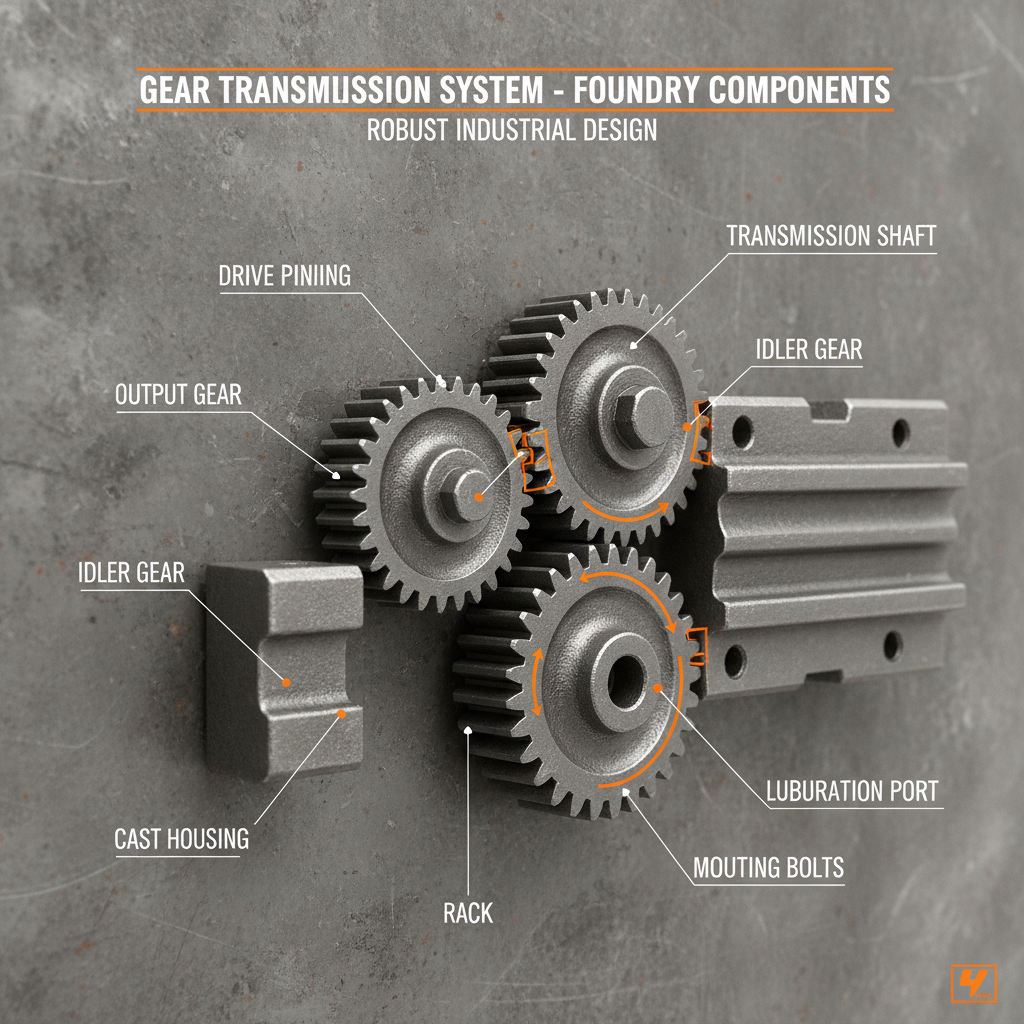
At its core, gear transmission is the process of transferring mechanical power through interlocking toothed wheels — gears — which can alter the speed, torque, and direction of motion. Imagine two gears meshing together; when one turns, it drives the other. This simple action, when designed properly, can multiply force or speed depending on what's needed.
Modern industry and humanitarian logistics depend heavily on these systems. For example, when disaster relief teams distribute fast-deploy shelters, cranes and transport vehicles rely on precise gear systems to operate safely and efficiently in unpredictable terrain. So yeah, gear transmission isn’t just industrial jargon — it propels real-world impact.
Key Factors That Define Effective Gear Transmission
Durability
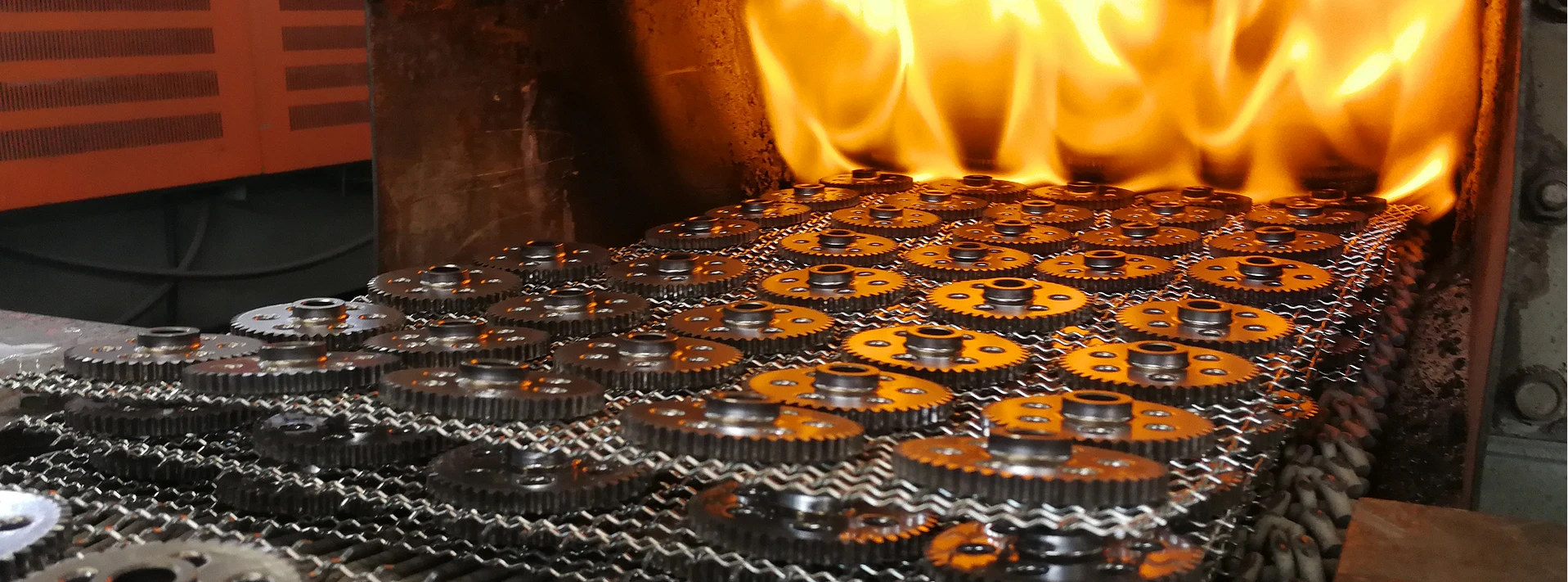
Gears must endure constant stress and friction over years of operation, often in harsh environments. Materials like hardened steel or advanced composites reduce wear, meaning less downtime and maintenance. I’ve seen engineers stress this point continually — a good gear can mean the difference between reliable production or costly failure.
Scalability
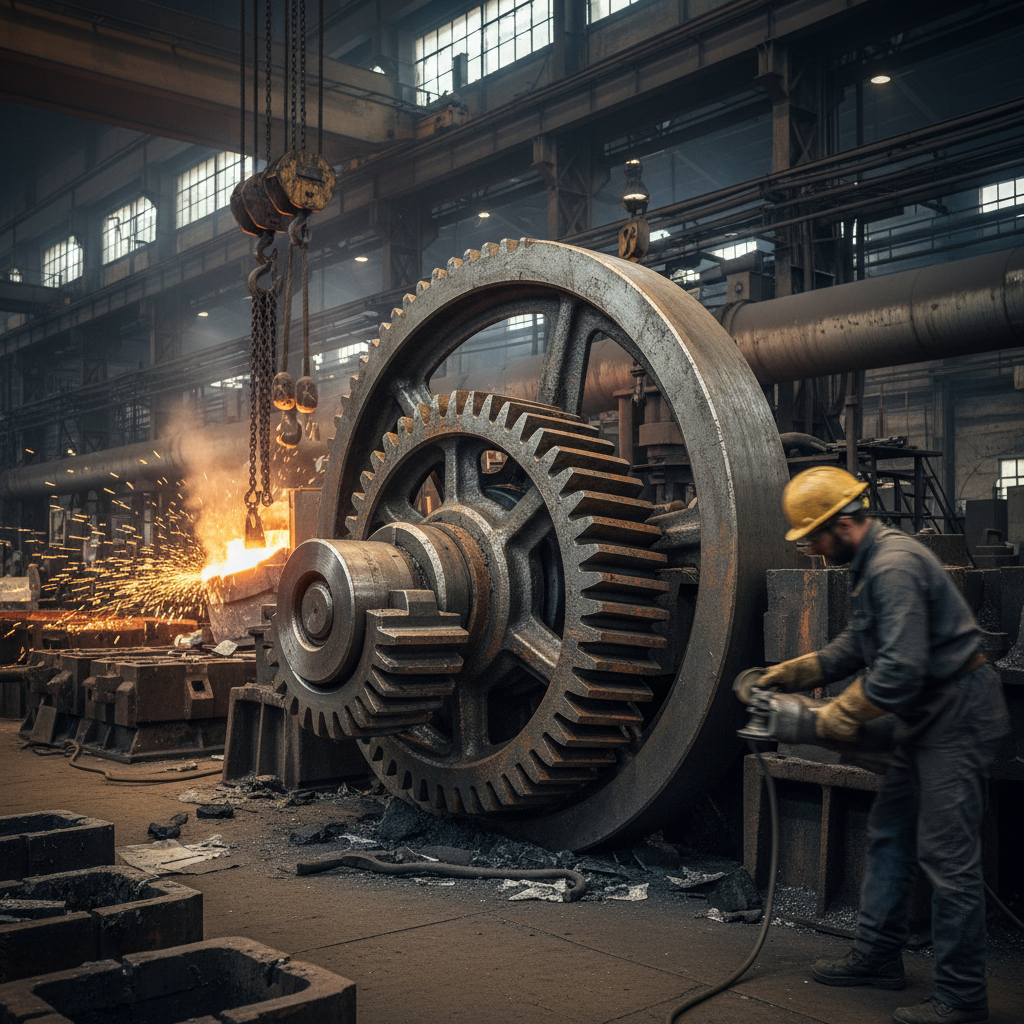
From compact gearboxes in drones to massive gears in mining equipment, scaling gear systems precisely is tricky but crucial. It ensures that systems operate at optimal efficiency across a range of sizes and power demands.
Cost Efficiency
Efficient gear design reduces energy losses and maintenance costs, which is vital when margins are thin. With rising energy prices, even small improvements can translate into huge savings over time.
Precision and Noise Reduction
Accurate gear tooth profiles not only improve power transmission but also minimize noise and vibrations. This is especially important in medical devices or electric vehicles, where quiet operation is a customer expectation.
Customization
Different industries demand bespoke gear solutions — for example, explosion-proof gears for oil rigs or lightweight gears for aerospace. Customization ensures fit-for-purpose application, which ultimately boosts reliability.
Mini takeaway:
So, when selecting or designing gear transmissions, keep these core aspects in mind — durability, scalability, cost, precision, and customization are all pieces that must fit together seamlessly.
Global Applications & Use Cases of Gear Transmission
Oddly enough, gear systems quietly show up in nearly every corner of the globe:
- Renewable Energy: Wind turbines use large planetary gears to convert wind energy into electricity, with major deployments seen in Europe and China.
- Manufacturing: Robotics arms in factories across North America rely on precise gear transmissions to carry out repetitive tasks with accuracy.
- Humanitarian Relief: In remote or post-disaster zones, vehicles equipped with durable gearboxes transport critical supplies reliably.
- Agriculture: Tractors and irrigation systems use gear transmissions to adapt power effectively to various tasks worldwide, especially in developing regions.
For instance, in post-flood rescue operations, cranes fitted with advanced gearboxes can lift heavy debris in unstable conditions — a testament to how critical this tech is in saving lives.
Advantages & Long-Term Value of Gear Transmission
The practical benefits of gear transmission stack up quickly. First, there’s the savings — precise gears reduce energy wastage, and their durability slashes repair costs. From a sustainability standpoint, more efficient transmissions lower fossil fuel consumption, helping with climate goals.
But beyond hard numbers, there is the safety angle: reliable mechanical transmission reduces risk of machine failure that could cause accidents. And it fosters trust — clients come back when equipment performs consistently.
Product Specifications Table: Typical Gear Transmission System
| Specification | Details |
|---|---|
| Material | Hardened Steel / Composite |
| Gear Type | Spur, Helical, Planetary |
| Torque Capacity | Up to 10,000 Nm (varies by size) |
| Efficiency | Up to 98% |
| Noise Level | |
| Operating Temperature | -20°C to +120°C |
Comparing Leading Gear Transmission Vendors
| Vendor | Key Strength | Global Reach | Customization | Typical Industry |
|---|---|---|---|---|
| ZahnTech | High durability materials | Asia, Europe | Medium | Automotive, Renewable Energy |
| GearMax Solutions | Precision engineering | Global | High | Medical, Robotics |
| TorqueWorks | Cost-effective solutions | North America, Latin America | Low | Agriculture, Construction |
Looking Ahead: Future Trends & Innovations in Gear Transmission
The future is bright — and somewhat digital. Smart gearboxes embedded with sensors offer predictive maintenance, reducing downtime drastically. Advanced materials like graphene composites might soon replace traditional metals, promising even lighter and stronger gears.
Also, as green energy becomes mainstream, gear transmissions designed for ultra-efficient wind turbines and electric vehicles are in heavy development. Some manufacturers are even exploring additive manufacturing (3D printing) to create intricate, optimized gear designs that were impossible before.
Challenges & Innovative Solutions
No tech is perfect, and gear transmission faces challenges like lubrication failures, noise pollution, and high manufacturing costs. The solution? Engineers are developing self-lubricating materials and noise-damping gear tooth profiles. On the supply chain side, modular design allows for easier maintenance and parts swaps in tough field conditions.
FAQs About Gear Transmission
- What factors affect the lifespan of a gear transmission system?
The lifespan depends on materials used, load conditions, maintenance frequency, and operational environment. Proper lubrication and periodic inspections significantly extend service life. - How does gear transmission improve energy efficiency?
Efficiently designed gears minimize friction losses and optimize torque output, reducing the energy needed to perform work. This can improve machine performance by up to 10% or more. - Can gear transmissions be customized for extreme environments?
Absolutely. Gear manufacturers can use special coatings and materials to withstand high temperatures, corrosive atmospheres, or explosive risks, tailoring solutions for specific industries. - Is sensor integration in gears reliable for predictive maintenance?
While relatively new, sensor-equipped gearboxes are proving effective by monitoring vibration and temperature trends, alerting operators before a failure occurs.
Conclusion: Why Gear Transmission Matters Long-Term
In real terms, gear transmission is more than a mechanical process — it’s an enabler of innovation, sustainability, and resilience across the globe. From powering clean energy to supporting humanitarian missions, its value resonates far beyond metal teeth meshing. If you want to dive deeper or explore solutions tailored for your industry, visit our website: https://www.jssintering.com.
It’s funny how something as seemingly simple as gears is really at the heart of so much progress.