






Introduction to Gears and Industry Trends
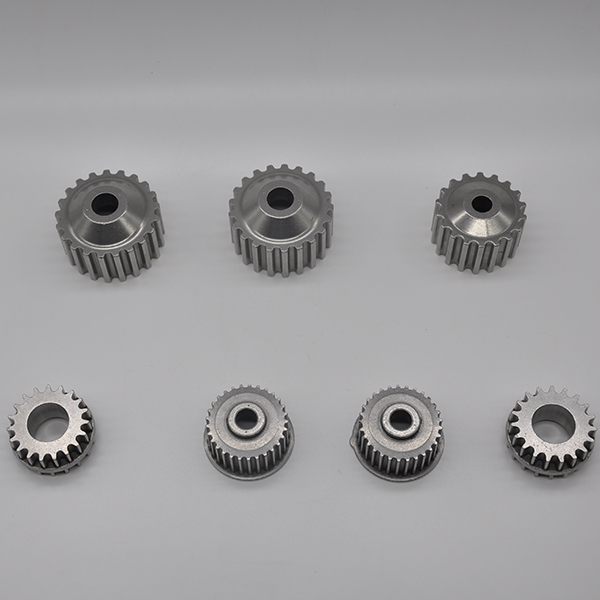
In the realm of mechanical engineering, gear and types of gear are fundamental components that facilitate power transmission, motion control, and torque conversion across a vast spectrum of industrial applications. From precision instrumentation to heavy-duty machinery, gears are indispensable. The global gear manufacturing market is experiencing robust growth, driven by increasing automation, the electrification of vehicles, and the expansion of renewable energy sectors. Industry trends indicate a strong shift towards higher efficiency, reduced noise and vibration, enhanced durability, and the use of advanced materials and manufacturing techniques. The demand for compact, lightweight, and high-performance gear systems continues to accelerate, pushing innovations in design and production, including advanced sintering techniques for complex geometries and superior material properties, often seen in components like high-performance pump wheels.
Modern manufacturing emphasizes sophisticated gear drive types and gear mechanism types that are engineered for specific operational parameters. This includes not only traditional machining but also powder metallurgy, which offers significant advantages in producing components with intricate designs, excellent surface finish, and consistent material properties, reducing waste and post-processing.
Manufacturing Process Flow for High-Precision Gears
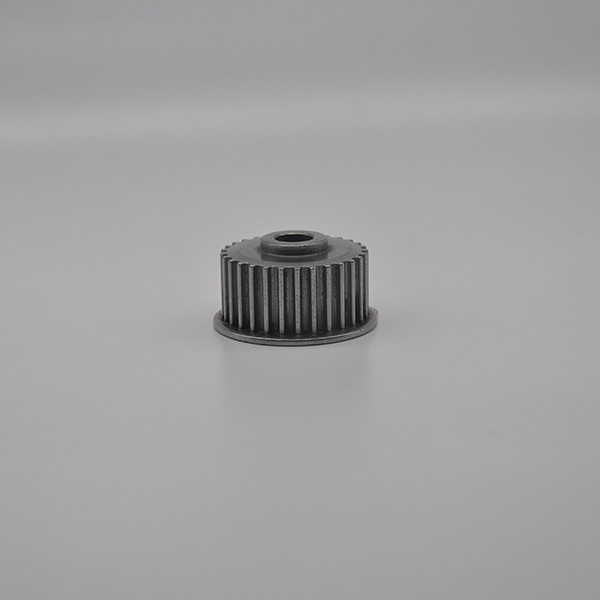
The production of high-performance gear and types of gear, particularly those designed for demanding industrial applications, involves a meticulously controlled process flow. For components like pump wheels or complex gear forms, powder metallurgy (sintering) often offers superior advantages over traditional methods like casting or forging, especially for high-volume production with precise dimensional requirements and enhanced material properties.
Typical Process for Sintered Gears:
- Material Selection and Powder Blending: High-purity metallic powders (e.g., iron, steel alloys, stainless steel, bronze, specialized nickel-based superalloys) are carefully selected based on desired mechanical properties (hardness, tensile strength, fatigue resistance, corrosion resistance). Additives like graphite (for carbon content), copper (for strength and thermal conductivity), or lubricants (for compaction) are blended to achieve the precise composition. This stage is critical for the final performance of the gear mechanism types.
- Compaction: The blended powder is fed into a rigid die cavity and subjected to high pressure (typically 400-800 MPa) using hydraulic or mechanical presses. This forms a "green compact" — a fragile, porous part that approximates the final gear and types of gear shape. Tooling precision here is paramount for dimensional accuracy.
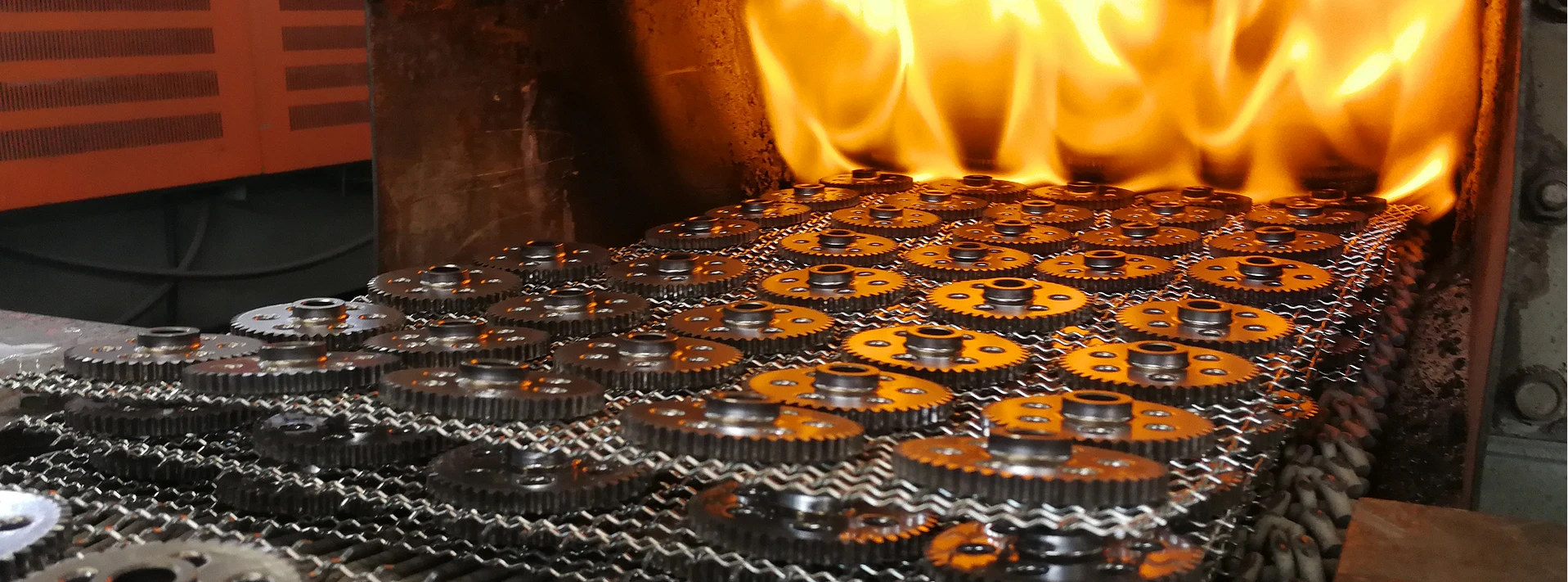
- Sintering: The green compact is then heated in a controlled atmosphere furnace (e.g., hydrogen, nitrogen, dissociated ammonia, or vacuum) to a temperature below the melting point of the primary material but high enough for atomic diffusion to occur. This process bonds the powder particles, densifies the material, and develops the final metallurgical structure. Sintering parameters (temperature, time, atmosphere) are critical for achieving target density, strength, and hardness.
- Sizing/Coining (Optional): For tighter dimensional tolerances and improved surface finish, sintered gears may undergo a sizing or coining operation. This involves re-pressing the part in a die, which can also increase density and strength.
-
Secondary Operations (Optional):
- Heat Treatment: Carburizing, nitriding, induction hardening to enhance surface hardness and wear resistance.
- Machining: CNC machining for features not achievable during compaction, such as precision bores, keyways, or complex tooth profiles (though often minimized with powder metallurgy).
- Steam Treatment: Imparts a blue-black finish, improves corrosion resistance, and seals pores.
- Infiltration: Filling pores with a lower melting point metal (e.g., copper) to increase strength and density.
- Cleaning and Finishing: Parts are cleaned to remove any residues and may undergo surface finishing processes.
- Quality Control and Testing: Comprehensive testing ensures compliance with specifications. This includes dimensional inspection (CMM, optical comparators), material analysis (metallography, hardness testing, density measurement, tensile strength), and functional testing (e.g., noise, vibration, torque capacity). Testing standards typically conform to ISO 6892-1, ASTM E8/E8M, ISO 4406, ANSI/AGMA 2000-A88, and MPIF standards for powder metallurgy parts.
The typical service life of these precision components, when manufactured to exacting standards, can range from hundreds of thousands to millions of cycles, depending on load, lubrication, and environmental conditions. Target industries for such high-quality gear drive types include petrochemical, automotive, aerospace, medical devices, agriculture, metallurgy, and water supply & drainage. Advantages in typical application scenarios include significant energy saving due to optimized tooth profiles and reduced friction, superior corrosion resistance through material selection and surface treatments, and enhanced wear resistance leading to extended operational uptime.
Technical Specifications and Parameters for Gears
Understanding the technical specifications of gear and types of gear is crucial for engineers and procurement specialists. These parameters define performance, compatibility, and durability.
Key Technical Parameters:
- Module (m) or Diametral Pitch (DP): Defines the size of the gear teeth. Module is in mm, DP is teeth per inch.
- Number of Teeth (Z): Directly relates to the gear ratio.
- Pressure Angle (α): Standardized at 20° or 14.5°, affecting tooth strength and smooth meshing.
- Pitch Diameter (d): The diameter of the pitch circle, where meshing occurs.
- Face Width (F): The width of the gear tooth parallel to the axis of rotation, influencing load capacity.
- Helix Angle (β, for helical gears): Angle between the tangent to the helix and the gear axis, enabling smoother, quieter operation.
- Material Properties:
- Density: Crucial for sintered components (e.g., 6.8 - 7.6 g/cm³ for iron-based alloys).
- Hardness: Rockwell HRC or HRB, influencing wear resistance.
- Tensile Strength: Ultimate Tensile Strength (UTS) and Yield Strength, in MPa.
- Fatigue Strength: Resistance to cyclic loading, vital for long-term reliability.
- Accuracy Grade: Defined by standards like AGMA (Q system) or ISO (IT system), indicating manufacturing precision, runout, and pitch error.
Typical Gear Specification Table (Example for Sintered Spur Gear):
| Parameter | Specification (Metric) | Specification (Imperial) |
|---|---|---|
| Type | Spur Gear | Spur Gear |
| Material | Fe-Cu-C Sintered Steel (e.g., FC-0208) | Fe-Cu-C Sintered Steel (e.g., FC-0208) |
| Module / Diametral Pitch | m = 1.5 mm | DP = 16.93 |
| Number of Teeth | 30 | 30 |
| Pitch Diameter | 45 mm | 1.772 inches |
| Face Width | 15 mm | 0.591 inches |
| Pressure Angle | 20° | 20° |
| Hardness (HRC) | 25-35 (after heat treatment) | 25-35 (after heat treatment) |
| Density (g/cm³) | 7.0 - 7.2 | 7.0 - 7.2 |
| Ultimate Tensile Strength (MPa) | 450-550 | 65-80 ksi |
| Accuracy Grade (AGMA) | Q8-Q9 | Q8-Q9 |
These detailed specifications ensure that each gear and types of gear component integrates seamlessly into complex mechanical systems, delivering predictable and reliable performance.
Application Scenarios and Technical Advantages
The versatility of various gear drive types enables their deployment across virtually all industrial sectors requiring precise motion and power transmission. Understanding specific application scenarios highlights the technical advantages inherent in well-engineered gear systems.
Typical Application Scenarios:
- Automotive Industry: Transmissions, differentials, engine timing systems, and power steering mechanisms rely on various gear mechanism types to transfer power efficiently and precisely. Advanced helical and hypoid gears are common due to their high load capacity and quiet operation.
- Heavy Machinery & Construction: Excavators, cranes, and agricultural equipment use large, robust gears (often spur or planetary) in their drivetrains and hydraulic systems to handle immense loads and provide necessary torque.
- Industrial Pumps & Compressors: Gears are integral to the efficient operation of various pumps (including the systems driving components like pump wheels) and compressors, ensuring consistent flow rates and pressure. Sintered gears are often chosen for their high precision and material properties that resist cavitation and wear.
- Robotics & Automation: Precision miniature gears, often planetary or harmonic drive types, are critical for the accurate positioning and movement of robotic arms and automated assembly lines, demanding minimal backlash and high repeatability.
- Renewable Energy: Wind turbines utilize massive planetary gearboxes to increase rotational speed from the rotor blades to the generator, requiring extremely durable and efficient gear and types of gear designed for continuous operation in harsh environments.
- Water Treatment & Drainage: Actuators and valve control systems, often exposed to corrosive environments, employ specialized gears made from stainless steel or other corrosion-resistant alloys to ensure longevity and reliability.
Technical Advantages:
- High Efficiency: Modern gear designs, coupled with precision manufacturing, achieve extremely high power transmission efficiencies, often exceeding 98%. This translates directly into energy saving, reducing operational costs and environmental impact.
- Durability & Service Life: Through meticulous material selection (e.g., hardened alloy steels, specialized sintered materials) and advanced heat treatments, gears offer exceptional wear resistance and fatigue strength, leading to extended service life even under arduous conditions.
- Precise Motion Control: Gears provide positive, non-slip power transmission, ensuring accurate synchronization and precise control of rotational speeds and torque. This is critical for applications requiring high positioning accuracy.
- Corrosion Resistance: For applications in challenging environments (e.g., marine, chemical processing, water infrastructure), gears can be manufactured from stainless steels, bronze, or receive specialized coatings to prevent degradation from corrosion.
- Noise and Vibration Reduction: Helical gears, with their angled teeth, provide gradual tooth engagement, resulting in smoother operation, reduced noise, and lower vibration compared to spur gears, enhancing operational comfort and machinery lifespan.
- Compact Design: High-power density gears, particularly planetary and epicyclic gear mechanism types, can transmit significant torque within a compact footprint, ideal for applications with space constraints.
Vendor Comparison and Customized Solutions
Selecting the right manufacturing partner for gear and types of gear components is a critical decision for B2B stakeholders. A thorough vendor comparison goes beyond price, encompassing technical capabilities, quality assurance, and service commitment.
Key Factors for Vendor Comparison:
| Criterion | High-Value Vendor Profile | Lower-Tier Vendor Profile |
|---|---|---|
| Manufacturing Expertise | Specialization in advanced techniques (e.g., powder metallurgy, precision CNC grinding), extensive material science knowledge. | Limited process capabilities, reliance on standard machining, less material flexibility. |
| Quality Certifications | ISO 9001, IATF 16949 (automotive), AS9100 (aerospace), adherence to AGMA/DIN standards. | Basic quality control, limited or no external certifications. |
| Design & Engineering Support | Offers DFM (Design for Manufacturability), FEA (Finite Element Analysis), prototyping services, collaborative R&D. | Only manufactures to print, minimal design input. |
| Testing & Validation | In-house metrology lab, material testing, functional testing (noise, vibration, durability). | Relies on third-party testing or minimal in-house checks. |
| Lead Time & Fulfillment | Reliable, transparent lead times; flexible production for rush orders; robust supply chain management. | Inconsistent lead times, limited capacity for urgent demands. |
Customized Solutions: Tailoring Gear Mechanism Types for Unique Needs
Many industrial applications demand more than off-the-shelf gear and types of gear. Customization is often necessary to achieve optimal performance, fit, and cost-efficiency. Experienced manufacturers provide comprehensive customized solutions, which may include:
- Material Formulation: Developing specific powder blends or selecting specialized alloys for unique environmental challenges (e.g., extreme temperatures, corrosive fluids, high-impact loads).
- Optimized Geometry: Designing non-standard tooth profiles, specialized helix angles, or varied face widths to enhance load distribution, reduce noise, or fit constrained envelopes.
- Integrated Features: Incorporating additional features directly into the gear component during the manufacturing process, such as splines, keyways, or mounting holes, reducing assembly steps and costs.
- Surface Engineering: Applying custom heat treatments (e.g., case hardening, carbonitriding), coatings (e.g., DLC, TiN), or surface finishes to meet specific wear, friction, or corrosion resistance requirements.
- Sub-Assembly and Kitting: Providing gears as part of a pre-assembled unit or kit, simplifying customer inventory and assembly processes.
Collaborating with a vendor capable of these bespoke solutions ensures that the final gear drive types precisely meet the intricate demands of any advanced mechanical system.
Application Case Studies
Real-world application case studies demonstrate the tangible benefits of expertly engineered gear and types of gear.
Case Study 1: High-Performance Pump Wheel for Chemical Processing
A leading chemical manufacturer required a durable, corrosion-resistant pump wheel for a new high-flow acid transfer system. Traditional cast stainless steel wheels suffered from high porosity, leading to premature failure under corrosive conditions and requiring extensive machining. Our solution involved designing a custom gear mechanism types pump wheel manufactured using a specialized sintered 316L stainless steel alloy.
- Challenge: High corrosion from aggressive chemicals, high wear from particulate matter, and demanding dimensional accuracy for efficient pumping.
- Solution: Sintered 316L stainless steel pump wheel with optimized blade geometry. The powder metallurgy process allowed for near-net-shape manufacturing, significantly reducing post-sintering machining. A specialized steam treatment was applied to further seal surface pores and enhance corrosion resistance.
- Results: The sintered pump wheel demonstrated a 40% increase in service life compared to cast parts, a 15% improvement in pumping efficiency due to superior surface finish and dimensional accuracy, and a 25% reduction in overall component cost due to minimized material waste and machining. Customer feedback highlighted "unprecedented reliability in harsh environments."
Case Study 2: Compact Planetary Gear Set for Electric Vehicle Actuator
An EV component supplier needed a compact, high-torque planetary gear drive types for an advanced electric vehicle braking actuator. Space constraints and the need for silent operation were paramount.
- Challenge: Deliver high torque density in a miniature envelope, with minimal backlash, low noise, and high wear resistance for millions of cycles.
- Solution: Designed a multi-stage planetary gear set, where the sun, planet, and ring gears were manufactured using high-density sintered alloy steel, followed by precision grinding and case hardening. The sintering process allowed for intricate internal gear tooth forms that would be difficult and costly to machine traditionally.
- Results: The custom gear set achieved a 20% smaller footprint than competing designs, exceeded required torque capacity by 15%, and operated with significantly reduced noise and vibration (verified by NVH testing). Field tests showed exceptional durability over 5 million cycles, leading to the adoption of the design across their EV product line.
Frequently Asked Questions (FAQ)
Q1: What are the primary advantages of sintered gears over machined or cast gears?
Sintered gear and types of gear offer several benefits, including near-net-shape manufacturing for complex geometries, excellent material consistency, reduced material waste, and cost-effectiveness for high-volume production. They often achieve superior surface finish and can be formulated with specific alloys for enhanced wear, fatigue, and corrosion resistance. While machining might offer ultimate precision for very low volumes, sintering excels in reproducible quality and cost.
Q2: How do you ensure the quality and precision of complex gear components?
Quality and precision are assured through stringent process controls at every stage, from powder blending and compaction to sintering and post-processing. We utilize advanced metrology equipment (e.g., CMM, optical comparators), undertake comprehensive material testing (density, hardness, tensile, fatigue), and perform functional testing (noise, vibration, runout) to ensure adherence to international standards like ISO and AGMA, critical for all gear drive types.
Q3: What is the typical lead time for custom gear orders?
Lead times for custom gear mechanism types vary depending on design complexity, material availability, and order volume. For new designs, prototyping typically takes 4-8 weeks, followed by a production lead time of 6-12 weeks for initial batches. Repeat orders often have shorter lead times of 3-6 weeks, subject to existing production schedules. We strive for transparent communication and timely fulfillment.
Q4: What warranty and after-sales support do you offer?
We stand by the quality of our gear and types of gear products. Our standard warranty covers manufacturing defects for a specified period (typically 1-2 years from delivery), ensuring that components meet agreed-upon specifications and performance criteria. Our dedicated after-sales support team is available for technical assistance, troubleshooting, and re-order processing, ensuring continuous operational excellence for our clients.
Authoritative References
- American Gear Manufacturers Association (AGMA) Standards. AGMA, Washington D.C., USA.
- MPIF Standard 35, Materials Standards for P/M Structural Parts. Metal Powder Industries Federation, Princeton, NJ, USA.
- ISO 9001:2015, Quality management systems – Requirements. International Organization for Standardization, Geneva, Switzerland.
- Budynas, R. G., & Nisbett, J. K. (2015). Shigley's Mechanical Engineering Design (10th ed.). McGraw-Hill Education.
- German Institute for Standardization (DIN) Standards for Gears. DIN, Berlin, Germany.









