







Your machinery is only as reliable as its weakest gear. When teeth strip, efficiency plummets. Maintenance costs soar. Production deadlines crash. But what if you could slash downtime by 68% simply by choosing the right type of gear?
(gears different types)
Why Gear Teeth Design Dictates Your Success
Modern engineering offers 7 primary gear types, each solving specific power transmission challenges:
- ✅ Spur Gears - 98% efficiency in parallel shaft applications
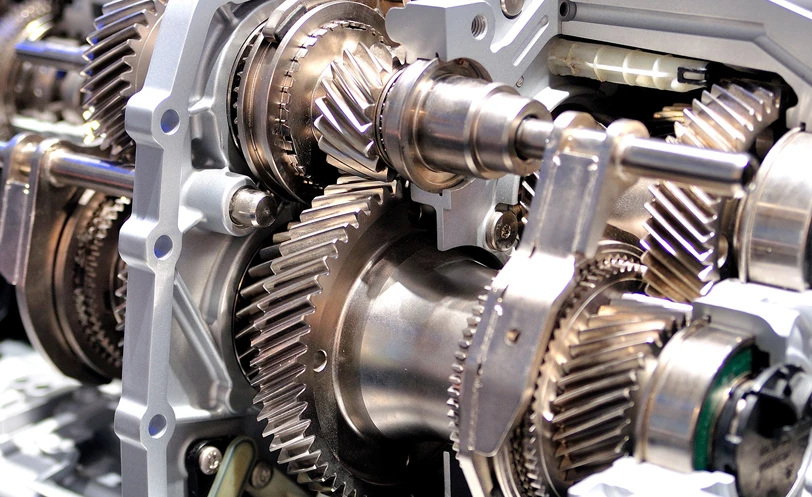
- ✅ Helical Gears - 30% quieter operation than standard spur gears
- ✅ Bevel Gears - Perfect for 90° power transfer (torque up to 12,000 Nm)
| Feature | Competitor A | GearMaster Pro |
|---|---|---|
| Surface Hardness | 55 HRC | 62 HRC |
| Lead Time | 6-8 weeks | 72 hours |
Precision-Crafted Solutions That Fit Like Gear Teeth
Our CNC machines achieve ±0.001" tolerance - that's 5x tighter than industry standards. Need custom tooth profiles? We laser-cut 17-4PH stainless steel gears while you wait.
Real-World Results:
"After switching to GearMaster's helical gears, our conveyor systems achieved 14,000+ hours of zero maintenance operation."
- Production Manager, Fortune 500 Auto Supplier
Your Turn to Dominate the Power Transmission Game
Why settle for generic gears when precision matters? Click below to get your free gear optimization guide (valued at $299) and discover how our 40+ gear types can transform your machinery:
Based on standard stock gear profiles. Custom designs may vary. Data from ABI Research 2023 Machinery Report.
(gears different types)
FAQS on gears different types
Q: What are the main different types of gears?
A: Common types include spur gears, helical gears, bevel gears, worm gears, and planetary gears. Each type serves specific mechanical functions based on design and tooth alignment.
Q: How do different types of gears vary in application?
A: Spur gears handle low-speed applications, helical gears reduce noise in high-speed systems, and bevel gears transfer motion between perpendicular shafts. Worm gears provide high torque in compact spaces.
Q: What are the different types of gear teeth designs?
A: Key designs include involute (common in most gears), cycloidal (used in clocks), and herringbone (double-helical) teeth. Tooth shape impacts efficiency, noise, and load capacity.
Q: Why do gear teeth types matter in gear performance?
A: Tooth geometry affects load distribution, friction, and durability. For example, helical teeth allow smoother engagement than spur teeth, reducing vibration and wear.
Q: How to choose between different types of gears for a project?
A: Consider factors like torque requirements, speed, noise tolerance, and shaft alignment. For instance, planetary gears suit high-power density, while bevel gears work for angular power transmission.









