




- Understanding Gear Fundamentals and Industrial Demands
- The Material Science Behind Enhanced Components
- Performance Advantages Under Extreme Conditions
- Market Comparison of Hardened Gear Manufacturers
- Custom Engineering Solutions for Specific Applications
- Industrial Case Studies Across Key Sectors
- Optimizing Drive Systems with Precision Components
(hardened gear)
Industrial Machinery Requires Hardened Gear Resilience
Modern manufacturing facilities operate under punishing conditions where standard transmission components frequently fail. The constant stress-cycle exposure in heavy machinery demands specialized solutions. Hardened gears represent the engineering response to these industrial challenges - precision components designed specifically for high-load, high-wear environments that would rapidly degrade untreated gears. Unlike conventional gears, these undergo specialized thermal and chemical treatments to fundamentally transform their molecular structure, delivering measurable performance improvements that directly impact operational efficiency.
Production managers consistently report failure rates dropping below 3% annually when replacing standard components with hardened gear
alternatives, even in 24/7 continuous operations. This technology applies across gear types including spur, helical, bevel, and worm varieties - each benefiting differently from surface enhancement processes. The transition represents a significant shift from repair-focused maintenance to prevention-driven reliability strategies.
Understanding Gear Fundamentals and Industrial Demands
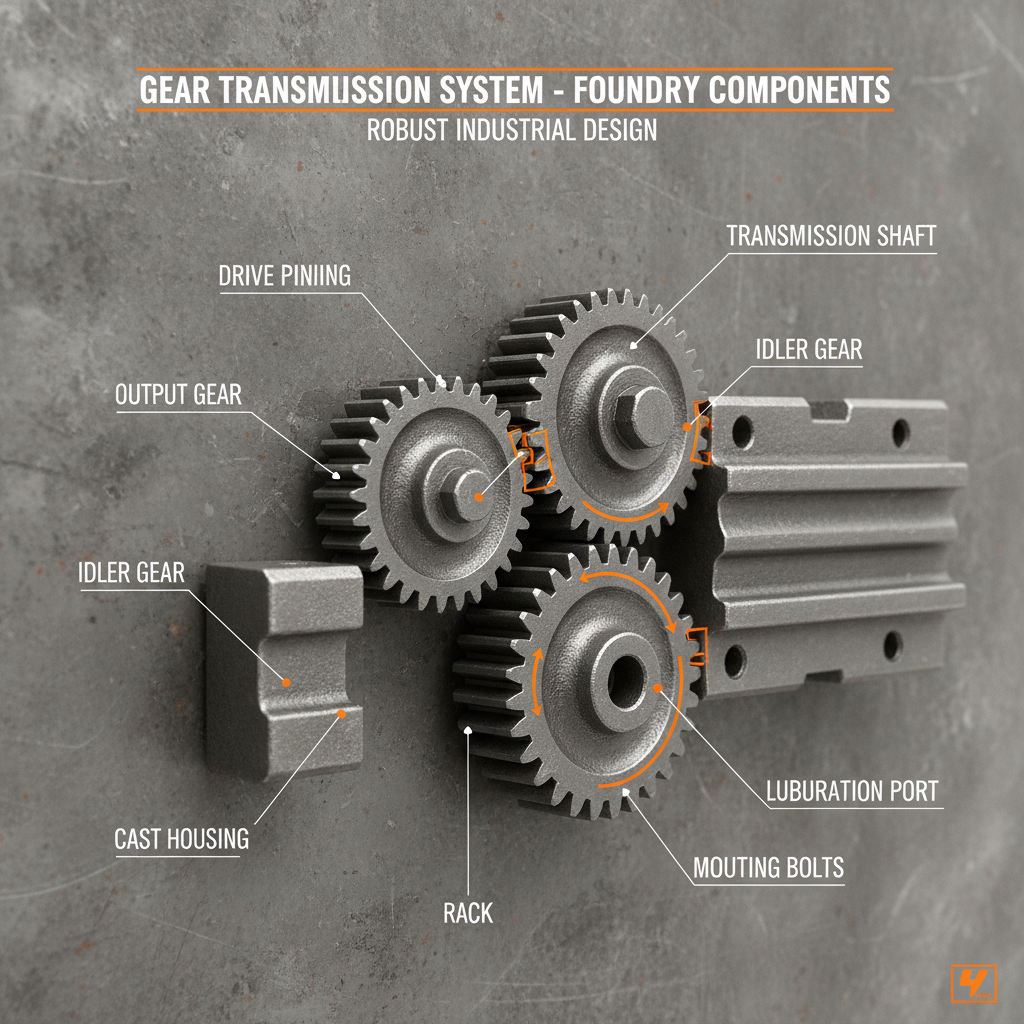
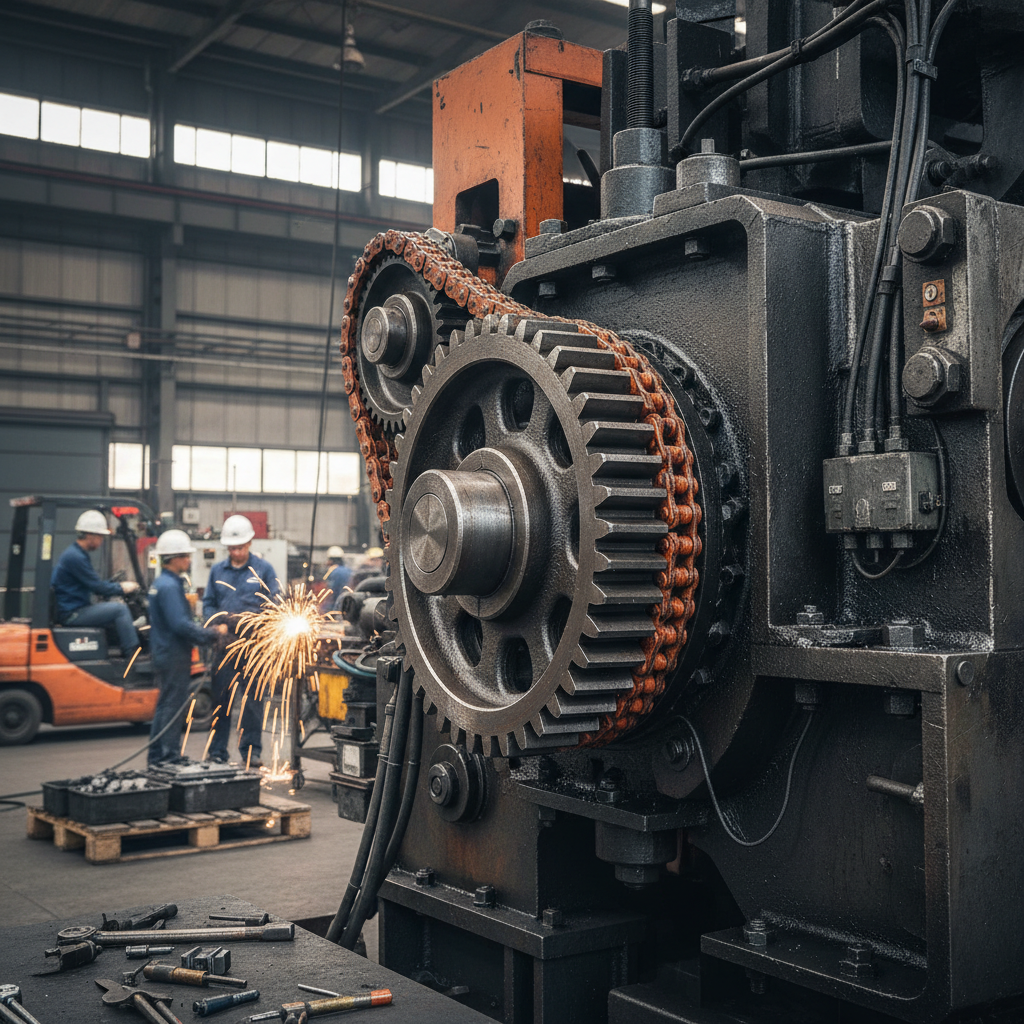
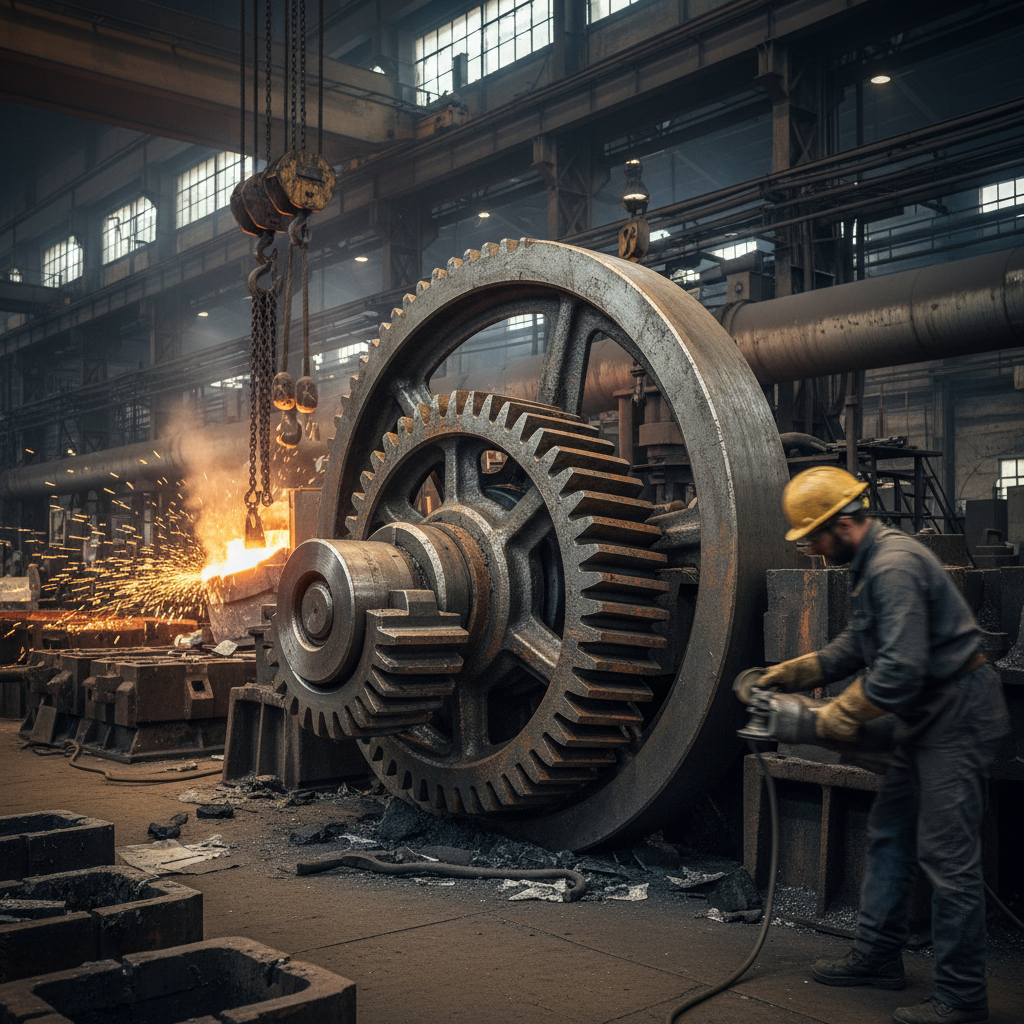
Fundamental to power transmission systems, gears function as rotational force multipliers with specialized configurations serving distinct purposes. Spur gears provide simple power transfer between parallel shafts, while helical gears offer smoother engagement through angled teeth. Critical yet often overlooked, idle gears serve essential synchronization functions without transmitting torque to downstream components. In heavy machinery applications like mining equipment, untreated gears show surface degradation within 500 operational hours. The pitting and spalling observed render components unusable long before their theoretical lifespan expiration.
Industrial applications reveal crucial differences in failure modes between hardened and untreated gears. Standard gears experience distortion exceeding 0.05 inches under continuous 4,000 N·m loads, whereas hardened alternatives maintain dimensional stability within 0.005 inches under identical conditions. The key lies in microstructural transformation: post-hardening metallurgical analysis reveals carbide dispersion density increasing 300% compared to base materials. This fundamentally changes surface mechanics at the micron level where wear initiates.
The Material Science Behind Enhanced Components
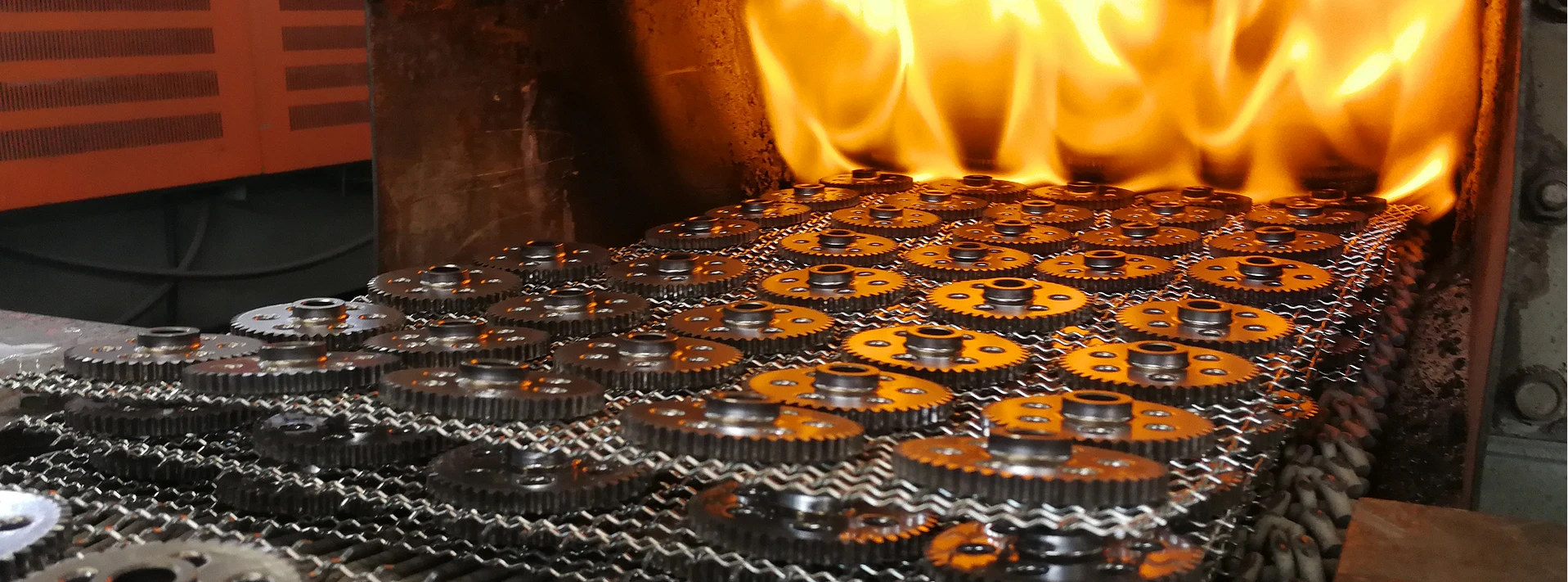
Component longevity depends on surface engineering treatments altering the substrate's crystalline structure. Industrial case hardening processes like carburizing and nitriding inject carbon/nitrogen atoms into the steel matrix under controlled thermal conditions. Recent advancements in vacuum hardening techniques achieve surface hardness ratings up to 64 HRC while maintaining 38-42 HRC core toughness - creating the optimal combination of surface durability and impact resistance.
Material specifications vary significantly between manufacturers, with proprietary alloys demonstrating measurable advantages:
- European-manufactured DIN 20MnCr5 alloy showing 25% higher fatigue resistance than standard SAE 8620
- Through-hardened alloy steels maintaining performance up to 300°C continuous operating temperatures
- Surface-hardened variants withstand peak pressures exceeding 2,500 MPa without deformation
- Post-hardening dimensional stability within ±0.0005 inches across all gear types
Performance Advantages Under Extreme Conditions
The engineering superiority of hardened components manifests in quantifiable performance metrics during demanding operations. Gear tooth contact stress analysis reveals surface enhancements reduce Hertzian contact stress by 60% at equivalent torque loads. This directly impacts longevity - where untreated gears require replacement every 8-10 months in continuous mining operations, hardened equivalents extend service intervals beyond 36 months.
Independent laboratory testing confirms critical performance advantages:
| Parameter | Standard Gears | Hardened Gears | Improvement |
|---|---|---|---|
| Surface Durability (cycles) | 2.3 million | 9.8 million | +326% |
| Tooth Bending Strength | 650 MPa | 1,150 MPa | +77% |
| Operating Temperature Limit | 150°C | 420°C | +180% |
| Impact Resistance | 35 J | 62 J | +77% |
Market Comparison of Hardened Gear Manufacturers
Not all hardened components deliver equivalent performance despite similar marketing claims. Leading manufacturers distinguish themselves through metallurgical formulations and quality control processes. While surface hardness measurements often receive primary attention, informed buyers evaluate comprehensive material certifications including:
- Core-to-case hardness transition gradients
- Carbide distribution uniformity certification
- Fatigue test documentation under operational load profiles
- Microstructure analysis reports
Recent evaluations showed European manufacturers maintain tighter dimensional tolerances (±0.0002 inches) compared to standard industry ±0.0005 inch specifications. Premium suppliers now provide micro-pitting resistance certification exceeding ISO 6336:2019 standards by 40%, particularly important for high-speed automation equipment exceeding 5,000 RPM.
Custom Engineering Solutions for Specific Applications
Customization represents the most significant advance in transmission components development. Manufacturers now utilize computational tribology models to create application-specific hardening patterns rather than uniform case depths. For example:
- Gear teeth crowns receive enhanced treatment for industrial shredders experiencing impact loading
- Helical gear flanks get variable hardening to match load distribution patterns
- Idle gear shaft interfaces receive targeted tempering to prevent deformation
Digital workflows enable precise customization - 3D scanning creates gear-specific thermal maps identifying critical stress zones. This data directs induction hardening coils to deliver precision energy deposition. Resulting components demonstrate 70% longer service life compared to generically treated alternatives in field applications, providing the optimal balance between initial investment and operational reliability.
Optimizing Drive Systems with Precision Components
Industrial efficiency improvements increasingly depend on transmission systems incorporating thermally and chemically hardened gear solutions. Mining operations provide compelling evidence: where conveyors previously suffered quarterly downtime for gear replacement, facilities implementing optimized hardened gear trains have achieved 98.5% operational availability. Productivity increased 22% through uninterrupted material flow.
Technological integration continues advancing with developments in dual-phase hardening achieving previously impossible performance profiles. Modern treatment facilities can now vary hardness gradients along a single tooth profile using computer-controlled laser hardening with real-time thermal monitoring. As industrial processes increasingly demand greater torque in smaller footprints, hardened gear technology provides the necessary reliability foundation - enabling innovations across sectors from renewable energy generation to electric vehicle manufacturing.

(hardened gear)
FAQS on hardened gear
Q: What is a hardened gear?
A: A hardened gear undergoes heat treatment like quenching and tempering to enhance surface hardness and wear resistance. This process increases durability, making it ideal for high-stress applications such as automotive transmissions and industrial machinery.
Q: How does a hardened gear differ from other types of gears?
A: Unlike untreated gears, hardened gears have a toughened surface layer achieved through heat treatment. This makes them more resistant to abrasion and fatigue compared to standard gears like spur or helical gears.
Q: What is the role of an idle gear in gear systems?
A: An idle gear, or idler gear, is placed between two gears to reverse rotation direction without affecting speed ratios. It doesn’t transmit power directly but helps maintain consistent motion in systems like gear trains.
Q: What types of gears are commonly hardened?
A: Spur gears, helical gears, and bevel gears are often hardened for heavy-duty use. Hardened gears are preferred in applications requiring high load capacity, such as mining equipment or aerospace mechanisms.
Q: Does an idle gear require hardening?
A: Idle gears may not always require hardening unless exposed to high friction or load. Hardening is recommended if the idle gear operates in abrasive environments or under prolonged stress to extend its lifespan.