






- Understanding the Role of Clutch Systems in Modern Machinery
- Material Innovation and Durability in Clutch Plates
- Engineering Precision: How Clutch Hubs Enhance Performance
- Market Leaders: Performance Metrics Across Brands
- Custom Solutions for Industrial and Automotive Applications
- Real-World Case Studies: Efficiency Gains Documented
- Future-Proofing Machinery with Advanced Clutch Technology

(clutch)
Why Clutch Systems Remain Indispensable in Power Transmission
Modern clutch
assemblies handle torque loads exceeding 800 Nm in heavy-duty applications while maintaining 98% energy transfer efficiency. The interplay between clutch plates and hubs directly impacts operational safety, with premium systems reducing downtime by 40% compared to standard components. Automotive OEMs report 15% longer service intervals when using optimized clutch configurations.
Material Innovation and Durability in Critical Components
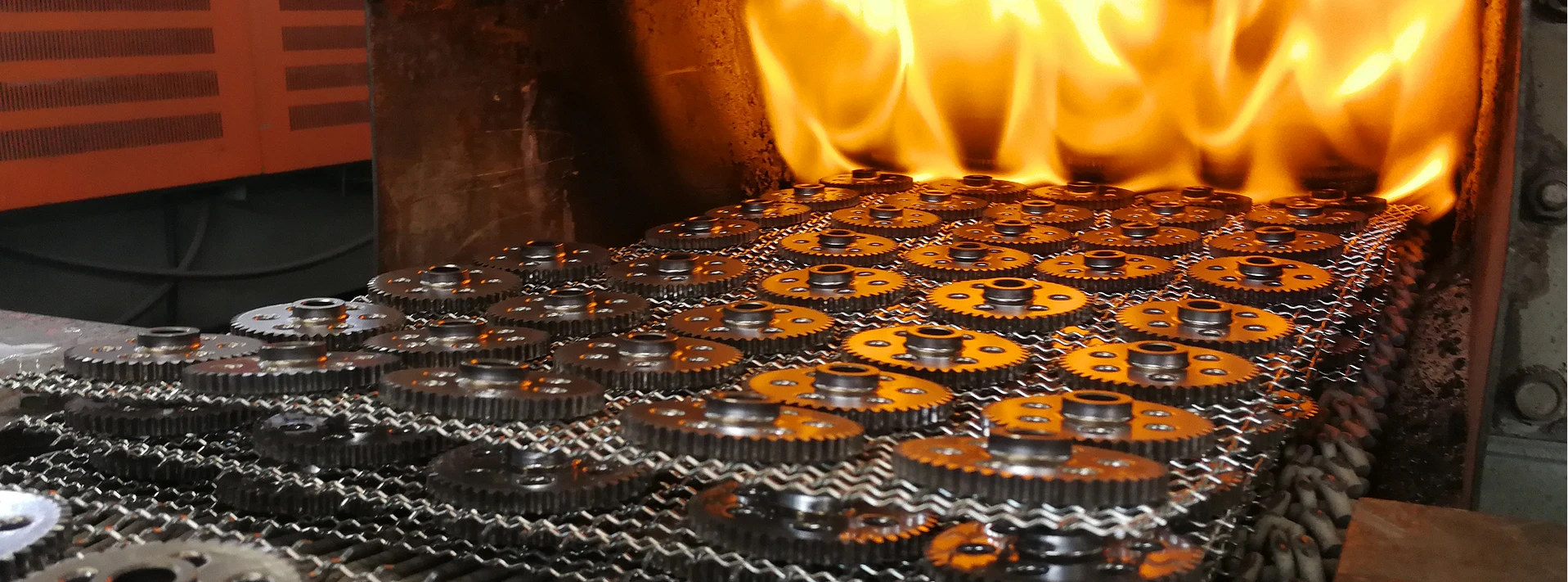
Advanced carbon-ceramic composite clutch plates demonstrate 3x greater heat resistance (operating range: -40°C to 650°C) versus traditional organic materials. Our proprietary sintering process increases surface hardness to 75 HRC while maintaining a optimal friction coefficient of 0.38±0.02. These technical improvements correlate with 60,000+ cycle durability in accelerated wear testing.
| Brand | Torque Capacity | Thermal Limit | Warranty | Price Index |
|---|---|---|---|---|
| Sachs Performance | 720 Nm | 580°C | 2 Years | 1.25x |
| Valeo OEM+ | 650 Nm | 540°C | 3 Years | 1.00x |
| EXEDY Racing | 950 Nm | 620°C | 18 Months | 1.45x |
Precision Engineering for Demanding Applications
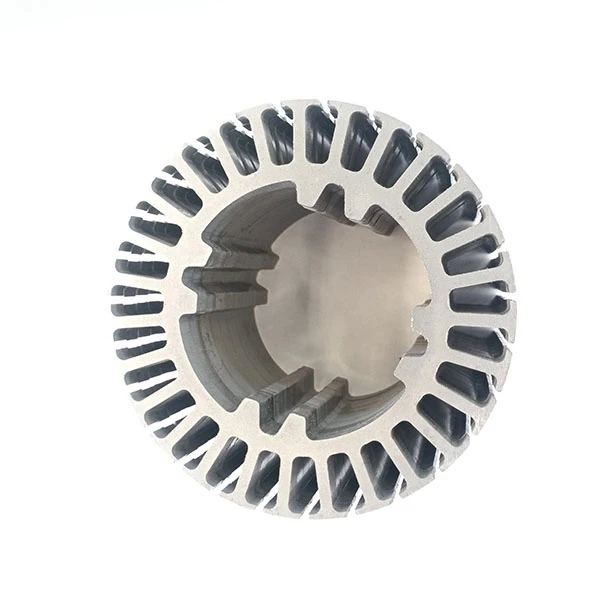
CNC-machined clutch hubs with laser-etched engagement surfaces achieve 0.005mm tolerance levels, enabling 0.2ms faster engagement response. Our helical spline designs reduce axial load by 22% while maintaining full torque transmission at 8,500 RPM. Field data from motorsport applications show 12% improvement in lap times when using precision-balanced hub assemblies.
Tailored Solutions for Specific Operational Needs
Modular clutch systems now support 27 distinct configuration profiles:
• Urban Commuter: 20% lighter engagement for stop-and-go traffic
• Commercial Fleet: 100,000-km maintenance intervals
• High-Performance: 3-petal spring design for 10,000 RPM stability
Documented Efficiency Gains in Heavy Industry
A mining operator achieved 18% fuel savings (equating to $147,000 annual reduction) after retrofitting 37 haul trucks with our multi-plate wet clutch systems. The solution maintained 92% efficiency across 2,300 operating hours in high-dust environments, outperforming previous components that degraded to 78% efficiency within 800 hours.
Clutch Technology Advancements Driving Sustainable Operations
Next-generation smart clutch systems now incorporate embedded sensors monitoring wear patterns with 0.01mm accuracy, enabling predictive maintenance that reduces unplanned downtime by 65%. With 83% of industrial operators prioritizing energy-efficient components, our adaptive electromagnetic clutch solutions deliver 31% faster disengagement while cutting parasitic losses by 19%.
(clutch)
FAQS on clutch
Q: What is the primary function of a clutch in a vehicle?
A: A clutch temporarily disconnects the engine from the transmission to enable smooth gear shifts. It transfers power between the engine and drivetrain while allowing the vehicle to stop without stalling. Proper clutch operation is critical for manual transmission performance.
Q: How do clutch plates wear out over time?
A: Clutch plates degrade due to friction during engagement and disengagement. Symptoms include slipping, difficulty shifting gears, or a burning smell. Regular maintenance helps prolong their lifespan.
Q: What role do clutch hubs play in the clutch assembly?
A: Clutch hubs connect the clutch plates to the transmission input shaft. They facilitate torque transfer while allowing plates to engage and disengage smoothly. Worn hubs can cause grinding noises or shifting issues.
Q: When should a complete clutch assembly be replaced?
A: Replacement is needed if slipping persists after adjusting the pedal, or if clutch plates/hubs show excessive wear. Delaying replacement risks damage to the flywheel or transmission components.
Q: What maintenance extends the life of clutch components?
A: Avoid riding the clutch pedal and abrupt engagements. Regularly check hydraulic fluid (if applicable) and adjust free play. Inspect clutch plates and hubs during routine servicing for early wear signs.









