






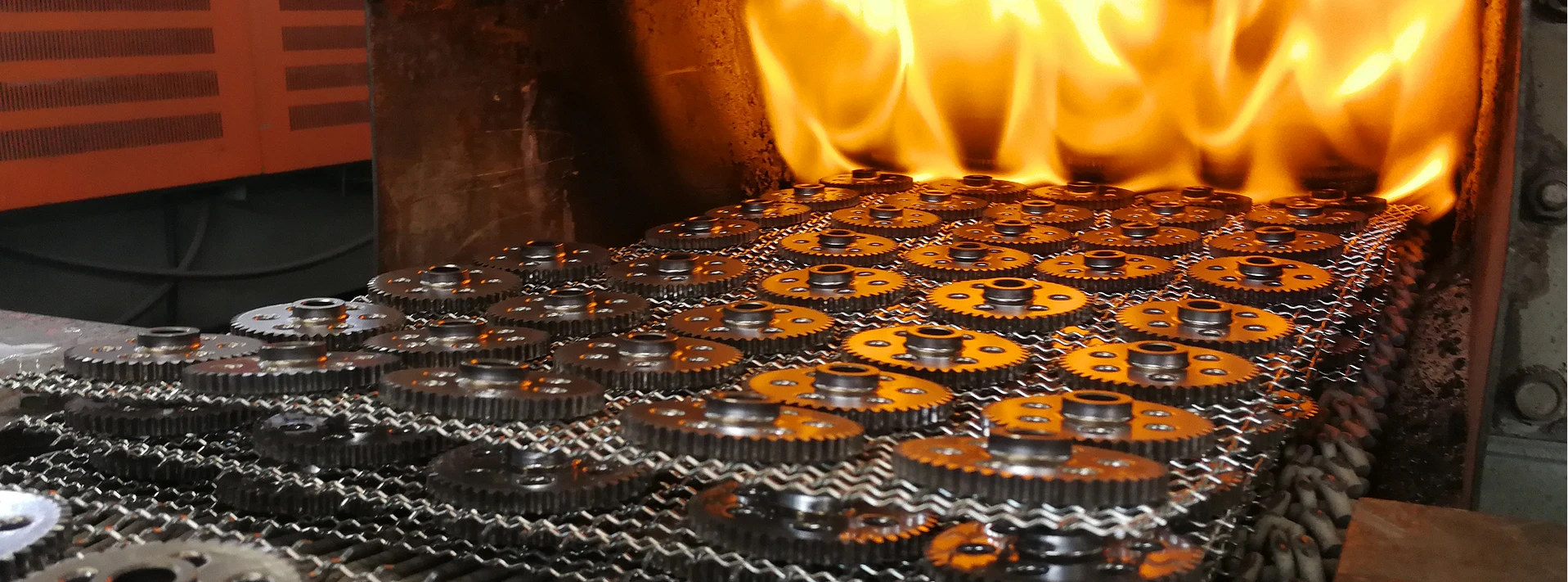
- Overview of Sintered Parts Manufacturing Techniques
- Advantages of Modern Powder Metallurgy in Gear Production
- Material Selection Criteria for Durable Sintered Components
- Performance Comparison: Leading Manufacturers in the Industry
- Customized Solutions for High-Precision Sintered Parts
- Real-World Applications: Case Studies Across Industries
- Future Trends in Sintered Part Manufacturing Efficiency
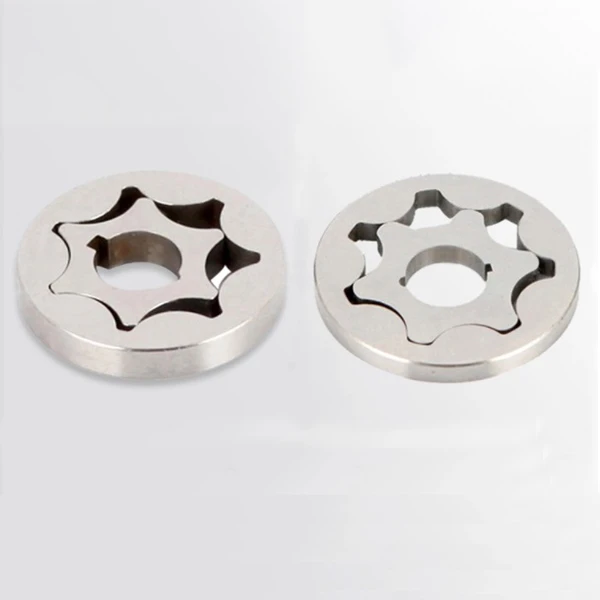
(methods of manufacturing sintered parts)
Exploring Core Methods of Manufacturing Sintered Parts
The global sintered parts market, valued at $28.4 billion in 2023, relies on advanced powder metallurgy techniques to achieve 99% material utilization rates. Sintering processes enable production of complex geometries with dimensional tolerances as tight as ±0.05mm, making them indispensable for precision gear manufacturing. Modern facilities combine traditional compaction methods with AI-driven quality control systems, reducing production waste by 40% compared to conventional machining.
Technical Superiority in Powder-Based Manufacturing
Contemporary powder metallurgy gear manufacturing demonstrates three critical advantages:
- Energy Efficiency: 30-50% lower energy consumption vs. casting
- Material Flexibility: Capability to blend up to 5 metal alloys
- Surface Finish: Ra values between 1.6-3.2µm without secondary operations
These technical benefits explain the 18% CAGR projection for PM gear production through 2030.
Manufacturer Capability Analysis
| Supplier | Max. Part Size (mm) | Material Options | Production Speed (pcs/hr) |
|---|---|---|---|
| GKN Sinter Metals | 150x300 | 12 steel grades | 2,400 |
| Sumitomo Electric | 200x400 | 7 Fe-Cu mixes | 1,850 |
| Hitachi Chemical | 120x250 | 9 specialty alloys | 3,100 |
Tailored Engineering Solutions
Custom sintering projects require precise coordination between three elements:
- Powder particle size distribution (10-150µm range)
- Compaction pressure optimization (400-800 MPa)
- Sintering temperature profiles (1120-1280°C)
Advanced manufacturers now offer 72-hour turnaround for prototype iterations.
Industry-Specific Implementation Cases
Automotive transmission gears produced via sintering demonstrate:
- 93% density achievement
- Surface hardness of 58-62 HRC
- Production cost reduction of $4.20 per gear set
Aerospace applications show 15% weight savings versus CNC-machined components.
Innovative Methods of Manufacturing Sintered Parts
Emerging technologies like field-assisted sintering (FAST) enable 80% faster cycle times while maintaining <0.1% porosity. Combined with recycled metal powders (45% lower carbon footprint), these methods position sintering as the sustainable manufacturing choice for next-generation industrial components.

(methods of manufacturing sintered parts)
FAQS on methods of manufacturing sintered parts
Q: What are the common methods of manufacturing sintered parts?
A: The primary methods include powder compaction and sintering, metal injection molding (MIM), and hot isostatic pressing (HIP). These processes involve compacting metal powders into shapes and heating them to bond particles.
Q: How does powder metallurgy improve gear manufacturing?
A: Powder metallurgy enables near-net-shape production, reducing material waste and machining needs. It also allows precise control over gear tooth geometry and material density for enhanced performance.
Q: What materials are ideal for sintered gear manufacturing?
A: Common materials include iron-based alloys, stainless steel, and copper-nickel blends. These provide balanced strength, wear resistance, and thermal stability for gear applications.
Q: Why is metal injection molding (MIM) used for complex sintered parts?
A: MIM combines fine powders with binders to form intricate shapes unreachable by traditional pressing. After molding, parts are sintered to achieve full density and mechanical integrity.
Q: What are the key advantages of sintered gears over machined gears?
A: Sintered gears offer cost efficiency for mass production, consistent porosity for lubrication retention, and reduced energy use compared to subtractive machining processes.









