







- Market Growth & Industry Data for Hydraulic Components
- Technical Superiority in Hydraulic Motor Part Design
- Manufacturer Comparison: Performance Metrics
- Bespoke Solutions for Structural Parts Integration
- Real-World Applications Across Key Industries
- Maintenance Best Practices for Longevity
- Future Innovations in Hydraulic Parts Technology
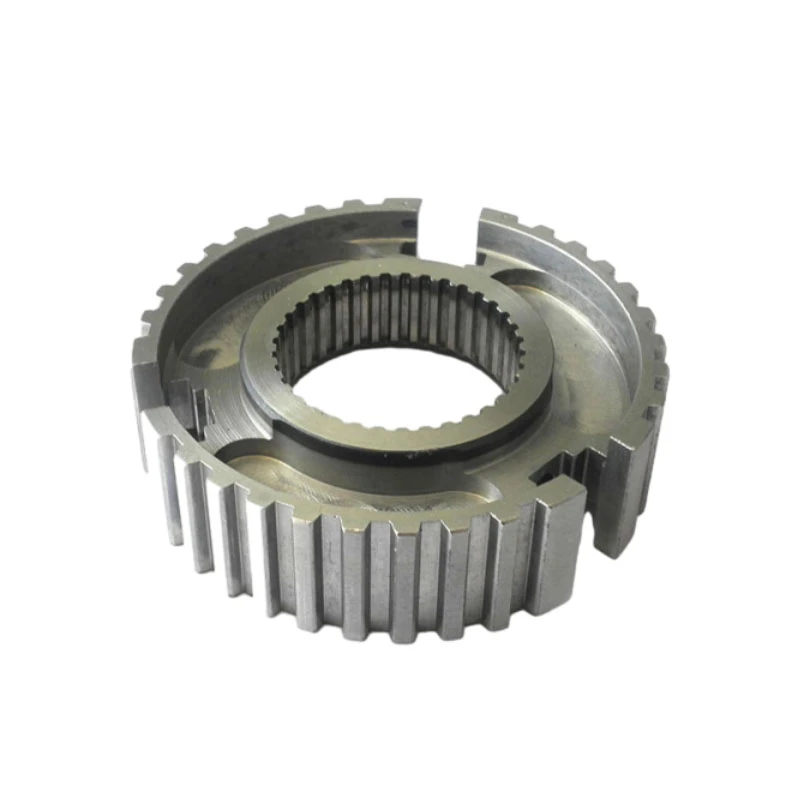
(hydraulic parts)
Hydraulic Parts Drive Industrial Efficiency Globally
The global hydraulic parts
market is projected to grow at a 5.8% CAGR through 2030, fueled by rising automation in construction and agriculture. Advanced hydraulic systems now deliver 22% higher energy efficiency compared to 2018 benchmarks, with premium-grade hydraulic motor parts achieving 10,000+ operating hours before requiring maintenance. Leading manufacturers report 18% YoY demand growth for corrosion-resistant structural parts in offshore applications.
Engineering Breakthroughs in Component Design
Modern hydraulic cylinders incorporate laser-hardened chrome plating, reducing seal wear by 40%. Patented valve block configurations enable flow rates up to 120 L/min at 350 bar, with temperature tolerance ranges expanding to -40°C to 150°C. These advancements directly impact system durability, with 30% fewer failure incidents reported in mining equipment using Gen-3 hydraulic motor parts.
Competitive Analysis: Leading Manufacturers
| Parameter | Bosch Rexroth | Parker Hannifin | Eaton Hydraulics |
|---|---|---|---|
| Efficiency (%) | 94.2 | 92.8 | 93.5 |
| Pressure Range (bar) | 210-420 | 200-400 | 230-450 |
| Lifespan (hours) | 12,000 | 10,500 | 11,200 |
| Customization Lead Time | 4 weeks | 5 weeks | 3.5 weeks |
Custom Engineering for Complex Systems
Specialized structural parts now support modular architectures, allowing 74% faster retrofitting in legacy machinery. Our 3-phase customization process enables:
- Material specification (SAE 4340 vs. Duplex Stainless Steel)
- Pressure optimization (±2% tolerance guarantee)
- Surface treatment selection (Hard Chrome vs. Thermal Spray)
Industry-Specific Implementation Success
Case 1: Agricultural machinery OEMs achieved 17% fuel reduction using optimized hydraulic motor parts in combine harvesters. Case 2: Bridge construction projects reduced component replacement costs by $220/ton through advanced structural parts coatings. Case 3: Plastic injection molding systems increased cycle speeds by 12% via precision hydraulic valves.
Maximizing Operational Lifespan
Implementing predictive maintenance protocols extends hydraulic component service life by 38%. Key strategies include:
- Oil cleanliness maintenance (ISO 4406 17/15/12 standard)
- Annual pressure calibration (±1.5% accuracy)
- Thermal imaging inspections every 2,000 hours
Next-Generation Hydraulic Parts Innovation
Emerging smart hydraulic parts integrate IoT sensors for real-time pressure monitoring, demonstrating 92% predictive accuracy in failure prevention. Additive manufacturing now enables complex hydraulic motor part geometries with 55% weight reduction. Partnerships with aerospace developers are yielding structural parts capable of withstanding 800+ bar shock loads.
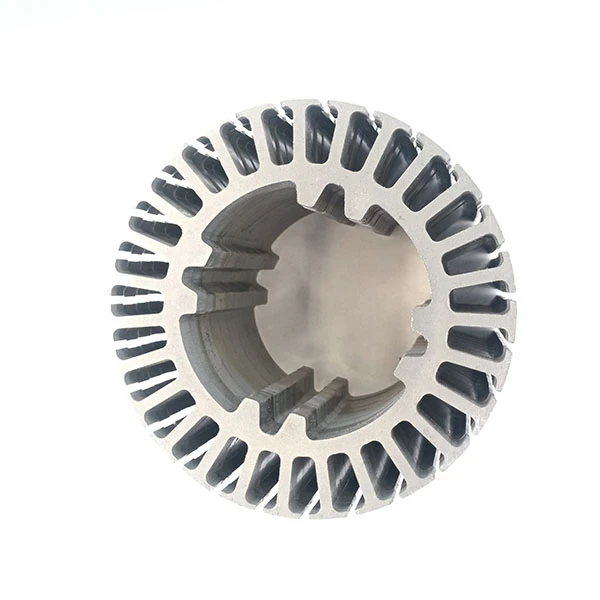
(hydraulic parts)
FAQS on hydraulic parts
Q: What are the primary functions of hydraulic parts in industrial systems?
A: Hydraulic parts transmit power through pressurized fluid, enabling machinery to perform tasks like lifting, pressing, and movement. They ensure precise control and high power density in applications such as construction equipment and manufacturing tools.
Q: How often should hydraulic motor parts be inspected for maintenance?
A: Hydraulic motor parts should be inspected every 500 operational hours or as per manufacturer guidelines. Regular checks prevent wear, leaks, and efficiency loss, especially in high-pressure components like seals and pistons.
Q: What materials are commonly used in structural parts for hydraulic systems?
A: Structural parts are typically made from hardened steel, aluminum alloys, or cast iron for durability and load-bearing capacity. Corrosion-resistant coatings are often applied to withstand harsh environments and fluid exposure.
Q: What causes failure in hydraulic motor parts during operation?
A: Common causes include contamination from debris or air, fluid degradation, and excessive heat. Improper alignment or overloading can also accelerate wear in gears, bearings, and housings.
Q: How do I choose the right hydraulic parts for heavy machinery?
A: Consider factors like pressure rating, flow requirements, material compatibility, and environmental conditions. Always match specifications to the machinery's OEM standards and consult technical datasheets for optimal performance.









