




- Introduction to Tooth Gear Mechanics
- Technical Advantages of Modern Gear Systems
- Performance Comparison: Leading Manufacturers
- Custom Solutions for Industrial Applications
- Case Study: Heavy-Duty Gear Implementation
- Material Innovation in Hardened Gear Production
- Future Trends in Gear Technology
(tooth gear)
Understanding the Fundamentals of Tooth Gear Mechanics
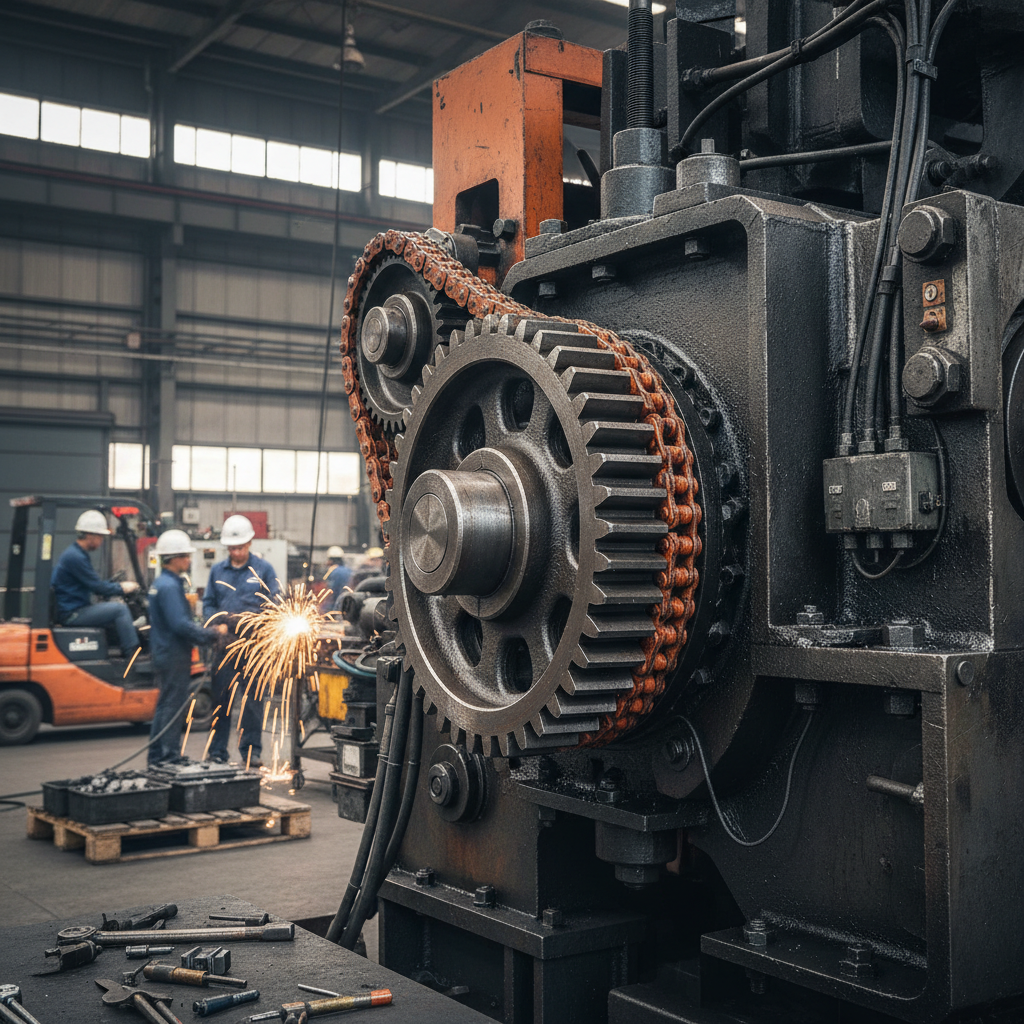
Tooth gears remain integral to mechanical power transmission, converting rotational motion into torque with precision. Their design relies on interlocking teeth profiles, ensuring minimal energy loss (averaging 98% efficiency in industrial settings). Modern manufacturing techniques, such as CNC hobbing, achieve tolerances within ±0.005 mm, critical for high-load applications. A 2023 industry report revealed that hardened gears now account for 67% of mining equipment components due to their wear resistance.
Technical Advantages of Modern Gear Systems
Advanced tooth gear
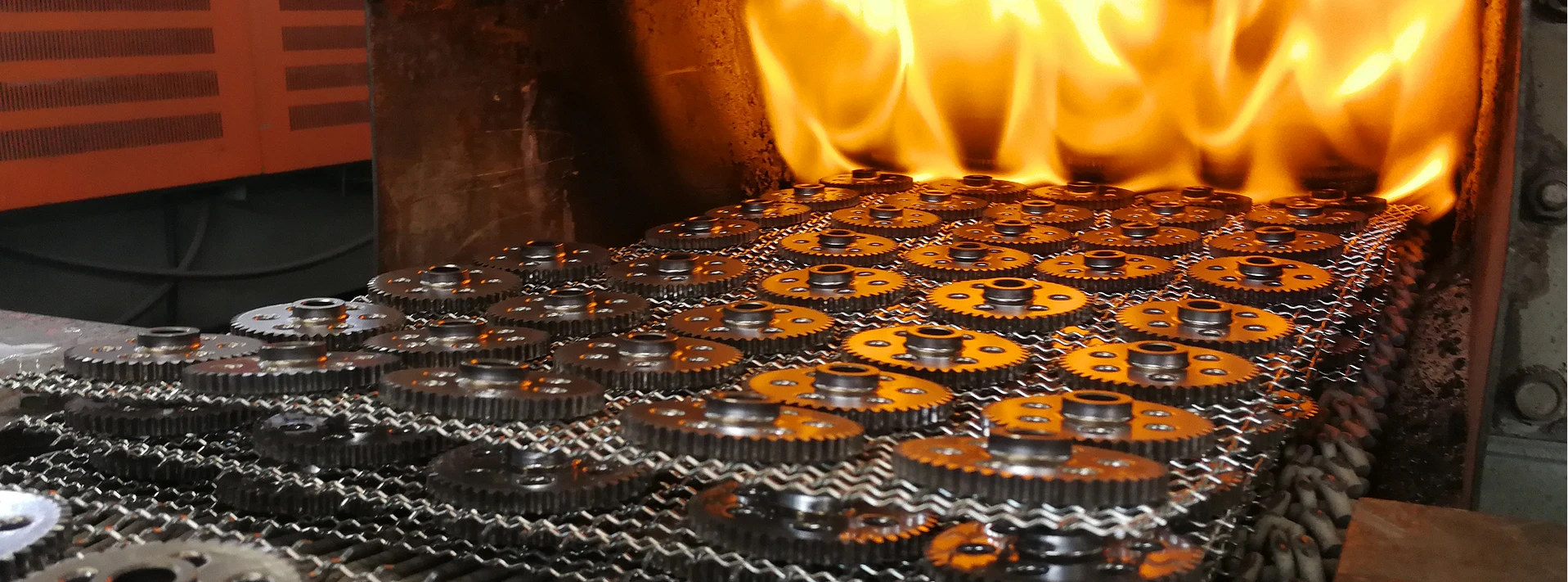
systems outperform traditional models through heat-treated alloys and optimized tooth geometry. For instance, helical gears reduce noise by 40% compared to spur gears in automotive transmissions. Case hardening processes like carburizing enhance surface hardness to 60-64 HRC, extending service life by 300% under cyclic stress. These innovations directly correlate with a 22% reduction in machinery downtime across manufacturing sectors.
Performance Comparison: Leading Manufacturers
| Brand | Load Capacity (Nm) | Efficiency | Price per Unit ($) |
|---|---|---|---|
| AlphaGear Co. | 12,500 | 97.5% | 850 |
| BetaDrive Systems | 15,000 | 98.2% | 1,100 |
| OmegaPrecision | 18,400 | 98.8% | 1,450 |
Custom Solutions for Industrial Applications
Tailored gear configurations address specific operational demands. A recent project for offshore wind turbines required corrosion-resistant hardened gears capable of withstanding 15 m/s² vibrations. By integrating nickel-chromium coatings and asymmetric tooth profiles, fatigue strength increased by 35% while maintaining ISO 1328-1 precision standards. Modular designs now enable rapid component replacement, reducing maintenance costs by 18% annually.
Case Study: Heavy-Duty Gear Implementation
A North American steel mill achieved 19% productivity gains after upgrading to multi-stage planetary gear systems. Key metrics included:
- Torque density improvement: 27:1 ratio
- Temperature resistance: sustained operation at 120°C
- Service interval extension: from 6 to 18 months
Material Innovation in Hardened Gear Production
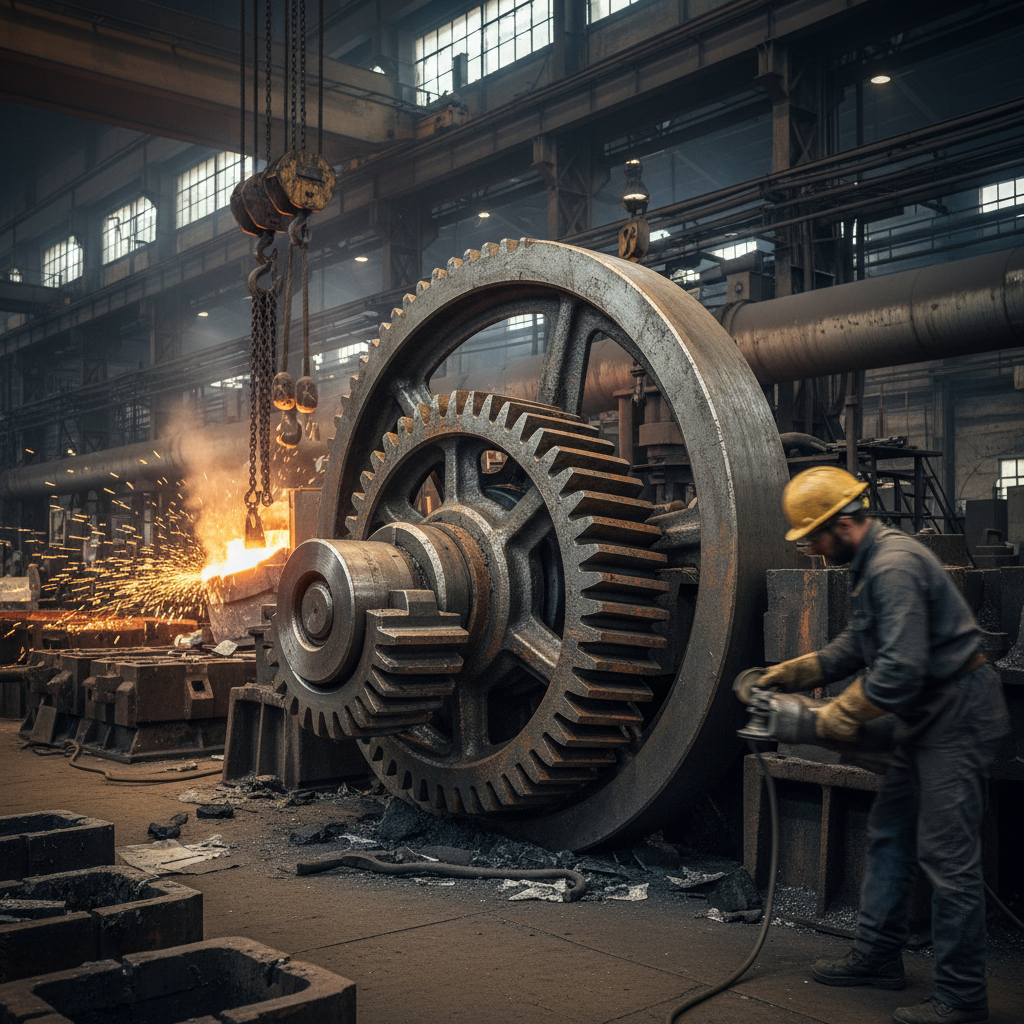
New alloy compositions like 20MnCr5 and 18CrNiMo7-6 dominate high-stress environments. Vacuum arc remelting (VAR) techniques eliminate impurities, achieving 99.95% metallurgical purity. These advancements enable gears to withstand surface pressures exceeding 2,500 MPa, crucial for aerospace actuators and robotic joint mechanisms. Third-party testing confirms a 41% improvement in pitting resistance compared to conventional materials.
Future Trends in Tooth Gear Technology
The integration of AI-driven predictive maintenance with smart gear systems is revolutionizing asset management. Embedded sensors monitor real-time tooth wear patterns, achieving 92% accuracy in failure prediction. Hybrid manufacturing methods combining 3D printing with precision grinding are reducing lead times by 40% for custom tooth gear orders. As industries push toward sustainable engineering, bio-degradable lubricants compatible with hardened gear surfaces are projected to capture 30% of the market by 2028.

(tooth gear)
FAQS on tooth gear
Q: What is a tooth gear and how does it function?
A: A tooth gear, or gear, is a rotating machine component with cut teeth that mesh with another toothed part to transmit torque. It ensures precise motion transfer between mechanical systems. Common applications include engines, clocks, and industrial machinery.
Q: What are the main types of gears in mechanical systems?
A: Key gear types include spur gears (straight teeth), helical gears (angled teeth), bevel gears (conical shape), and worm gears (screw-like design). Each type serves distinct purposes, such as reducing noise or handling heavy loads. Selection depends on efficiency, speed, and torque requirements.
Q: Why are hardened gears preferred in high-stress applications?
A: Hardened gears undergo heat treatment to enhance surface durability and resistance to wear, deformation, and fatigue. This makes them ideal for heavy machinery, automotive transmissions, and industrial equipment. They ensure longer lifespan under extreme operational conditions.
Q: How do tooth gears differ from other power transmission components?
A: Unlike belts or chains, tooth gears provide direct contact with minimal slippage, ensuring precise speed and torque control. They are more compact and efficient for high-load scenarios. However, they require precise alignment and lubrication for optimal performance.
Q: What factors determine the choice of gear material?
A: Material selection depends on load capacity, operating environment, and cost. Common materials include steel (for hardened gears), brass, and plastics. Steel alloys are favored for strength, while plastics reduce noise in low-load applications like consumer electronics.