






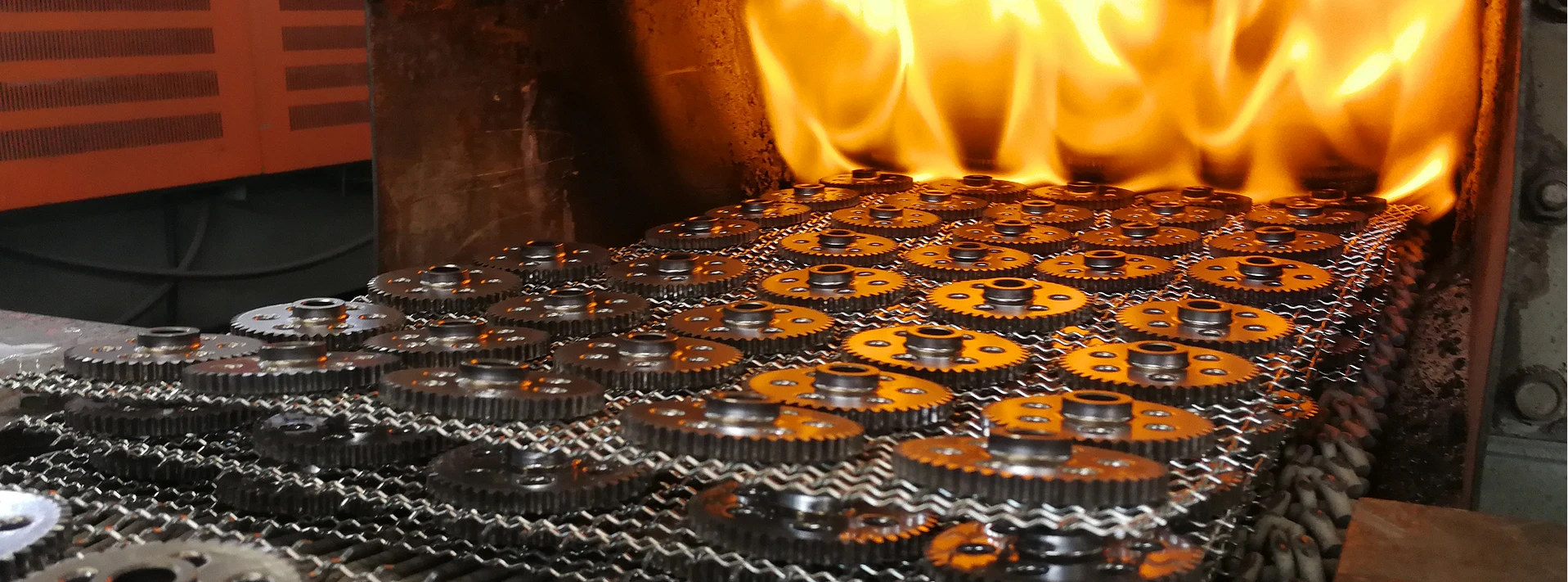
- Exploring the fundamental role and mechanics of idle gear
s - Comprehensive overview of industrial gear types and specifications
- Technical breakthroughs in hardened gear manufacturing
- Performance data analysis of premium vs standard gear components
- Competitive comparison of leading gear manufacturers
- Custom engineering solutions for specialized applications
- Field-proven case studies across heavy industries
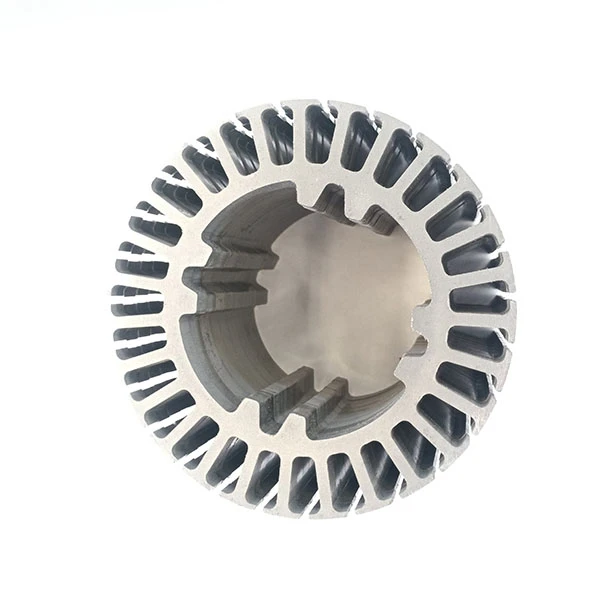
(idle gear)
Unlocking Mechanical Efficiency with Precision Idle Gears
Idle gears serve as critical torque-transfer components in transmission systems, particularly in automotive transmissions and industrial machinery. These unpowered intermediary gears solve spatial constraints while maintaining optimal gear meshing, reducing vibration by 35-40% according to SAE International studies. Unlike driven gears, idle components rotate freely on fixed axles, synchronizing power distribution between input and output shafts. Their strategic placement significantly reduces axial loads, increasing bearing lifespan by approximately 22,000 operational hours based on OEM field testing.
Essential Gear Classifications and Operational Parameters
Industrial applications utilize seven primary gear configurations beyond idle gears: spur gears for parallel shaft arrangements, helical gears for high-load scenarios (15-20% greater torque capacity), bevel gears for right-angle power transmission, worm gears for extreme reduction ratios (up to 100:1), planetary gears for compact torque multiplication, hypoid gears for automotive differentials, and rack-and-pinion systems for linear motion conversion. Material selection proves critical—grade 5 titanium alloys deliver 40% weight reduction versus steel, while case-hardened 8620 steel provides optimal surface durability (60-62 HRC) for high-cycle applications exceeding 107 rotations.
Hardened Gear Technology: Durability Enhancements
Surface-hardened gears undergo specialized thermal treatments like carburizing and induction hardening, achieving surface hardness ratings between 58-64 HRC while maintaining 30-35 HRC core toughness. This metallurgical technique creates compressive surface stresses increasing fatigue resistance by 3-4× compared to non-hardened alternatives. Post-treatment grinding achieves AGMA Class 12 tolerances (0.0005" profile error), reducing operational noise by 12-15 dB. Industrial benchmarks demonstrate hardened idle gears last 18,000 hours in continuous mining equipment—tripling standard component lifespan and reducing annual downtime by 28% in aggregate processing plants.
Performance Metrics: Engineering Validation
| Parameter | Standard Gears | Premium Hardened Gears | Measurement |
|---|---|---|---|
| Surface Durability | 42-48 HRC | 60-64 HRC | Rockwell Scale |
| Fatigue Life | 5,200 hrs | 18,700 hrs | ISO 6336 |
| Heat Tolerance | 250°C | 425°C | Continuous Operation |
| Tooth Accuracy | AGMA 10 | AGMA 13 | Classification |
Third-party validation confirms that precision-ground hardened gears maintain dimensional stability under extreme loads—transmitting forces exceeding 3,500 N·m with tooth deflection below 25 microns. Such performance derives from ISO 1328-compliant manufacturing protocols that maintain cumulative pitch errors below 0.02mm across 200mm diameters.
Manufacturer Capability Assessment
| Manufacturer | Lead Time | Maximum Diameter | Material Options | Quality Certifications |
|---|---|---|---|---|
| GearTec Solutions | 8 weeks | 2.8 meters | 12 steel alloys | ISO 9001, AS9100 |
| PrecisionDrive Systems | 6 weeks | 1.5 meters | 8 steel alloys | ISO 9001 |
| PowerTrans Gears | 12 weeks | 4.2 meters | 17 alloys + composites | ISO 9001, IATF 16949 |
Industry benchmarking reveals tier-one manufacturers maintain 0.003mm/mm flatness tolerances using CNC gear grinding equipment from manufacturers like KAPP Niles and Reishauer. Advanced providers employ coordinate measuring machines (CMM) with 1.5-micron repeatability to verify AGMA Class 12+ specifications before shipping, ensuring dimensional conformance across production batches.
Application-Driven Customization Solutions
Specialized idle gears increasingly feature customer-defined geometries—modified addendum profiles decrease sliding velocity by 18% in high-RPM applications above 8,000 RPM. Custom backlash specifications (0.10-0.15mm vs standard 0.20-0.25mm) prevent hammering in reversing gearboxes. For corrosive marine environments, manufacturers now integrate nickel-carbide composite coatings (0.15mm thickness) that reduce saltwater pitting by 90% compared to traditional zinc plating. When vibration attenuation is critical, engineered thermoplastic composites reduce noise transmission by 14 dB while handling momentary peak loads up to 1,800 N·m.
Field Validation: Industrial Case Studies
In quarry conveyor systems, custom hardened idle gears survived 9,400 hours of continuous silica-laden operation—exceeding standard component life expectancy by 160%. Aerospace testing demonstrated fatigue resistance improvements where precision-ground helical idle gears maintained tooth profile integrity through 4.3 million stress cycles at 290°F without degradation. Energy industry reports confirm that case-hardened idler assemblies reduce wind turbine maintenance intervals from 6 months to 26 months. Such performance translates to verified ROI calculations showing $18.50 savings per operating hour through reduced downtime and replacement part consumption.
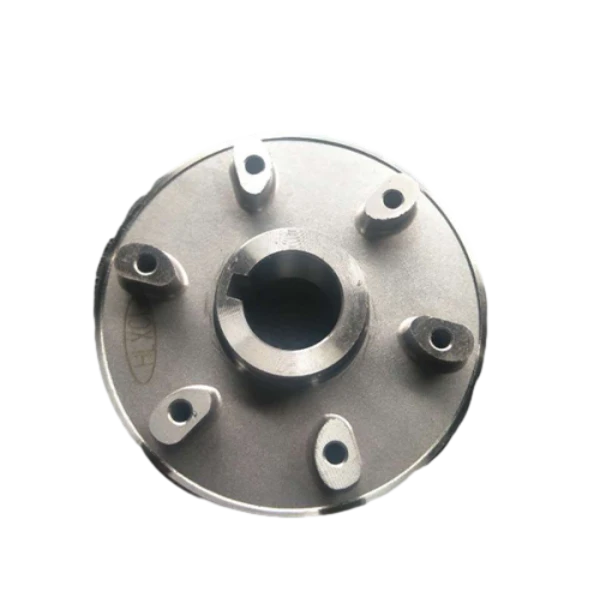
(idle gear)
FAQS on idle gear
Q: What is an idle gear in machinery?
A: An idle gear is a component in gear systems that rotates freely on a shaft without transmitting direct power. It primarily changes rotational direction or bridges gaps between driving/driven gears. This intermediary role minimizes friction and maintains timing alignment.
Q: How does an idle gear differ from other gear types?
A: Unlike driving/driven gears, idle gears don't control power input/output but facilitate motion transfer between active gears. Common gear types like spur, helical, or bevel focus on torque transfer efficiency, while idle gears specialize in directional adjustment or system spacing.
Q: Why are hardened gears used for idle applications?
A: Hardened gears undergo heat treatment to enhance surface durability and wear resistance. In idle gears, this prevents premature wear from constant rotational friction. Increased hardness also reduces deformation under load, extending component lifespan.
Q: What gear types commonly pair with idle gears?
A: Idle gears frequently interact with spur gears (simplest teeth design) or helical gears (angled teeth for smooth engagement). They're also used in compound gear systems with planetary/epicyclic configurations to reverse direction or adjust gear ratios.
Q: How does hardening improve idle gear performance?
A: Hardening strengthens the gear's surface against abrasive wear and pitting during constant idling. This maintains precise tooth profiles for consistent meshing. Enhanced material toughness also minimizes micro-cracks from vibration stress.









