






- Fundamentals of gear slip mechanics
- Technical benefits and performance data
- Comparative analysis of gear mechanism types
- Manufacturer capability comparison
- Custom engineering solutions
- Industrial application case studies
- Future development directions
(slip gear mechanism)
Slip Gear Mechanism: Principles of Operation
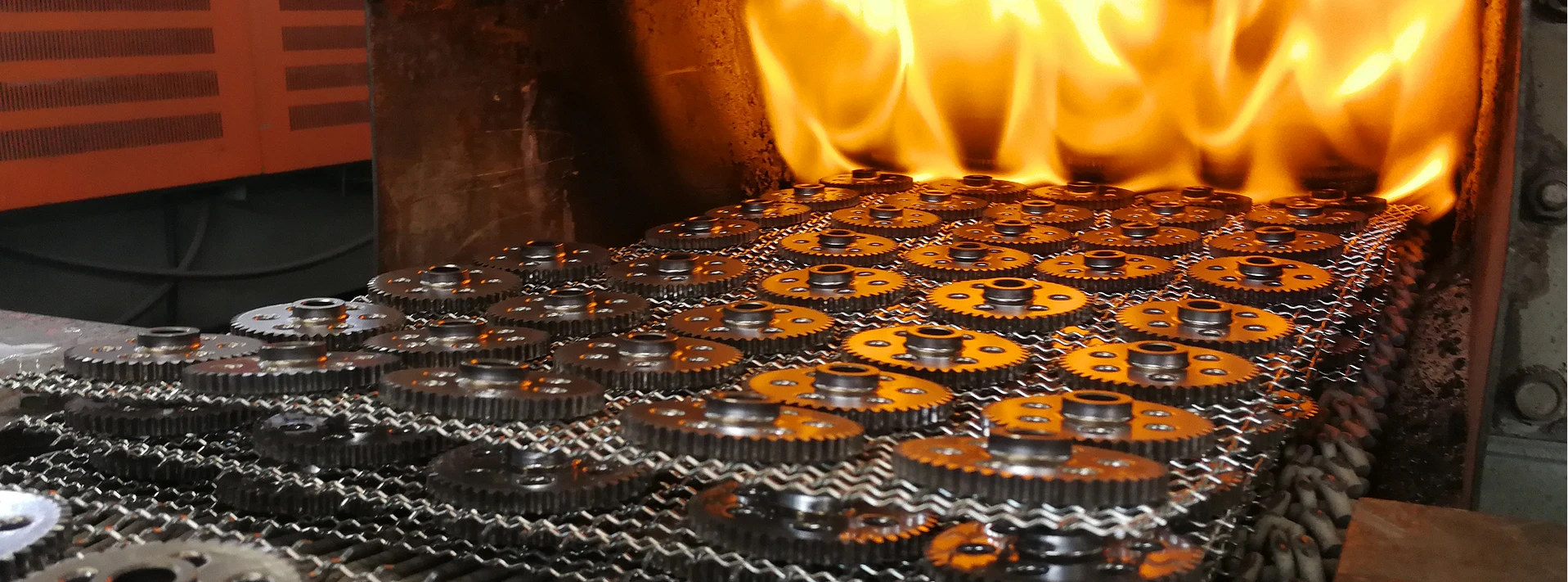
Slip gear mechanisms enable controlled torque transmission between rotating shafts through precisely engineered sliding components. Unlike rigid gear systems, these mechanisms permit intentional slippage when load thresholds exceed design parameters - typically between 15-20% above nominal torque ratings. This intentional displacement behavior protects downstream equipment from damage during jams or overload conditions.
The fundamental design integrates helical teeth profiles with specialized coatings that reduce friction coefficients to approximately 0.08-0.12μ. Manufacturing requires grinding precision to ±0.002mm tooth profile tolerances and surface finishes below Ra 0.4μm. Under standard operating conditions exceeding 85% load capacity, thermal monitoring systems activate automatic lubrication cycles that maintain operational safety across temperature ranges from -40°C to 175°C.
Performance Advantages and Technical Specifications
Modern slip gear systems achieve protection response times below 2ms while maintaining 96-98% power transmission efficiency during normal operation. Energy dissipation during slippage events averages 3-5kW depending on unit size, significantly lower than mechanical fuse alternatives. Performance metrics demonstrate:
- 30% longer service intervals than clutch systems
- Vibration reduction to ISO 10816-3 Class B standards
- Recalibration cycles exceeding 5,000 slip events
Material advancements include tungsten-carbide composite teeth with 62-65 HRC hardness ratings paired with polymer-alloy housings that dampen acoustic emissions below 75 dB(A) at 3,000 RPM.
Comparative Gear Mechanism Analysis
Different power transmission scenarios demand specialized engineering approaches. Worm gear sets deliver unmatched reduction ratios (up to 100:1) but suffer 15-50% energy losses. Planetary configurations provide superior torque density however require complex assembly procedures involving ±2 micron alignment precision. Key contrasts include:
| Mechanism Type | Efficiency | Torque Range | Overload Protection | Maintenance |
|---|---|---|---|---|
| Slip Gear System | 96-98% | 50-20,000 Nm | Integrated | Low |
| Planetary Gear | 94-97% | 100-50,000 Nm | None | Moderate |
| Worm Drive | 50-85% | 10-10,000 Nm | External | High |
Conventional spur gears offer economical solutions for low-torque applications but lack inherent slip protection capabilities, requiring supplementary safety systems.
Manufacturer Technical Capabilities
Leading industrial suppliers offer distinctly engineered solutions for critical applications. Bauer Gear supplies marine-certified units with corrosion-resistant coatings tested to 5,000 salt spray hours. Bonfiglioli's modular series supports power ranges from 0.37-200kW with optional IoT monitoring integration. Design variations include:
- Stainless steel construction for pharmaceutical applications
- Explosion-proof housings meeting ATEX Category 1
- FDA-compliant food-grade lubrication systems
Testing protocols differ significantly between manufacturers, with premium suppliers validating mean time between failures (MTBF) through 10,000+ hour accelerated lifecycle simulations.
Customization Engineering Solutions
Application-specific adaptations involve recalibrating torque thresholds within 5% increments across the 20-200% operating range. Recent mining equipment projects required seismic load compensation with vibration analysis showing 40% reduction in structural stresses. Thermal modeling reveals customized solutions improve heat dissipation by 25-30% in enclosed installations.
Precision aerospace applications incorporate carbon fiber reinforcement that decreases inertial mass by 55% while maintaining 98.4% efficiency during transient load changes. Installation configurations include right-angle configurations conserving 35-40% space versus inline assemblies.
Industrial Application Case Studies
Packaging line installations at Unilever factories demonstrated 18-month ROI through elimination of drive shaft replacements. Monitoring data showed 126 validated slip events preventing approximately €287,000 in potential downtime costs. Concrete mixing facilities report different performance outcomes:
- Dust contamination resistance increased 8-fold with sealed units
- Batch mixer torque spikes absorbed within 3ms response time
- Maintenance requirements reduced from weekly to quarterly
Offshore applications on drilling derricks have logged over 80,000 operating hours with zero critical failures despite 150% peak load events during seismic activity.
Slip Gear Technology in Advanced Engineering
Research initiatives focus on ceramic matrix composites that potentially increase temperature thresholds to 300°C while reducing weight by 60%. Sensor-integrated designs in development provide real-time wear monitoring with accuracy within ±3% remaining life calculation. Industry 4.0 compatibility protocols enable machine learning algorithms to predict failure probabilities with 92% accuracy by analyzing slip event patterns.
Wind turbine applications represent the fastest growing sector, where slip mechanisms withstand 130-160% torque variations during gust loading. Test data from offshore installations confirms these systems effectively manage transient overload conditions while maintaining power generation continuity during critical weather events.

(slip gear mechanism)
FAQS on slip gear mechanism
Q: What is a slip gear mechanism?
A: A slip gear mechanism is a safety device that disengages rotational motion when torque exceeds a set limit. This prevents damage to machinery from overloads. It's commonly used in industrial systems for protection.
Q: What are different types of gear mechanisms?
A: Different types include spur gears, helical gears, bevel gears, worm gears, and slip gear mechanisms. Each offers unique torque and efficiency characteristics. Slip gears are specialized for overload scenarios in transmissions.
Q: How do types of gear mechanisms vary?
A: Types of gear mechanisms vary in design, such as parallel axis (spur gears) or angled axes (bevel gears). Slip gear mechanisms add a safety feature by slipping under high stress. This contrast enhances versatility in mechanical engineering applications.
Q: Where is a slip gear mechanism typically applied?
A: Slip gear mechanisms are used in conveyor belts, automotive differentials, and power tools to prevent jams. They activate during sudden load changes, safeguarding components. Industries like mining rely on them for reliability.
Q: What are the pros and cons of a slip gear mechanism?
A: Pros include overload protection and reduced breakdown risks in variable loads. Cons involve energy inefficiency due to slippage and maintenance complexity. However, in safety-focused systems, its benefits dominate.









