




Types Of Gear Mechanism is a key solution in the industry, specifically within manufacturing, automotive, and heavy machinery sectors. Understanding these mechanisms is crucial for B2B decision makers seeking durable, efficient, and cost-effective components. This article explores how J&S Sintering supports professionals with durable, high-performance products, and explains why this product is an ideal choice for businesses in these sectors.
Table of Contents
- Types Of Gear Mechanism Overview
- Benefits & Use Cases of Types Of Gear Mechanism
- Cost, Maintenance & User Experience
- Sustainability & Market Trends
- Frequently Asked Questions about Types Of Gear Mechanism
- Conclusion on Types Of Gear Mechanism from China
Types Of Gear Mechanism Overview
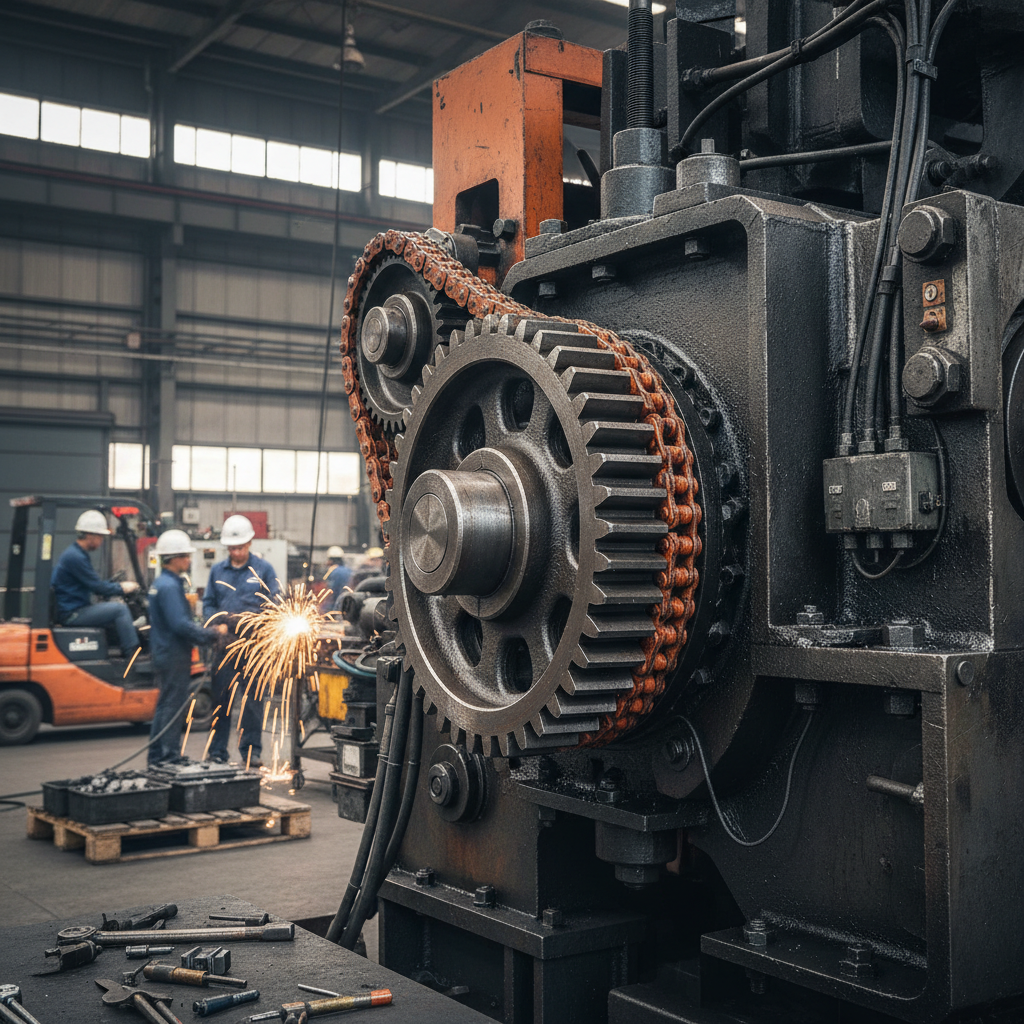
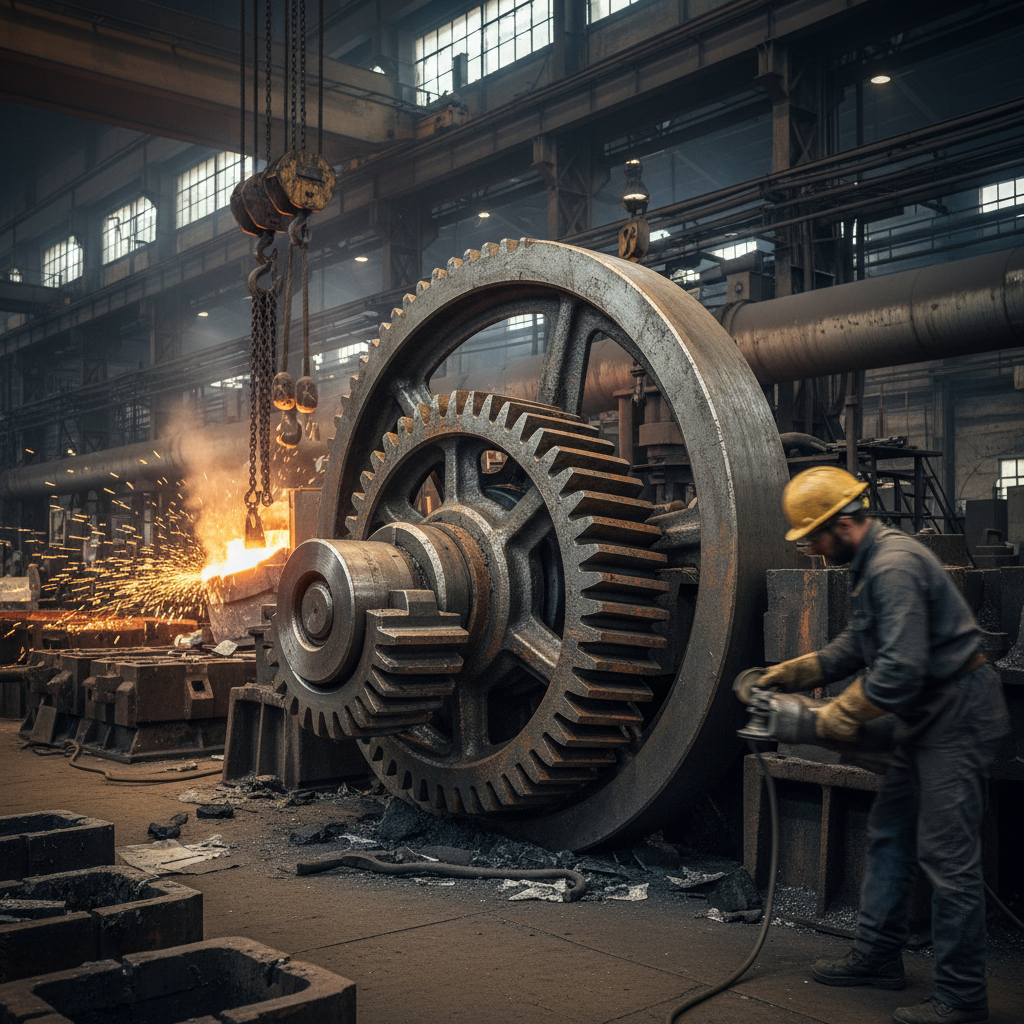
At its core, Types Of Gear Mechanism refers to the different arrangements and designs of gears that transmit torque and motion between mechanical parts. They’re basically the silent workhorses behind almost every piece of machinery you can think of. Without them, our vehicles, industrial equipment, and even some consumer products would lose efficiency or simply not function.
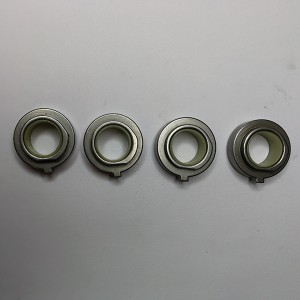
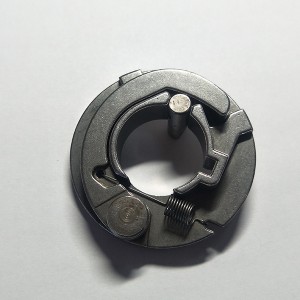
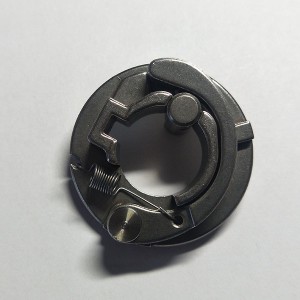
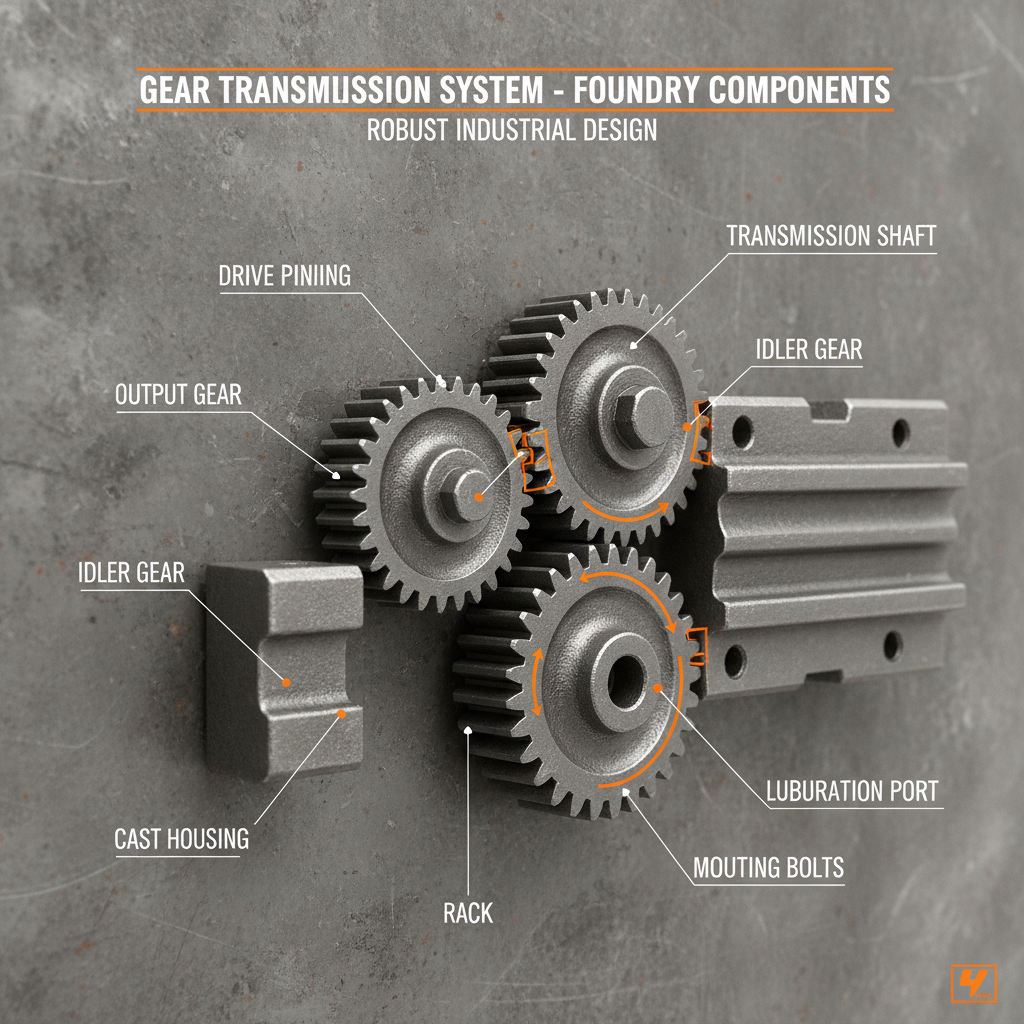
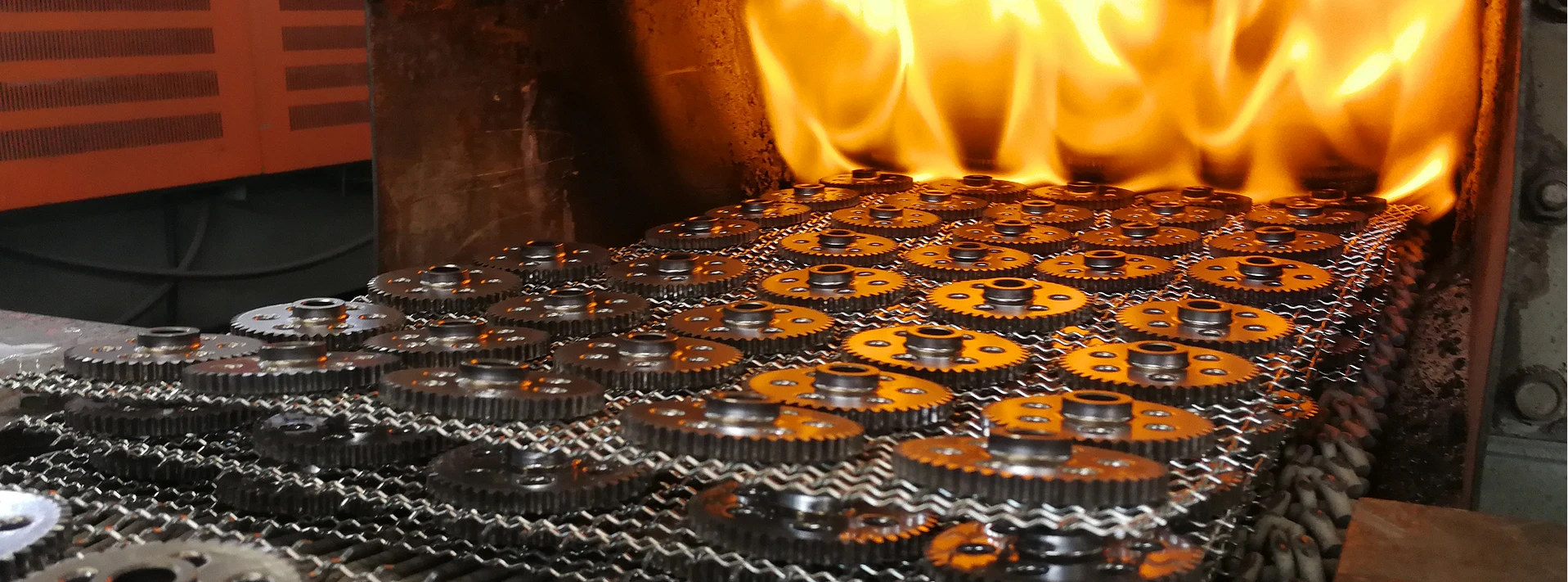
Technically speaking, gear mechanisms vary in terms of tooth design, orientation, and gear materials. For example, spur gears — the simplest type — transfer power between parallel shafts. Then you have bevel gears, which handle angular transmissions. Worm gears offer higher reduction ratios but tend to have more friction losses. Companies like J&S Sintering specialize in high-precision sintered gears suited for heavy use cases — providing robustness and durability through powdered metallurgy technology.
| Gear Type | Typical Use | Material | Torque Capacity |
|---|---|---|---|
| Spur Gear | Conveyor Systems, Automotive | Steel, Sintered Metal | Up to 500 Nm |
| Bevel Gear | Power Tools, Differential Drives | Alloy Steel, Powdered Metal | Up to 300 Nm |
| Worm Gear | Hoists, Lifts | Bronze, Sintered Copper | Up to 200 Nm |
Benefits & Use Cases of Types Of Gear Mechanism
What makes different types of gear mechanisms so fascinating is not just their mechanical elegance but their versatility across industries. From automotive transmissions delivering smooth gear shifts to manufacturing robots that require precise and reliable motion, these mechanisms adapt in so many ways.
One especially interesting angle is how sintered gears—using powdered metal pressed and hardened to form intricate shapes—offer distinct advantages like consistent quality, reduced waste, and complex geometry capabilities. Businesses working with Types Of Gear Mechanism made this way benefit from lower weight parts without compromising strength. This is a sweet spot for sectors like aerospace or robotics where every gram counts.
For instance, manufacturing lines employing sintered spur gears noticed less downtime due to high wear resistance. Features such as self-lubricating properties further cut maintenance needs—a definite win when you’re running 24/7 operations. Oddly enough, some clients say that upgrading from cast gears felt almost like a no-brainer once they compared performance data.
Cost, Maintenance & User Experience
Of course, for B2B decision makers, the total cost of ownership is everything. It’s not just about the purchase price—though that’s important—it's about the lifetime value and minimizing the headaches of repairs or replacements. Sintered gears, like those produced by J&S Sintering, often command a slightly higher initial price but offer impressive ROI thanks to durability and precision.
Maintenance tends to be simpler with these gears as the porosity left in the sintered metal can hold lubricants internally, which reduces friction and wear—meaning fewer service interventions. Feedback from companies in automotive assembly lines reports up to 20% reduction in downtime attributable to gear failures after switching to this technology.
Practically speaking, engineers also appreciate the consistent quality and tighter tolerances possible with powder metallurgy methods. It feels like the gears last longer and perform smoother under variable loads. Sure, some clients mentioned needing initial supplier training and testing alignments, but those efforts pay off quickly.
Sustainability & Market Trends
Sustainability is creeping increasingly into the conversation around machinery parts. Industries want to reduce waste, energy consumption, and use greener materials. Sintered gear technology aligns well with such goals: it uses near-net-shape manufacturing to minimize material waste drastically versus traditional machining.
Regulations tightening globally on emissions and energy efficiency also push companies to explore lightweight, energy-saving components. There’s a noticeable trend where businesses favor suppliers that show environmental responsibility and transparency. J&S Sintering’s commitment to research and development around eco-friendly processes enhances their credibility here.
| Vendor | Gears Offered | Customization | Sustainability Efforts |
|---|---|---|---|
| J&S Sintering | Sintered Spur, Bevel, Worm | High, including complex geometries | Uses near-net-shape process; low waste |
| Vendor B | Machined Steel Gears | Medium | Standard processes |
| Vendor C | Cast Bronze Worm Gears | Low | Limited sustainability claims |
Frequently Asked Questions about Types Of Gear Mechanism
- What is Types Of Gear Mechanism and how does it work?
- Simply put, Types Of Gear Mechanism are different ways gears are designed and arranged to transfer motion and torque between parts of a machine. They work by the interlocking teeth of gears rotating to change speed, direction, or force.
- What are the main benefits of using Types Of Gear Mechanism in industrial applications?
- Key benefits include increased durability, precise power transmission, and cost savings over time. Some types, especially sintered gears, need less maintenance and can be optimized for weight and size.
- How does Types Of Gear Mechanism compare to traditional alternatives?
- Compared to traditional cast or machined gears, sintered gear mechanisms often offer superior material use efficiency, tighter tolerances, and lower production costs, especially for complex shapes.
- What industries can benefit most from Types Of Gear Mechanism implementation?
- Automotive, aerospace, robotics, and heavy machinery industries are big users. For example, assembly line robots use these gears for accurate motion control.
Conclusion on Types Of Gear Mechanism from china
To sum up, Types Of Gear Mechanism, especially those crafted through advanced sintering processes by suppliers like J&S Sintering, represent a potent mix of performance, reliability, and sustainability. They empower businesses to reduce costs and improve machine uptime — which, frankly, is something every B2B decision maker appreciates. Interested? Visit our website: https://www.jssintering.com anytime for more info.
A practical choice informed by tens of thousands of operational hours isn’t just theory — it’s field-tested reality.
- “Powder Metallurgy and Sintered Gears,” ASM International Handbook, 2019.
- “Industrial Gear Systems in Heavy Machinery,” Journal of Mechanical Engineering, 2021.
- “Sustainability Trends in Manufacturing,” Green Manufacturing Review, 2023.