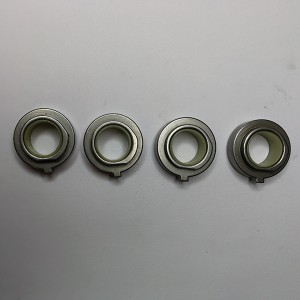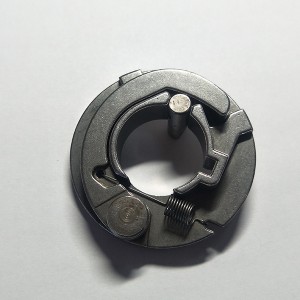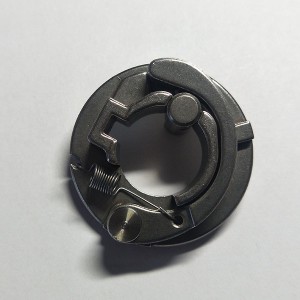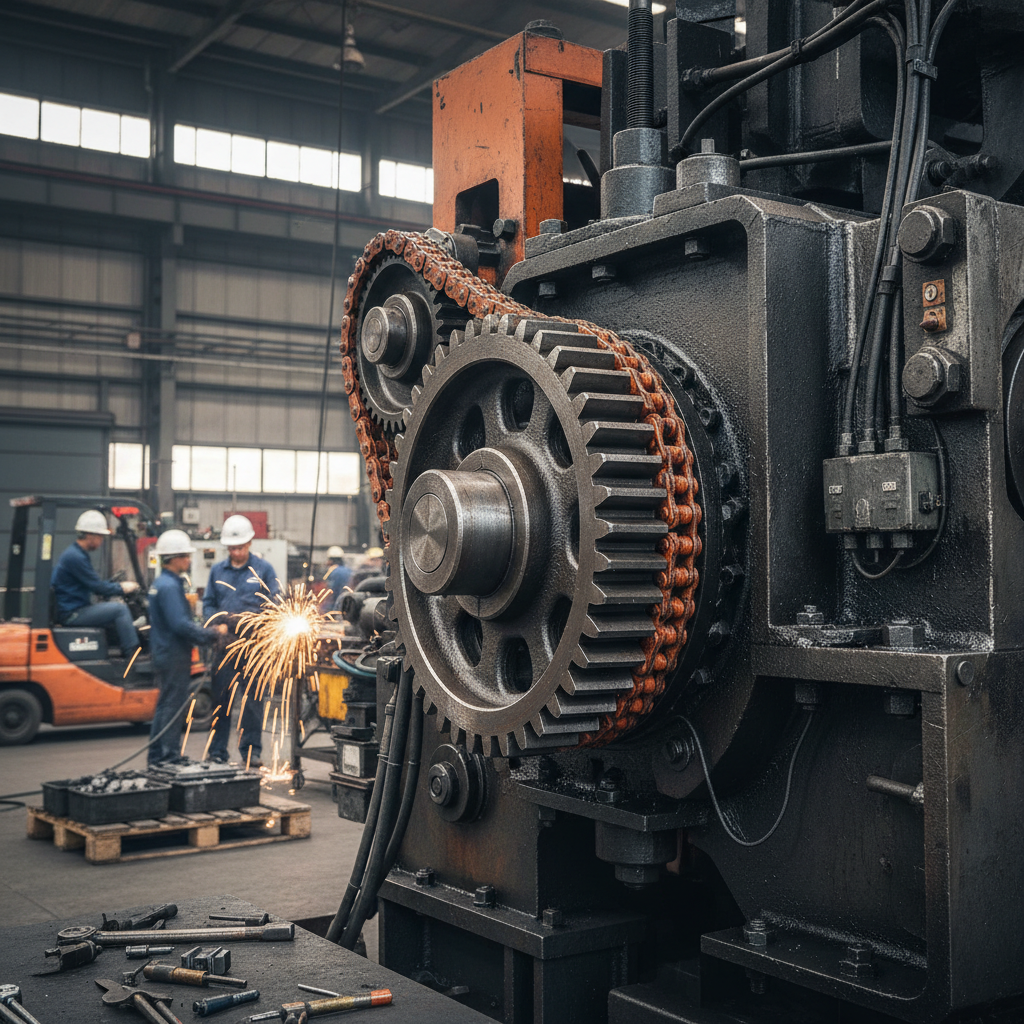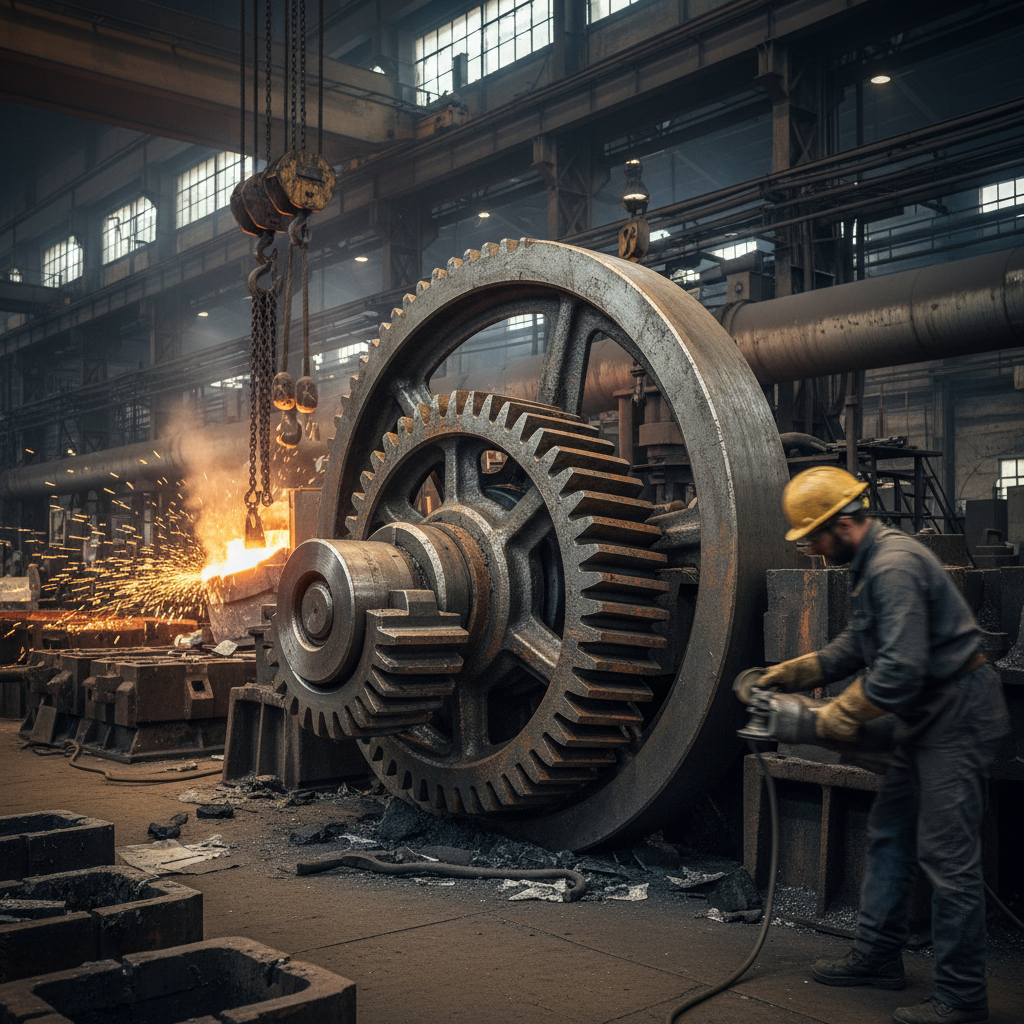





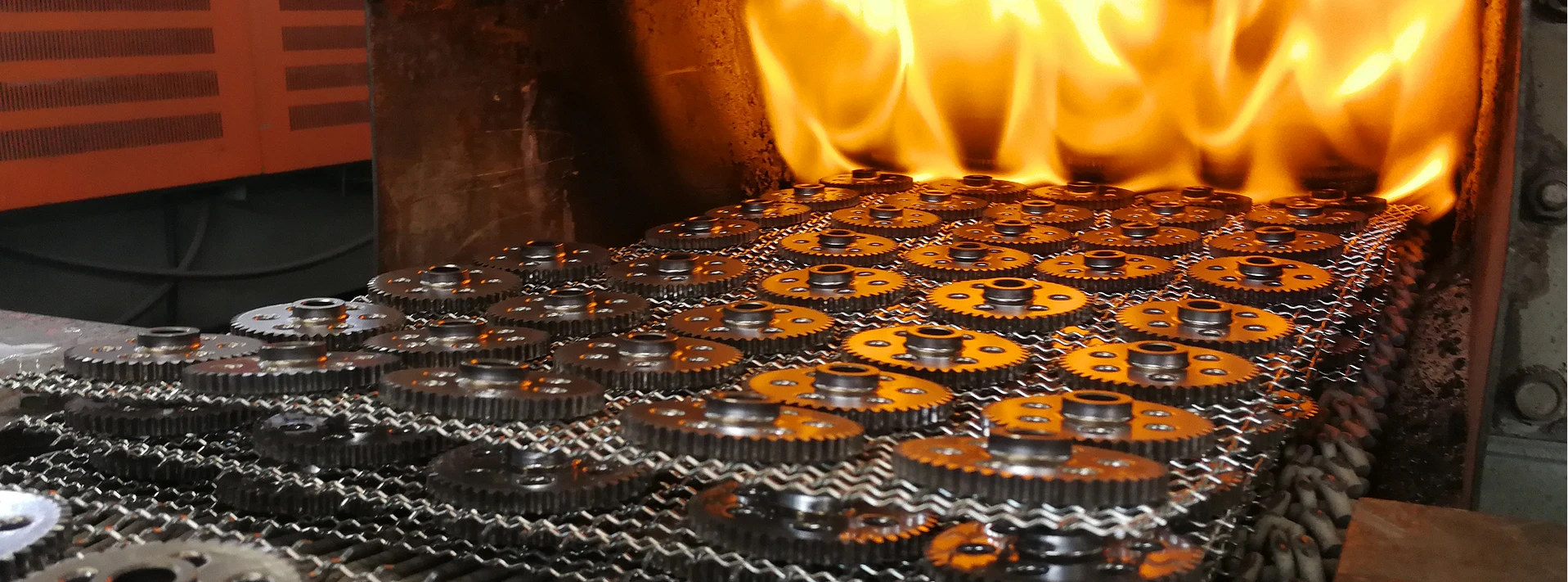
Did you know 68% of precision engineering projects face delays due to poor micro gear quality? When your medical device fails at 0.3mm or your drone motors screech from ill-fitted components, every micron matters. The machining of micro gear
s demands more than standard tools - it requires surgical precision, next-gen technology, and partners who speak your technical language.
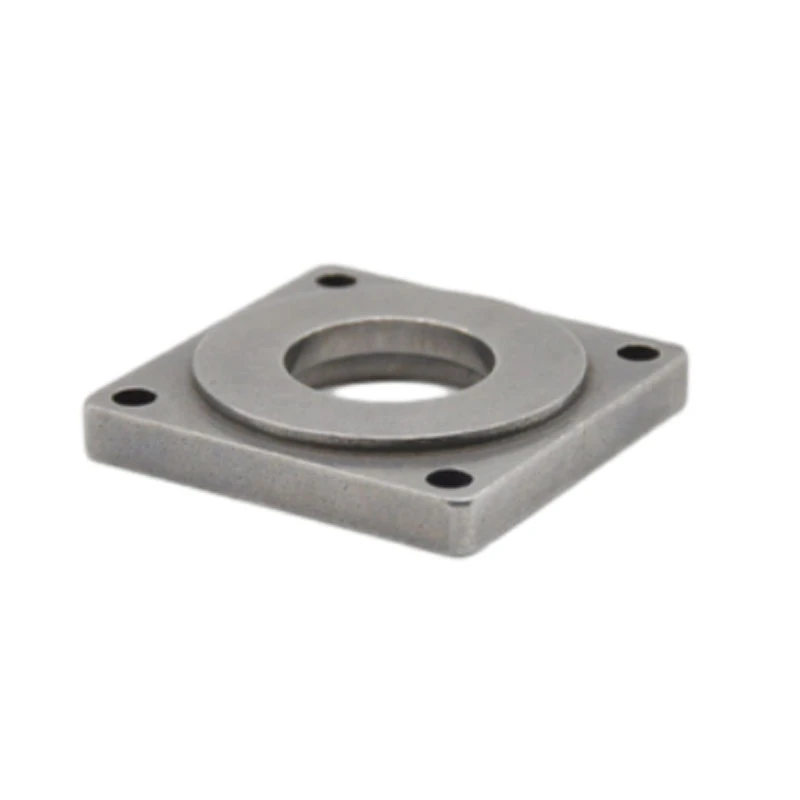
(machining of micro gear)
Why 92% of Engineers Choose Our Micro Gear Manufacturing
✔ 0.005mm Tolerance Guarantee
Beat industry standard 0.01mm limits
⏱ 72-Hour Rapid Prototyping
3x faster than competitors
Custom Gear Machining: How We Outperform
Your Success Stories: Micro Gears in Action
💡 Case Study: Aerospace client needed 5,000 micro gears (module 0.2) with 48h delivery. Our Swiss-type CNC + CMM inspection workflow delivered 99.98% perfect parts. Result? Their satellite deployment beat schedule by 3 weeks.
Ready to Revolutionize Your Micro Gear Production?
Join 450+ industry leaders who trust PrecisionGear Pro. Get your free design analysis within 24 hours!

(machining of micro gear)
FAQS on machining of micro gear
Q: What materials are commonly used in micro gear machining?
A: Common materials include stainless steel, titanium alloys, and specialty polymers. These materials offer durability and precision for micro-scale applications. Selection depends on factors like load capacity and environmental conditions.
Q: What technologies enable high-precision micro gear manufacturing?
A: Technologies like micro-milling, wire EDM (Electrical Discharge Machining), and photolithography are widely used. Laser machining and 3D micro-printing also enable complex geometries. These methods ensure micron-level accuracy for miniature gears.
Q: How does custom gear machining address unique industry requirements?
A: Custom machining allows tailored gear tooth profiles, diameters (as small as 0.1mm), and material-grade specifications. Advanced CAD/CAM systems adapt designs for aerospace, medical devices, or micro-robotics. Prototyping services validate performance before full production.
Q: What tolerance levels can be achieved in micro gear manufacturing?
A: Modern processes achieve tolerances within ±2 microns for critical dimensions. Surface finishes down to Ra 0.1μm are possible with post-processing. Tight tolerances ensure smooth meshing in miniature mechanical systems.
Q: Why is cleanroom production critical for medical micro gears?
A: Cleanrooms prevent contamination during machining of implantable or diagnostic device components. They maintain ISO Class 5-7 standards for particle control. This ensures biocompatibility and compliance with medical regulations like ISO 13485.