




- Industry Overview & Market Growth
- Technical Superiority of Modern Powder Metallurgy
- Performance Benchmark: PM vs. Traditional Manufacturing
- Customization Capabilities for Complex Requirements
- Application-Specific Engineering Solutions
- Cost Efficiency Across Production Scales
- Future-Proofing Industrial Components
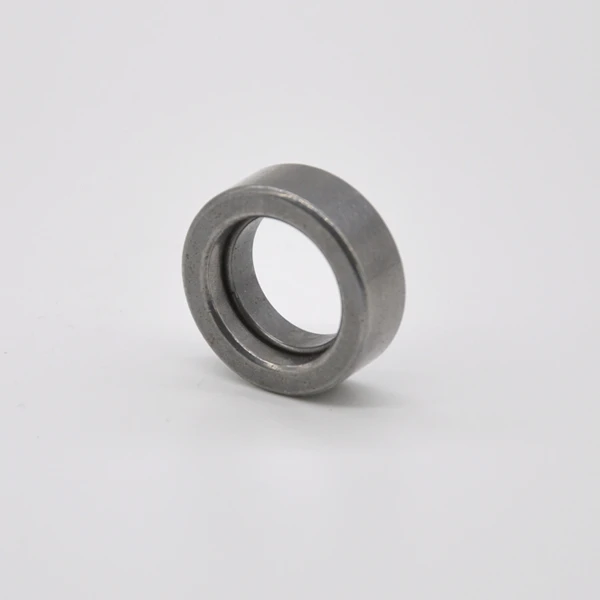
(many powder metal parts can be)
Many Powder Metal Parts Can Be Game-Changers in Modern Manufacturing
The global powder metallurgy parts market reached $8.3B in 2023, with 6.2% CAGR projected through 2030. This growth stems from powder metal parts enabling complex geometries unachievable via casting or machining. Automotive sectors consume 68% of PM components, while industrial machinery applications now drive 22% of annual demand.
Technical Advantages Driving Adoption
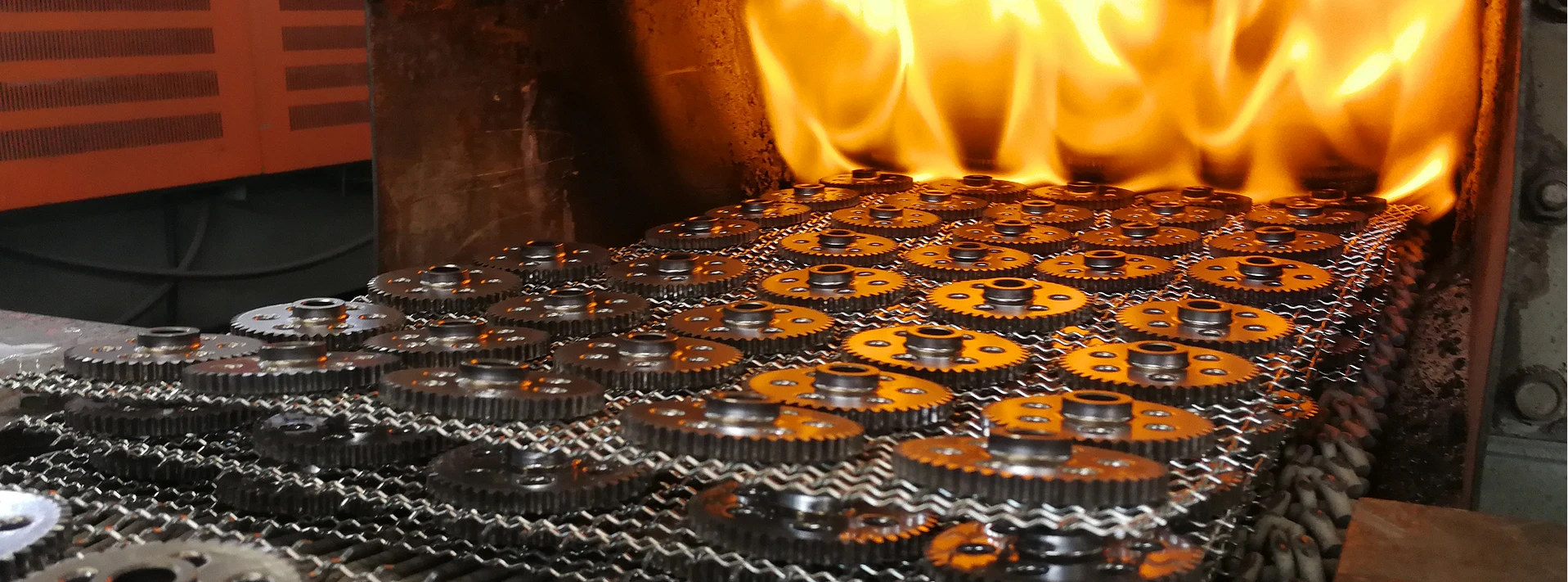
Contemporary PM processes achieve 98.5% density rates through advanced compaction and sintering techniques. Compared to CNC machining:
- Material waste reduction: 93% vs. 40-60% in subtractive methods
- Surface finish range: Ra 80-250 µin (as-sintered) to Ra 16 µin (sized)
- Tensile strength: Up to 1,400 MPa with diffusion alloyed steels
Manufacturer Capability Comparison
| Vendor | Max Part Size (mm) | Production Speed (parts/hour) | Material Options |
|---|---|---|---|
| Industry Leader A | 250x150x75 | 2,400 | 17 alloys |
| Specialist B | 150x100x50 | 1,800 | 9 alloys |
| Full-Service C | 300x200x100 | 1,200 | 23 alloys |
Customized Solutions Architecture
Advanced PM suppliers now offer:
- Dual-material components via layered compaction
- Controlled porosity (5-25%) for specific lubrication needs
- Post-sintering dimensional accuracy ±0.05mm
Real-World Implementation Cases
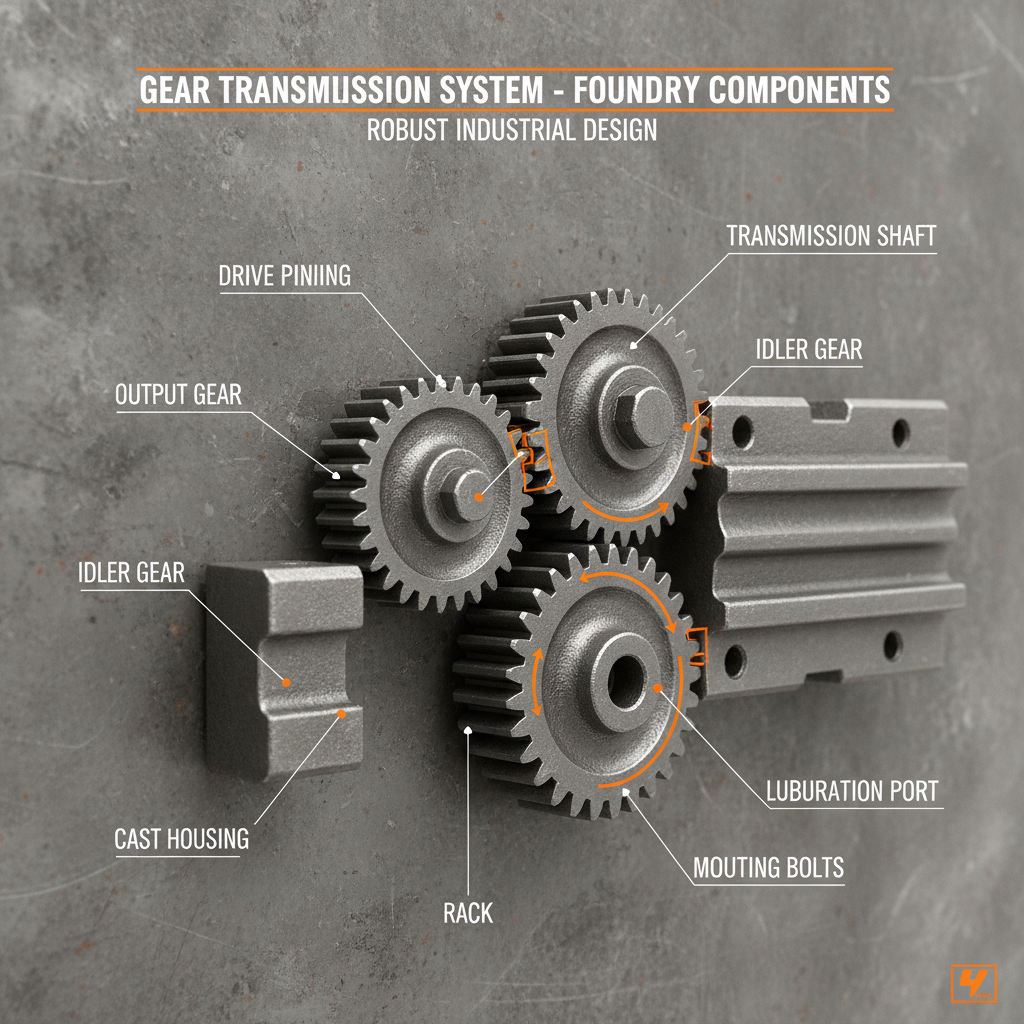
A tier-1 automotive supplier reduced transmission component costs by 34% using PM helical gears. Aerospace applications have adopted PM titanium brackets with 40% weight savings versus forged alternatives.
Economic Considerations
Break-even analysis shows PM becomes cost-effective at 15,000+ units for complex parts. High-volume runs (100k+ units) achieve 58-72% cost reduction over machining through:
- Reduced secondary operations
- Lower scrap rates
- Consistent quality control
Why Powder Metal Parts Can Be Strategic Differentiators
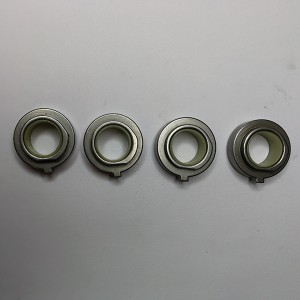
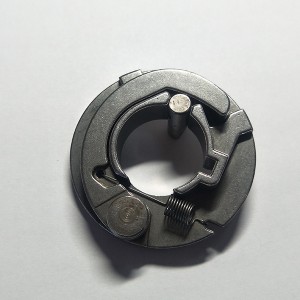
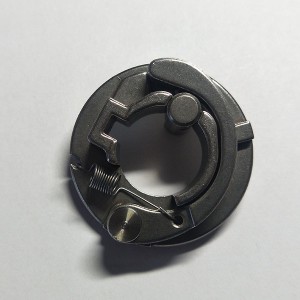
With 78% of manufacturers reporting improved component lifecycle using PM components, the technology enables 19% faster time-to-market for new machinery. Recent advancements in powder metal parts for machine applications now permit consolidation of multi-part assemblies into single sintered components.

(many powder metal parts can be)
FAQS on many powder metal parts can be
Q: What industries commonly use many powder metal parts can be manufactured?
A: Automotive, aerospace, and industrial machinery sectors frequently utilize powder metal parts due to their cost-effectiveness, design flexibility, and suitability for high-volume production.
Q: Why are powder metal parts preferred for machine components?
A: Powder metal parts offer precise dimensional control, excellent wear resistance, and the ability to create complex geometries ideal for gears, bearings, and other precision machine components.
Q: How do powder metal parts compare to traditional machining?
A: Powder metallurgy reduces material waste by up to 97%, enables near-net-shape production, and often eliminates secondary machining operations required with conventional methods.
Q: Can powder metal parts be customized for specific applications?
A: Yes, manufacturers can tailor material composition, density, and surface treatments to achieve specific strength, corrosion resistance, or thermal properties for specialized machine requirements.
Q: What makes powder metal parts sustainable for manufacturing?
A: The process recycles 95% of raw materials, consumes less energy than forging/casting, and supports lightweight designs that improve energy efficiency in final products.