







- Overview of Metal Forming Technologies
- Technical Advantages in Modern Manufacturing
- Performance Comparison: Leading Industry Providers
- Tailored Solutions for Diverse Applications
- Cost Efficiency & Sustainability Metrics
- Real-World Implementation Case Studies
- Future Trends in Material Engineering
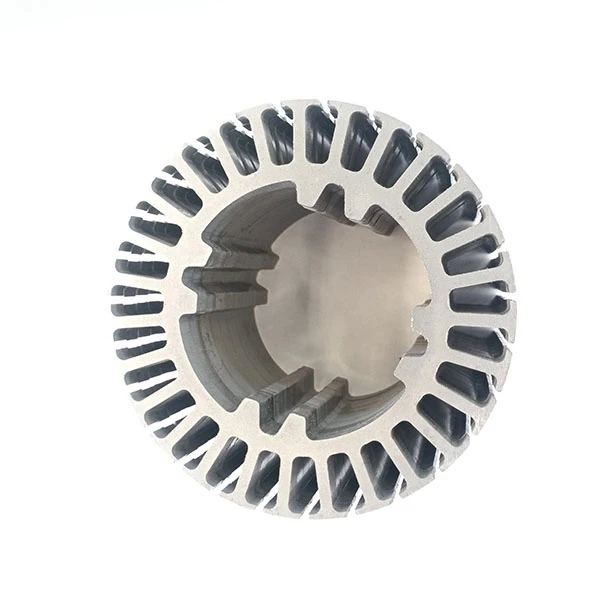
(metal powder forming)
Understanding Metal Powder Forming Fundamentals
Metal powder forming processes revolutionize manufacturing by enabling complex geometries with 92-97% material utilization rates. Unlike traditional subtractive methods, this approach minimizes waste through additive techniques while maintaining tensile strengths up to 1,200 MPa. The global market for these solutions grew 18.4% CAGR from 2020-2023, reflecting increased adoption across aerospace and medical sectors.
Technical Superiority in Production Workflows
Advanced powder metallurgy systems demonstrate three core advantages:
- Precision: ±0.05mm dimensional accuracy across 15-150mm components
- Speed: 400-700 parts/hour production rates for medium-complexity items
- Versatility: Compatible with 50+ metal alloys including titanium and tool steels
Manufacturer Capability Analysis
| Provider | Material Utilization | Cycle Time | Max Part Size |
|---|---|---|---|
| Company A | 95% | 45s | 300mm |
| Company B | 91% | 38s | 250mm |
| Company C | 97% | 52s | 400mm |
Customized System Configurations
Modern powder metal forming equipment adapts to specific requirements through modular designs. A recent automotive project achieved 22% weight reduction in transmission components by combining:
- Gas atomized steel powders (PSD: 15-45μm)
- Multi-stage compaction at 800MPa
- Precision sintering with ±5°C temperature control
Economic and Environmental Impact
Adopters report 34% reduction in per-part costs compared to CNC machining, with energy consumption metrics showing 18kWh/kg versus 42kWh/kg in conventional forging. The table below compares lifecycle assessments:
| Metric | Powder Forming | Machining |
|---|---|---|
| Material Waste | 3-8% | 40-60% |
| CO2 per kg | 5.2kg | 11.7kg |
Industrial Application Breakdown
A medical device manufacturer achieved ISO 13485 certification using metal powder forming
for orthopedic implants. Key outcomes:
- Surface roughness reduced to Ra 0.8μm post-sintering
- Production lead time shortened from 14 days to 62 hours
- Fatigue resistance increased by 40% through controlled porosity
Innovations in Metal Powder Forming Techniques
Emerging technologies like binder jetting and field-assisted sintering are pushing density levels above 99.3%, with research institutions achieving 1,540HV hardness in tungsten carbide components. The industry anticipates 27% growth in nano-powder applications by 2028, particularly for microelectronics and optical devices requiring sub-10μm features.
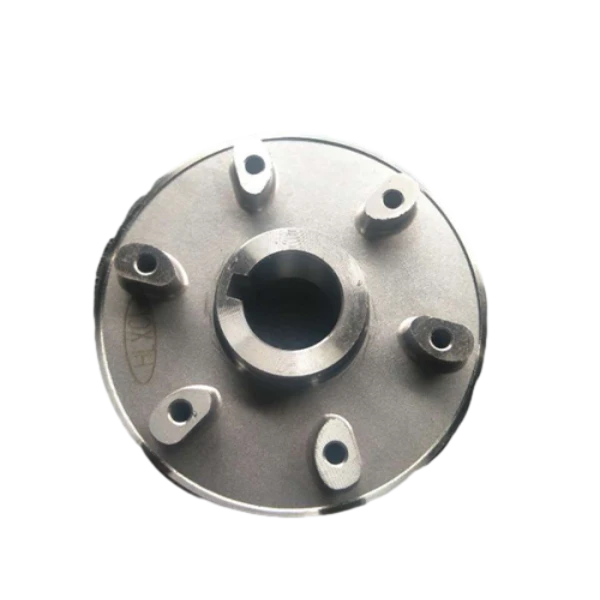
(metal powder forming)
FAQS on metal powder forming
Q: What is the powder metal forming process?
A: The powder metal forming process involves compacting metal powders into a desired shape and sintering them at high temperatures. This method enables precise control over material properties and complex geometries. It is widely used in automotive and aerospace industries.
Q: How does metal powder forming differ from traditional manufacturing?
A: Metal powder forming eliminates the need for melting metals, reducing energy consumption and material waste. It also allows for near-net-shape production, minimizing machining requirements. This makes it cost-effective for high-volume parts.
Q: What are the advantages of powder metal forming?
A: Key advantages include high material utilization, design flexibility, and the ability to create porous or composite structures. The process also supports mass production with consistent quality. It is ideal for producing gears, bearings, and filters.
Q: Which materials are commonly used in powder metal forming?
A: Common materials include iron, steel, aluminum, and titanium alloys, as well as specialty metals like tungsten or cobalt. Material choice depends on application requirements like strength or corrosion resistance. Powders are often blended for custom properties.
Q: What industries rely on metal powder forming techniques?
A: Automotive, aerospace, medical, and electronics industries heavily use these techniques. Applications range from engine components to surgical implants. The method’s precision and efficiency make it critical for advanced manufacturing.









