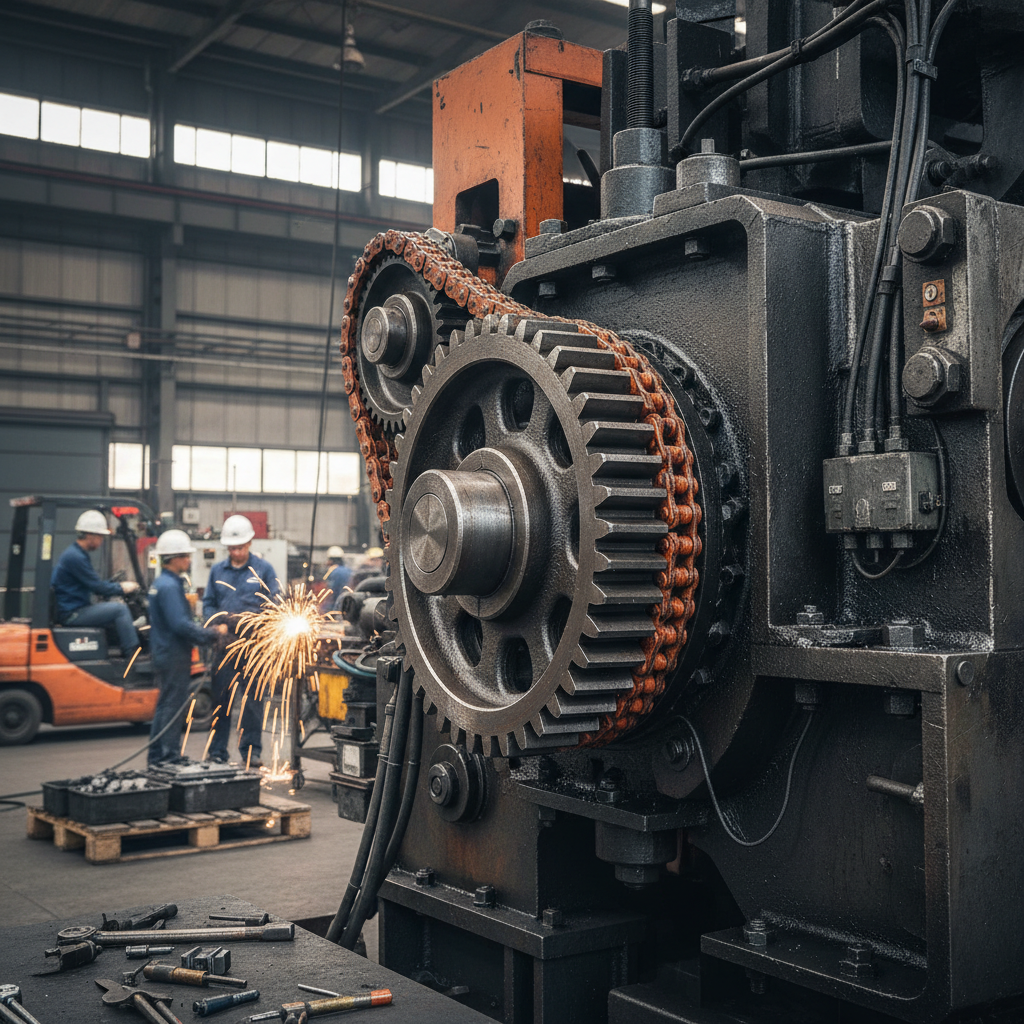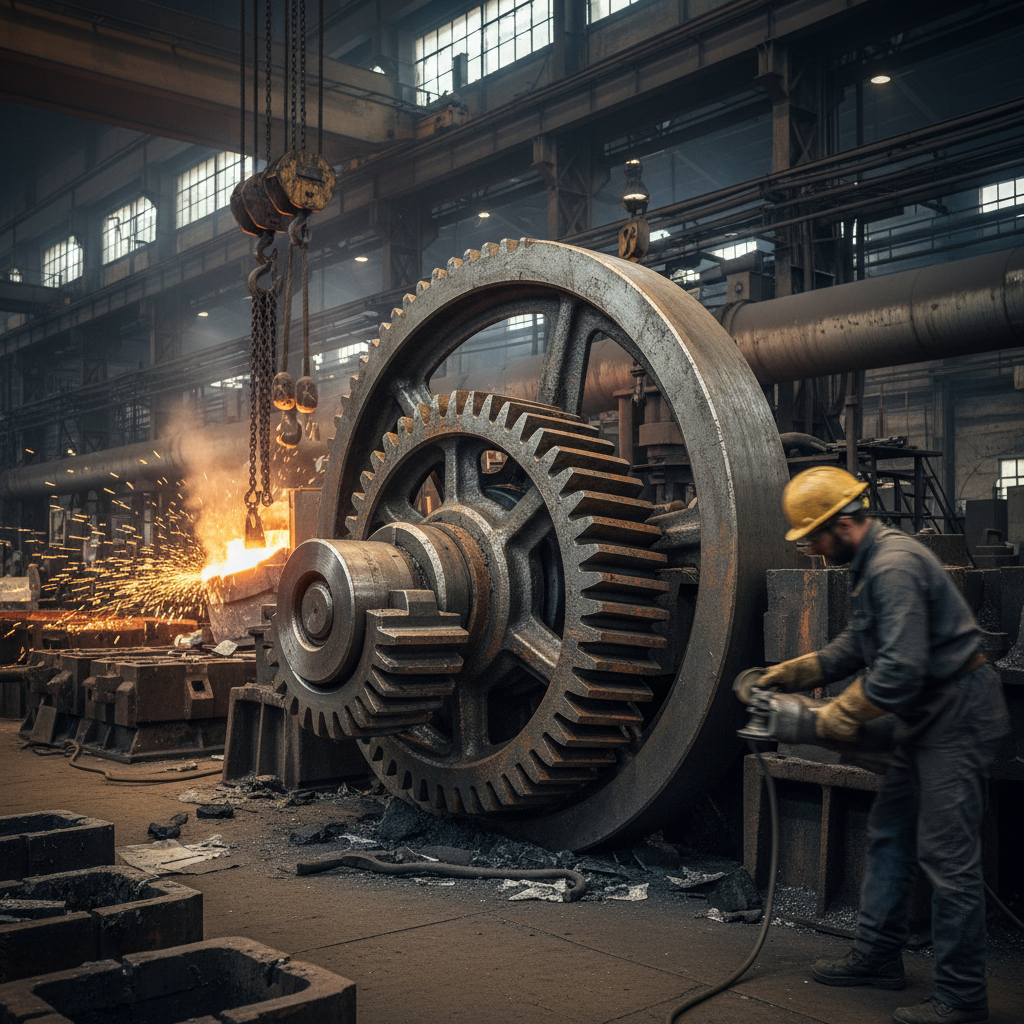





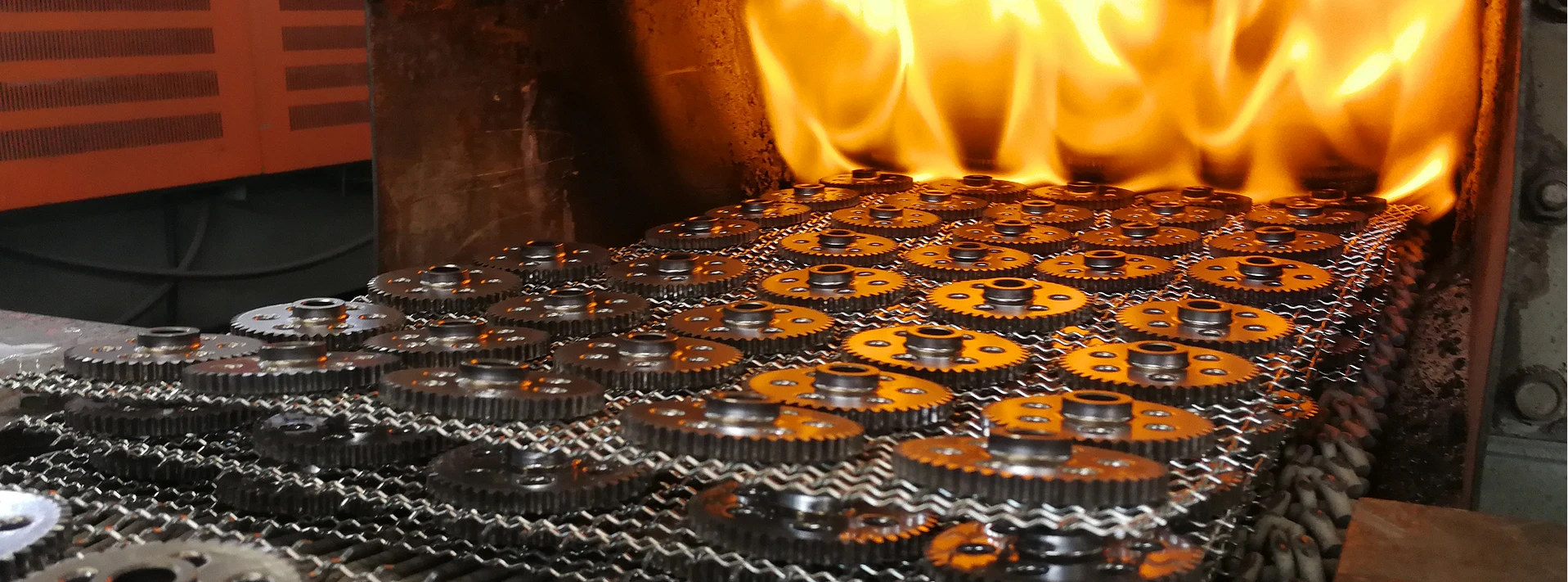
The Unseen Backbone: Understanding Metal Worm Gear and Its Global Impact
When you think of mechanical parts, gears might sound too mundane to matter globally. But here’s the thing — metal worm gear technology is quietly powering a myriad of industries, shaping everything from heavy machinery to precision instruments. Their role isn’t just mechanical; it’s foundational for automation, efficiency, and even humanitarian projects worldwide.
Why care about this small yet mighty component? Because understanding the nuances of metal worm gears opens up better design choices, longer-lasting products, and smarter solutions that influence sectors as diverse as renewable energy and emergency relief. Let’s delve into what makes them essential on the global stage.
The Global Relevance of Metal Worm Gears
Across continents and industries, metal worm gears are the unsung heroes in translating rotational power into precise mechanical motion. According to the ISO standards on gear systems, they enable compact yet high-torque transmissions — a key in dense urban manufacturing hubs and sprawling infrastructure projects alike.
Statistically, over 30% of industrial heavy machinery employs variations of worm gears, valued for their reliability and cost-effectiveness. From Southeast Asia’s burgeoning manufacturing plants to Europe’s high-precision robotics, they solve a common problem: how to safely reduce speed and increase torque in confined spaces.
However, the challenge lies in materials fatigue and efficiency losses due to friction — issues many manufacturers are tackling through design innovation and better alloy use.
What Exactly Is a Metal Worm Gear?
Simply put, a metal worm gear is a type of gear arrangement where a screw-like component (the worm) meshes with a gear wheel. This setup allows movement at 90 degrees and transmits torque efficiently with a unique mechanical advantage. The beauty is in the compactness and control it provides teams across industries.
In real terms, if you imagine a car’s steering mechanism or the gears inside an industrial conveyor system, metal worm gears are the quiet workhorses enabling smooth and precise operations. Their durability and load-bearing capabilities are why they remain crucial for humanitarian needs too — think of heavy-lift cranes set up swiftly after a disaster or rugged equipment operating in remote zones.
Mini Takeaway:
Metal worm gears bridge mechanical power and precision in tight spaces, underpinning both everyday industry and critical humanitarian efforts.
Core Components and Key Factors of Metal Worm Gear
Durability and Material Selection
The materials used—often bronze for the gear and hardened steel for the worm—are chosen for their resistance to wear and corrosion. This pairing reduces friction and extends operational life. It’s fascinating how tiny differences in alloy composition can add years to a machine’s life.
Efficiency and Load Capacity
Worm gears inherently produce more friction than other types, which can reduce efficiency to about 40-90%. However, the trade-off is their ability to handle high loads and provide self-locking features, preventing back-driving. This makes them ideal for safety-critical tasks, such as in hoists or elevators.
Precision and Customizability
Because worm gears can be custom-designed for different lead angles and tooth geometry, manufacturers can optimize performance for specific use cases — from slow, powerful torque in wind turbine yaw systems to finer movement in packaging robotics.
Cost Efficiency
Compared to more complex gearboxes, metal worm gear units are relatively inexpensive to produce and maintain. Their simple assembly lines mean fewer breakdowns and quicker fixes in the field — a real benefit in developing regions where spare parts access is limited.
Global Applications and Use Cases of Metal Worm Gears
- Industrial Automation: Factories worldwide rely on metal worm gears for conveyor belts, robotic arms, and assembly lines, especially in Asia and Europe.
- Renewable Energy: Wind turbine pitch and yaw control systems use worm gears for their high torque and reliability under outdoor conditions.
- Medical Equipment: Sophisticated devices requiring slow, smooth motion—like imaging machinery or surgical robots—depend heavily on precision worm gears.
- Humanitarian Projects: Rapid deployment cranes and transport equipment in disaster zones often feature robust worm gears to keep operations moving with minimal maintenance.
For instance, in the aftermath of hurricanes in the Caribbean, cranes equipped with metal worm gears helped remove debris to restore critical infrastructure. Across remote industrial zones in Africa, rugged machines with these gears enable mining operations where downtime simply isn’t an option.
Mini Takeaway:
Whether powering factory lines or emergency machinery, metal worm gears adapt globally to high-demand roles demanding toughness and precision.
Advantages and Long-Term Benefits of Metal Worm Gears
It’s tempting to just look at specs — but the real value lies beyond: reliability means worker safety, predictable maintenance scheduling, and less downtime, which all reflect positively on a company’s bottom line and its social responsibility.
- Cost Savings: Lower maintenance needs and simpler construction reduce operational expenses.
- Sustainability: Durable materials minimize waste and part replacement frequency.
- Safety and Trust: Self-locking features prevent failures that could endanger users or damage equipment.
- Innovation Potential: Their compatibility with digital control systems allows automation advancements in Industry 4.0.
Specifications Table: Typical Metal Worm Gear Unit
| Specification | Value |
|---|---|
| Material (Worm) | Hardened Steel Alloy (e.g., 8620 steel) |
| Material (Gear) | Bronze or Phosphor Bronze |
| Gear Ratio Range | 10:1 to 100:1 (common) |
| Torque Capacity | Up to 10,000 Nm |
| Typical Efficiency | 40%–90%, depending on lubrication and lead angle |
| Operating Temperature | -40°C to 120°C |
Comparing Popular Metal Worm Gear Vendors
| Vendor | Material Quality | Lead Time | Customization | Price Range |
|---|---|---|---|---|
| JSS Sintering | Premium Hardened Steel & Bronze | 3-5 weeks | Highly customizable | Mid to High |
| GearTech Solutions | Standard Steel and Cast Bronze | 2-4 weeks | Moderate customization | Mid |
| GlobalGears Inc. | Primarily Cast Iron | 1-3 weeks | Basic models only | Low to Mid |
Looking Ahead: Future Trends in Metal Worm Gear Technology
It feels like the worm gear, despite its centuries-old design, still has plenty of room to grow. Engineers are experimenting with surface coatings that drastically reduce friction and wear, boosting that typical 40%-90% efficiency to even higher levels. Hybrid materials, blending metal with carbon composites, promise lighter but equally strong assemblies, which plays well into green energy solutions.
Moreover, digital transformation means gears are now being integrated with sensors for real-time wear and temperature monitoring. This moves maintenance from reactive to predictive, a change many industries are hungry for.
Common Challenges and Smart Solutions
Efficiency loss due to friction is the biggest gripe around metal worm gears. But recent advances in lubrication—especially eco-friendly synthetic oils—and precision manufacturing have minimized those downsides. Sometimes, integrating a double-enveloping worm gear geometry can improve tooth contact and reduce heat.
Another issue is the weight and bulkiness for applications requiring portability. Custom alloys and redesigned housing (often made lighter with CAD-driven engineering) address that without sacrificing durability.
FAQ: Frequently Asked Questions About Metal Worm Gear
- What are metal worm gears typically used for?
- They’re common in machinery requiring high torque at low speed, such as conveyors, lifts, and automation equipment.
- How long does a metal worm gear last under regular industrial conditions?
- With proper lubrication and maintenance, they can easily last 5 to 10 years or more before significant wear appears.
- Is the friction from metal worm gears a serious problem?
- While friction reduces efficiency, design tweaks and modern lubricants have greatly mitigated this issue in most applications.
- Can these gears be customized for specialized uses?
- Absolutely. Most vendors offer custom tooth profiles, ratios, and materials to match specific operational requirements.
Wrapping Up: Why Metal Worm Gears Still Matter
In an era obsessed with shiny new tech, it’s refreshing to see how metal worm gear solutions continue to power real-world progress behind the scenes. Their blend of durability, adaptability, and reliable mechanics offers a solid foundation for both industry leaders and humanitarian developers alike.
If you’re looking to explore high-quality, customizable metal worm gear options that meet the latest standards and sustainability goals, do visit our website at https://www.jssintering.com. There’s a lot more to these gears than meets the eye — I suppose it’s fitting that something so quietly efficient quietly drives so much progress.