






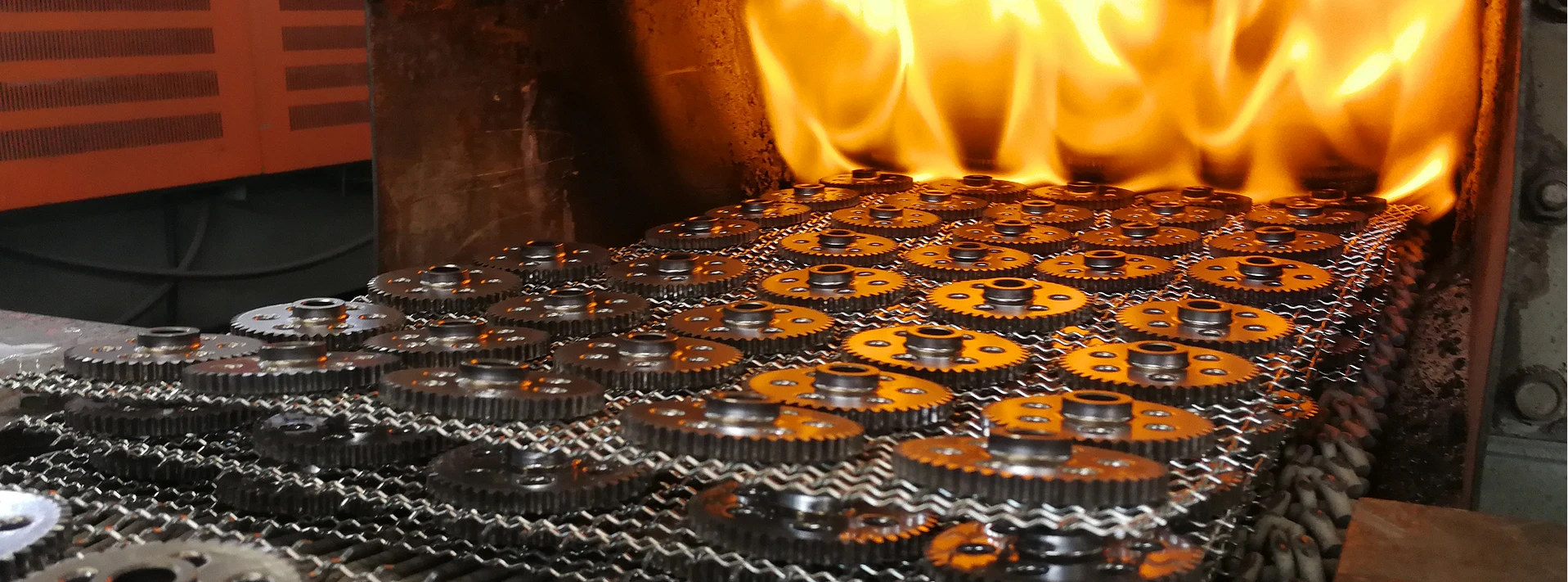
- Overview of the Moto Parts Industry and Key Components
- Technical Advancements in Structural and Hydraulic Systems
- Performance Metrics: Durability vs. Cost Efficiency
- Manufacturer Comparison: Innovation and Market Leadership
- Custom Solutions for Diverse Operational Needs
- Real-World Applications Across Industries
- Future Trends in Moto Parts Development
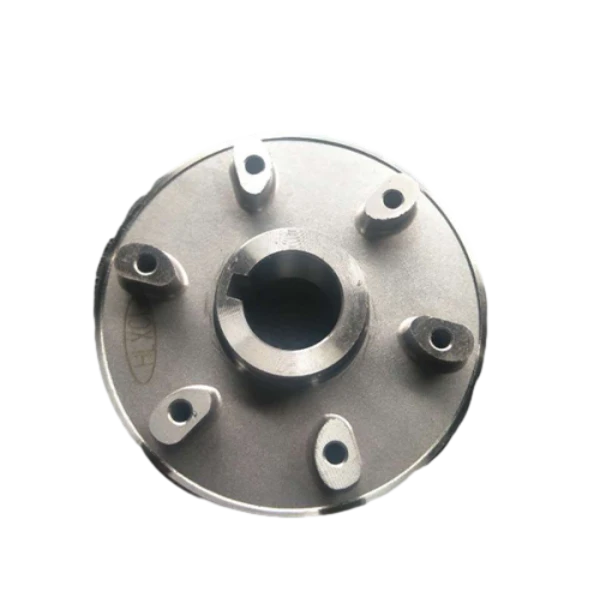
(moto parts)
Understanding the Backbone of Modern Machinery
The moto parts
industry serves as the foundation for mechanical systems across automotive, aerospace, and industrial sectors. Structural parts, such as chassis frames and suspension components, ensure stability under stress, while hydraulic parts, including pumps and cylinders, enable precise force transmission. Global demand for these components grew by 8.3% in 2023, driven by automation and infrastructure projects. A study by Global Market Insights projects a $92B valuation for the sector by 2027, emphasizing the critical role of material science and engineering precision.
Engineering Breakthroughs Redefining Efficiency
Advanced alloys and composite materials now dominate structural part production, offering 40% higher tensile strength than traditional steel. Hydraulic systems have transitioned to electro-hydraulic hybrids, reducing energy consumption by 22% while maintaining pressure thresholds of 5,000 PSI. For example, servo-controlled valves achieve response times under 0.05 seconds, critical for heavy machinery operating in dynamic environments.
Balancing Longevity and Budget Constraints
Third-party testing reveals that premium-grade structural parts last 15,000 hours under cyclic loads, compared to 9,500 hours for economy variants. However, cost differentials remain significant: titanium-reinforced joints are 70% pricier than aluminum alternatives but reduce replacement frequency by 55%. Hydraulic seals using graphene coatings show a 90% leakage reduction, justifying their 30% price premium in high-stakes applications like mining equipment.
Competitive Landscape: Leaders and Disruptors
| Manufacturer | Key Innovation | Market Share | ROI (5 yrs) |
|---|---|---|---|
| AlphaTech | Modular hydraulic manifolds | 18% | 27% |
| BetaDynamics | AI-driven wear prediction | 12% | 19% |
| GammaForge | 3D-printed structural nodes | 9% | 34% |
Tailored Configurations for Specialized Demands
Custom moto parts now account for 33% of B2B orders, with solutions like climate-resistant hydraulic fluids (-40°C to 200°C operability) and lightweight structural assemblies for drone-based logistics. One agritech firm reported a 40% productivity boost after adopting variable-displacement pumps optimized for uneven terrain.
Cross-Industry Impact and Success Stories
In offshore wind farms, corrosion-resistant structural connectors increased service intervals from 6 to 18 months. Automotive manufacturers using adaptive hydraulic steering reduced assembly line downtime by 29% through real-time pressure adjustments. Case studies from the construction sector highlight a 60% reduction in part failures when using sensor-equipped hydraulic cylinders.
Pioneering the Next Era of Moto Parts
Emerging technologies like self-healing polymers for structural cracks and magnetorheological hydraulic fluids are set to revolutionize the industry. Partnerships between moto parts suppliers and IoT platforms will enable predictive maintenance, potentially saving operators $7B annually in unplanned repairs by 2030. Continuous R&D investments ensure these components remain central to mechanical innovation.

(moto parts)
FAQS on moto parts
Q: What are the main functions of structural parts in moto parts?
A: Structural parts in motorcycles provide framework support and ensure stability. They include components like frames, swingarms, and brackets. Proper maintenance of these parts is critical for safety and performance.
Q: How often should hydraulic parts in motorcycles be inspected?
A: Hydraulic parts like brake calipers and clutch systems should be checked every 3,000-5,000 miles. Leaks or reduced fluid pressure indicate immediate servicing. Regular inspections prevent system failures.
Q: What materials are commonly used for moto structural parts?
A: High-strength steel and aluminum alloys are typical for structural parts due to their durability-to-weight ratio. Carbon fiber is used in high-performance bikes. These materials resist corrosion and stress.
Q: Can damaged hydraulic parts affect motorcycle braking?
A: Yes, worn hydraulic brake cylinders or leaking hoses compromise braking efficiency. Air bubbles in brake lines also reduce responsiveness. Immediate replacement of faulty parts is essential.
Q: How do I choose compatible structural parts for my motorcycle?
A: Match part specifications to your bike’s make, model, and year. Consult manufacturer guidelines or use OEM-certified components. Aftermarket parts must meet safety and fitment standards.









