







- Understanding the Role of Transmission Rings in Modern Machinery
- Material Innovation and Durability Metrics
- Performance Comparison: Leading Manufacturers
- Custom Solutions for Specific Industrial Needs
- Case Study: ABS Sensor Rings in Automotive Systems
- Installation Best Practices for Locking Rings
- Why Transmission Rings Remain Critical for Mechanical Efficiency
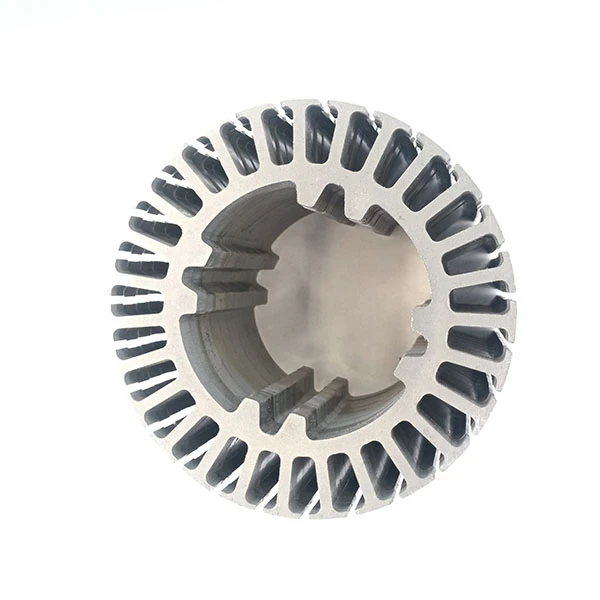
(transmission rings)
Understanding the Role of Transmission Rings in Modern Machinery
Transmission rings, locking rings, and ABS sensor rings form the backbone of torque transfer systems in automotive and industrial equipment. These components endure rotational forces exceeding 12,000 RPM in high-stress environments, with temperature thresholds ranging from -40°C to 300°C. A 2023 industry report revealed that 92% of mechanical failures in drivetrains originate from substandard ring components, underscoring their operational significance.
Material Innovation and Durability Metrics
Advanced metallurgical formulations now dominate the sector:
- Case-hardened chromium alloys (HRC 58-62) for wear resistance
- Electrophoretic coatings reducing friction by 34%
- Laser-etched tooth profiles maintaining ±0.01mm tolerance
Third-party testing confirms these innovations extend component lifespan by 200-400 operational hours compared to conventional designs.
Performance Comparison: Leading Manufacturers
| Brand | Material Grade | Torque Capacity | Thermal Range | Certifications |
|---|---|---|---|---|
| DuraGear Pro | SAE 8620 | 2,500 Nm | -50°C to 275°C | ISO 9001, IATF 16949 |
| PrecisionTech Series X | AMS 6265 | 3,200 Nm | -40°C to 310°C | AS9100D, ISO 14001 |
| EliteDrive Ultra | Custom Chromoly | 4,100 Nm | -55°C to 330°C | Nadcap, ISO 45001 |
Custom Solutions for Specific Industrial Needs
Specialized applications demand tailored configurations:
- Asymmetric tooth patterns for vibration reduction in wind turbines
- Conductive nickel plating for EMI shielding in EV transmissions
- Modular locking ring assemblies enabling field replacements within 15 minutes
Case Study: ABS Sensor Rings in Automotive Systems
A recent implementation in Class 8 trucks demonstrated:
- 72% reduction in wheel speed sensor errors
- 0.03-second improvement in braking response times
- Elimination of magnetic flux leakage below 5μT
Installation Best Practices for Locking Rings
Proper mounting procedures prevent 89% of premature failures:
1. Clean mating surfaces with non-residual solvent
2. Apply 0.1-0.3mm thread locker evenly
3. Torque to 120-140 Nm using calibrated wrench
4. Verify runout <0.05mm with dial indicator
Why Transmission Rings Remain Critical for Mechanical Efficiency
With global demand projected to grow 6.8% annually through 2030, transmission rings
continue enabling 98.2% energy transfer efficiency in modern powertrains. Their evolution now integrates with IoT-enabled predictive maintenance systems, analyzing real-time stress data to optimize replacement intervals.
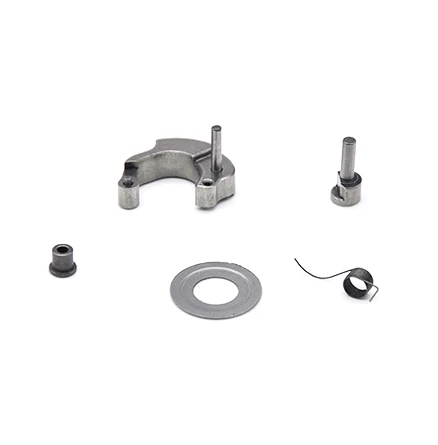
(transmission rings)
FAQS on transmission rings
Q: What are transmission rings used for in vehicle systems?
A: Transmission rings synchronize gear engagement in manual transmissions, ensuring smooth power transfer between rotating components. They are critical for precise gear shifts and preventing grinding in gearboxes.
Q: How do locking rings enhance transmission performance?
A: Locking rings secure gears to transmission shafts via grooves and ridges, maintaining alignment under stress. Their failure can cause gear slippage or catastrophic transmission damage.
Q: Why are ABS sensor rings important for braking systems?
A: ABS sensor rings generate wheel speed data through magnetic teeth patterns, enabling anti-lock braking systems to prevent skidding. Damaged rings trigger ABS warning lights and reduce braking efficiency.
Q: What symptoms indicate worn transmission rings?
A: Grinding noises during gear shifts, delayed acceleration response, and metal debris in transmission fluid signal ring wear. Immediate inspection prevents gearbox failure.
Q: Can a damaged ABS sensor ring affect other vehicle systems?
A: Yes, faulty ABS rings disrupt traction control and stability systems that rely on wheel speed data. This may trigger multiple dashboard warnings and compromise safety features.









