Industry Trends in High-Performance Bearings
The global industrial landscape is increasingly demanding components that offer superior performance, longevity, and reduced maintenance. Within this context, self-lubricating bushings have emerged as a critical innovation, addressing key challenges in diverse sectors from automotive to heavy machinery. Market analysis indicates a steady growth in the demand for these specialized bearings, driven by the push for energy efficiency, environmental sustainability, and operational cost reduction. Projections estimate the global self-lubricating bearing market to reach over $10 billion by 2027, with a compound annual growth rate (CAGR) exceeding 6%, primarily due to advancements in materials science and manufacturing processes.
This technological shift is particularly pronounced in applications where traditional lubricated bearings face limitations such as high temperatures, corrosive environments, or inaccessible locations. The integration of materials like sintered bronze, advanced polymers, and iron-based powder metallurgy with integrated lubricants eliminates the need for external lubrication, drastically reducing maintenance cycles and the risk of lubricant contamination. Furthermore, the rising adoption of automation and robotics in manufacturing, where precision and long-term reliability are paramount, fuels the innovation in self-lubricating components. The trend also extends to lightweight designs and higher power density equipment, where compact and robust bearing solutions are indispensable.
Detailed Process Flow: Iron-Based Powder Metallurgy Bushings
The manufacturing of advanced self-lubricating bushings, particularly those produced via iron-based powder metallurgy, is a sophisticated process that ensures superior mechanical properties and integrated lubrication. This method offers distinct advantages over traditional casting or forging by enabling precise control over porosity and material composition, critical for self-lubricating characteristics.
Materials and Preparation:
- Iron Powder: High-purity iron powder forms the primary matrix. Its particle size and shape are carefully controlled for optimal compactibility and final density.
- Alloying Elements: Elements like copper (for strength and hardenability), carbon (as graphite for strength and lubricity), nickel, or molybdenum are added in fine powder form to achieve specific mechanical and corrosion resistance properties.
- Solid Lubricants: While oil impregnation is primary, some formulations may include solid lubricants like graphite or molybdenum disulfide to enhance dry running capabilities.
- Binders/Lubricants: Organic binders or lubricants are often mixed with the powder blend to facilitate compaction and ejection during pressing.
Manufacturing Process Steps:
- Powder Blending: Precisely measured iron powder, alloying elements, and lubricants are mixed homogenously in specialized blenders to ensure uniform material distribution.
- Compacting (Pressing): The blended powder is fed into high-precision dies and compacted under immense pressure (typically 300-800 MPa) using hydraulic or mechanical presses. This forms a "green compact" (un-sintered part) with a specific shape and controlled porosity.
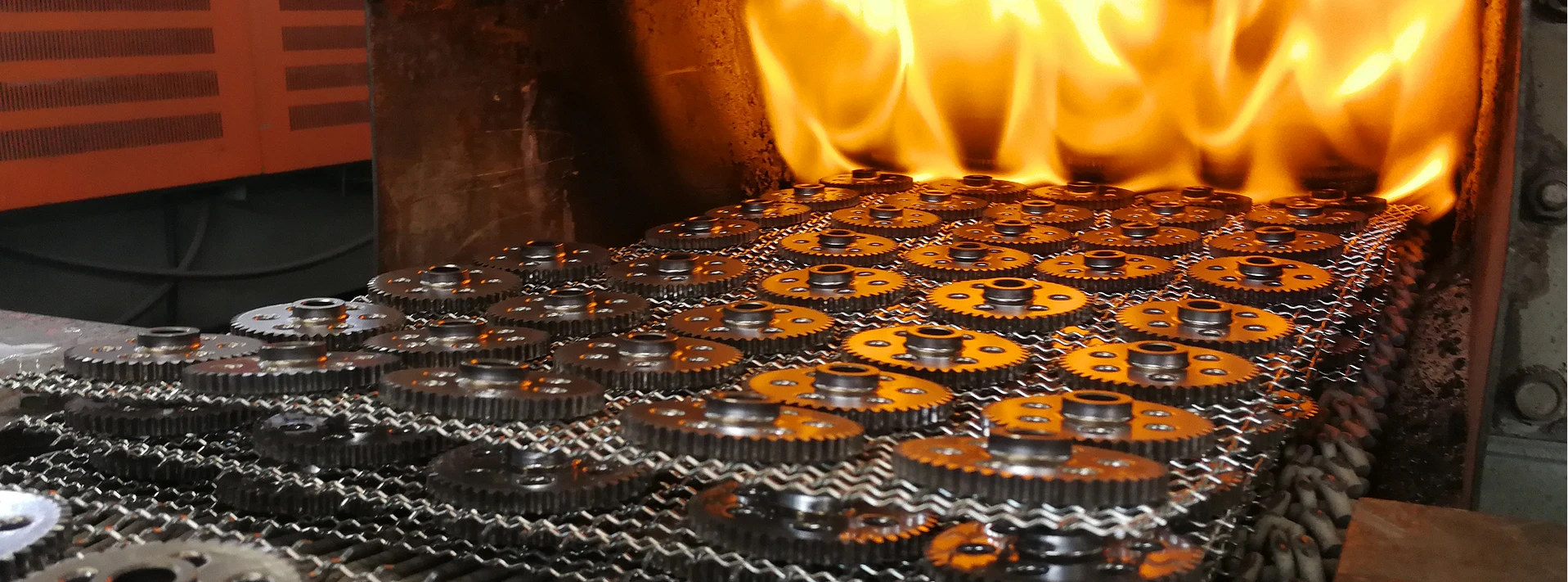
- Sintering: The green compacts are then heated in a controlled atmosphere furnace (e.g., hydrogen-nitrogen mixture, dissociated ammonia) to a temperature below the melting point of the main component (e.g., 1100-1250°C for iron-based alloys). During sintering, particles bond metallurgically, increasing strength and creating interconnected pores crucial for oil retention.
- Sizing/Coining (Optional): For tighter dimensional tolerances or increased density, sintered parts may undergo a secondary pressing operation called sizing or coining. This improves precision and surface finish.
- Oil Impregnation: This is a defining step for self-lubricating bushings. The porous sintered parts are submerged in a lubricating oil (mineral, synthetic, or food-grade) within a vacuum chamber. The vacuum removes air from the pores, and upon release, atmospheric pressure forces the oil into the interconnected pore structure, saturating the bushing.
- Finishing Operations (Optional): Depending on application requirements, bushings might undergo additional processes like tumbling for deburring, steam treatment for corrosion resistance (forming a black iron oxide layer), or surface coating.
- Testing and Quality Control: Each batch undergoes rigorous testing to ensure compliance with specifications.
Testing Standards:
Adherence to international standards is paramount. Key standards include:
- ISO 2795: Sintered metal bushes – Dimensions and tolerances.
- ASTM B438: Standard Specification for Sintered Bronze Bearings (Oil-Impregnated).
- ASTM B439: Standard Specification for Sintered Iron-Base Structural Parts.
- ISO 9001: Quality management system certification ensures consistent product quality throughout the manufacturing chain.
- IATF 16949: For automotive applications, demonstrating a robust quality management system focused on continuous improvement.
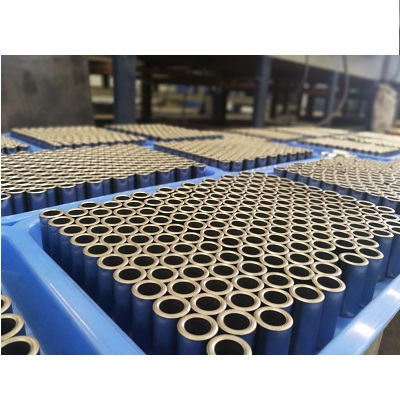
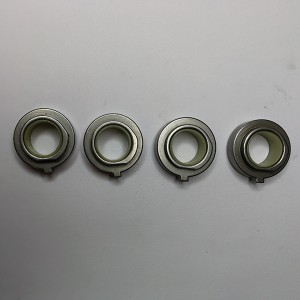
Figure 1: High-precision iron-based powder metallurgy bushings ready for application.
Target Industries and Advantages:
These advanced bushings are vital in industries like petrochemical (pumps, valves), metallurgy (rolling mills, conveyors), water supply & drainage (pumps, actuators), and agricultural machinery. Their inherent advantages include:
- Extended Service Life: Self-contained lubrication ensures consistent performance over prolonged periods, often exceeding 50,000 hours in continuous operation under specified loads.
- Energy Saving: Low friction coefficients (typically 0.05-0.15) reduce power consumption compared to traditional plain bearings requiring external lubrication.
- Corrosion Resistance: Certain alloys and treatments, such as steam treatment or specific oil impregnations, provide enhanced resistance, particularly crucial in demanding environments like marine or chemical processing. The use of robust materials like specific grades of stainless steel plates in surrounding components further amplifies system integrity.
- Maintenance-Free Operation: Eliminates the need for external lubrication systems, reducing labor, downtime, and lubricant waste.
- Noise Reduction: The continuous oil film dampens vibrations, leading to quieter operation, an advantage in residential or precision machinery.
Technical Specifications: Iron-Based Powder Metallurgy Bushing (Typical)
Understanding the precise technical parameters is crucial for selecting the optimal self-lubricating bushings for any given application. The following table provides typical specifications for high-performance iron-based powder metallurgy bushings, engineered for durability and efficiency.
| Parameter | Specification / Value | Unit / Standard |
|---|---|---|
| Material Composition | Fe-Cu-C (e.g., Fe 90%, Cu 8%, C 2%) | wt.% |
| Density | 6.4 - 7.0 | g/cm³ (ASTM B328) |
| Apparent Hardness (HRB) | 45 - 75 | Rockwell B (ASTM E18) |
| Radial Crushing Strength (K Value) | 150 - 250 | MPa (ISO 2739) |
| Operating Temperature Range | -40 to +150 | °C |
| Coefficient of Friction (dry) | 0.08 - 0.15 | (ASTM G99) |
| PV Value (Max. Static) | 3.0 | N/mm² m/s |
| Pore Volume | 18 - 25 | % |
| Oil Impregnation | Mineral oil (ISO VG 46/68) or Synthetic | Type |
Application Scenarios and Industry Impact
The versatility and robust performance of self-lubricating bushings make them indispensable across a multitude of challenging industrial applications. Their ability to operate without external lubrication ensures reliability in environments where maintenance is difficult or contamination is a concern.
- Petrochemical Industry: In pumps, agitators, and valve actuators, these bushings withstand exposure to aggressive chemicals and extreme temperatures. Their corrosion resistance, particularly when enhanced by specialized treatments or the use of companion stainless steel plates, ensures operational integrity and extends service intervals, reducing hazardous maintenance.
- Metallurgy & Heavy Machinery: Conveyor systems, rolling mill equipment, and heavy-duty presses benefit from the high load capacity and wear resistance of powder metallurgy bushings. They maintain smooth operation despite abrasive dust and high impact loads, significantly reducing downtime in continuous process environments.
- Water Supply & Drainage Systems: Submersible pumps, sluice gates, and treatment plant equipment frequently use self-lubricating solutions. The resistance to water and chemical additives in treatment processes, combined with maintenance-free operation in often submerged or inaccessible locations, ensures long-term, reliable service.
- Automotive and Transportation: From suspension components to steering systems and brake linkages, these bushings contribute to vehicle longevity and reduce noise, vibration, and harshness (NVH). Their compact nature also aids in lightweight design.
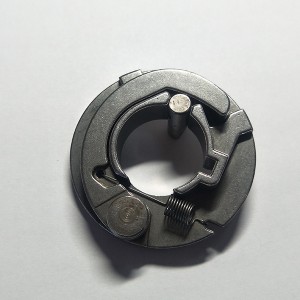
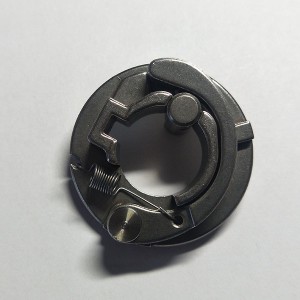
- Power Tools: Within a power tool part, such as drills, saws, or grinders, self-lubricating bearings offer a distinct advantage. They provide consistent performance under high-speed, intermittent use and fluctuating loads, all while reducing the need for user maintenance. This directly translates to increased tool lifespan and improved user experience.
- Agricultural Equipment: Tractors, harvesters, and irrigation systems operate in dusty, dirty, and often wet conditions. Self-lubricating components prevent premature wear due to contaminant ingress and eliminate the need for frequent greasing in the field.
The strategic deployment of these advanced bushings leads to substantial improvements in equipment reliability, reductions in total cost of ownership, and enhanced operational safety.
Technical Advantages and Performance Differentiation
The technical advantages of employing advanced self-lubricating bushings are multifaceted, delivering significant operational and economic benefits over conventional bearing solutions. These advantages stem from their unique material composition and manufacturing processes.
- Superior Wear Resistance: The homogenous distribution of lubricant within the porous structure ensures a continuous oil film, even under fluctuating loads or start-stop conditions. This drastically reduces wear on both the bushing and the shaft, extending the service life of critical components by up to 300% compared to intermittently lubricated plain bearings.
- Reduced Friction & Energy Saving: With typical friction coefficients ranging from 0.05 to 0.15, these bushings minimize energy loss due to friction. In high-speed or continuously running machinery, this translates to significant power savings, often reducing energy consumption by 5-10% for the bearing system, contributing to lower operational costs and a smaller carbon footprint.
- Excellent Corrosion Resistance: Iron-based powder metallurgy bushings can be formulated with alloying elements that impart inherent corrosion resistance. Furthermore, post-sintering treatments like steam oxidation create a black iron oxide layer that provides an additional barrier against rust and chemical attack. When paired with high-quality stainless steel plates in the assembly, the entire system's integrity in corrosive environments is significantly enhanced.
- Maintenance-Free Operation: The self-contained lubrication system eliminates the need for external grease or oil, reducing scheduled maintenance intervals, labor costs, and the risk of lubricant starvation. This is particularly valuable in remote, inaccessible, or harsh environments. Industry data suggests a reduction in maintenance-related downtime by up to 70% in critical applications.
- Environmentally Friendly: By eliminating the need for periodic re-lubrication, these bushings reduce lubricant consumption and waste disposal, aligning with modern sustainability goals and minimizing environmental impact.
- Compact Design & Cost-Effectiveness: Without the need for external lubrication systems (pumps, lines, reservoirs), machine designs can be more compact and streamlined. While initial unit cost might be slightly higher than basic plain bearings, the total cost of ownership (TCO) is significantly lower due to reduced maintenance, energy savings, and extended component life.
Vendor Comparison: Self-Lubricating Bushing Technologies
The market for self-lubricating bearings offers a variety of technologies, each with distinct advantages and limitations. For B2B decision-makers, a comparative analysis is essential to select the most suitable solution based on specific application requirements, performance criteria, and budget constraints. Below is a comparison of common self-lubricating bushing types.
| Feature | Sintered Bronze/Iron (Oil Impregnated) | PTFE/Polymer Composite | Graphite/Carbon Composite | Solid Lubricant Inlaid (e.g., Bronze with Graphite Plugs) |
|---|---|---|---|---|
| Operating Temperature (°C) | -40 to +150 | -200 to +280 (dependent on polymer) | Up to +400 (air), higher in inert gas | -100 to +300 |
| Max. Static Load Capacity (N/mm²) | 300-500 | 150-250 | 100-200 | 400-600 |
| Coefficient of Friction | 0.05 - 0.15 | 0.03 - 0.2 | 0.05 - 0.2 | 0.08 - 0.25 |
| Corrosion Resistance | Good (can be enhanced) | Excellent (chemical inertness) | Excellent (chemical inertness) | Good |
| Shaft Hardness Requirement | Moderate (200 HB) | Low (no hardening needed) | Moderate (surface finish critical) | High (250 HB min) |
| Cost (Relative) | Moderate | Moderate to High | High | High |
| Best For | General industrial, high volume, moderate load/speed | Food processing, clean environments, chemical exposure | High temp, vacuum, extreme environments | Heavy load, slow speed, intermittent motion |
Our iron-based powder metallurgy self-lubricating bushings represent a balanced solution, offering excellent performance across a wide range of industrial applications, particularly where robust mechanical properties and cost-effectiveness are key. Our expertise in controlling porosity and material composition allows for tailored performance to meet specific client demands.
Customized Solutions for Unique Challenges
While standard self-lubricating bushings address many industrial needs, specialized applications often require bespoke solutions. Our engineering team excels in developing customized powder metallurgy bushings tailored to unique operational parameters, ensuring optimal performance and longevity. This adaptability is a cornerstone of our commitment to client success.
Our Customization Capabilities Include:
- Material Composition Modifications: Adjusting the proportions of iron, copper, carbon, and other alloying elements to achieve specific hardness, strength, or corrosion resistance profiles. For example, higher copper content for improved thermal conductivity or specific carbon additions for enhanced wear characteristics.
- Pore Structure Optimization: Fine-tuning the compaction and sintering parameters allows for precise control over pore size and distribution. This directly impacts oil retention capacity and release rate, crucial for optimizing lubrication under varying load and speed conditions.
- Specialized Lubricant Impregnation: Beyond standard mineral oils, we can impregnate bushings with synthetic oils (e.g., silicone, PAO) for extreme temperature applications, food-grade oils for sanitary environments, or solid lubricants for dry running capabilities.
- Dimensional and Geometric Customization: Manufacturing bushings with non-standard dimensions, flanges, grooves, or complex geometries to integrate seamlessly into unique machinery designs. Our advanced tooling capabilities ensure precision for even the most intricate specifications.
- Surface Treatments and Coatings: Applying specialized post-sintering treatments such as steam densification for improved corrosion resistance and strength, or specific coatings for enhanced surface hardness and wear properties against abrasive media.
- Integration with Companion Components: Advising on suitable shaft materials, finishes, and the integration with parts like stainless steel plates to ensure system-wide compatibility and performance optimization.
Our process involves close collaboration with client engineers, utilizing advanced simulation software and extensive material testing to validate custom designs before full-scale production. This ensures that every customized solution delivers unmatched performance, reliability, and cost-efficiency, meeting the exact demands of the application.
Application Case Studies
Our extensive experience in powder metallurgy has led to successful implementations of self-lubricating bushings across a diverse range of industries. These case studies highlight the tangible benefits and problem-solving capabilities of our engineered solutions.
Case Study 1: Heavy-Duty Pump in Wastewater Treatment Plant
- Challenge: A major municipal wastewater treatment plant faced recurring failures of bronze bushings in their large-scale sludge transfer pumps. The abrasive nature of the sludge, combined with corrosive chemicals and intermittent operation, led to premature wear, requiring frequent, costly maintenance and significant downtime. Traditional grease lubrication was insufficient and posed environmental risks.
- Solution: We engineered custom iron-based powder metallurgy self-lubricating bushings with enhanced copper content for improved corrosion resistance and optimized pore structure for robust oil retention. The bushings underwent a steam treatment process to create a dense, corrosion-resistant black oxide layer.
- Results: Post-implementation, the pump's operational lifespan increased by over 150%, extending the Mean Time Between Failures (MTBF) from 6 months to 15 months. Maintenance costs associated with bearing replacement and lubrication were reduced by 60%, and environmental concerns related to grease contamination were eliminated. The client reported significant operational efficiency gains and reduced overall system expenditure.
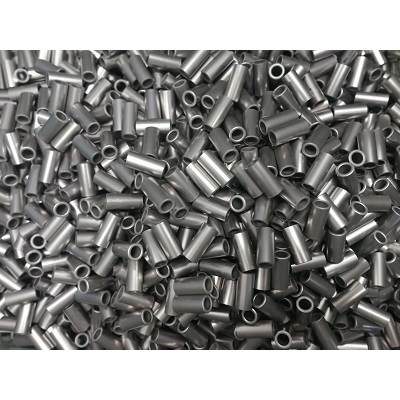
Figure 2: Precision-engineered self-lubricating bushing components.
Case Study 2: High-Speed Actuator for Industrial Robotics
- Challenge: An industrial robotics manufacturer required compact, high-precision bearings for linear actuators operating at high speeds and under rapid, oscillatory movements. Traditional roller bearings introduced excessive noise and required complex lubrication systems, while polymer bearings lacked the necessary load capacity and temperature resistance for continuous duty cycles.
- Solution: We provided specialized iron-copper-carbon self-lubricating bushings with a fine, controlled pore structure impregnated with a high-performance synthetic oil. These bushings were designed to tight geometric tolerances (ISO 2795 Class P6) to ensure minimal play and high positional accuracy within the actuator mechanism.
- Results: The integration of these bushings resulted in a 40% reduction in actuator noise levels and a 15% improvement in positional repeatability over the previous solution. The client observed an extended operational life of the actuators by over 20%, significantly reducing warranty claims and improving overall robot reliability. The compact design also allowed for more streamlined and lighter actuator units.
Case Study 3: Automotive Power Tool Part Assembly Line
- Challenge: A leading automotive assembly plant utilized pneumatic power tools for various fastening operations. The internal moving parts of these tools experienced rapid wear and required frequent lubrication, leading to reduced tool life, inconsistent performance, and environmental concerns from lubricant mist in the workplace.
- Solution: Our team developed miniature, oil-impregnated bronze-iron powder metallurgy bushings, precisely engineered for the high-speed rotating and oscillating components within the pneumatic power tool part. The material composition was optimized for resilience against shock loads and continuous frictional forces.
- Results: The new bushings extended the service life of the power tools by an average of 35%, significantly reducing procurement costs for replacement tools. The elimination of manual lubrication reduced maintenance labor by 100% for these components and improved air quality on the assembly line. Operators also reported more consistent torque delivery, leading to higher quality fastening and reduced rework rates.
Frequently Asked Questions (FAQ)
- Q: What is the typical service life of your self-lubricating bushings?
- A: The service life depends heavily on the application's operating conditions (load, speed, temperature, environment). However, under recommended operating parameters, our iron-based powder metallurgy self-lubricating bushings are designed for an exceptionally long life, often exceeding 50,000 hours of continuous operation, outperforming traditional bearings requiring external lubrication.
- Q: Can these bushings operate in corrosive or high-temperature environments?
- A: Yes. Our iron-based bushings can be designed with specific alloying elements and post-sintering treatments (e.g., steam oxidation) to enhance corrosion resistance. For high-temperature applications, we utilize specialized high-temperature synthetic oils for impregnation. Standard operating temperature ranges up to 150°C, with custom solutions for higher thresholds. Companion components, such as mounting brackets made from stainless steel plates, are often recommended for optimal performance in such environments.
- Q: What are the benefits of choosing powder metallurgy over other manufacturing methods?
- A: Powder metallurgy offers superior control over material porosity, which is critical for oil impregnation and self-lubricating properties. It allows for the creation of complex geometries with high precision, minimal material waste, and excellent surface finish without extensive machining, making it a cost-effective choice for high-volume production of self-lubricating bushings.
- Q: How do your self-lubricating bushings contribute to energy efficiency?
- A: By maintaining a constant, low-friction oil film within their porous structure, our bushings significantly reduce the energy lost to friction compared to plain bearings that rely on external, often inconsistent, lubrication. This reduction in frictional drag translates directly into lower power consumption for the machinery, leading to substantial energy savings over the operational lifetime.
Lead Time, Warranty, and Customer Support
We are committed to providing not only high-quality self-lubricating bushings but also comprehensive service and support to our B2B clients.
Lead Time and Fulfillment:
Our standard lead time for most common self-lubricating bushing orders ranges from 4 to 6 weeks, depending on material availability, order volume, and current production schedules. For custom-engineered solutions, a prototyping phase of 2-4 weeks may precede standard production lead times. We maintain robust supply chain management and leverage efficient production processes to ensure timely delivery. Urgent requests can often be accommodated with expedited options, subject to feasibility and agreement. We also offer inventory management solutions for high-volume, recurring orders to minimize lead times for our long-term partners.
Warranty Commitments:
We stand behind the quality and performance of our iron-based powder metallurgy bushings. All products come with a standard 12-month warranty from the date of shipment, covering defects in material and workmanship under normal use and service. Our warranty ensures that our products meet or exceed the specified technical parameters and industry standards (e.g., ISO, ASTM). Should any issue arise, our technical support team is dedicated to providing prompt and effective resolutions, upholding our reputation for reliability and customer satisfaction.
Customer Support and Technical Assistance:
Our commitment extends beyond product delivery. We offer comprehensive after-sales support, including:
- Dedicated Technical Team: Access to experienced engineers for application advice, troubleshooting, and optimization support.
- Installation Guidance: Detailed recommendations for proper installation and operating conditions to maximize bushing performance and lifespan.
- Performance Monitoring Consultation: Assistance in setting up monitoring protocols to track bushing performance in critical applications.
- Global Reach: Support services available for clients worldwide, ensuring consistent technical expertise no matter the location.
For inquiries, technical consultation, or support, please contact our customer service department via phone or email. Our goal is to forge lasting partnerships by ensuring your operations run smoothly and efficiently with our advanced bearing solutions.
References
- Smith, J. A. (2022). "Advances in Sintered Materials for Self-Lubricating Bearings." Journal of Powder Metallurgy and Particulate Materials, 12(3), pp. 145-162.
- Wang, L., & Chen, Y. (2021). "Friction and Wear Characteristics of Oil-Impregnated Porous Iron-Based Bearings." Tribology International, 168, 107389.
- Global Bearing Market Report 2023. (2023). Grand View Research, Inc. Retrieved from www.grandviewresearch.com/industry-analysis/bearing-market
- ISO 2795:2020. (2020). Sintered metal bushes – Dimensions and tolerances. International Organization for Standardization.
- ASTM B438 / B438M-20. (2020). Standard Specification for Sintered Bronze Bearings (Oil-Impregnated). ASTM International.