




Understanding powder metal: A veteran’s perspective
Having spent close to two decades working with industrial equipment manufacturers, I must say, powder metal is one of those materials that quietly revolutionize components without much fanfare. It’s kind of like the unsung hero in the manufacturing world — at first glance, just a humble metal powder, but once pressed, sintered, and finished, it becomes a game changer. Oddly enough, despite its complexity, many engineers still underestimate its versatility, especially when custom alloys come into play.
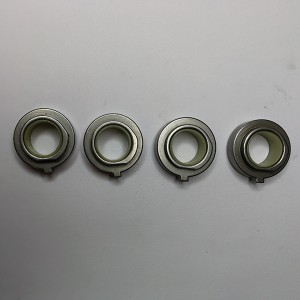
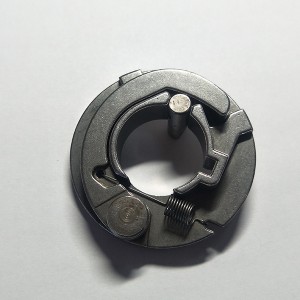
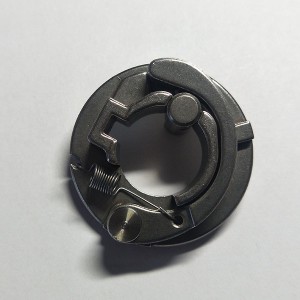
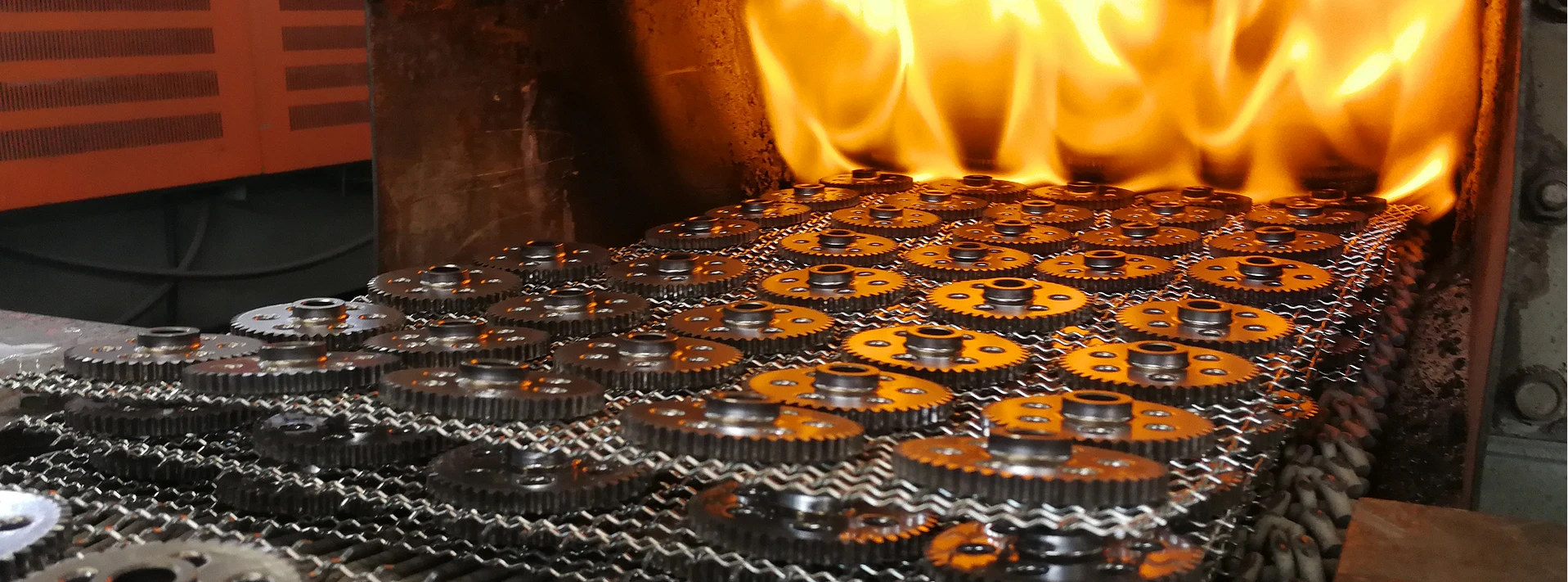
In real terms, powder metal refers to finely powdered metal particles that are compacted and then heated below their melting point to form solid parts. What’s fascinating is the precision and repeatability this process offers. You get parts with tight dimensional control, uniformity in composition, and mechanical properties that are often on par with, or better than, those created by traditional casting or machining.
One thing I’ve noticed working in the field is how powder metal allows manufacturers to minimize waste—a huge plus in today’s eco-conscious market. Instead of carving expensive metals out of bulk blocks, you start with almost exactly the amount of material you need. This efficiency not only cuts costs but also reduces lead times remarkably.
Material composition and customization
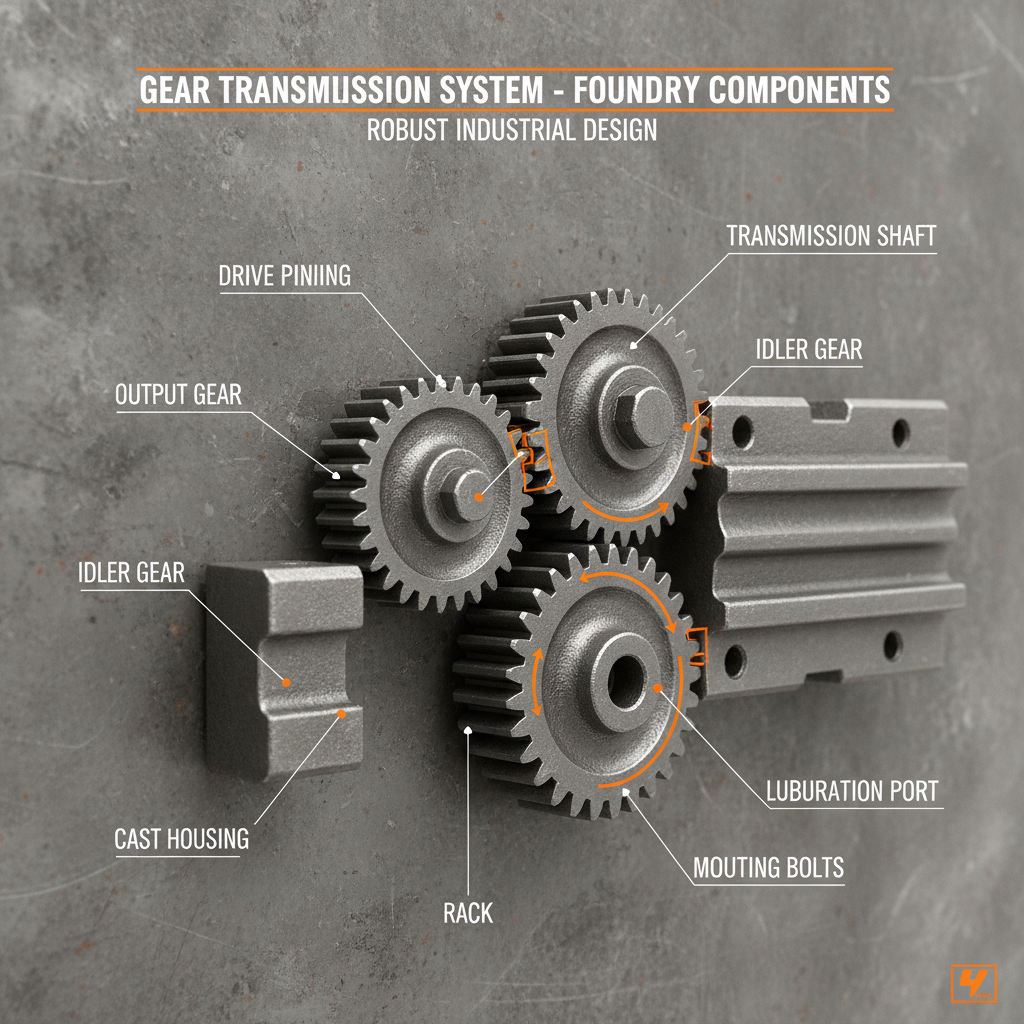
The ability to customize powders means engineers can tailor mechanical and magnetic properties to fit specific applications — from high-strength automotive gears to self-lubricating bushings. I remember a project where a client needed a gear with enhanced wear resistance for a heavy-duty conveyor system. The custom blend of iron, copper, and molybdenum powders made all the difference, ensuring longer life without complex heat treatments.
Testing and quality assurance
Frankly, the reliability of powder metal parts boils down to rigorous testing. Many vendors use advanced techniques such as scanning electron microscopy (SEM) to analyze powder morphology and density tests to ensure consistent compaction. I’ve seen firsthand how even minor deviations in powder size distribution can lead to performance issues down the line, reinforcing the importance of strict quality protocols.
Quick glance: Powder metal product specifications
| Specification | Typical Range | Notes |
|---|---|---|
| Particle Size | 20 to 150 microns | Depends on intended compaction method |
| Density (after sintering) | 6.8 - 7.4 g/cm³ | Up to 95% theoretical density |
| Hardness (HRC) | 55 - 70 | Varies by composition and heat treatment |
| Tensile Strength | 500 - 1500 MPa | Highly dependent on material blend |
| Typical Applications | Gears, bearings, structural parts, magnetic components | |
Comparing powder metal suppliers: What to watch for
Not all powder metal providers are created equal, and frankly, selecting the right vendor can feel like navigating a maze. From my experience, here are some traits to consider:
| Feature | Vendor A | Vendor B | Vendor C |
|---|---|---|---|
| Material Variety | Standard iron & copper blends | Extensive alloys including stainless steel | Specialized magnetic powders |
| Custom Formulation | Limited customization | Full R&D support | Partners with key OEMs |
| Quality Certification | ISO 9001 certified | ISO & TS16949 certified | ISO & AS9100 certified |
| Lead Times | 3-4 weeks | 2-3 weeks | 4-6 weeks |
| Pricing | Competitive mid-range | Premium-level | Varies by volume |
I suppose my advice — if you’re new to sourcing powder metal — is to focus less on price alone and more on technical support and certifications. Suppliers who invest in testing equipment and material science will likely save you headaches down the road.
Before I wrap up, let me share a little story: a client once switched to a powder metal component for their conveyor rollers after problems with cast parts cracking. It felt a bit risky at first, but the result? Longer service intervals, fewer machine stoppages, and frankly happier operators on the floor. Cases like that make me appreciate this tech even more.
To sum it up — powder metal is an intricate yet practical solution that’s been quietly powering countless industrial applications. If you haven’t explored it in depth yet, maybe now’s the time. There’s more going on inside those powders than meets the eye.
— Written from real industrial shop experience
- ASM International, Powder Metallurgy Fundamentals, 2018.
- Smith & Co., “Metal Powder Compaction Techniques,” Journal of Manufacturing, 2020.
- Industry White Paper, “Effect of Powder Morphology on Sintered Properties,” 2022.