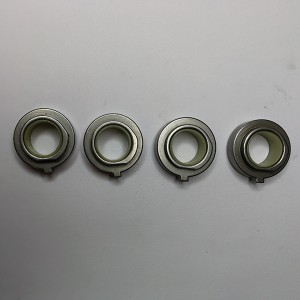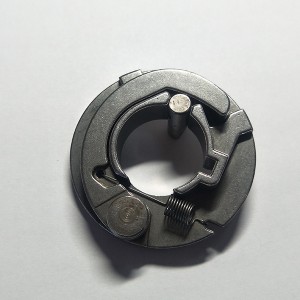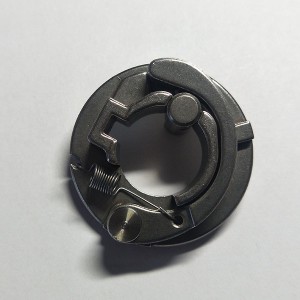
OEM Sintered Part: The Backbone of Precision Industrial Solutions
Having spent more than a decade around industrial equipment, I’ve noticed that OEM sintered parts often fly under the radar but are absolutely critical. You see, these aren’t your run-of-the-mill components; they are meticulously engineered to meet exact tolerances and can be the difference between reliable machinery and one that constantly breaks down.
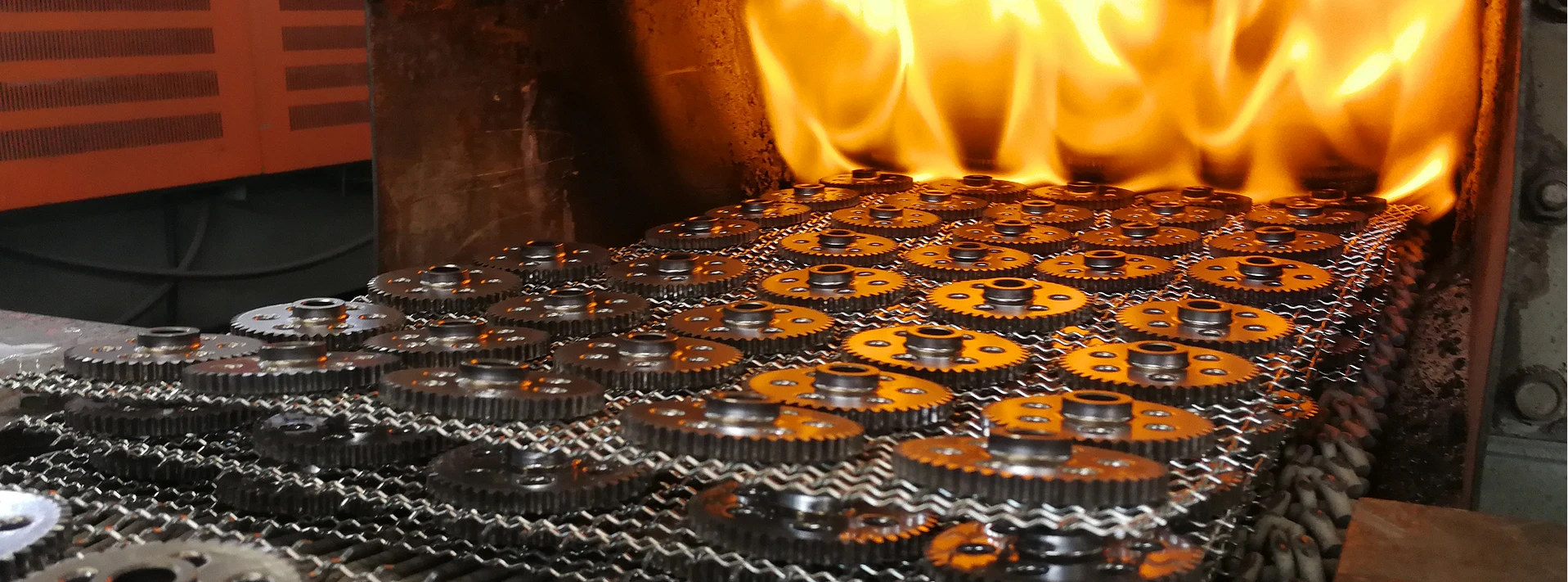
Sintering—basically a powder metallurgy process—is a fascinating blend of science and craftsmanship. Metal powders, usually iron, copper, or bronze, are compressively combined and then heated just below melting point so they bond together. The result? A part that’s remarkably strong, porous (in a controlled way), and perfect for all sorts of industrial uses, from automotive to heavy-duty filters.
One thing that caught my attention early on was how OEMs tailor these parts specifically for their equipment’s needs. It’s not one-size-fits-all; in fact, customization is huge. You can tweak density, hardness, or porosity to optimize performance for lubrication, filtration, or bearings. I know a company in Detroit that adapted sintered gears with unique copper blends to handle extremely high wear—and it doubled their machine lifespan.
The testing phase is particularly rigorous too. Parts undergo multi-point inspections, including dimensional checks, hardness testing, and microstructural analysis. Frankly, it’s reassuring to see such attention to detail when so many industries depend on these components working flawlessly day in, day out.
| Parameter | Typical Range |
|---|---|
| Material Composition | Iron, Copper, Bronze Alloys |
| Density | 6.5 - 7.3 g/cm³ |
| Porosity | 5% - 25% |
| Hardness (Rockwell) | 50 - 85 HRB |
| Max Operating Temp | 400°C (752°F) |
Oddly enough, sourcing the right vendor for OEM sintered parts can be a bit of a minefield. Not all manufacturers have the same capabilities for precision, material blends, or volume. Some focus on rapid prototyping, while others excel at high-volume consistent output. Experience matters here, as does their technical advice — many engineers I know swear by suppliers who actually assist in the design phase.
| Feature | Vendor A | Vendor B | Vendor C |
|---|---|---|---|
| Custom Material Alloys | Yes | Limited | Yes |
| Quick Turnaround (Weeks) | 4-5 | 6-8 | 3-4 |
| Technical Support & Design Help | Excellent | Basic | Good |
| Volume Capacity | High | Medium | High |
| ISO Certification | Yes | Yes | No |
Here’s a quick story: we once had a client struggling with filament guides that kept wearing out prematurely. Switching to a custom sintered bronze part enhanced for porosity to improve lubrication made a night-and-day difference. They reported fewer line stoppages and even said, “Why didn’t we do this sooner?” It’s these subtle engineering wins that add up over time.
To sum it up, OEM sintered parts feel like the unsung heroes of the industrial world. They offer unmatched versatility, durability, and precision compared to cast or machined parts—and they often come with the added bonus of customization that’s hard to beat. If you’re involved in equipment design or maintenance, getting familiar with sintered components can save you time and headaches down the road.
And as I’ve learned through years in the trenches, partnering with the right supplier can be just as important as picking the right material. Keep your ear to the ground, ask plenty of questions, and don’t underestimate the value of experience over price alone.
In real terms, once you start working with quality OEM sintered parts, you’ll wonder how you managed without them.
- ASM International, Powder Metallurgy Basics, 2021.
- J.S. Sintering Specialized Equipment, Technical Whitepaper, 2023.
- Industrial Maintenance Journal, “Extending Equipment Life through Sintered Components”, 2022.