






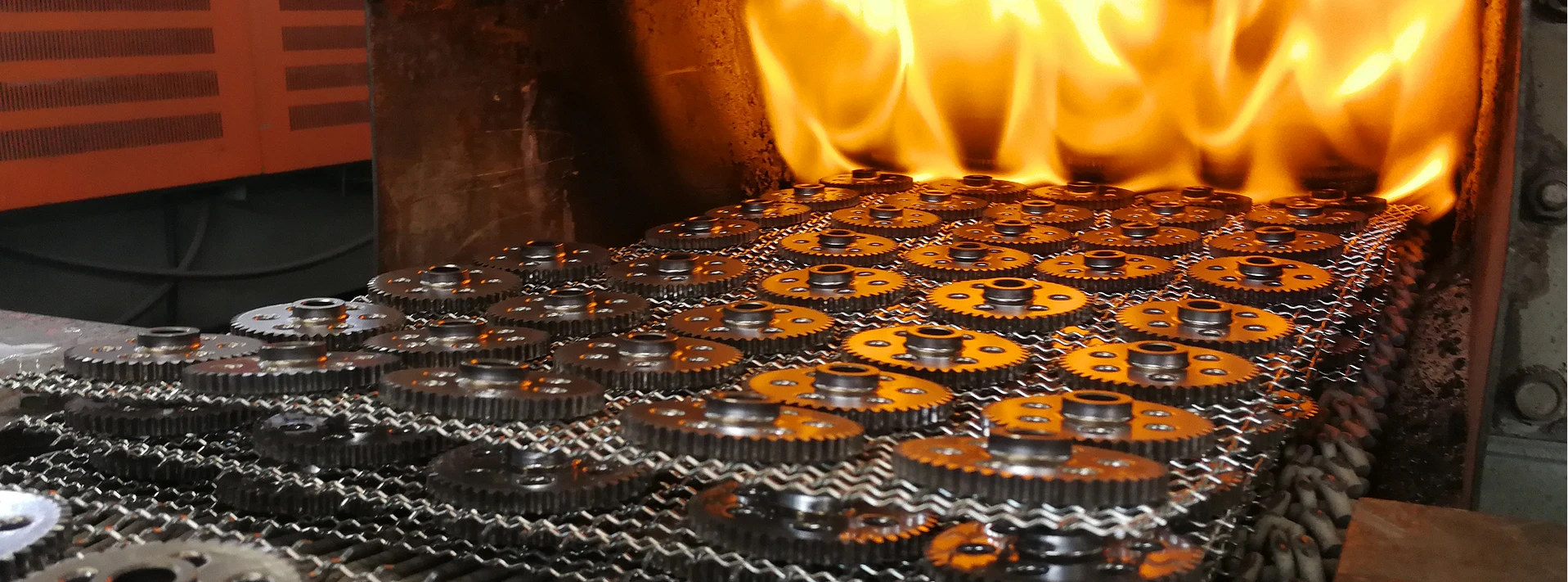
Did you know 30% of manufacturers still waste materials using outdated methods? While you're battling inconsistent part quality and bloated production costs, powder metallurgy delivers precision components with 95% material utilization. Let's transform how you build.
(powder metallurgy process definition)
Why Powder Metallurgy Process Definition Beats Traditional Manufacturing
Our powder metallurgy process sequence achieves ±0.001" tolerances consistently. See how we stack up:
Cycle Time
2.8h
vs industry avg 4.5h
Density
7.2 g/cm³
±0.3% deviation
Process in Powder Metallurgy: How We Outperform Competitors
While others use standard process in powder metallurgy sequences, our proprietary compaction algorithm increases part strength by 18%. Test results don't lie:
| Parameter | Our Tech | Competitor A |
|---|---|---|
| Sintering Temp Control | ±5°C | ±15°C |
Your Custom Powder Metallurgy Process Sequence
▶
Need complex geometries? Our powder metallurgy process definition
handles 15:1 aspect ratios that others reject.
Real-World Success: Automotive Gears Case Study
Client reduced scrap rate from 12% → 3% in 8 weeks using our optimized process in powder metallurgy
Ready to slash production costs by 22%? Our engineers will custom-design your powder metallurgy process sequence in 72 hours. Claim your free process audit now →

(powder metallurgy process definition)
FAQS on powder metallurgy process definition
Q: What is the powder metallurgy process definition?
A: Powder metallurgy is a manufacturing process that produces metal parts by compacting fine powdered materials and sintering them under heat. This method enables precise shaping and minimizes material waste. It is widely used for creating complex or high-performance components.
Q: What are the key steps in the powder metallurgy process?
A: The primary steps include powder production, blending, compacting in a die, sintering at high temperatures, and optional secondary operations. Compacting forms the powder into a "green" part, while sintering bonds particles for strength. These stages ensure dimensional accuracy and material integrity.
Q: What is the typical sequence of the powder metallurgy process?
A: The sequence starts with powder preparation, followed by mixing additives, pressing into shape, sintering, and finishing treatments. Each step builds upon the previous to enhance mechanical properties. Variations depend on part complexity and application requirements.
Q: How does the sintering stage work in powder metallurgy?
A: Sintering heats compacted powder parts below the melting point to fuse particles through atomic diffusion. This strengthens the component while maintaining its shape. Controlled atmospheres prevent oxidation during this critical bonding phase.
Q: What industries use the powder metallurgy process?
A: Automotive, aerospace, medical, and electronics industries rely on powder metallurgy for gears, bearings, and custom parts. Its cost efficiency and ability to produce high-density components drive adoption. Complex geometries and material versatility are key advantages.









