







Did you know that 40% of industrial equipment failures stem from gearbox issues? With global manufacturing losing $240 billion annually to unexpected downtime (U.S. Department of Energy), choosing the right gearbox type isn't just technical - it's business-critical. Your operation deserves better than guesswork.
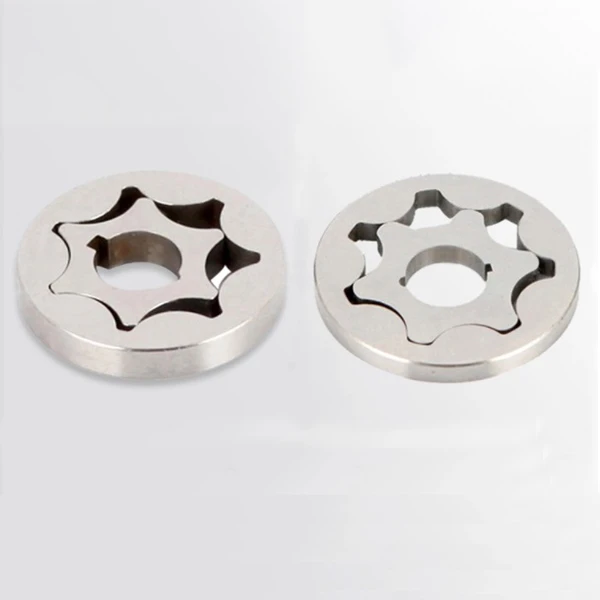
(types of gear box in industry)
Industrial Gearbox Types: Your Hidden Efficiency Multiplier
Modern manufacturers use 5 primary gearbox types. Each delivers unique advantages:
| Type | Torque Range | Efficiency | Best For |
|---|---|---|---|
| Helical | Up to 500kNm | 95-98% | High-speed operations |
| Spur | 10-200kNm | 90-93% | Low-cost solutions |
| Planetary | 300-3000kNm | 97-99% | Heavy-load precision |
| Worm | 5-100kNm | 70-90% | Compact spaces |
| Bevel | 50-800kNm | 93-96% | Angular power transfer |
Why Top Manufacturers Choose Premium Gearboxes
When Eaton Corporation upgraded to helical-planetary hybrid systems, they achieved 17% energy savings across 42 production lines. Premium gearboxes offer:
→ 30% longer service life
→ 15% faster ROI
→ 24/7 technical support
Custom Solutions for Your Unique Needs
Food processing plant? We implement stainless steel worm gears with IP69K sealing. Mining operation? Our planetary units handle 300-ton loads. Tell us your:
◼ Operational hours
◼ Environmental factors
◼ Power requirements
We engineer the perfect match.
Proven Results Across Industries
✔ Wind farm: 62% fewer downtime hours with our marine-grade planetary systems
✔ Automotive plant: 23% faster assembly lines using custom spur gears
✔ Cement factory: $1.2M saved annually through optimized bevel gear maintenance
Ready to transform your operations? Our engineers have helped 1,200+ facilities boost gear system performance. Get Your Free Gearbox Audit Now →
Proudly serving Fortune 500 companies since 2008 | ISO 9001:2015 Certified | 3-Year Performance Warranty
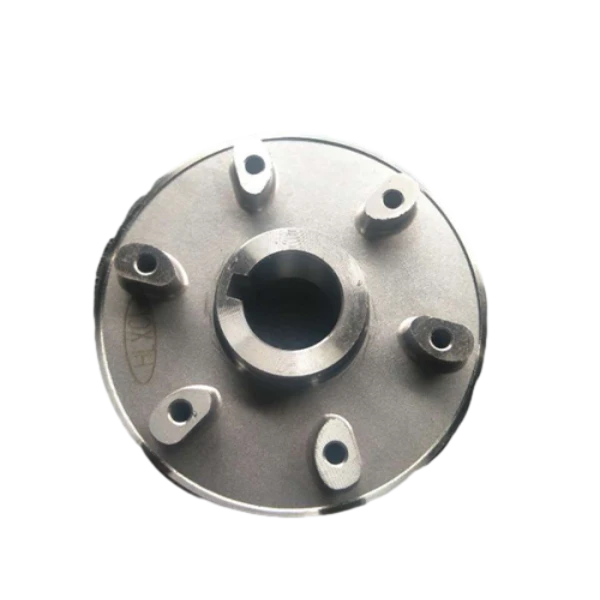
(types of gear box in industry)
FAQS on types of gear box in industry
Q: What are the common types of gear boxes used in industrial applications?
A: Common industrial gear boxes include parallel shaft, planetary, worm, helical, and bevel gear boxes. Each type serves specific torque, speed, and space requirements. They are widely used in machinery, conveyors, and heavy equipment.
Q: How does a planetary gear box differ from other gear box types?
A: Planetary gear boxes offer high torque density and compact design due to multiple gears sharing load. They excel in precision applications like robotics and automation. Their efficiency and low backlash make them ideal for repetitive tasks.
Q: What industries typically use worm gear boxes?
A: Worm gear boxes are common in material handling, packaging, and lifting equipment due to their self-locking mechanism. They provide high reduction ratios in compact sizes. Industries prioritize them for applications requiring shock absorption and quiet operation.
Q: Why choose a helical gear box over other gear box types?
A: Helical gear boxes provide smooth, quiet operation with angled teeth for gradual engagement. They suit high-speed, high-load scenarios like cement plants or steel mills. Their efficiency and durability reduce maintenance needs in continuous operations.
Q: What are the advantages of bevel gear boxes in industrial setups?
A: Bevel gear boxes transmit power between perpendicular shafts efficiently, ideal for mining or automotive differentials. Their conical teeth enable precise torque transfer in limited spaces. They handle heavy loads while maintaining structural stability.









