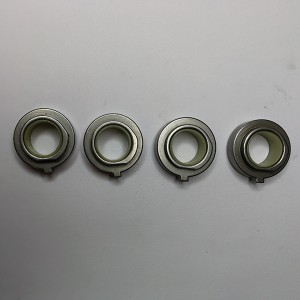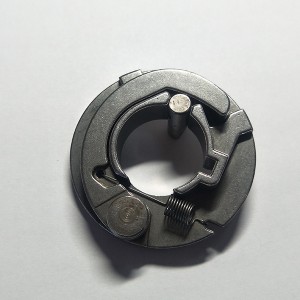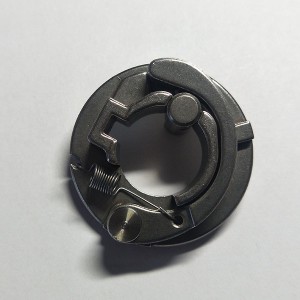
Electrical Precision Accessories/Sintered Parts for Household Appliances
If you’ve handled modern home appliances, you’ve interacted with powder metallurgy products—quietly doing the hard work inside motors, gear trains, latches, and connector blocks. To be honest, the category used to be an afterthought; now, it’s a frontline choice for cost-effective precision. From our visits to TIANSHAN INTERNATIONAL MANUFACTURING INDUSTRY PARK NO.57, YUANSHI, SHIJIAZHUANG CITY, HEBEI PROVINCE, CHINA, it’s clear: performance and reliability are the currency.
Industry pulse: why PM parts are winning
Appliance makers keep asking for three things: tighter tolerances, quieter operation, and supply stability. powder metallurgy products deliver all three—especially for stainless steel gears, structural components, and odd-shaped parts that would be painful (and pricey) to mill. Actually, sustainability plays a role too: near-net-shape means less scrap, which procurement teams love.
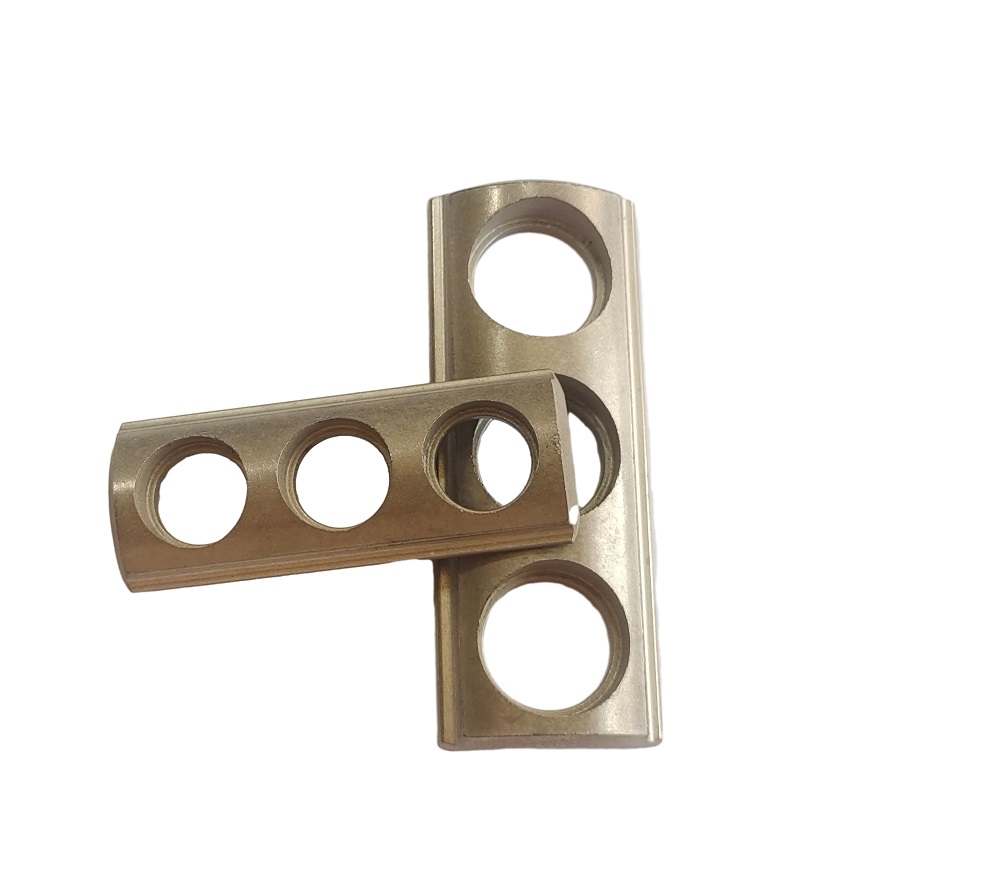
Product snapshot: stainless PM parts for appliances
| Material | Stainless steel (e.g., 304L/316L/410 as requested) |
| Density | 6.8–7.1 g/cm³ (≈ by grade and process) |
| Typical tolerances | ±0.05–0.10 mm as-sintered; tighter after sizing/CNC |
| Strength (TRS) | ≈ 350–600 MPa (grade/porosity dependent) |
| Hardness | HRB 60–90 (or HRC after heat treatment) |
| Service life | Around 30k–100k cycles in typical appliance duty; real-world use may vary |
| Applications | Motors, reduction gears, latches, connectors, structural brackets |
Many customers say the consistency is the standout—parts seat cleanly, torque transfer is stable, and noise is pleasantly low once surfaces bed in.
From powder to part: the real process
- Material selection: stainless blends tailored for corrosion or wear.
- Mixing + lubrication: uniform feedstock for stable compaction.
- Compaction: high-tonnage pressing to green density.
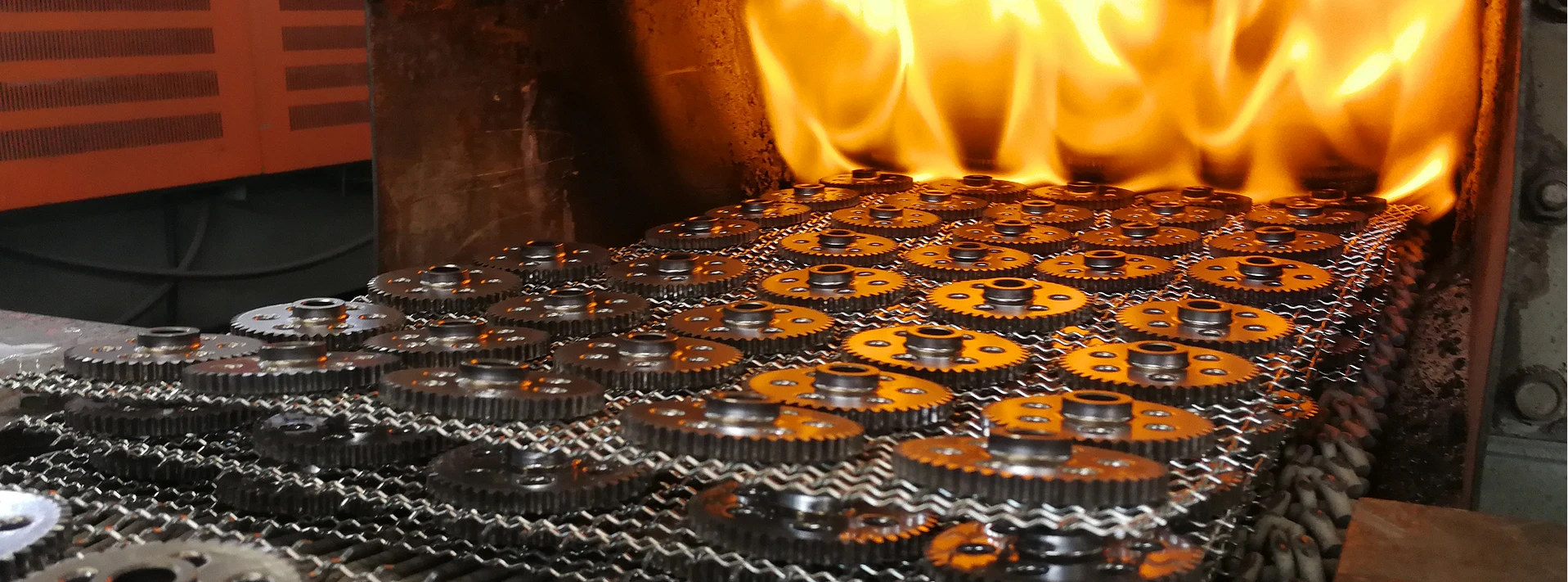
- Sintering: controlled atmosphere furnace for diffusion bonding.
- Sizing/Coining: tighten tolerances, improve roundness/flatness.
- Heat treatment/steam treatment: tune hardness, anti-galling.
- Secondary ops: reaming, tapping, deburring, plating if needed.
- Inspection: density (MPIF 10), hardness (ISO 6508-1), TRS (MPIF 41), dimension reports (per drawing).
Testing, standards, and data points
Lab runs we’ve seen: density 6.95 g/cm³ (MPIF 10), HRB 78 (ISO 6508-1), TRS 520 MPa (MPIF 41), neutral salt spray ≈ 72–96 h for untreated SS (ISO 9227). For appliance safety alignment, teams reference IEC 60335 parts in the PPAP pack. Certifications commonly requested: ISO 9001, IATF 16949 (when cross-supplying to e-mobility), RoHS/REACH.
Where they’re used (and why)
- Washing machines and dryers: torque-transfer gears and couplers.
- Kitchen appliances: structural hubs, latch cams, valve seats.
- HVAC and fans: low-noise sintered bearings and rotors.
- Small electronics: compact connectors and special-shaped parts.
Surprisingly, powder metallurgy products often beat machined parts on lifecycle cost once volumes pass a few thousand units—tooling amortization flips the math.
Vendor landscape: quick comparison
| Criteria | JSSintering (Hebei) | General PM Supplier | CNC-Only Shop |
|---|---|---|---|
| MOQ | ≈ 3k–5k pcs | ≈ 5k–10k pcs | Low, but higher unit cost |
| Lead time | Tooling 3–5 wks; mass 2–4 wks | 4–6 wks | 1–3 wks (simple) |
| Tolerances | ±0.05–0.10 mm as-sintered; tighter with sizing | ±0.10–0.20 mm | Tight, but higher price |
| Cost at scale | Low per piece (after tooling) | Moderate | High |
| Certs/Compliance | ISO 9001, RoHS/REACH, appliance compliance support | Varies | N/A for PM |
Customization and two quick case notes
Customization usually starts with a DFM pass (thin walls, fillets, draft for ejection). One European appliance brand moved a machined 316L latch to a sintered 304L variant with steam treatment; noise dropped ≈ 12% and unit cost fell ~28% at 50k/yr. Another client swapped a multi-part connector body for a single PM piece—assembly time fell from 3 steps to 1, which operators, frankly, applauded.
Feedback we hear: “parts arrive on-time,” “dimensions are predictable,” and “post-sinter sizing locks in the fit.” That tracks with our line walks.
Citations
- MPIF Standard 35 — Materials Standards for PM Structural Parts.
- ASTM B783 — Standard Specification for Materials for PM Structural Parts, Ferrous.
- ISO 5755 — Sintered metal materials (excluding hardmetals) — Specifications.
- IEC 60335-1 — Household and similar electrical appliances — Safety.
- ISO 6508-1 — Metallic materials — Rockwell hardness test.
- ISO 9227 — Corrosion tests in artificial atmospheres — Salt spray tests.