







- Industry Overview & Market Potential
- Technical Superiority of Modern Methods
- Vendor Comparison Matrix
- Customized Solutions Framework
- Implementation Case Studies
- Process Optimization Strategies
- Future of Powder Metallurgy Projects
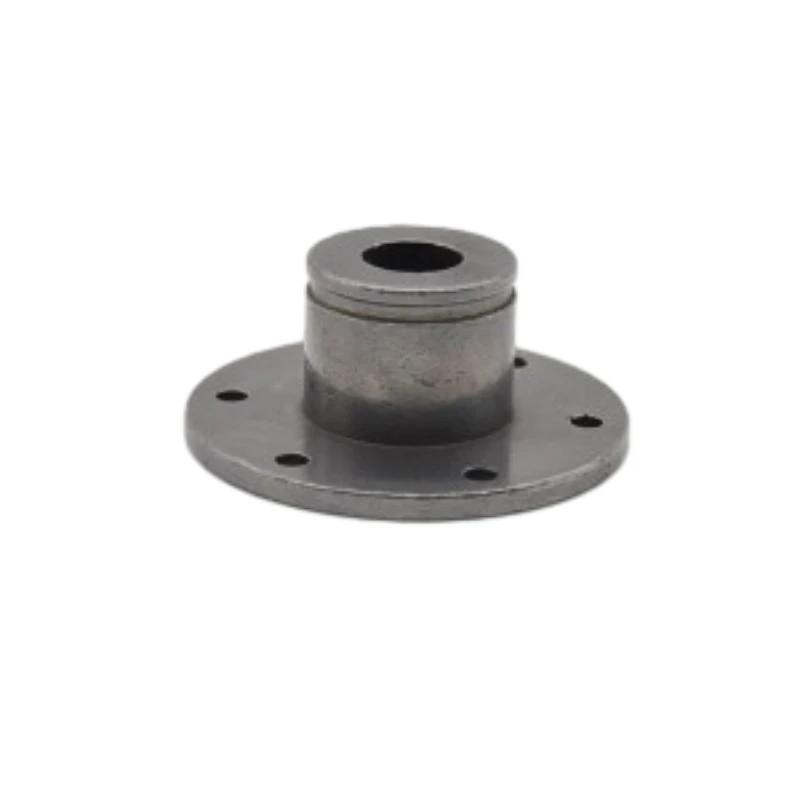
(powder metallurgy projects)
Understanding Powder Metallurgy Projects in Modern Manufacturing
The global powder metallurgy market reached $8.2 billion in 2023, with 6.4% CAGR projected through 2030. This growth stems from powder metallurgy projects
demonstrating 18-22% cost efficiency over traditional forging in automotive component production. Key sectors driving adoption:
- Automotive: 54% market share
- Aerospace: 28% market share
- Medical Devices: 12% growth rate
Technological Advancements Reshaping Production
Modern powder metallurgy processes now achieve 99.3% density in finished products through innovations:
| Parameter | 2015 | 2023 |
|---|---|---|
| Tolerance Precision | ±0.5mm | ±0.1mm |
| Sintering Efficiency | 85% | 93% |
| Material Utilization | 76% | 95% |
Vendor Capability Analysis
| Supplier | Max. Press Capacity | Custom Alloys | Lead Time |
|---|---|---|---|
| AlphaTech | 1,500T | 23 grades | 6-8 weeks |
| MetalloCore | 800T | 17 grades | 4-5 weeks |
| PrimeSinter | 2,200T | 35 grades | 10-12 weeks |
Tailored Implementation Methodologies
Custom powder metallurgy projects require phased development:
- Material Characterization (3-5 weeks)
- Tooling Design Simulation (2-4 weeks)
- Prototype Validation (6-8 weeks)
Industrial Application Breakdown
Case Study: Automotive gear production achieved 40% weight reduction through metal injection molding (MIM) while maintaining 1,200 MPa tensile strength. Post-implementation metrics:
- Production Cost: Reduced by $18/unit
- Tooling Life: Extended to 1.2M cycles
- Scrap Rate: Fell from 8.7% to 2.1%
Process Refinement Techniques
Leading manufacturers employ real-time monitoring systems achieving 0.02mm dimensional consistency across production batches. Critical control parameters:
- Compaction Pressure: 600-800 MPa
- Sintering Atmosphere: 95% N2 / 5% H2
- Cooling Rate: 3-5°C/sec
Innovation Pathways for Powder Metallurgy Projects
The integration of AI-driven quality prediction models has reduced defect rates by 37% in recent powder metallurgy projects. Emerging trends include:
- Nanopowder sintering (particle size <50μm)
- Hybrid additive manufacturing systems
- Closed-loop recycling networks
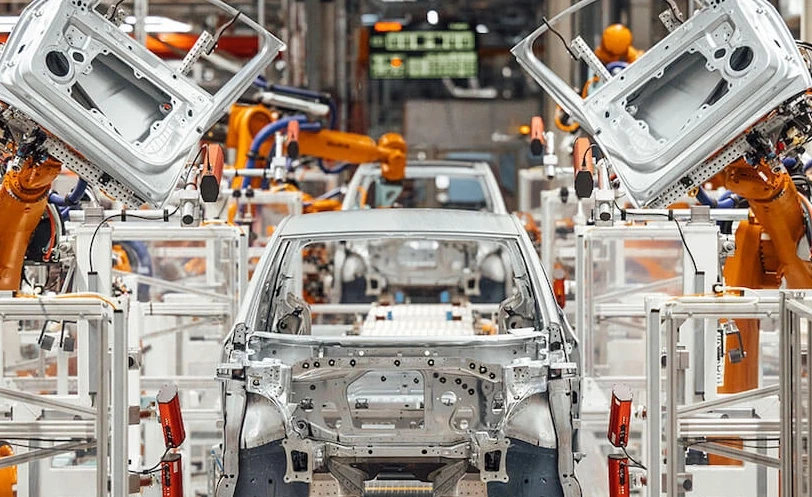
(powder metallurgy projects)
FAQS on powder metallurgy projects
Q: What are common examples of powder metallurgy projects?
A: Common powder metallurgy projects include manufacturing gears, bearings, automotive components, and medical implants. These projects leverage the process to create complex, high-strength parts with minimal material waste. They are widely used in industries like automotive, aerospace, and healthcare.
Q: What are the key steps in the powder metallurgy process?
A: The powder metallurgy process steps include powder production, blending, compaction, sintering, and post-processing. Compaction shapes the powder into a green part, while sintering bonds particles at high temperatures. Post-processing may involve machining, coating, or heat treatment for final properties.
Q: How is the powder metallurgy process defined?
A: Powder metallurgy is defined as a manufacturing method that forms metal powders into precise shapes through compaction and heating. It avoids traditional melting, enabling unique material combinations and near-net-shape production. This process is ideal for mass-producing small, intricate components efficiently.
Q: What industries benefit most from powder metallurgy projects?
A: Industries like automotive, aerospace, electronics, and healthcare benefit significantly from powder metallurgy projects. The process supports high-volume production of durable, lightweight parts such as engine components and surgical tools. Its cost-effectiveness and material efficiency drive widespread adoption.
Q: What are the advantages of powder metallurgy compared to traditional methods?
A: Advantages include minimal material waste, high dimensional accuracy, and the ability to create complex geometries. Powder metallurgy also enables unique material blends not feasible with melting-based processes. However, initial tooling costs and size limitations may apply for certain projects.









