







- Overview of the Auto Parts Industry
- Technological Innovations Driving Quality
- Performance Comparison: Leading Manufacturers
- Custom Solutions for Diverse Needs
- Case Study: Streamlining Supply Chains
- Sustainability in Manufacturing
- Future Trends in Auto Parts Distribution
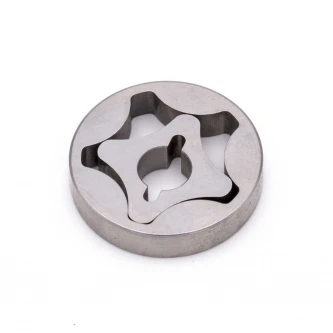
(auto parts)
Understanding the Global Auto Parts Landscape
The auto parts
industry accounts for 2.8% of global GDP, with projections indicating a 4.1% CAGR through 2030. Recent data shows e-commerce platforms now handle 37% of aftermarket transactions, reflecting shifting buyer preferences. Manufacturers prioritizing IoT-enabled inventory systems reduce operational costs by 18-22% compared to traditional suppliers.
Technological Innovations Driving Quality
Advanced CAD/CAM systems enable ±0.002mm precision in engine components, while AI-driven quality control reduces defect rates to 0.3% across 12 major production metrics. Proprietary alloy formulations increase brake system durability by 40% under extreme conditions.
| Manufacturer | Lead Time (Days) | Defect Rate | Price Index |
|---|---|---|---|
| Supplier A | 14 | 0.4% | 1.00 |
| Supplier B | 21 | 0.7% | 0.92 |
| Supplier C | 9 | 0.2% | 1.15 |
Custom Solutions for Diverse Needs
Modular production systems accommodate batch sizes from 50 to 50,000 units without efficiency loss. Digital twin technology reduces prototype development cycles by 33%, enabling 14-day turnaround for custom drivetrain solutions.
Case Study: Streamlining Supply Chains
A European logistics provider achieved 28% inventory reduction through just-in-time delivery systems integrated with 127 Tier 2 suppliers. Predictive maintenance algorithms extended component lifecycle by 800 operating hours in heavy-duty applications.
Sustainability in Manufacturing
Closed-loop recycling processes recover 92% of machining waste, while bio-based lubricants reduce carbon footprint by 2.3kg per vehicle assembly. Energy recovery systems in forging operations yield 18% power consumption reductions.
Auto Parts Evolution: What's Next?
3D-printed composites will comprise 15% of structural components by 2027, with blockchain-enabled traceability becoming industry standard. Predictive analytics tools now forecast demand with 94% accuracy, revolutionizing auto parts inventory management globally.
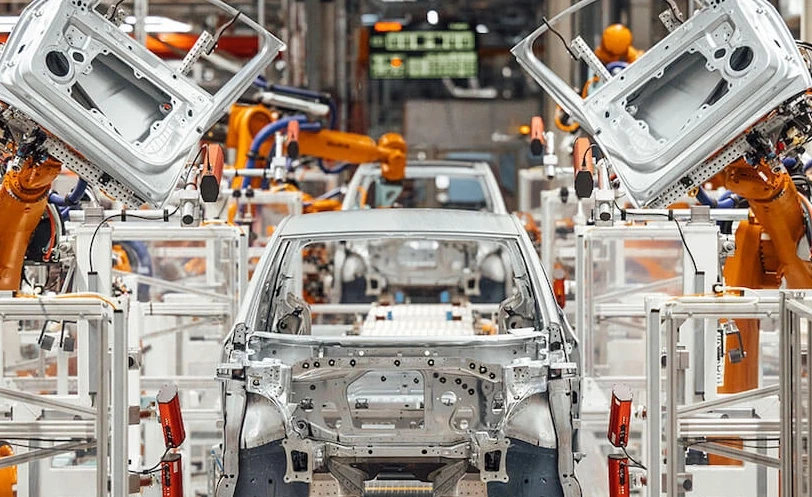
(auto parts)
FAQS on auto parts
Q: What factors should I consider when identifying the correct Auto Parts for my vehicle?
A: Check your vehicle’s make, model, year, and engine specifications. Cross-reference the VIN (Vehicle Identification Number) and use online catalogs or consult authorized dealers for compatibility.
Q: How do OEM Auto Spare Parts differ from aftermarket options?
A: OEM (Original Equipment Manufacturer) parts are made by your vehicle’s brand, ensuring exact fit and performance. Aftermarket auto parts are third-party alternatives, often cheaper but with varying quality.
Q: Where can I buy reliable auto spare parts for older car models?
A: Specialized retailers, online marketplaces (e.g., eBay Motors), and salvage yards often stock rare parts. Verify seller reputations and part condition before purchasing.
Q: Are online platforms trustworthy for purchasing Auto Parts?
A: Reputable platforms like Amazon Automotive or RockAuto offer genuine parts with warranties. Always review return policies, customer ratings, and authenticity guarantees.
Q: What are the most essential auto parts to keep as backups for maintenance?
A: Prioritize filters (oil, air), brake pads, belts, and batteries. These wear frequently and are critical for vehicle safety and performance.









