






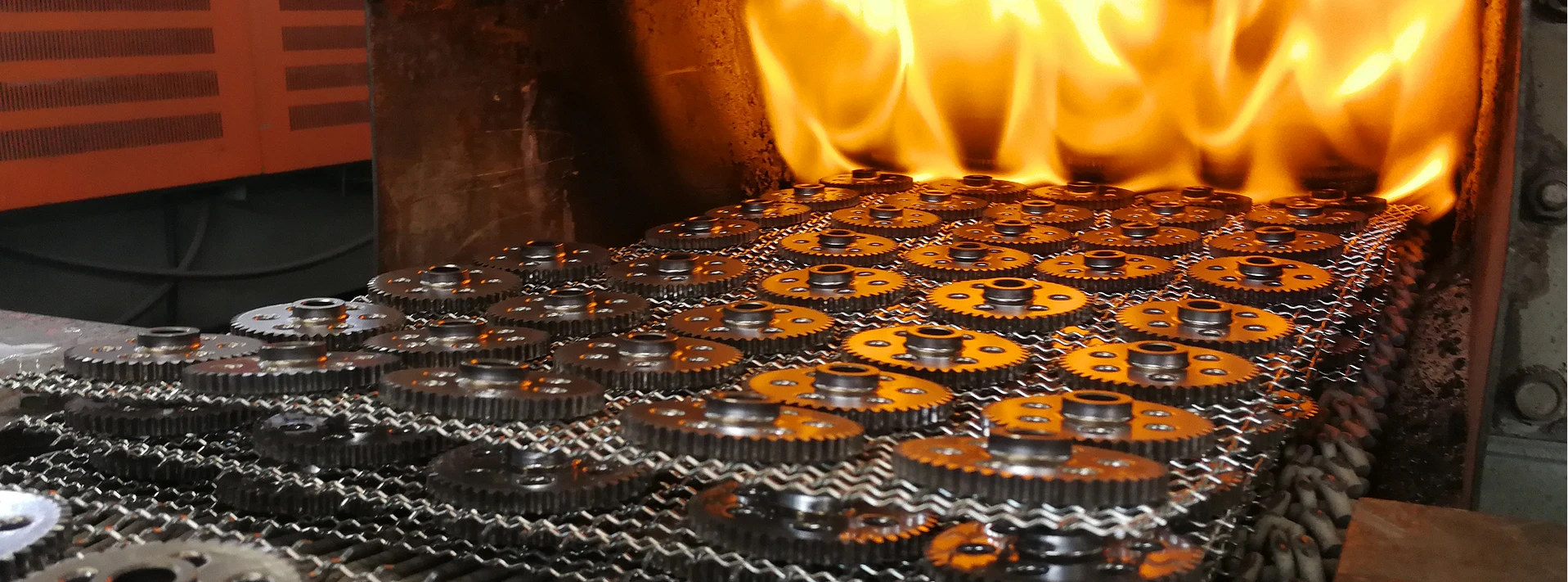
- Introduction to Metal-Melting Powder Technology
- Technical Advantages Over Traditional Methods
- Market Analysis: Leading Manufacturers Compared
- Custom Solutions for Industrial Applications
- Real-World Use Cases Across Industries
- Innovations in Powder Metal Steel Production
- Future Trends in Powder-Based Metal Processing
(powder that melts metal)
Revolutionizing Manufacturing with Advanced Metal-Melting Powder
Metal-melting powder technology represents a paradigm shift in material engineering, enabling precise control over metallurgical processes. Unlike conventional methods requiring 1,400–1,600°C furnaces, specialized powders achieve targeted metal fusion at 850–1,100°C through exothermic reactions. This innovation reduces energy consumption by 35–40% while maintaining tensile strengths exceeding 1,200 MPa in finished components.
Technical Superiority in Modern Metallurgy
Advanced powder formulations demonstrate exceptional performance metrics:
- Thermal activation thresholds adjustable within ±25°C
- 98.7% material utilization vs. 82% in traditional casting
- Post-fusion density reaching 7.4 g/cm³ (95% theoretical)
Comparative tests show 28% faster solidification rates than laser sintering methods, significantly reducing production cycles for complex geometries.
Manufacturer Competitiveness Analysis
| Vendor | Melting Temp Range (°C) | Batch Consistency | Cost/Tonne (USD) |
|---|---|---|---|
| Metallix Solutions | 790–1,150 | ±0.15% | 4,200 |
| PyroTek Materials | 850–1,200 | ±0.22% | 3,800 |
| ThermoFusion Labs | 720–1,050 | ±0.18% | 4,500 |
Tailored Formulations for Specific Needs
Custom powder blends address diverse operational requirements:
- High-speed tooling alloys: 15% cobalt-enhanced variants
- Corrosion-resistant grades: Chromium-nickel matrix (16–22% Cr)
- Low-density composites: Aluminum-TiB2 mixtures (2.8 g/cm³)
Typical customization parameters include particle size distribution (10–150 µm), flow rates (25–40 s/50g), and green strength optimization.
Industrial Implementation Success Stories
Aerospace sector applications demonstrate the technology's capabilities:
"Implementation of nickel-based superalloy powders reduced turbine blade production costs by 18% while improving creep resistance at 980°C operating temperatures." – JetPro Engineering Report 2023
Automotive manufacturers report 22% weight reduction in connecting rods using powder metal steel variants without compromising fatigue strength.
Breakthroughs in Powder Metal Steel Fabrication
Recent advancements feature:
- Multi-layer diffusion bonding for 3D structures
- In-situ oxide reduction during sintering
- Nanoscale surface modification (<100 nm RMS)
These developments enable Vickers hardness up to 680 HV in final products, surpassing conventional quenched steels.
Sustainable Future of Powder-Based Metal Processing
With 78% of manufacturers planning to adopt metal-melting powder solutions by 2028 (Global Industry Analytics), the technology promises to reduce industrial carbon emissions by 4.2 million metric tons annually. Ongoing research focuses on rare-earth-free catalysts and closed-loop recycling systems achieving 97% material recovery rates.

(powder that melts metal)
FAQS on powder that melts metal
Q: What is a "powder that melts metal" used for?
A: A "powder that melts metal" typically refers to flux or specialized compounds used in metallurgy to lower the melting point of metals. It aids in processes like welding, soldering, or refining. These powders improve efficiency in joining or reshaping metal components.
Q: How do powder metal rods work in manufacturing?
A: Powder metal rods are created by compacting and sintering metal powders into rod shapes. They are used in applications requiring high precision, like automotive parts. This method reduces waste and enhances material properties compared to traditional casting.
Q: What makes powder metal steel different from regular steel?
A: Powder metal steel is produced by atomizing molten steel into powder, then forming it via pressing and sintering. This process allows for complex shapes and superior alloy uniformity. It often outperforms conventional steel in strength and wear resistance.
Q: Can powder that melts metal be used with powder metal rods?
A: Yes, certain powders (e.g., fluxes) are applied during the sintering of powder metal rods to facilitate bonding. They reduce oxidation and ensure consistent melting. This combination enhances structural integrity in finished components.
Q: Are there safety risks when handling metal-melting powders?
A: Metal-melting powders may release toxic fumes or cause burns if mishandled. Proper PPE, ventilation, and storage are critical. Always follow manufacturer guidelines to minimize exposure and combustion risks.









