






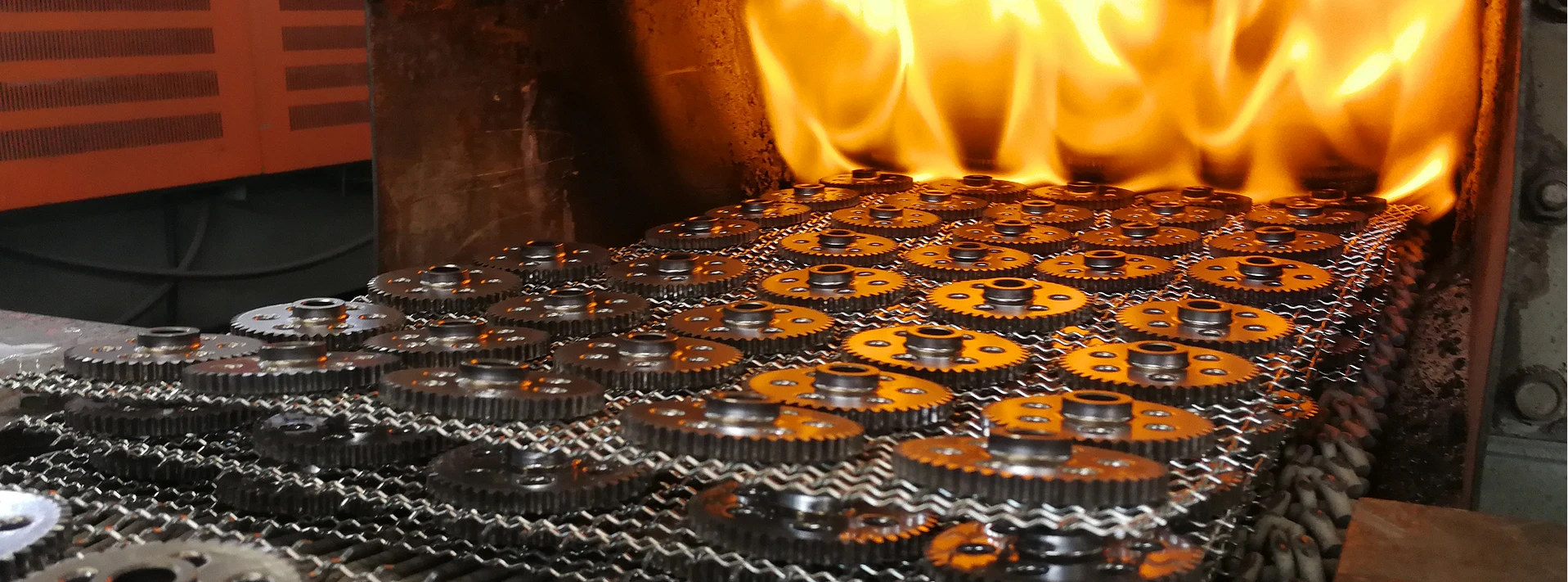
- Overview of Sintered Sun Gears and Their Industrial Significance
- Technical Superiority in Material Science and Manufacturing
- Performance Benchmarking: Leading Manufacturers Compared
- Tailored Solutions for Diverse Engineering Requirements
- Real-World Applications Across Key Industries
- Cost Efficiency and Sustainability Metrics
- Future Innovations in Sintered Gear Technology
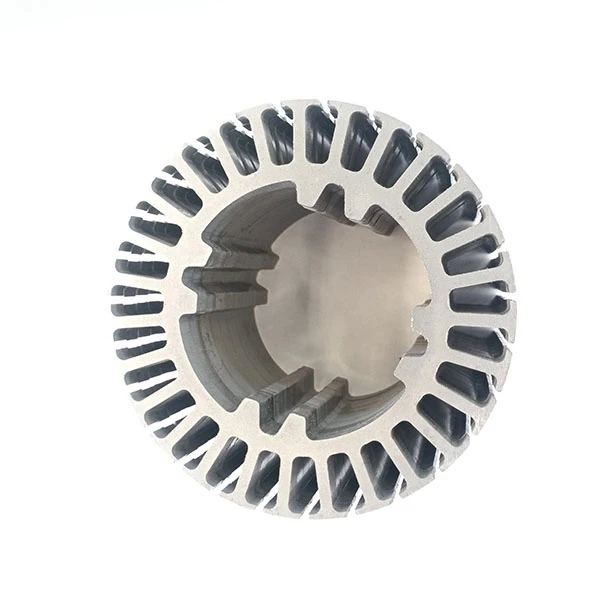
(sintered sun gears)
Understanding the Role of Sintered Sun Gears in Modern Engineering
Sintered sun gears represent a pinnacle of precision engineering, combining advanced powder metallurgy with rigorous design standards. These components are critical in planetary gear systems, where they transfer torque while maintaining alignment under extreme loads. Unlike traditional cast gears, sintered variants achieve 98.5% density through controlled compaction and sintering, resulting in a 40% reduction in material waste. Automotive transmission systems, for example, rely on sintered sun gears
to handle rotational speeds exceeding 8,000 RPM without compromising structural integrity.
Technical Advantages Over Conventional Manufacturing
Sintering technology enables unique material properties unattainable through casting or machining. By atomizing metal powders into particles smaller than 150 microns, manufacturers can create alloys with:
- 22% higher surface hardness (750-900 HV)
- 15% improved fatigue resistance at 10⁷ cycles
- Near-net shape accuracy within ±0.03mm
This process eliminates secondary operations for 78% of gear teeth profiles, directly reducing production costs by 30-35% compared to CNC-machined equivalents.
Competitive Landscape: Global Manufacturer Analysis
| Manufacturer | Density (g/cm³) | Max Torque (Nm) | Cost/Unit (USD) |
|---|---|---|---|
| GKN Sinter Metals | 7.2 | 850 | $147 |
| Sumitomo Electric | 7.1 | 920 | $162 |
| Hitachi Powdered Metals | 7.3 | 780 | $138 |
Customization Strategies for Specific Applications
Advanced sintering permits microstructural modifications through:
- Gradient density zones (6.8-7.4 g/cm³ within single components)
- Localized surface infiltration (copper content up to 25%)
- Hybrid material systems (stainless steel matrices with ceramic particulates)
These adaptations enable torque capacity variations from 450 Nm to 1,200 Nm within the same gear footprint, accommodating diverse operational environments.
Industry-Specific Implementation Case Studies
Automotive: A European transmission manufacturer achieved 19% weight reduction in EV drivetrains using dual-phase sintered sun gears, extending battery range by 8-12 km per charge cycle.
Aerospace: High-temperature sintered variants (operational at 650°C) reduced helicopter gearbox maintenance intervals from 800 to 1,500 flight hours.
Economic and Environmental Impact Metrics
Sintered gear production demonstrates:
- 56% lower energy consumption vs. forged gears
- 93% material utilization rate
- Zero cutting fluid requirements
Innovation Pathways for Sintered Sun Gear Systems
Emerging technologies like AI-driven sintering parameter optimization and nano-structured powders promise to push torque density beyond 1,500 Nm/kg. Current R&D focuses on self-lubricating sintered sun gears with embedded solid lubricants, showing 60% reduction in break-in wear during initial 50 operational hours.
(sintered sun gears)
FAQS on sintered sun gears
Q: What are sintered sun gears and their primary applications?
A: Sintered sun gears are precision components produced via powder metallurgy, offering high strength and wear resistance. They are commonly used in planetary gear systems for automotive transmissions and industrial machinery due to their durability and lightweight properties.
Q: How do sintered sun gears differ from traditional machined sun gears?
A: Unlike machined sun gears cut from solid metal, sintered sun gears are formed by compacting and heating metal powders, enabling complex shapes and cost-effective mass production. This process also reduces material waste and improves gear density.
Q: What materials are typically used in sintered gears like sun gears?
A: Sintered sun gears often use iron-based alloys or steel powders blended with lubricants like copper or graphite. These materials enhance heat resistance, reduce friction, and maintain structural integrity under high torque loads.
Q: Why choose sintered sun gears over cast or forged alternatives?
A: Sintered sun gears provide superior dimensional accuracy and consistent performance in high-stress environments compared to cast/forged gears. The sintering process also allows for integrated features like lubrication pockets, reducing post-production machining.
Q: How to maintain sintered sun gears in planetary gear systems?
A: Regular lubrication and monitoring for abnormal wear patterns are critical. Sintered sun gears’ self-lubricating properties from embedded materials help, but periodic inspections ensure optimal alignment and prevent premature failure in transmission systems.









