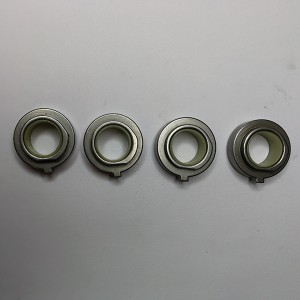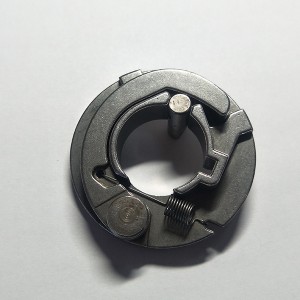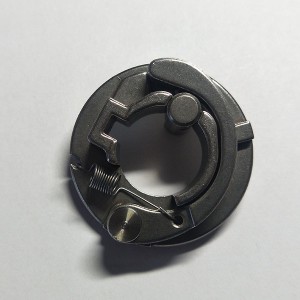





- Introduction to powdered metal gears
technology - The science behind powdered aluminum and powdered iron iii oxide compositions
- Manufacturing process: From powder to precision components
- Performance advantages and technical specifications analysis
- Industry leader comparison: Capabilities and specialties
- Customized application solutions for critical industries
- Implementation case studies: Measurable results

(powdered metal gears)
Understanding powdered metal gears manufacturing technology
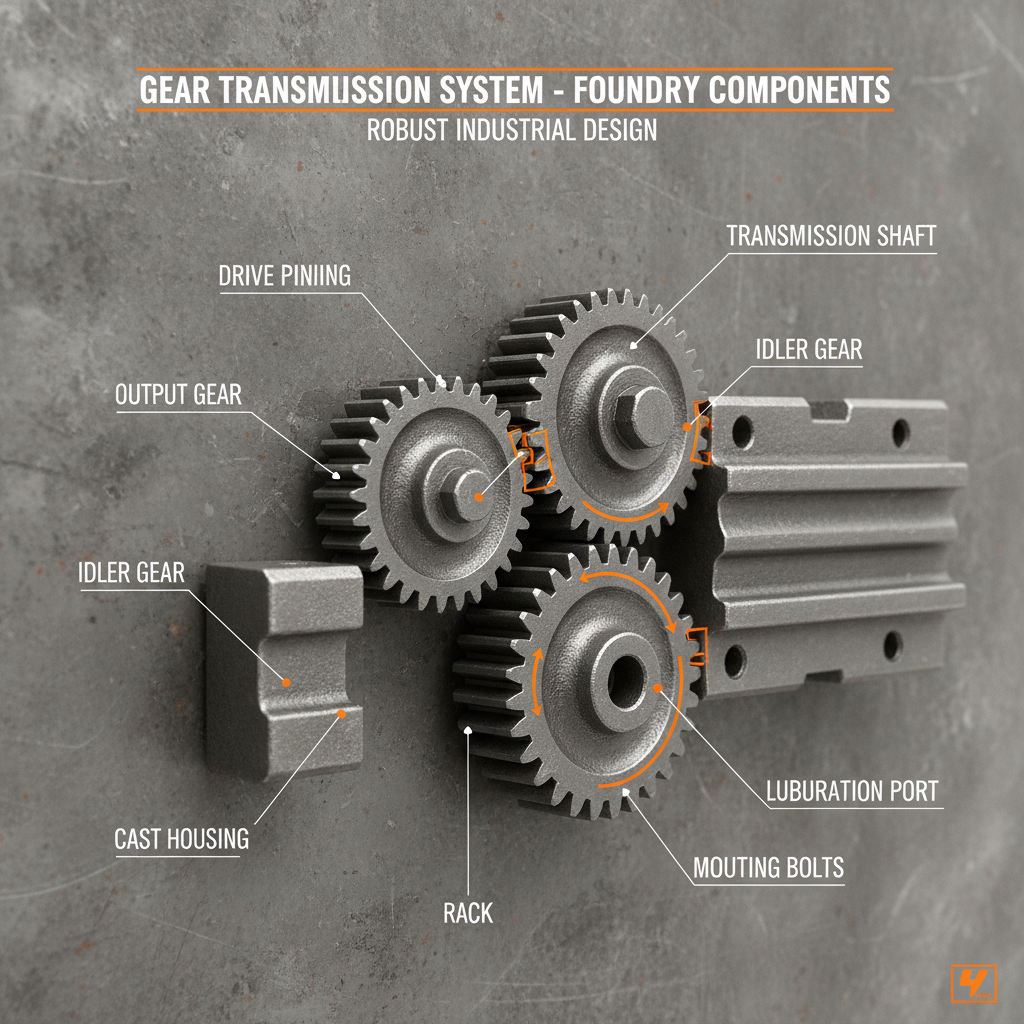
Modern engineering increasingly adopts powdered metal gears as superior alternatives to conventional machined components. This advanced manufacturing approach transforms metal powders into net-shaped parts through precision compaction and sintering. Unlike subtractive machining techniques, powdered metallurgy produces minimal material waste - up to 97% material utilization compared to 50-60% with traditional methods. Leading automotive transmission manufacturers report 15-25% cost reductions through this process while maintaining dimensional tolerances within ±0.0015 inches. As industries demand lighter, stronger, and more economical components, powdered metal solutions demonstrate measurable advantages in structural integrity and production efficiency.
Material science: Compositions and characteristics
The exceptional properties of powdered metal gears originate from specialized material formulations. Powdered aluminum alloys (typically 601AB, 201AB grades) deliver optimal strength-to-weight ratios, with density values reaching 2.7 g/cm³ after sintering. When combined with precisely controlled additions of powdered iron iii oxide (Fe₂O₃), manufacturers create unique tribological properties through in-situ formation of hard ceramic phases during sintering. These composite materials demonstrate surface hardness values up to 80 HRB while maintaining core ductility. Structural testing reveals fatigue strengths exceeding 350 MPa under cyclic loading conditions - performance parameters unattainable with conventional steel gears at equivalent weight profiles.
Precision manufacturing methodology
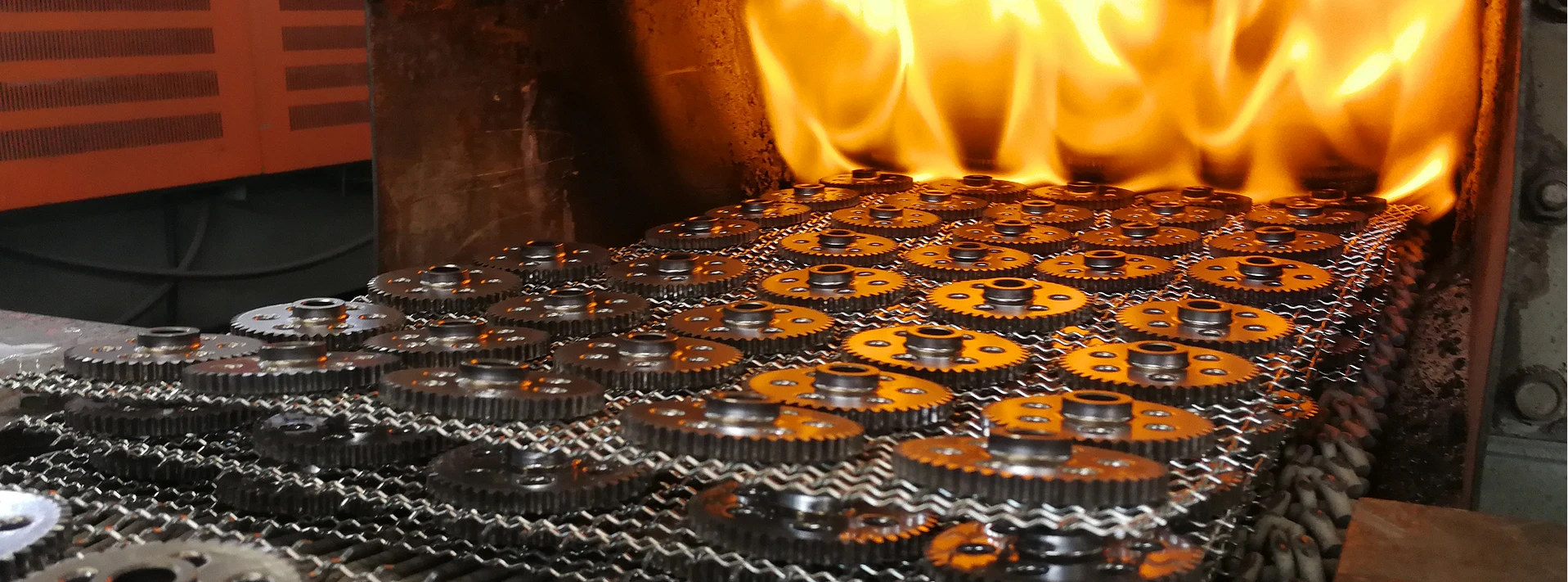
Fabricating powdered metal bevel gears involves sequential processes requiring exacting temperature and pressure control. After blending base metal powders with specific alloying elements (<1% copper, nickel, or molybdenum), automated presses apply 30-50 tons per square inch to form near-net-shape components. Subsequent sintering occurs in precisely controlled atmosphere furnaces at 1120-1290°C (2050-2350°F), achieving >98% theoretical density through solid-state diffusion bonding. Secondary operations like sizing, coining, and surface densification further enhance dimensional accuracy to AGMA Class 8 standards. For applications requiring enhanced contact fatigue resistance, proprietary surface treatments increase case hardness to 58-65 HRC without compromising the core ductility necessary for impact absorption.
Technical advantages and performance metrics
Laboratory and field testing validate distinct performance advantages of powdered metal gears across critical parameters:
| Performance Characteristic | Powdered Metal Gears | Machined Steel Gears |
|---|---|---|
| Weight Reduction | 22-35% lighter | Baseline |
| Noise Reduction | 7-9 dB lower operation | Standard level |
| Material Utilization | 97% efficiency | 45-60% efficiency |
| Pitting Resistance | 35-50% improvement | Industry standard |
| Production Rate | 150-300 units/hour | 20-40 units/hour |
Beyond quantifiable metrics, the inherent porosity of powdered metal components enhances lubrication retention - reducing coefficient of friction by 18-22% compared to solid alternatives. This characteristic delivers measurable improvements in transmission efficiency, translating to 3-5% energy savings in power transmission systems.
Industry manufacturer capability analysis
Leading manufacturers specialize in distinct material systems and application expertise:
| Manufacturer | Material Specialty | Production Capacity | Tolerance Standards | Industry Focus |
|---|---|---|---|---|
| PMG Technologies | Iron-copper-carbon systems | 8M+ units annually | AGMA 12-15 | Automotive transmissions |
| GearMet Solutions | Aluminum matrix composites | 2.5M units annually | ISO 1328-1 | Aerospace actuators |
| Precision Sintered | Diffusion-alloyed steels | 3M units annually | DIN 3961 Class 8 | Industrial robotics |
| Matrix Gear Systems | Hybrid Fe₂O₃ composites | 1.8M units annually | JIS B 1702-1 | Medical equipment |
Specialized producers distinguish themselves through proprietary compaction tooling, specialized sintering atmospheres, and secondary machining capabilities - enabling 70%+ reduction in finishing operations compared to conventional gear manufacturing. Minimum production volumes range from 15,000+ units for standard configurations, though premium manufacturers accommodate prototype orders at 500+ units.
Custom application engineering solutions
Advanced engineering services transform application-specific challenges into optimized powdered metal gear solutions. Powertrain specialists develop customized heat treatment protocols achieving surface compressive stresses exceeding 1000 MPa in automotive transmission components. For aerospace actuation systems requiring extreme weight reduction, specialized aluminum matrix composites achieve tensile strengths of 430 MPa while maintaining 18% elongation. Customizable parameters include:
- Tooth Profile Optimization: Modified involute geometries reducing contact stress by 25-40%
- Hybrid Material Systems: Functionally graded compositions balancing wear resistance and impact toughness
- Integrated Features: Simultaneously molded splines, flanges, and bearing surfaces
- Surface Engineering
Post-manufacturing enhancements include diamond grinding of tooth flanks (Ra 0.2-0.4 μm) and vapor deposition coatings (DLC, TiN) extending service life 200-400% in contaminated environments.
Powdered metal gears application success metrics
Field implementations demonstrate quantifiable performance improvements. A European automotive manufacturer transitioned to powdered metal bevel gears for transfer case applications, achieving a 27% weight reduction while extending maintenance intervals from 80,000 to 150,000 kilometers. Fatigue testing confirmed 350,000+ cycle durability compared to 190,000 cycles for conventional forged components. Aerospace applications documented even more significant improvements: actuator systems incorporating specialized powdered aluminum gears reduced drone flight system weight by 1.3 kg while maintaining torque capacity, extending flight duration by 18% on single battery charges. Industrial automation installations report 99.2% uptime reliability over continuous 18-month operations - attributable to the vibration damping characteristics of powder metallurgy components. These cases underscore how material science innovation converges with manufacturing precision to deliver measurable operational advantages across sectors.

(powdered metal gears)
FAQS on powdered metal gears
Here are 5 FAQ groups about powdered metal gears in HTML format:Q: What are the primary benefits of using powdered metal gears?
A: Powdered metal gears offer exceptional dimensional consistency and near-net-shape manufacturing. They reduce material waste and machining requirements significantly. Their controlled porosity also aids in lubrication retention.
Q: How do powdered aluminum and iron(III) oxide enhance gear properties?
A: Aluminum powder increases corrosion resistance while reducing component weight. Iron(III) oxide boosts density and wear resistance during sintering. Together they improve strength-to-weight ratios.
Q: Why choose powdered metal bevel gears specifically?
A: Powder metallurgy enables precise tooth geometry in complex bevel designs unachievable with machining. They maintain tight angular tolerances and distribute stress evenly across teeth. This makes them ideal for right-angle transmissions.
Q: What industries commonly use powdered metal gears?
A: Automotive transmissions employ them for synchronizers and pump rotors. Power tools utilize their durability in gearboxes. Aerospace applications benefit from their lightweight reliability.
Q: How durable are powdered metal gears compared to machined alternatives?
A: Through densification processes, they match machined gears in strength and fatigue resistance. Surface treatments like carburizing further enhance durability. Their material homogeneity reduces failure points.