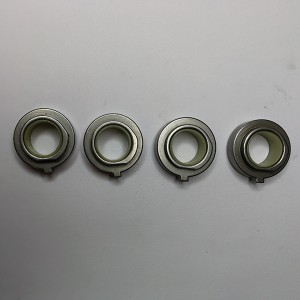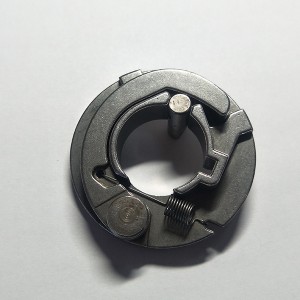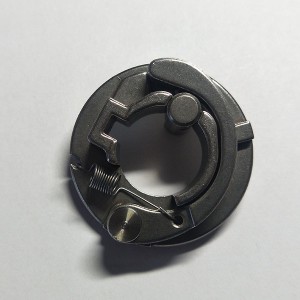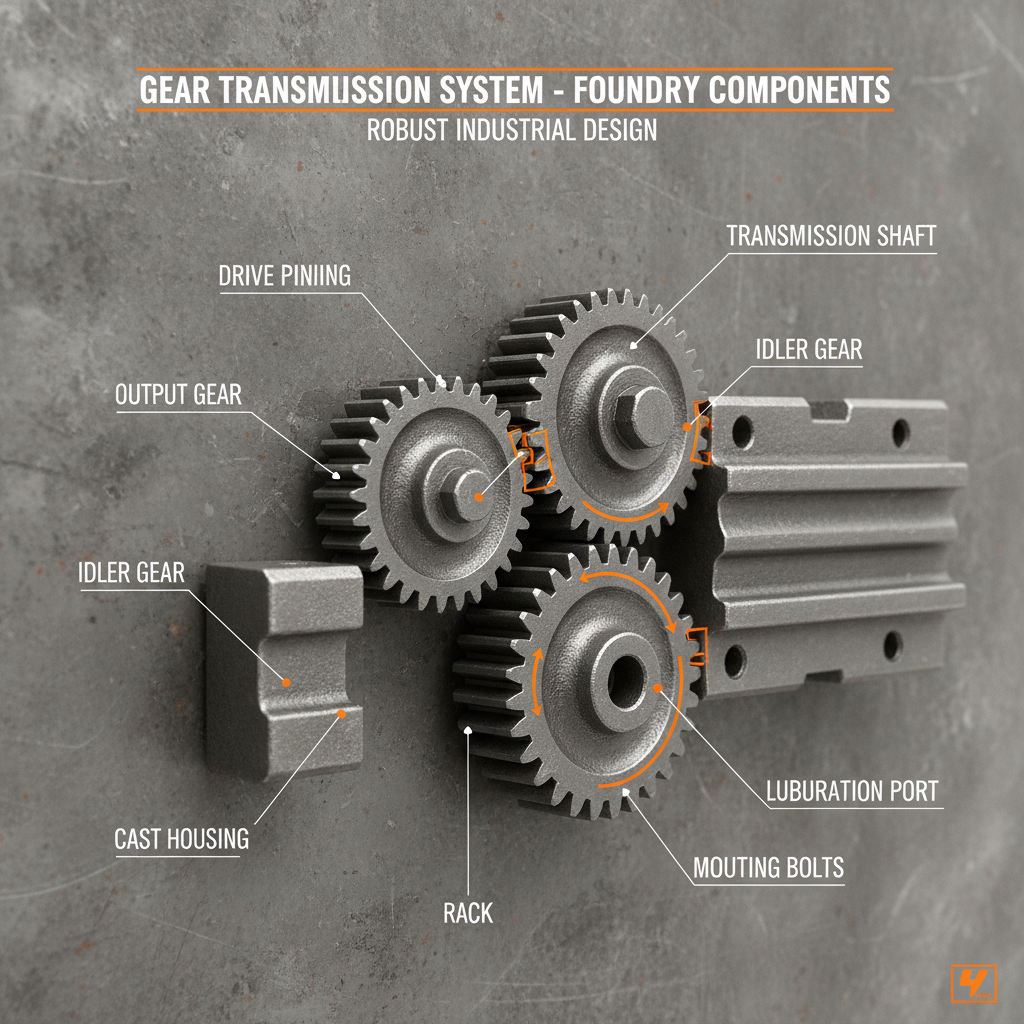





The Essential Role of Gear Rings in Modern Industry
When was the last time you really thought about a gear ring? They’re these deceptively simple components—rings with teeth—that keep so many machines running smoothly. From massive industrial gearboxes to the tiniest mechanical watches, gear rings orchestrate precise motion and power transmission. Globally, as industries push for more efficiency, resiliency, and innovation, understanding gear rings becomes more than just mechanical trivia; it can literally impact how we build, repair, and innovate in manufacturing, automotive sectors, renewable energy, and even humanitarian tech.
To put it plainly: gear rings matter, and knowing how they do what they do can open up smarter engineering decisions and better product lifecycles worldwide.
Why Gear Rings Matter on a Global Scale
Did you know that according to ISO reports, precision gears contribute significantly to approximately 15% of the world's industrial manufacturing efficiency? With global GDP increasingly reliant on machinery (the World Bank notes manufacturing's steady 16% average contribution worldwide), it’s no surprise that optimized gear rings are a silent force behind this. Gear rings solve a classic challenge: how to transfer rotational power smoothly and reliably across various machines, sometimes in rugged environments.
But here’s the rub — as industries scale and diversify into new energy or automation sectors, legacy gear designs become bottlenecks. New materials, smarter manufacturing, and precision testing are needed, and that’s where modern gear rings come in. They can reduce wear, manage higher loads, and enable innovations like compact gearboxes for electric vehicles or wind turbines. So when you hear about “gear ring,” think about the gears spinning progress in factories, hospitals, or even remote field stations.
What Is a Gear Ring, Exactly?
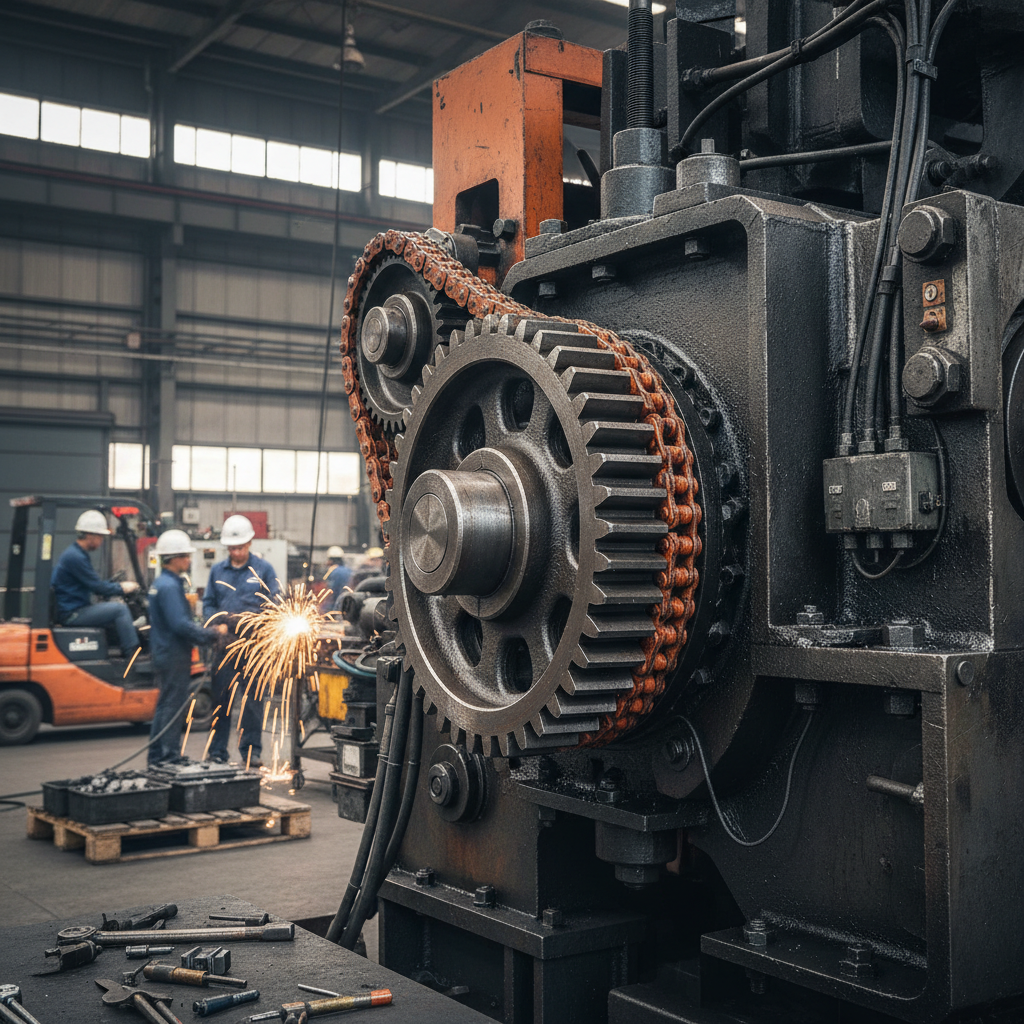
Simply put, a gear ring is a circular component with finely machined teeth along its inner or outer edge designed to mesh with one or more gears. Sometimes called ring gears or internal gears (depending on tooth orientation), they’re part of planetary gear systems, differentials, and countless other assemblies.
In modern industry, these gear rings don’t just move things: they enable whole sectors to deliver humanitarian aid, develop cutting-edge robotics, or even provide safer transportation. For example, the reliability of gear rings in wind turbine gearboxes directly impacts how much clean energy we can economically harvest, which ties back to UN sustainable goals on affordable and clean energy.
Key Aspects of Gear Rings That Define Their Value
1. Durability
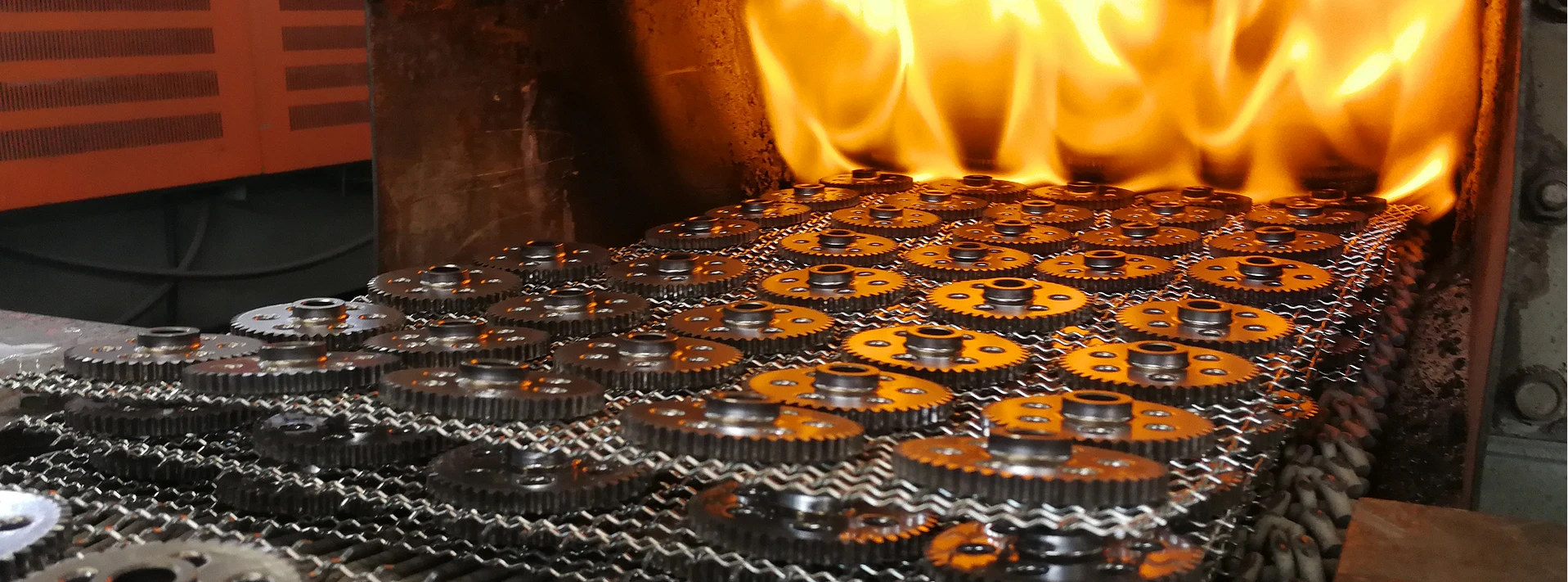
Gear rings often face intense stress cycles. Materials like hardened steel or advanced alloys, coupled with treatments such as carburization, ensure they last tens of thousands of hours without failure.
2. Precision & Tolerances
The quality of tooth profiles, matching pressure angles, and minimal backlash can be the difference between an efficient gearbox or a noisy, unpredictable one.
3. Load Capacity
How much torque can a gear ring handle? This depends on design parameters like tooth size and gear face width, influencing industries from heavy mining to automotive.
4. Material Innovation
The latest composites and surface treatments aim to reduce friction and wear, advancing gear ring lifespan and efficiency.
5. Size and Customization
Whether for tiny robotics or huge cranes, gear rings come in many sizes and can be tailor-made, which is vital for niche applications.
Mini takeaway: When choosing a gear ring, think beyond size — durability, precision, load, and materials matter as much to the end user’s mission.
Real-World Applications of Gear Rings Across the Globe
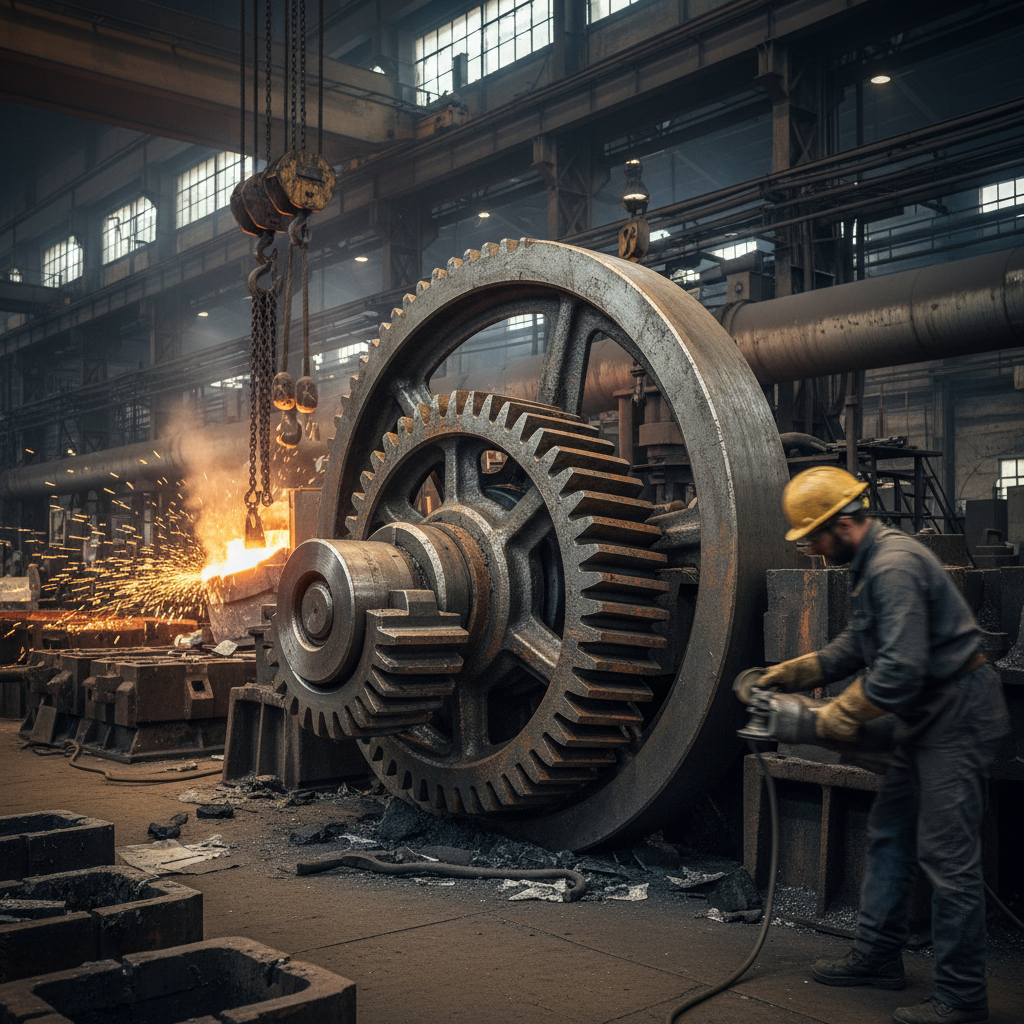
In North America’s automotive industry, gear rings form the heart of transmissions, enabling smooth torque adjustments. In Europe’s wind energy farms, massive ring gears power turbine blades turning in gusty conditions. Even in humanitarian logistics, gear rings inside ruggedized machinery help build temporary shelters or water purification units in disaster zones vital for survival.
Regions like Asia’s booming manufacturing hubs rely on high-volume, consistent-quality gear rings to keep assembly lines humming. And in remote mining operations in South America, robust gear rings mean less downtime—something that translates to millions in cost savings and safer working conditions.
Gear Ring Product Specifications: At a Glance
| Specification | Standard Gear Ring | Heavy-Duty Gear Ring |
|---|---|---|
| Material | Hardened Steel (40Cr) | Alloy Steel + Surface Nitriding |
| Outer Diameter | 300 – 600 mm | 500 – 1200 mm |
| Tooth Module | 3 – 8 mm | 6 – 12 mm |
| Max Load Capacity | Up to 30 kN | Up to 75 kN |
| Typical Applications | Light machinery, automotive | Heavy equipment, wind turbines |
It's always worth checking if your application requires a customized gear ring from suppliers who can offer tailored solutions across size, material, and hardness.
How Leading Vendors Stack Up
| Vendor | Product Range | Custom Solutions | Lead Time | Typical Markets Served |
|---|---|---|---|---|
| JSS Sintering | Standard & Heavy-Duty Gear Rings | Yes, with quick prototyping | 4–6 weeks | Automotive, Renewable Energy, Mining |
| GearTech Ltd. | Broad, incl. micro gear rings | Limited customization | 6–8 weeks | Precision Instruments, Robotics |
| SteelGears Inc. | Heavy Industrial Gear Rings | Custom fabrication available | 8–12 weeks | Construction, Mining |
Why Gear Rings Are Valuable Beyond the Numbers
The tangible benefits like reduced downtime, lower energy losses, and increased load capacity are obvious. However, there’s a subtle emotional element too—trust. When operators know that their machinery’s gear rings are top quality, it builds confidence that safety, efficiency, and innovation aren’t being compromised. It's not just about metal teeth; it’s about the dignity of a job well done, the safety of workers in harsh environments, and the sustainability of the systems society depends on.
Looking Ahead: Innovations Shaping Gear Ring Technology
Advancements in additive manufacturing (3D metal printing) are beginning to let engineers produce gear rings with complex internal cooling channels or tailored material gradient hardnesses. Digital twins and IoT sensors embedded in gearboxes will soon monitor wear patterns in gear rings in real time, predicting failures before they happen—which is pretty wild when you think about it.
Also, the push for greener industry means lighter, wear-resistant materials and ultra-efficient gear designs will continue evolving. Automated assembly lines and robotic handling now rely heavily on precision gear rings designed for zero-backlash gearing, making motion smoother than ever.
The Challenges and How Experts Tackle Them
- Wear and Fatigue: Despite treatments, gear rings wear down—so manufacturers use improved coatings and surface engineering.
- Customization Delays: Getting tailor-made gear rings can take weeks; some vendors now offer rapid prototyping to cut turnaround.
- Cost vs. Performance: Balancing material costs with required performance levels is tricky, but modular designs help.
FAQ: Your Top Questions on Gear Rings
Q1: How do I know which gear ring material suits my project?
A: It depends on your application’s load, speed, and environment. For heavy loads, alloy steel with surface hardening is common. For lighter, precision uses, carbon steel or even composites might be adequate. Consult vendors for specific recommendations based on use-case.
Q2: Can gear rings be repaired if teeth get damaged?
A: Small chips can sometimes be ground and polished if within tolerance limits, but typically, damaged gear rings are replaced. Some advanced repair methods like welding and re-machining exist but aren’t always cost-effective.
Q3: Are custom gear rings significantly more expensive than standard ones?
A: Usually yes, due to bespoke tooling and testing. However, volume orders or choosing vendors like JSS Sintering that specialize in rapid custom gear rings can mitigate costs.
Q4: How critical is gear ring precision in wind turbines?
A: Very critical. Even slight deviations can reduce power output or cause premature wear. That’s why manufacturers invest heavily in precision cutting and quality inspections for these applications.
Summing Up: Why Gear Rings Are More Than Just Metal Circles
In the end, gear rings carry more than rotational force—they carry the weight of global industrial progress, energy solutions, and even humanitarian missions. Getting familiar with their specs, trends, and challenges can make your projects smoother, your machinery more reliable, and your innovations more impactful. Whether you’re designing the next-generation conveyor or repairing a complex gearbox, the right gear ring is the unsung hero.
Thinking about upgrading or sourcing gear rings? Visit our website at https://www.jssintering.com for detailed specs, quotes, and expert consultations.