



WeChat.png
sintered metal parts
top.png
bannerimg

Precision Sintered Metal Power Tool Parts | OEM Solutions

2025.09.16

Industry Trends in High-Performance Components

The power tool industry is undergoing a significant transformation, driven by demands for increased efficiency, durability, and ergonomic design. Manufacturers are continuously seeking advanced materials and production methodologies to enhance product performance and reduce overall costs. In this landscape, the role of precision-engineered components is paramount. Specifically, the adoption of power tool part solutions manufactured through powder metallurgy (PM) is rapidly expanding. This segment of manufacturing, focusing on sintered metal, offers unparalleled advantages in producing complex geometries with exceptional mechanical properties, which are critical for the demanding operational environments of modern power tools.

Current trends indicate a strong move towards lightweighting, improved power-to-weight ratios, and extended service life for power tools. This necessitates components that can withstand high stresses, abrasions, and fatigue while maintaining precise dimensions. The market for OEM sintered part components is growing, fueled by the ability of powder metallurgy to deliver components with tailored material characteristics, superior surface finishes, and consistent quality at high production volumes. This shift enables tool manufacturers to innovate faster and bring more robust, efficient products to market.

Detailed Manufacturing Process of a Sintered Power Tool Part

The production of a high-quality power tool part through sintering involves several meticulously controlled stages, beginning with powder preparation and culminating in final finishing. This process ensures precise dimensional accuracy and optimized material properties, critical for the rigorous demands placed on power tool components.

1. Powder Preparation and Mixing

The journey begins with the selection of high-purity metal powders, often iron-based alloys, stainless steels, or specialty alloys, tailored to the specific application requirements of the sintered metal part. These powders, characterized by their particle size distribution, shape, and chemical composition, are precisely weighed and blended with alloying elements (e.g., carbon, nickel, copper, molybdenum) and lubricants. The lubricant is crucial for reducing friction during compaction and improving the flowability of the powder. Homogeneity in mixing is critical to ensure consistent mechanical properties in the final component.

2. Compaction (Pressing)

The blended powder is fed into a rigid die cavity, designed to match the final shape of the power tool part. High-tonnage presses then apply significant pressure, typically between 300 to 1000 MPa, to compact the powder. This process forms a "green compact" – a fragile, yet structurally coherent, part held together by mechanical interlocking of particles. The density achieved at this stage, known as "green density," is a critical parameter, directly influencing the final sintered density and mechanical strength. Advanced compaction techniques, such as multi-level pressing, enable the creation of complex geometries with varying densities, crucial for intricate OEM sintered part designs.
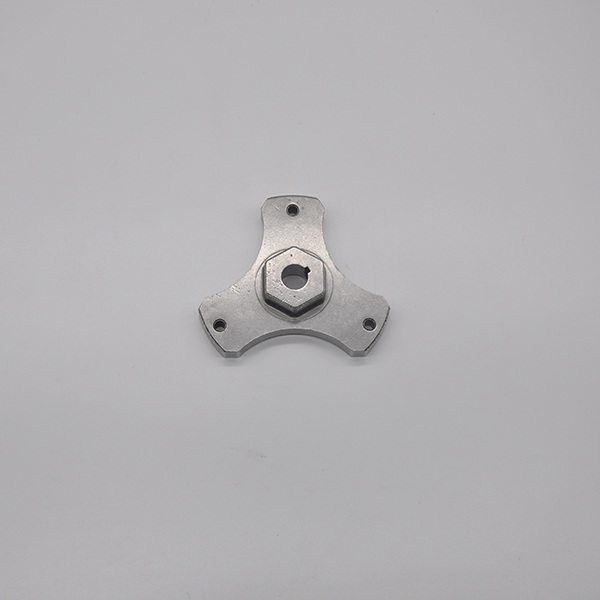
Precision Sintered Metal Power Tool Parts | OEM Solutions

Example of precision sintered components.

3. Sintering

The green compacts are then carefully transferred to a high-temperature controlled-atmosphere furnace. Sintering is a heat treatment process, typically conducted at temperatures just below the melting point of the main constituent metal. During sintering, particles bond together at their contact points through atomic diffusion, leading to a reduction in porosity and an increase in density, strength, and hardness. The controlled atmosphere (e.g., hydrogen, dissociated ammonia, or nitrogen-based gases) prevents oxidation and can facilitate carbon diffusion for hardening. This step is pivotal in achieving the required metallurgical properties of the sintered metal component.

4. Post-Sintering Operations (Secondary Operations)

After sintering, parts may undergo various secondary operations to achieve final specifications, including:

  • Sizing/Coining: A re-pressing operation to improve dimensional accuracy, reduce porosity, and enhance surface finish.
  • Heat Treatment: Processes like tempering, carburizing, or induction hardening can significantly enhance hardness, wear resistance, and fatigue strength, crucial for durable power tool part components.
  • Machining: For extremely tight tolerances or complex features not achievable directly through compaction, minor machining operations (e.g., drilling, tapping) can be performed.
  • Surface Finishing: Processes such as steam treating, plating, or impregnation with oil/resins can improve corrosion resistance, wear properties, or seal porosity.

5. Testing and Quality Control

Throughout the entire process, rigorous quality control measures are implemented. This includes raw material inspection, in-process monitoring of powder density and furnace temperatures, and comprehensive final product testing. Testing standards often include ISO 2738 (permeable sintered metal materials for structural purposes), ASTM B783 (Standard Specification for Ferrous P/M Structural Components), and ISO 9001 quality management system certifications. Key parameters tested include dimensional accuracy, density, hardness (e.g., Rockwell, Vickers), tensile strength, yield strength, impact strength, and fatigue resistance, ensuring every OEM sintered part meets stringent performance requirements.

Technical Specifications & Parameters for Sintered Alloy Parts

Sintered alloy parts, particularly those engineered for power tools, exhibit a range of critical technical specifications that dictate their suitability for demanding applications. These parameters are crucial for engineers and procurement specialists evaluating the performance and longevity of a power tool part. The table below presents typical ranges for common sintered steel alloys used in power tool components.

Typical Specifications for Sintered Steel Alloys (e.g., Fe-Cu-C, Fe-Ni-Cu-C)
Parameter Unit Typical Range Significance for Power Tools
Density g/cm³ 6.8 - 7.6 Impacts strength, weight, and porosity; higher density generally means higher strength.
Tensile Strength MPa 400 - 1200+ Resistance to fracture under tension; crucial for gears, levers, and structural components.
Yield Strength MPa 250 - 800+ Point at which plastic deformation begins; essential for parts under cyclic loading.
Hardness (Rockwell) HRB/HRC 60 HRB - 60 HRC Resistance to localized plastic deformation; critical for wear resistance in gears and cams.
Fatigue Limit (Rotating Bending) MPa 150 - 450 Ability to withstand cyclic stresses without failure; important for motor components and drive shafts.
Impact Energy (Charpy V-notch) J 5 - 30+ (for specific alloys) Resistance to sudden, forceful impacts; vital for components in impact wrenches or hammer drills.
Dimensional Tolerance (IT Grade) IT Grade IT 8 - IT 10 (post-sintering) Precision of the component's dimensions; directly affects fit and function within an assembly.

These properties can be extensively customized through alloy composition, processing parameters, and post-sintering treatments, allowing for the precise engineering of a OEM sintered part to meet even the most demanding application specifications.

Application Scenarios for Sintered Power Tool Parts

The versatility and performance characteristics of sintered metal make it an ideal material choice for a wide array of components within power tools. From the smallest drill to heavy-duty industrial grinders, sintered parts contribute significantly to functionality, durability, and cost-effectiveness.

  • Gears and Pinions: In drills, saws, and impact wrenches, sintered gears provide excellent wear resistance, high strength-to-weight ratios, and precise tooth profiles. Their near-net-shape manufacturing eliminates costly secondary machining operations, making them a preferred choice for high-volume production of intricate gear trains.
  • Cams and Levers: Essential for actuation mechanisms in various power tools, sintered cams and levers offer the necessary durability and dimensional stability for consistent operation. The ability to integrate complex shapes directly into the part reduces assembly complexity.
  • Flanges and Bushings: Used in motor assemblies and rotational components, power tool part bushings often benefit from self-lubricating properties achievable through porosity control in sintered bronze or iron, extending service life and reducing maintenance.
  • Ratchets and Pawls: For tools requiring directional control or locking mechanisms, sintered ratchets and pawls provide the required hardness and wear resistance to withstand repetitive engagement and disengagement cycles.
  • Actuators and Control Elements: From trigger components to internal locking mechanisms, sintered parts offer precise functionality and robust performance. Their ability to achieve tight tolerances and intricate designs makes them suitable for sophisticated control systems.

Across these applications, the consistent quality and tailored mechanical properties of a OEM sintered part ensure optimal performance, contributing to reduced vibration, improved power transfer, and a significantly extended service life for the end product. This makes them a superior choice compared to many traditional manufacturing methods for numerous power tool components.

Technical Advantages of Sintered Metal Power Tool Parts

The adoption of sintered metal technology for power tool part manufacturing provides a compelling array of technical and economic advantages over conventional methods such as casting, forging, or extensive machining. These benefits directly translate into superior product performance and reduced manufacturing overhead.

  • Near-Net-Shape Manufacturing: Powder metallurgy allows for the production of highly complex shapes with close dimensional tolerances, often eliminating or significantly reducing the need for costly secondary machining operations. This results in minimal material waste and lower production costs.
  • Material Efficiency: By compacting powdered metal, the process achieves material utilization rates exceeding 97%. This is a significant improvement over subtractive methods, contributing to both environmental sustainability and cost savings in raw materials.
  • Tailorable Mechanical Properties: The ability to precisely control alloy composition, density, and microstructure through the sintering process enables the engineering of components with specific mechanical properties. This includes customized strength, hardness, ductility, wear resistance, and even self-lubricating characteristics, essential for optimized power tool part performance.
  • High Precision and Repeatability: Sintering offers exceptional part-to-part consistency, which is vital for mass production where uniformity and reliability are critical. Modern presses and furnaces maintain tight control over process parameters, ensuring consistent quality across large batches of OEM sintered part components.
  • Excellent Surface Finish: Depending on post-sintering operations like sizing or surface treatment, sintered parts can achieve smooth surface finishes, reducing friction and enhancing the overall aesthetic and functional quality of the power tool.
  • Cost-Effectiveness for Volume Production: While initial tooling costs may be a consideration, for medium to high volume production, the cost per part for sintered components is often significantly lower than machined or cast parts due to reduced material waste, minimal secondary operations, and high production speeds.

Vendor Comparison for OEM Sintered Parts

Selecting the right manufacturing partner for OEM sintered part components is critical for success in the power tool industry. A comprehensive evaluation based on several key criteria ensures a reliable supply chain and high-quality components.

Key Criteria for Sintered Part Vendor Evaluation
Criterion Description Impact on Power Tool Manufacturing
Certifications & Compliance ISO 9001, IATF 16949 (if applicable), environmental compliance. Ensures consistent quality management, process control, and adherence to industry standards. Reduces risk of defects.
Material & Process Expertise In-depth knowledge of various alloys, powder metallurgy techniques, and post-sintering treatments. Ability to recommend optimal materials and processes for specific power tool part requirements, enhancing performance and longevity.
Engineering & Design Support Collaborative design for manufacturability (DFM), prototyping capabilities, simulation tools. Accelerates product development, optimizes designs for cost and performance, avoids costly re-tooling.
Quality Control & Testing Robust inspection protocols, in-house testing labs (dimensional, mechanical, metallurgical). Guarantees consistent product quality, meets specifications, and minimizes field failures for the sintered metal component.
Production Capacity & Lead Time Ability to scale production, consistent delivery schedules, efficient logistics. Ensures timely supply for high-volume manufacturing, reduces inventory holding costs, and avoids production bottlenecks.

Partnering with a vendor possessing strong technical expertise and a proven track record is paramount. Our extensive experience in advanced sintered metal solutions and adherence to global standards make us a trusted partner for critical power tool components.

Customized Solutions for Sintered Power Tool Parts

The unique demands of modern power tools often require components that go beyond standard off-the-shelf specifications. Customization is a cornerstone of our service, allowing power tool manufacturers to develop bespoke OEM sintered part solutions that perfectly integrate with their innovative designs and performance objectives.

Our approach to customized power tool part solutions encompasses several stages:

  • Collaborative Design & Engineering: Our team of metallurgical and mechanical engineers works closely with client R&D departments from concept to final production. Utilizing advanced CAD/CAE tools, we optimize designs for powder metallurgy, ensuring manufacturability, cost-efficiency, and peak performance.
  • Material Formulation: We develop proprietary alloy compositions or modify existing ones to meet specific requirements for strength, wear resistance, impact energy, or corrosion resistance. This could involve specialized blends of iron, copper, nickel, and carbon, or advanced stainless steel formulations tailored for the operational environment of a specific sintered metal component.
  • Process Optimization: Fine-tuning compaction pressures, sintering temperatures, atmospheres, and post-sintering treatments (e.g., heat treatment, steam treatment, impregnation) allows for precise control over the final component's density, porosity, and mechanical properties.
  • Prototyping & Validation: Before full-scale production, we offer rapid prototyping services, allowing for physical evaluation and rigorous testing of custom power tool part designs. This iterative process ensures that the final component meets all functional and performance criteria.
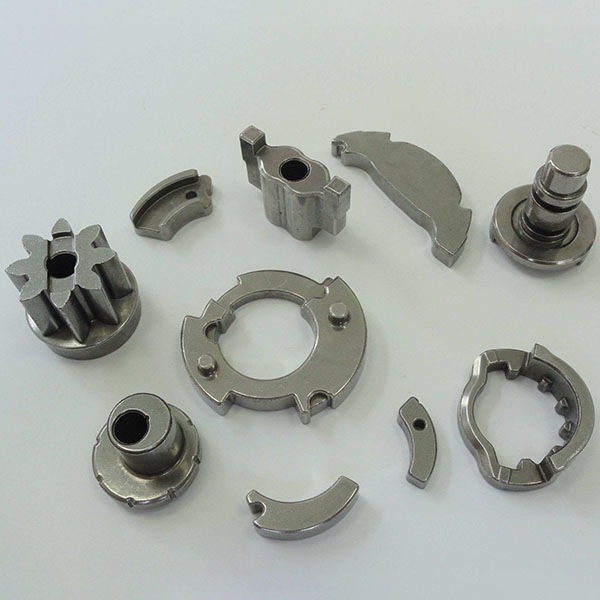
Precision Sintered Metal Power Tool Parts | OEM Solutions

Custom-engineered sintered components for power tool applications.

Our commitment to customized solutions empowers power tool manufacturers to achieve differentiated products, improve operational efficiency, and gain a competitive edge in a dynamic market.

Application Case Studies: Sintered Power Tool Parts in Action

Real-world applications demonstrate the tangible benefits of incorporating sintered metal components into power tools. These case studies highlight improved performance, cost savings, and enhanced product reliability.

Case Study 1: High-Performance Cordless Drill Gearbox

A leading manufacturer of cordless drills sought to improve the durability and efficiency of their gearbox assembly while reducing manufacturing costs. Traditional machining of small, complex gears resulted in high material waste and extended production times. By transitioning to a power tool part solution using sintered alloy steel (Fe-Ni-Mo-C), they achieved a superior outcome.

  • Challenge: Produce intricate planetary gears and pinions with high wear resistance, precise tooth profiles, and minimal cost.
  • Solution: Customized sintered alloy gears with specific heat treatment and surface densification.
  • Results:
    • Increased gear wear life by 35% compared to previous designs.
    • Reduced overall component cost by 20% due to near-net-shape manufacturing and reduced machining.
    • Improved power transfer efficiency by 5%, leading to longer battery life for cordless tools.
    • Achieved superior noise and vibration characteristics in the gearbox.

Case Study 2: Impact Wrench Hammer Case Component

An OEM sintered part specialist collaborated with a power tool brand to re-engineer a critical component within an industrial-grade impact wrench's hammer mechanism. This component required exceptional impact strength and fatigue resistance under repetitive, high-stress conditions.

  • Challenge: Design a complex internal component with superior toughness and resilience to high-frequency impacts, integrating multiple features into a single part.
  • Solution: Developed a high-density, heat-treated sintered steel alloy part, precisely engineered to absorb and distribute impact forces.
  • Results:
    • Increased the component's service life by over 50%, significantly reducing warranty claims.
    • Consolidated multiple previously machined components into a single sintered metal part, simplifying assembly and reducing part count.
    • Maintained precise dimensional control, ensuring consistent impact performance and reduced internal friction.
    • Achieved a 15% reduction in production weight, contributing to a lighter, more ergonomic tool.

Frequently Asked Questions (FAQ) about Sintered Power Tool Parts

Q: What are the primary material advantages of sintered metal parts for power tools?

A: Sintered parts offer exceptional wear resistance, high strength, and the ability to achieve complex geometries without extensive machining. They can also be customized for specific properties like impact strength, fatigue resistance, and even self-lubrication, making them ideal for the rigorous demands of a power tool part.

Q: How does the lead time for OEM sintered part components compare to traditional manufacturing methods?

A: While initial tooling for sintering can take a few weeks, once tooling is established, the production cycle for sintered parts is often significantly faster than traditional machining, casting, or forging, especially for high-volume orders. This allows for quicker ramp-up and more agile supply chain management.

Q: Can sintered parts be heat-treated for additional hardness or strength?

A: Yes, absolutely. Sintered steel parts are highly amenable to various heat treatment processes, including carburizing, induction hardening, and tempering. These post-sintering treatments are crucial for achieving optimal hardness, case depth, and core toughness required for high-performance power tool part applications.

Q: What are the typical tolerance capabilities for sintered components?

A: Without secondary operations, sintered parts typically achieve ISO IT Grades 8-10. With processes like sizing/coining or light machining, tolerances can be significantly tightened, reaching IT Grades 6-7, which is sufficient for many precision applications within power tools. Specific tolerances depend on part geometry, material, and post-sintering operations.

Lead Time, Warranty, and After-Sales Support

Understanding the logistical and support aspects is as critical as evaluating the technical merits of a component. Our commitment extends beyond manufacturing a superior sintered metal solution.

  • Lead Time: For new projects, initial tooling and prototype development typically range from 6-10 weeks, depending on complexity. Once approved, standard production lead times for established OEM sintered part orders usually fall within 3-5 weeks, optimized through efficient production planning and robust supply chain management. Expedited options may be available for critical requirements.
  • Warranty: We stand behind the quality of our power tool part components with a comprehensive warranty against defects in material and workmanship. Our warranty terms are designed to provide peace of mind and are fully compliant with industry standards, ensuring the reliability expected from a premium component supplier.
  • Customer Support: Our dedicated after-sales support team provides ongoing technical assistance, troubleshooting, and logistical support. We believe in building long-term partnerships, offering expert advice, and ensuring seamless integration of our sintered parts into your power tool production lines. This commitment to service underpins our reputation for trustworthiness and reliability.

Conclusion

The continuous evolution of power tool technology demands components that are not only robust and reliable but also cost-effective and precisely engineered. Sintered metal technology, particularly in the form of custom OEM sintered part solutions, consistently delivers on these requirements. By offering superior material properties, intricate geometries, and significant manufacturing efficiencies, sintered parts are poised to remain at the forefront of power tool component innovation. Partnering with an experienced and authoritative supplier ensures access to cutting-edge technology, expert engineering support, and a commitment to quality that translates directly into enhanced product performance and market success for every power tool part.

References

  1. German, R.M. (2014). Powder Metallurgy and Particulate Materials Processing. Metal Powder Industries Federation.
  2. ASM Handbook, Vol. 7: Powder Metallurgy (1998). ASM International.
  3. European Powder Metallurgy Association (EPMA) Technical Publications.

2025.09.08

Industry Trends in High-Performance Components

The power tool industry is undergoing a significant transformation, driven by demands for increased efficiency, durability, and ergonomic design. Manufacturers are continuously seeking advanced materials and production methodologies to enhance product performance and reduce overall costs. In this landscape, the role of precision-engineered components is paramount. Specifically, the adoption of power tool part solutions manufactured through powder metallurgy (PM) is rapidly expanding. This segment of manufacturing, focusing on sintered metal, offers unparalleled advantages in producing complex geometries with exceptional mechanical properties, which are critical for the demanding operational environments of modern power tools.

Current trends indicate a strong move towards lightweighting, improved power-to-weight ratios, and extended service life for power tools. This necessitates components that can withstand high stresses, abrasions, and fatigue while maintaining precise dimensions. The market for OEM sintered part components is growing, fueled by the ability of powder metallurgy to deliver components with tailored material characteristics, superior surface finishes, and consistent quality at high production volumes. This shift enables tool manufacturers to innovate faster and bring more robust, efficient products to market.

Detailed Manufacturing Process of a Sintered Power Tool Part

The production of a high-quality power tool part through sintering involves several meticulously controlled stages, beginning with powder preparation and culminating in final finishing. This process ensures precise dimensional accuracy and optimized material properties, critical for the rigorous demands placed on power tool components.

1. Powder Preparation and Mixing

The journey begins with the selection of high-purity metal powders, often iron-based alloys, stainless steels, or specialty alloys, tailored to the specific application requirements of the sintered metal part. These powders, characterized by their particle size distribution, shape, and chemical composition, are precisely weighed and blended with alloying elements (e.g., carbon, nickel, copper, molybdenum) and lubricants. The lubricant is crucial for reducing friction during compaction and improving the flowability of the powder. Homogeneity in mixing is critical to ensure consistent mechanical properties in the final component.

2. Compaction (Pressing)

The blended powder is fed into a rigid die cavity, designed to match the final shape of the power tool part. High-tonnage presses then apply significant pressure, typically between 300 to 1000 MPa, to compact the powder. This process forms a "green compact" – a fragile, yet structurally coherent, part held together by mechanical interlocking of particles. The density achieved at this stage, known as "green density," is a critical parameter, directly influencing the final sintered density and mechanical strength. Advanced compaction techniques, such as multi-level pressing, enable the creation of complex geometries with varying densities, crucial for intricate OEM sintered part designs.

power tool part

Example of precision sintered components.

3. Sintering

The green compacts are then carefully transferred to a high-temperature controlled-atmosphere furnace. Sintering is a heat treatment process, typically conducted at temperatures just below the melting point of the main constituent metal. During sintering, particles bond together at their contact points through atomic diffusion, leading to a reduction in porosity and an increase in density, strength, and hardness. The controlled atmosphere (e.g., hydrogen, dissociated ammonia, or nitrogen-based gases) prevents oxidation and can facilitate carbon diffusion for hardening. This step is pivotal in achieving the required metallurgical properties of the sintered metal component.

4. Post-Sintering Operations (Secondary Operations)

After sintering, parts may undergo various secondary operations to achieve final specifications, including:

  • Sizing/Coining: A re-pressing operation to improve dimensional accuracy, reduce porosity, and enhance surface finish.
  • Heat Treatment: Processes like tempering, carburizing, or induction hardening can significantly enhance hardness, wear resistance, and fatigue strength, crucial for durable power tool part components.
  • Machining: For extremely tight tolerances or complex features not achievable directly through compaction, minor machining operations (e.g., drilling, tapping) can be performed.
  • Surface Finishing: Processes such as steam treating, plating, or impregnation with oil/resins can improve corrosion resistance, wear properties, or seal porosity.

5. Testing and Quality Control

Throughout the entire process, rigorous quality control measures are implemented. This includes raw material inspection, in-process monitoring of powder density and furnace temperatures, and comprehensive final product testing. Testing standards often include ISO 2738 (permeable sintered metal materials for structural purposes), ASTM B783 (Standard Specification for Ferrous P/M Structural Components), and ISO 9001 quality management system certifications. Key parameters tested include dimensional accuracy, density, hardness (e.g., Rockwell, Vickers), tensile strength, yield strength, impact strength, and fatigue resistance, ensuring every OEM sintered part meets stringent performance requirements.

Technical Specifications & Parameters for Sintered Alloy Parts

Sintered alloy parts, particularly those engineered for power tools, exhibit a range of critical technical specifications that dictate their suitability for demanding applications. These parameters are crucial for engineers and procurement specialists evaluating the performance and longevity of a power tool part. The table below presents typical ranges for common sintered steel alloys used in power tool components.

Typical Specifications for Sintered Steel Alloys (e.g., Fe-Cu-C, Fe-Ni-Cu-C)
Parameter Unit Typical Range Significance for Power Tools
Density g/cm³ 6.8 - 7.6 Impacts strength, weight, and porosity; higher density generally means higher strength.
Tensile Strength MPa 400 - 1200+ Resistance to fracture under tension; crucial for gears, levers, and structural components.
Yield Strength MPa 250 - 800+ Point at which plastic deformation begins; essential for parts under cyclic loading.
Hardness (Rockwell) HRB/HRC 60 HRB - 60 HRC Resistance to localized plastic deformation; critical for wear resistance in gears and cams.
Fatigue Limit (Rotating Bending) MPa 150 - 450 Ability to withstand cyclic stresses without failure; important for motor components and drive shafts.
Impact Energy (Charpy V-notch) J 5 - 30+ (for specific alloys) Resistance to sudden, forceful impacts; vital for components in impact wrenches or hammer drills.
Dimensional Tolerance (IT Grade) IT Grade IT 8 - IT 10 (post-sintering) Precision of the component's dimensions; directly affects fit and function within an assembly.

These properties can be extensively customized through alloy composition, processing parameters, and post-sintering treatments, allowing for the precise engineering of a OEM sintered part to meet even the most demanding application specifications.

Application Scenarios for Sintered Power Tool Parts

The versatility and performance characteristics of sintered metal make it an ideal material choice for a wide array of components within power tools. From the smallest drill to heavy-duty industrial grinders, sintered parts contribute significantly to functionality, durability, and cost-effectiveness.

  • Gears and Pinions: In drills, saws, and impact wrenches, sintered gears provide excellent wear resistance, high strength-to-weight ratios, and precise tooth profiles. Their near-net-shape manufacturing eliminates costly secondary machining operations, making them a preferred choice for high-volume production of intricate gear trains.
  • Cams and Levers: Essential for actuation mechanisms in various power tools, sintered cams and levers offer the necessary durability and dimensional stability for consistent operation. The ability to integrate complex shapes directly into the part reduces assembly complexity.
  • Flanges and Bushings: Used in motor assemblies and rotational components, power tool part bushings often benefit from self-lubricating properties achievable through porosity control in sintered bronze or iron, extending service life and reducing maintenance.
  • Ratchets and Pawls: For tools requiring directional control or locking mechanisms, sintered ratchets and pawls provide the required hardness and wear resistance to withstand repetitive engagement and disengagement cycles.
  • Actuators and Control Elements: From trigger components to internal locking mechanisms, sintered parts offer precise functionality and robust performance. Their ability to achieve tight tolerances and intricate designs makes them suitable for sophisticated control systems.

Across these applications, the consistent quality and tailored mechanical properties of a OEM sintered part ensure optimal performance, contributing to reduced vibration, improved power transfer, and a significantly extended service life for the end product. This makes them a superior choice compared to many traditional manufacturing methods for numerous power tool components.

Technical Advantages of Sintered Metal Power Tool Parts

The adoption of sintered metal technology for power tool part manufacturing provides a compelling array of technical and economic advantages over conventional methods such as casting, forging, or extensive machining. These benefits directly translate into superior product performance and reduced manufacturing overhead.

  • Near-Net-Shape Manufacturing: Powder metallurgy allows for the production of highly complex shapes with close dimensional tolerances, often eliminating or significantly reducing the need for costly secondary machining operations. This results in minimal material waste and lower production costs.
  • Material Efficiency: By compacting powdered metal, the process achieves material utilization rates exceeding 97%. This is a significant improvement over subtractive methods, contributing to both environmental sustainability and cost savings in raw materials.
  • Tailorable Mechanical Properties: The ability to precisely control alloy composition, density, and microstructure through the sintering process enables the engineering of components with specific mechanical properties. This includes customized strength, hardness, ductility, wear resistance, and even self-lubricating characteristics, essential for optimized power tool part performance.
  • High Precision and Repeatability: Sintering offers exceptional part-to-part consistency, which is vital for mass production where uniformity and reliability are critical. Modern presses and furnaces maintain tight control over process parameters, ensuring consistent quality across large batches of OEM sintered part components.
  • Excellent Surface Finish: Depending on post-sintering operations like sizing or surface treatment, sintered parts can achieve smooth surface finishes, reducing friction and enhancing the overall aesthetic and functional quality of the power tool.
  • Cost-Effectiveness for Volume Production: While initial tooling costs may be a consideration, for medium to high volume production, the cost per part for sintered components is often significantly lower than machined or cast parts due to reduced material waste, minimal secondary operations, and high production speeds.

Vendor Comparison for OEM Sintered Parts

Selecting the right manufacturing partner for OEM sintered part components is critical for success in the power tool industry. A comprehensive evaluation based on several key criteria ensures a reliable supply chain and high-quality components.

Key Criteria for Sintered Part Vendor Evaluation
Criterion Description Impact on Power Tool Manufacturing
Certifications & Compliance ISO 9001, IATF 16949 (if applicable), environmental compliance. Ensures consistent quality management, process control, and adherence to industry standards. Reduces risk of defects.
Material & Process Expertise In-depth knowledge of various alloys, powder metallurgy techniques, and post-sintering treatments. Ability to recommend optimal materials and processes for specific power tool part requirements, enhancing performance and longevity.
Engineering & Design Support Collaborative design for manufacturability (DFM), prototyping capabilities, simulation tools. Accelerates product development, optimizes designs for cost and performance, avoids costly re-tooling.
Quality Control & Testing Robust inspection protocols, in-house testing labs (dimensional, mechanical, metallurgical). Guarantees consistent product quality, meets specifications, and minimizes field failures for the sintered metal component.
Production Capacity & Lead Time Ability to scale production, consistent delivery schedules, efficient logistics. Ensures timely supply for high-volume manufacturing, reduces inventory holding costs, and avoids production bottlenecks.

Partnering with a vendor possessing strong technical expertise and a proven track record is paramount. Our extensive experience in advanced sintered metal solutions and adherence to global standards make us a trusted partner for critical power tool components.

Customized Solutions for Sintered Power Tool Parts

The unique demands of modern power tools often require components that go beyond standard off-the-shelf specifications. Customization is a cornerstone of our service, allowing power tool manufacturers to develop bespoke OEM sintered part solutions that perfectly integrate with their innovative designs and performance objectives.

Our approach to customized power tool part solutions encompasses several stages:

  • Collaborative Design & Engineering: Our team of metallurgical and mechanical engineers works closely with client R&D departments from concept to final production. Utilizing advanced CAD/CAE tools, we optimize designs for powder metallurgy, ensuring manufacturability, cost-efficiency, and peak performance.
  • Material Formulation: We develop proprietary alloy compositions or modify existing ones to meet specific requirements for strength, wear resistance, impact energy, or corrosion resistance. This could involve specialized blends of iron, copper, nickel, and carbon, or advanced stainless steel formulations tailored for the operational environment of a specific sintered metal component.
  • Process Optimization: Fine-tuning compaction pressures, sintering temperatures, atmospheres, and post-sintering treatments (e.g., heat treatment, steam treatment, impregnation) allows for precise control over the final component's density, porosity, and mechanical properties.
  • Prototyping & Validation: Before full-scale production, we offer rapid prototyping services, allowing for physical evaluation and rigorous testing of custom power tool part designs. This iterative process ensures that the final component meets all functional and performance criteria.
power tool part

Custom-engineered sintered components for power tool applications.

Our commitment to customized solutions empowers power tool manufacturers to achieve differentiated products, improve operational efficiency, and gain a competitive edge in a dynamic market.

Application Case Studies: Sintered Power Tool Parts in Action

Real-world applications demonstrate the tangible benefits of incorporating sintered metal components into power tools. These case studies highlight improved performance, cost savings, and enhanced product reliability.

Case Study 1: High-Performance Cordless Drill Gearbox

A leading manufacturer of cordless drills sought to improve the durability and efficiency of their gearbox assembly while reducing manufacturing costs. Traditional machining of small, complex gears resulted in high material waste and extended production times. By transitioning to a power tool part solution using sintered alloy steel (Fe-Ni-Mo-C), they achieved a superior outcome.

  • Challenge: Produce intricate planetary gears and pinions with high wear resistance, precise tooth profiles, and minimal cost.
  • Solution: Customized sintered alloy gears with specific heat treatment and surface densification.
  • Results:
    • Increased gear wear life by 35% compared to previous designs.
    • Reduced overall component cost by 20% due to near-net-shape manufacturing and reduced machining.
    • Improved power transfer efficiency by 5%, leading to longer battery life for cordless tools.
    • Achieved superior noise and vibration characteristics in the gearbox.

Case Study 2: Impact Wrench Hammer Case Component

An OEM sintered part specialist collaborated with a power tool brand to re-engineer a critical component within an industrial-grade impact wrench's hammer mechanism. This component required exceptional impact strength and fatigue resistance under repetitive, high-stress conditions.

  • Challenge: Design a complex internal component with superior toughness and resilience to high-frequency impacts, integrating multiple features into a single part.
  • Solution: Developed a high-density, heat-treated sintered steel alloy part, precisely engineered to absorb and distribute impact forces.
  • Results:
    • Increased the component's service life by over 50%, significantly reducing warranty claims.
    • Consolidated multiple previously machined components into a single sintered metal part, simplifying assembly and reducing part count.
    • Maintained precise dimensional control, ensuring consistent impact performance and reduced internal friction.
    • Achieved a 15% reduction in production weight, contributing to a lighter, more ergonomic tool.

Frequently Asked Questions (FAQ) about Sintered Power Tool Parts

Q: What are the primary material advantages of sintered metal parts for power tools?

A: Sintered parts offer exceptional wear resistance, high strength, and the ability to achieve complex geometries without extensive machining. They can also be customized for specific properties like impact strength, fatigue resistance, and even self-lubrication, making them ideal for the rigorous demands of a power tool part.

Q: How does the lead time for OEM sintered part components compare to traditional manufacturing methods?

A: While initial tooling for sintering can take a few weeks, once tooling is established, the production cycle for sintered parts is often significantly faster than traditional machining, casting, or forging, especially for high-volume orders. This allows for quicker ramp-up and more agile supply chain management.

Q: Can sintered parts be heat-treated for additional hardness or strength?

A: Yes, absolutely. Sintered steel parts are highly amenable to various heat treatment processes, including carburizing, induction hardening, and tempering. These post-sintering treatments are crucial for achieving optimal hardness, case depth, and core toughness required for high-performance power tool part applications.

Q: What are the typical tolerance capabilities for sintered components?

A: Without secondary operations, sintered parts typically achieve ISO IT Grades 8-10. With processes like sizing/coining or light machining, tolerances can be significantly tightened, reaching IT Grades 6-7, which is sufficient for many precision applications within power tools. Specific tolerances depend on part geometry, material, and post-sintering operations.

Lead Time, Warranty, and After-Sales Support

Understanding the logistical and support aspects is as critical as evaluating the technical merits of a component. Our commitment extends beyond manufacturing a superior sintered metal solution.

  • Lead Time: For new projects, initial tooling and prototype development typically range from 6-10 weeks, depending on complexity. Once approved, standard production lead times for established OEM sintered part orders usually fall within 3-5 weeks, optimized through efficient production planning and robust supply chain management. Expedited options may be available for critical requirements.
  • Warranty: We stand behind the quality of our power tool part components with a comprehensive warranty against defects in material and workmanship. Our warranty terms are designed to provide peace of mind and are fully compliant with industry standards, ensuring the reliability expected from a premium component supplier.
  • Customer Support: Our dedicated after-sales support team provides ongoing technical assistance, troubleshooting, and logistical support. We believe in building long-term partnerships, offering expert advice, and ensuring seamless integration of our sintered parts into your power tool production lines. This commitment to service underpins our reputation for trustworthiness and reliability.

Conclusion

The continuous evolution of power tool technology demands components that are not only robust and reliable but also cost-effective and precisely engineered. Sintered metal technology, particularly in the form of custom OEM sintered part solutions, consistently delivers on these requirements. By offering superior material properties, intricate geometries, and significant manufacturing efficiencies, sintered parts are poised to remain at the forefront of power tool component innovation. Partnering with an experienced and authoritative supplier ensures access to cutting-edge technology, expert engineering support, and a commitment to quality that translates directly into enhanced product performance and market success for every power tool part.

References

  1. German, R.M. (2014). Powder Metallurgy and Particulate Materials Processing. Metal Powder Industries Federation.
  2. ASM Handbook, Vol. 7: Powder Metallurgy (1998). ASM International.
  3. European Powder Metallurgy Association (EPMA) Technical Publications.

If you are interested in our products, you can choose to leave your information here, and we will be in touch with you shortly.


If you are interested in our products, you can choose to leave your information here, and we will be in touch with you shortly.




