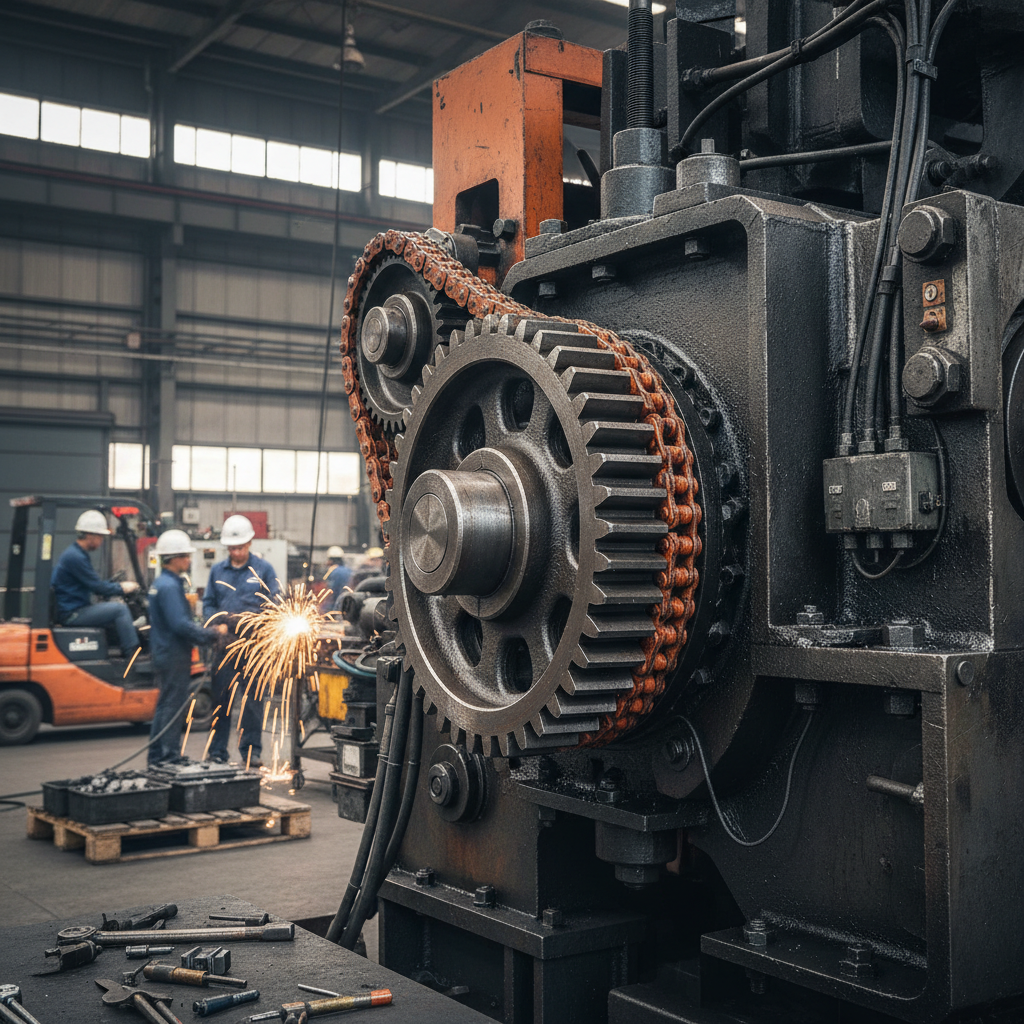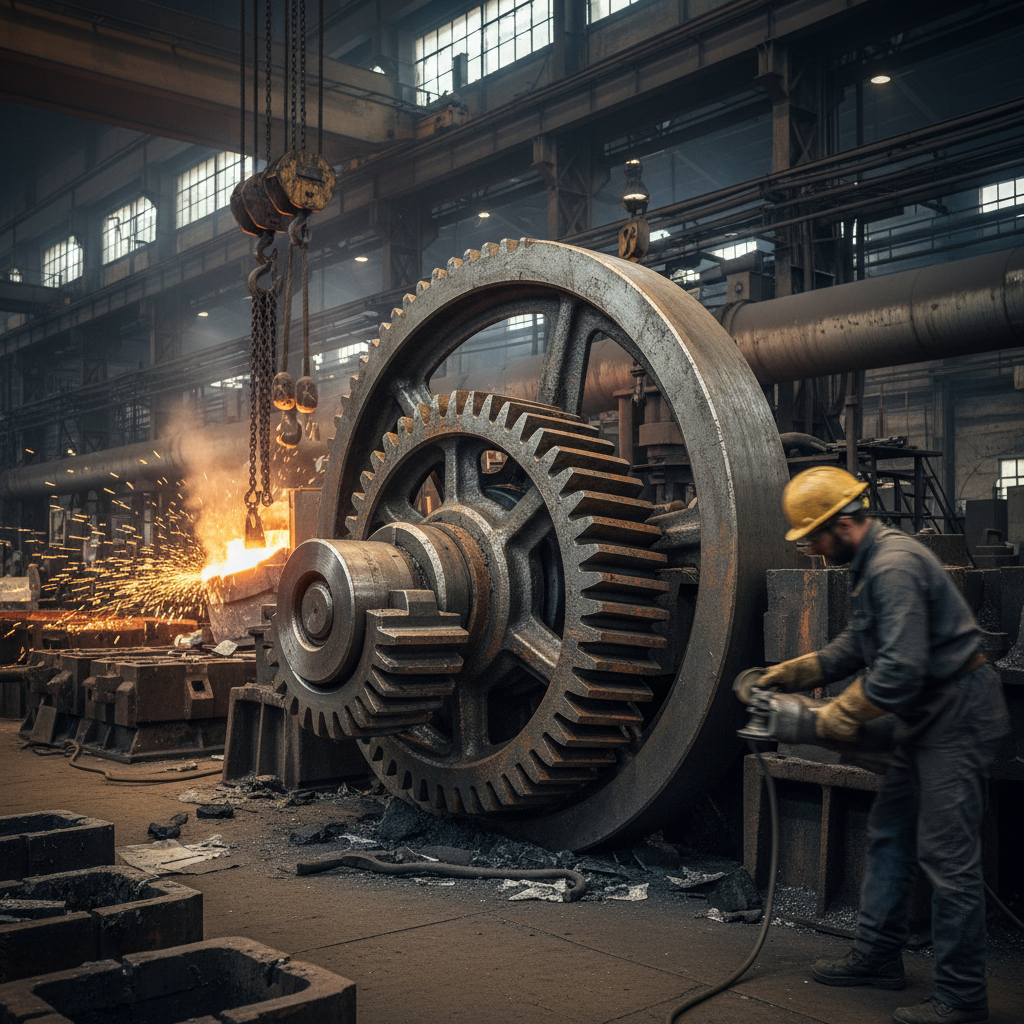





In the evolving world of mechanical innovation and industrial precision, the foundation of any reliable assembly lies in its structural part integrity and material quality. From automotive frames to security mechanisms and industrial tooling, selecting the right components like lock hardware, Sintered Iron Parts, and customized OEM metal parts can dramatically impact performance, safety, and cost efficiency. Whether you are an engineer, procurement manager, or product designer, understanding how these elements function together is key to elevating your manufacturing quality.
High-Performance Structural Part Applications Across Industries
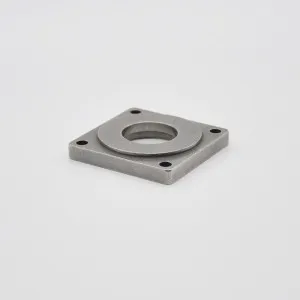
A structural part serves as a core element in mechanical design, providing essential load-bearing, alignment, or frame support to larger assemblies. These parts are often designed to withstand high stress, environmental exposure, and fatigue over time. In the automotive industry, for example, structural parts include suspension components, chassis rails, brackets, and control arms. These must deliver both light weight and high strength, often relying on materials like aluminum alloys or sintered steel. In construction and heavy machinery, beams, plates, and gussets fall under this category — with a premium placed on durability and corrosion resistance.
In electronics and robotics, micro-scale structural parts help position and align moving components precisely. These might include mounts, housings, or interlocking frames. Across these sectors, precision casting, forging, or powder metallurgy is often used to manufacture these parts to tight tolerances. When engineered with the right materials and processes, structural components ensure long service life, minimal maintenance, and enhanced safety. The rise of CAD-driven design and CNC machining also allows for the mass customization of these critical pieces, letting manufacturers create custom fits while retaining scalability.
The Role of Lock Hardware in Modern Security Systems
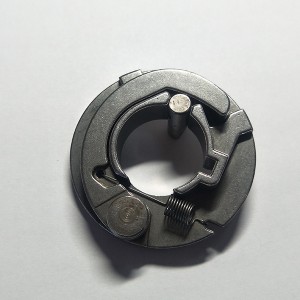
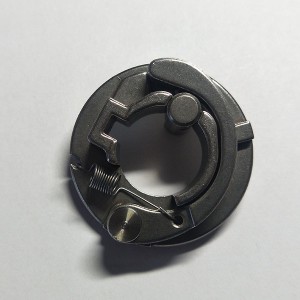
Whether protecting your front door or securing industrial machinery, lock hardware is a fundamental part of today’s security landscape. From traditional mechanical locks to sophisticated smart-lock systems, the hardware behind every locking mechanism must be rugged, tamper-proof, and wear-resistant. Key components include lock cylinders, strike plates, latch bolts, escutcheons, and reinforcement plates — all of which must interact smoothly and consistently over tens of thousands of cycles. Materials like stainless steel and Sintered Iron Parts are commonly used due to their strength and ability to be precisely shaped.
In residential applications, aesthetic appeal matters as much as performance. This is where surface treatments like chrome plating, powder coating, or anodizing come in. In contrast, commercial-grade lock hardware demands ANSI or EN certification and resistance to prying, drilling, or corrosion. Thanks to advances in metal forming and die-casting, modern lock parts can now be made lighter, more secure, and more cost-effective than ever before. Integrating biometric sensors or wireless modules with mechanical lock bodies further illustrates the demand for precision, reliability, and innovative engineering.
Why Sintered Iron Parts Dominate the Mechanical Component Market
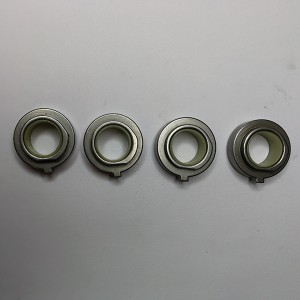
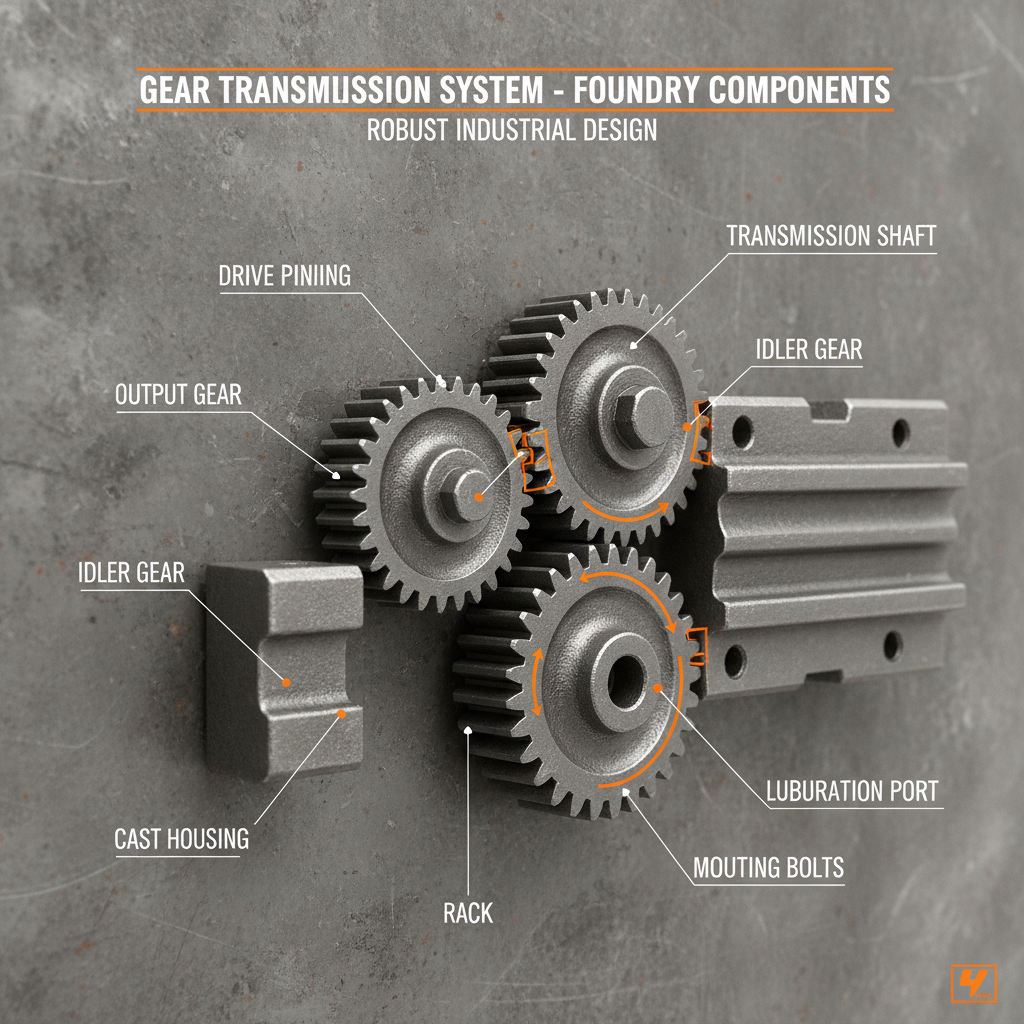
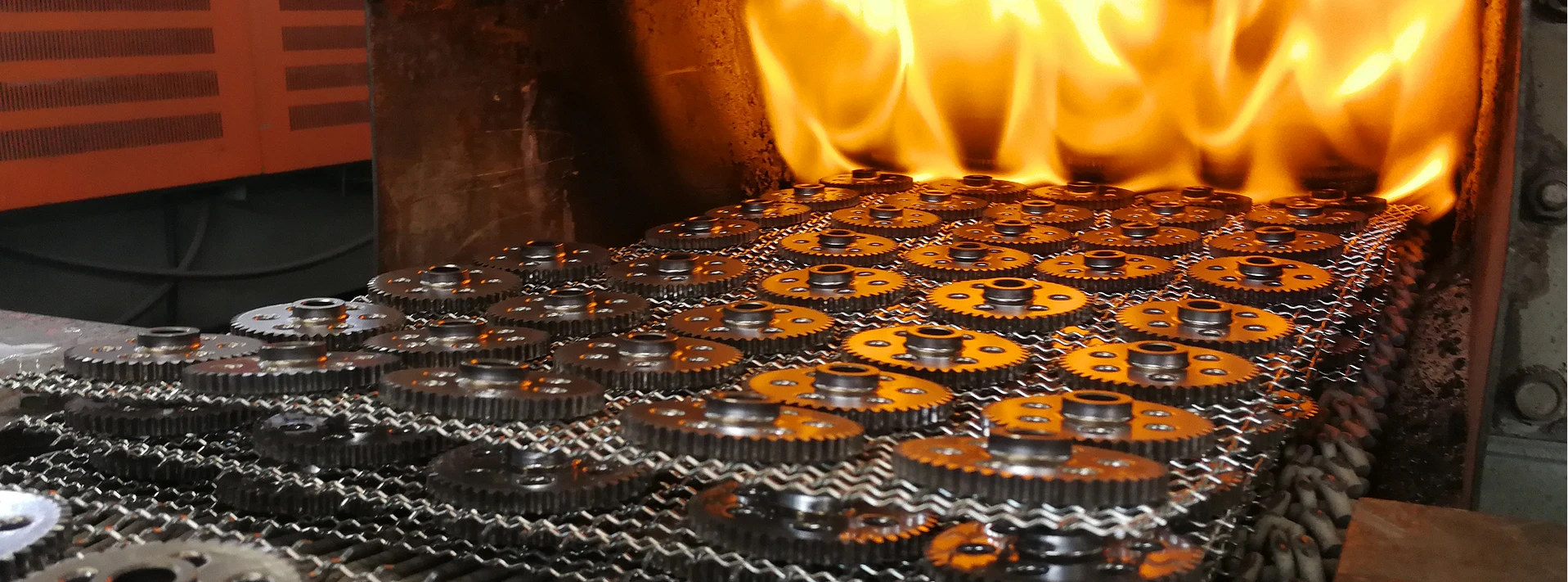
When it comes to producing high-strength, high-volume mechanical components, Sintered Iron Parts stand at the forefront of efficiency and functionality. The sintering process involves pressing metal powders into a mold, then heating them just below their melting point to fuse the particles. This yields dense, precision-shaped parts with excellent structural integrity and minimal waste. Applications range from gear wheels, cams, and clutch hubs in the automotive industry, to bushings, sprockets, and locking systems in heavy equipment and appliances.
What sets Sintered Iron Parts apart is their ability to be customized in terms of porosity, hardness, and surface finish. Engineers can even include lubricants or secondary materials during compaction for enhanced functionality. These parts are ideal for mass production, offering tighter tolerances and consistent quality with lower tooling costs. They also outperform many cast or machined parts in terms of energy efficiency, since the process uses less raw material and generates minimal scrap. For OEMs seeking to optimize both price and performance, sintered parts offer an unbeatable balance of strength, precision, and design freedom.
Why OEM Metal Parts Are the Backbone of Custom Engineering
Custom manufacturing is becoming the norm across automotive, aerospace, consumer electronics, and industrial automation. That’s where OEM metal parts take center stage. Unlike standard components, OEM metal parts are made according to specific client designs, offering perfect fit, function, and finish. These parts range from structural housings and valve bodies to precision hinges, levers, and handles. They are often engineered using materials like stainless steel, carbon steel, brass, and advanced alloys to match environmental and mechanical demands.
The beauty of OEM metal parts lies in their flexibility. With access to multiple fabrication techniques — such as CNC machining, laser cutting, metal stamping, forging, and powder metallurgy — manufacturers can scale custom designs quickly while maintaining quality. OEM production also enables traceability and process control. Parts can be serialized, surface-treated, or even assembled with sensors and fasteners before delivery. For companies looking to improve product reliability, enhance branding, or streamline their assembly processes, partnering with an experienced OEM metal manufacturer brings immense value.
Choosing the Right Supplier for Structural and OEM Metal Components
Whether you’re sourcing lock hardware, Sintered Iron Parts, or a specialized structural part, selecting the right supplier is vital. Look for a manufacturer that provides end-to-end capabilities, from prototyping and mold creation to mass production and surface finishing. A trusted partner should have international certifications such as ISO9001, IATF16949, or CE compliance, demonstrating their commitment to quality and safety. Transparency also matters. Suppliers should provide detailed drawings, 3D models, quality reports, and shipping updates. Most importantly, their customer service should be technically fluent and responsive.
For OEM metal parts, it’s crucial that your supplier understands both your industry and your product requirements. Whether you're producing 100 or 100,000 parts, consistent tolerances and defect-free production will define your success. Strong communication, an engineering-oriented mindset, and agile production capacity should guide your decision. Look for a manufacturer with a proven portfolio in your sector — whether automotive, industrial machinery, or electronics. In a market where speed, precision, and reliability matter more than ever, the right supplier becomes your competitive edge.
OEM Structural Parts FAQs
What is the advantage of using sintered iron parts over traditional cast parts?
Sintered Iron Parts offer improved dimensional accuracy, reduced material waste, and the ability to produce complex geometries without extensive machining. They're ideal for mass production where uniformity and cost-efficiency are essential. Their mechanical properties can also be tailored through alloy selection and sintering parameters.
Can OEM metal parts be produced in small batches?
Yes, many suppliers specialize in both prototyping and low-volume production of OEM metal parts. This allows startups or R&D teams to validate designs before committing to full-scale manufacturing. Advanced tooling and CNC technologies make low-volume runs economical and flexible.
What makes high-quality lock hardware different from low-cost alternatives?
High-quality lock hardware is manufactured with superior materials like brass or stainless steel, offering better resistance to wear, corrosion, and forced entry. It’s also tested under international standards for durability, safety, and environmental exposure, ensuring long-term reliability and security.
How can I ensure that a structural part meets engineering safety standards?
Verify that your structural part supplier follows global quality certifications and uses appropriate materials for load-bearing applications. Request tensile strength data, material certificates, and simulation results where applicable. Proper design validation and fatigue testing are also crucial.
Are OEM metal parts more expensive than standard parts?
Not always. While custom tooling may involve initial costs, OEM metal parts often reduce assembly time, improve performance, and lower warranty claims. Over time, the investment pays off through better product integration, brand reputation, and customer satisfaction.