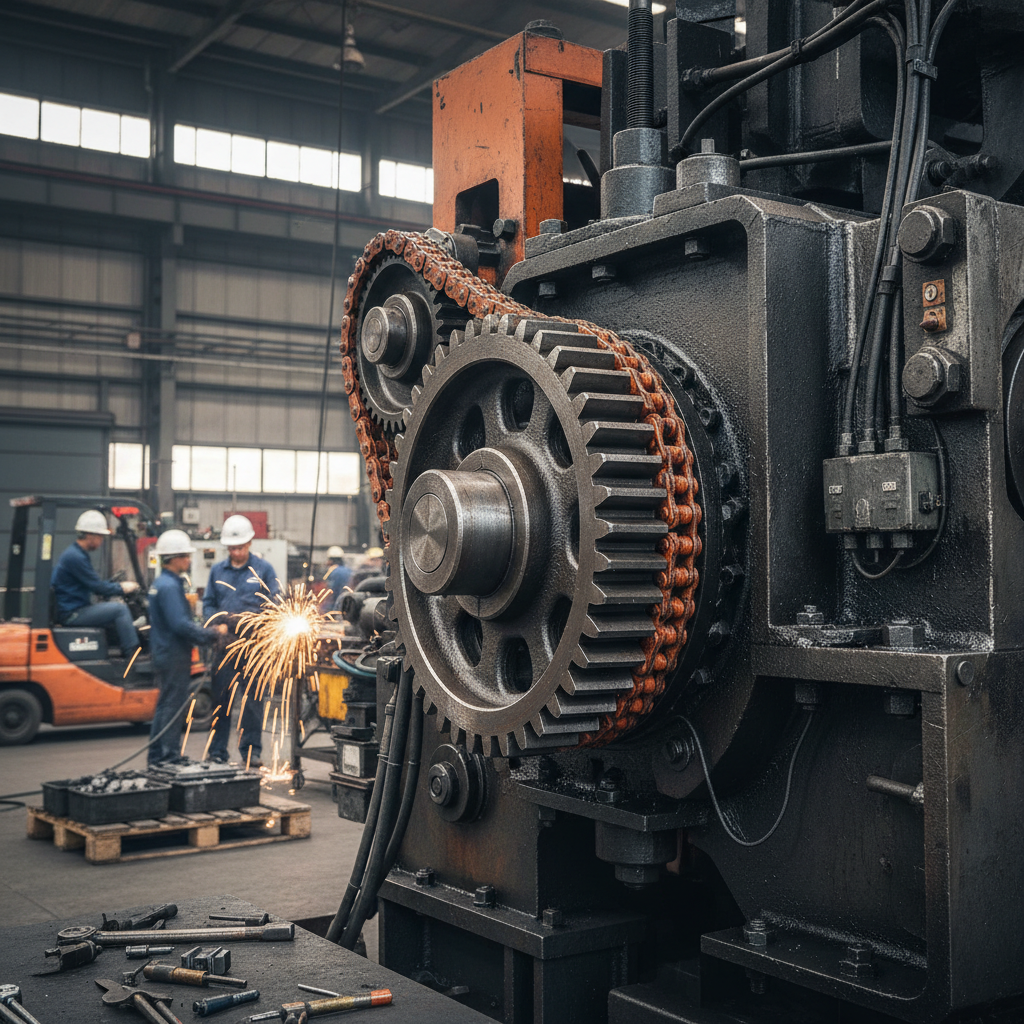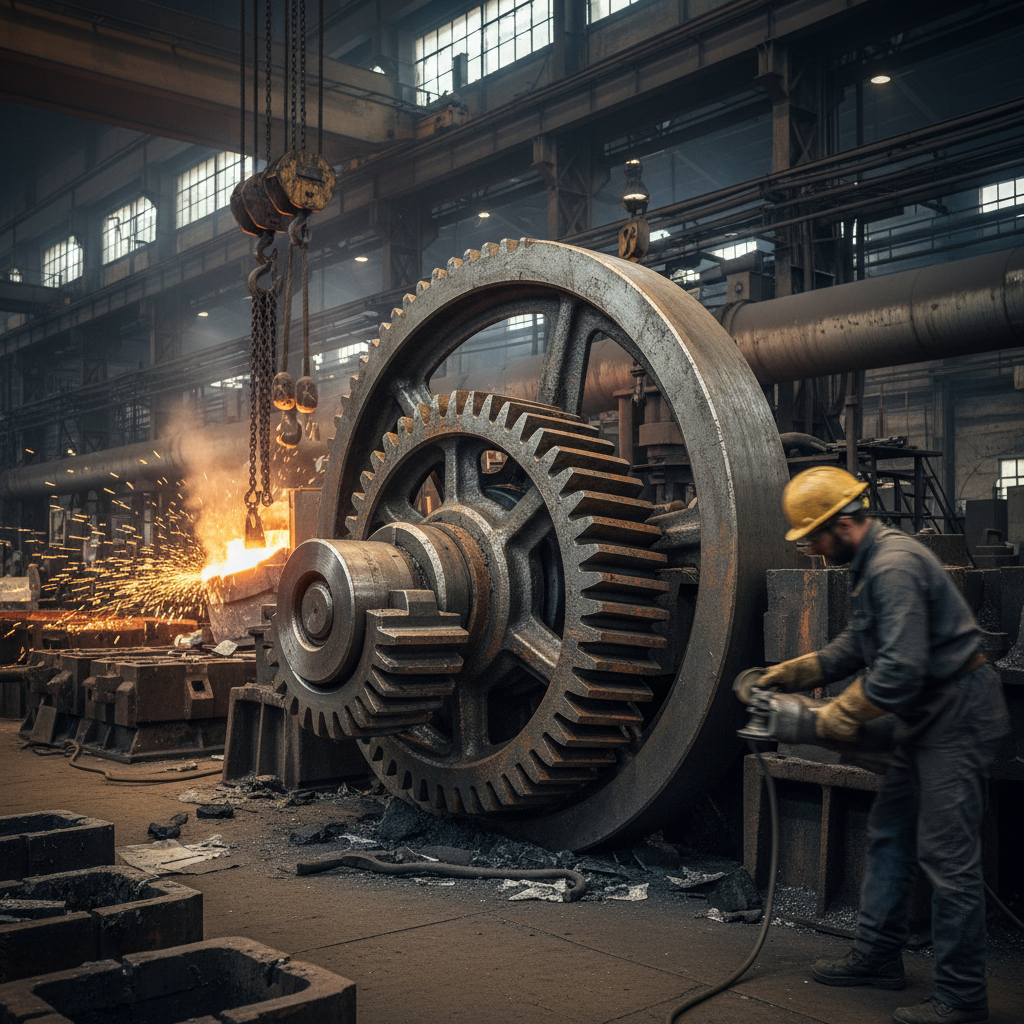





Gears have been central to mechanical innovation for centuries, enabling everything from basic rotary motion to the complex mechanics of aerospace, automotive, and robotics. Today, their relevance is more vital than ever. Whether it’s reducing speed, increasing torque, or redirecting motion, gears are everywhere — in watches, wind turbines, car transmissions, and even surgical robots.
Understanding gears types is essential not only for engineers but also for anyone involved in mechanical design, manufacturing, or system integration. From spur and helical gears to bevel, worm, and planetary sets, each type brings unique advantages to specific applications. The evolution of gear design has gone hand in hand with improvements in materials, manufacturing techniques, and computational modeling.
Modern gear manufacturer operations are pushing boundaries with digital simulations, automated CNC production, and real-time quality control. Meanwhile, the rise of online platforms has brought gears video resources to the forefront — helping engineers, students, and buyers visualize gear operations, understand principles, and assess product quality before making a purchase.
This article dives into the most common gears types, how they’re made, and how to choose the right gear manufacturer for your needs. We also explore how gears video media is reshaping education and buyer decision-making in the mechanical world.
Comprehensive Guide to Gears Types and Their Applications
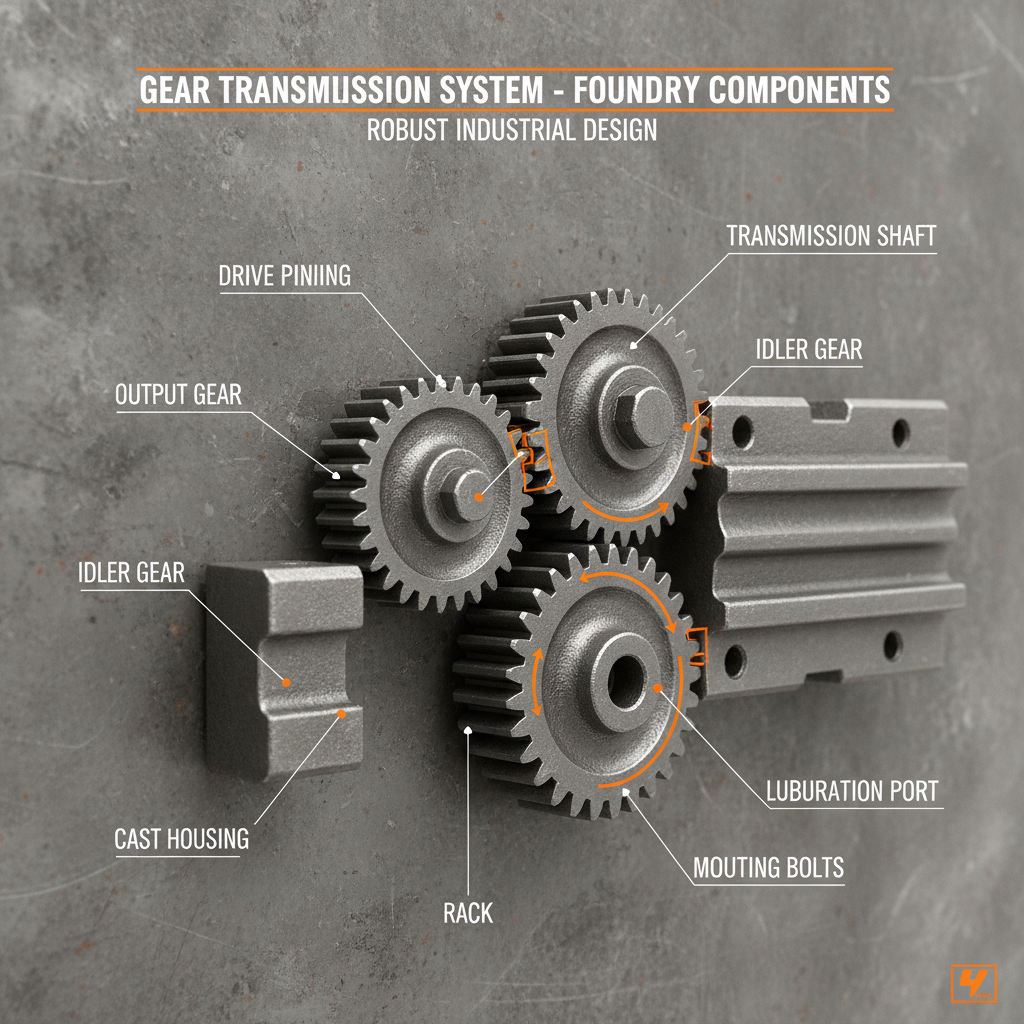
When talking about gears types, engineers consider several classification factors: tooth shape, gear axis orientation, transmission method, and application environment. Here's a breakdown of the most essential types:
Spur Gears – These are the most common gears. Their straight teeth and parallel shaft orientation make them easy to design and manufacture. They are highly efficient and ideal for moderate-speed, high-torque applications like conveyors, gear pumps, and washing machines.
Helical Gears – Featuring angled teeth, helical gears provide smoother and quieter operation than spur gears. They're used in automotive transmissions and industrial equipment that requires high load capacity and smooth power transmission.
Bevel Gears – These gears types are designed to transmit power between intersecting shafts, often at a 90° angle. They are found in differential drives, mixers, and hand drills.
Worm Gears – Offering high reduction ratios in compact spaces, worm gears are used in elevators, conveyor systems, and tuning instruments. Their self-locking capability makes them perfect for heavy-duty, low-speed tasks.
Planetary Gears – These are advanced systems involving sun gears, planet gears, and ring gears. They provide high torque output in a small form and are widely used in automatic transmissions and robotics.
Each of these gears types has its own engineering trade-offs, from cost to efficiency and maintenance. Selecting the right type depends on load conditions, desired torque, space limitations, and long-term durability requirements.
How a Professional Gear Manufacturer Ensures Quality and Precision
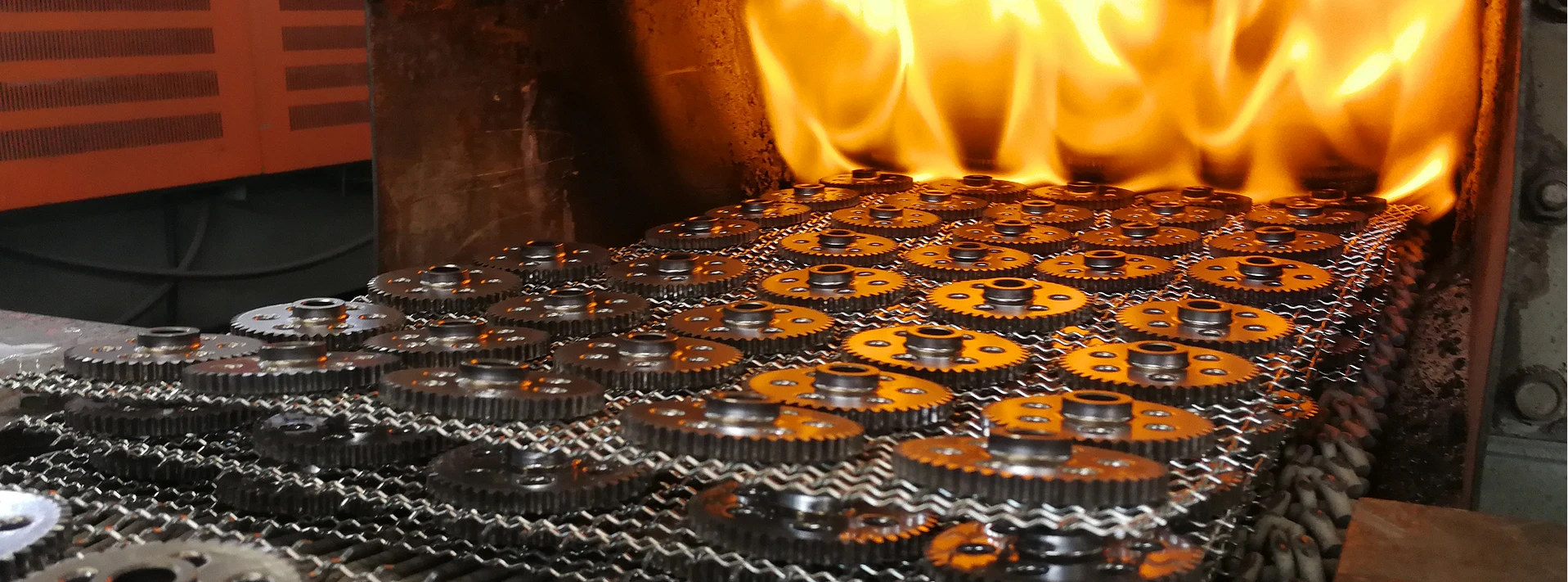
Not all gear manufacturer operations are created equal. Precision gear production demands meticulous planning, rigorous quality control, and the use of high-grade materials. Partnering with an experienced gear manufacturer not only improves your end-product reliability but also reduces production downtime and maintenance costs. Whether you're sourcing thousands of identical units or a one-off prototype, the right manufacturer matters.
How Gears Video Content is Changing Learning and Sales
Visual media is transforming how people engage with mechanical components. Gears video content — available on platforms like YouTube, company websites, and e-commerce portals — plays a pivotal role in technical education and informed purchasing.
For students and engineers, gears video tutorials offer 3D animations that demonstrate tooth engagement, torque transmission, and misalignment scenarios. These videos demystify complex engineering concepts like gear ratios, backlash, and transmission efficiency, making mechanical theory more accessible.
From a commercial perspective, gear producers now showcase their machining capabilities, product tests, and installation guides through gears video demos. Buyers can view gearboxes in action, compare sounds between gear types, or watch failure tests — all before contacting a gear manufacturer. This transparency boosts customer confidence and helps manufacturers highlight their technological edge.
A growing trend is the use of virtual product demos and interactive videos that let viewers rotate a gear assembly in real time or simulate load variations. Some companies even offer AR-powered gears video solutions for on-site engineers — showing them how to assemble or troubleshoot units in real-time via smart devices.
Gears video is no longer just a marketing tool — it’s a vital asset in modern mechanical education, quality assurance, and pre-sale customer service.
The Future of Gears: Smart Systems and Sustainable Materials
The gear industry is not standing still. As demands increase for energy efficiency, miniaturization, and IoT integration, gears are evolving rapidly. Key future trends include:
Smart Gears – Embedded sensors in gears now monitor load, temperature, and vibration in real time. These smart gears are used in predictive maintenance systems for wind turbines, aircraft engines, and factory automation.
Lightweight Composites – Instead of traditional metal, gears types are now manufactured using high-performance plastics and carbon-reinforced polymers. These offer excellent performance at reduced weight — crucial for drones, e-bikes, and portable medical devices.
3D Printed Gears – Additive manufacturing allows fast prototyping and even direct production of non-critical gears. This is valuable for low-volume, high-customization applications.
Green Manufacturing – Leading gear manufacturer facilities are shifting to sustainable practices, using recyclable materials, closed-loop cooling systems, and solar-powered operations. The integration of eco-friendly gear lubricants and biodegradable packaging is also on the rise.
The next frontier may involve self-lubricating gears, bio-compatible materials, or micro-gears for wearable tech. No matter the application, gears remain a foundational technology — one that will only grow smarter, lighter, and more precise.
Why Choosing the Right Gear Manufacturer Matters
Selecting a gear manufacturer is not just a sourcing decision — it’s a strategic investment in product longevity and performance.Look for companies with proven case studies, positive client testimonials, and active gears video documentation of their production capabilities. Transparency and responsiveness are key indicators of a reliable partner.
Whether your project involves robotics, automotive gearboxes, or custom tooling, the right gear manufacturer can streamline your timeline, reduce total cost of ownership, and help you stay competitive in your market.
Gear & Transmission Parts FAQs
What are the main gears types used in industrial applications?
Gears types commonly used in industry include spur, helical, bevel, worm, and planetary gears. Spur gears are straightforward and cost-effective. Helical gears are used where quiet, smooth operation is needed. Bevel gears enable angular motion transfer. Worm gears provide high reduction ratios, while planetary gears offer compactness and high torque capacity. Each type serves specific mechanical and functional roles in diverse sectors.
How do I choose a reliable gear manufacturer?
A good gear manufacturer should have strong technical credentials, a modern production facility, and a commitment to quality assurance. Look for ISO certification, in-house design capabilities, CNC precision equipment, and transparent communication. Reviewing client case studies, touring the facility if possible, and watching gears video content showcasing their processes can also help validate their expertise.
Why are gears video resources helpful for engineers and buyers?
Gears video content provides visual explanations of gear types, performance testing, and installation methods. These videos are especially useful for training new engineers, troubleshooting mechanical systems, and comparing different gear solutions. They also allow buyers to see real-world applications and manufacturing quality, reducing uncertainty during the procurement process.
What materials are best for high-performance gears?
High-performance gears are often made from hardened steel, stainless steel, bronze, or high-strength plastics like PEEK and nylon composites. The choice depends on factors like load, temperature, operating speed, and environmental exposure. A qualified gear manufacturer can recommend materials optimized for wear resistance, noise reduction, and weight savings.
Can gears be custom-designed for unique mechanical systems?
Absolutely. A specialized gear manufacturer can design gears to meet highly specific parameters, including unusual shaft distances, torque requirements, and space constraints. Using CAD simulations, rapid prototyping, and CNC gear cutting, custom gears types can be engineered and manufactured with high precision, even for small batch production or experimental applications.